

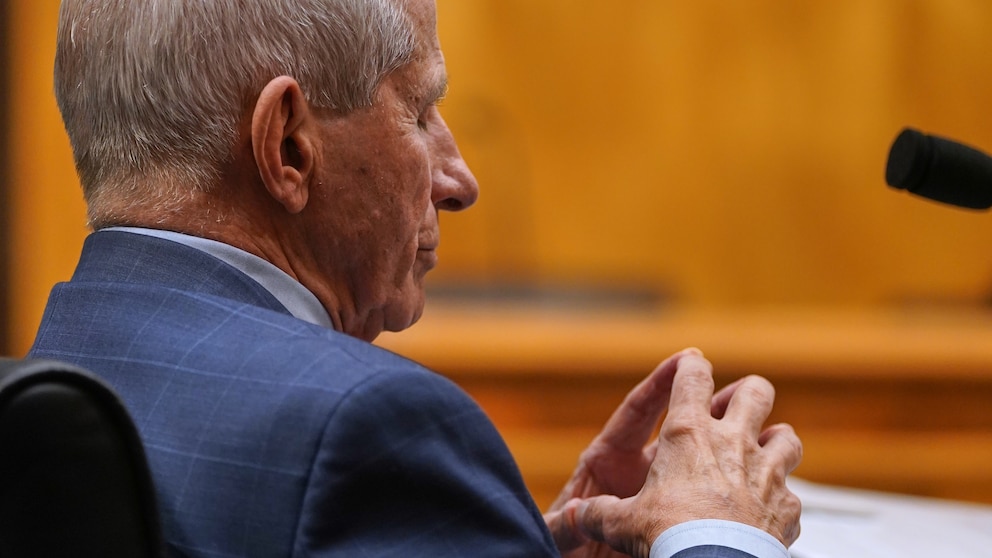
Dr. Anthony Fauci’s private COVID-era diaries have become the center of a major political storm following their release by Senate Republican leadership, revealing intimate details about his pandemic response, his complicated relationship with President Trump, and his apparent fascination with his own growing fame during the health crisis.
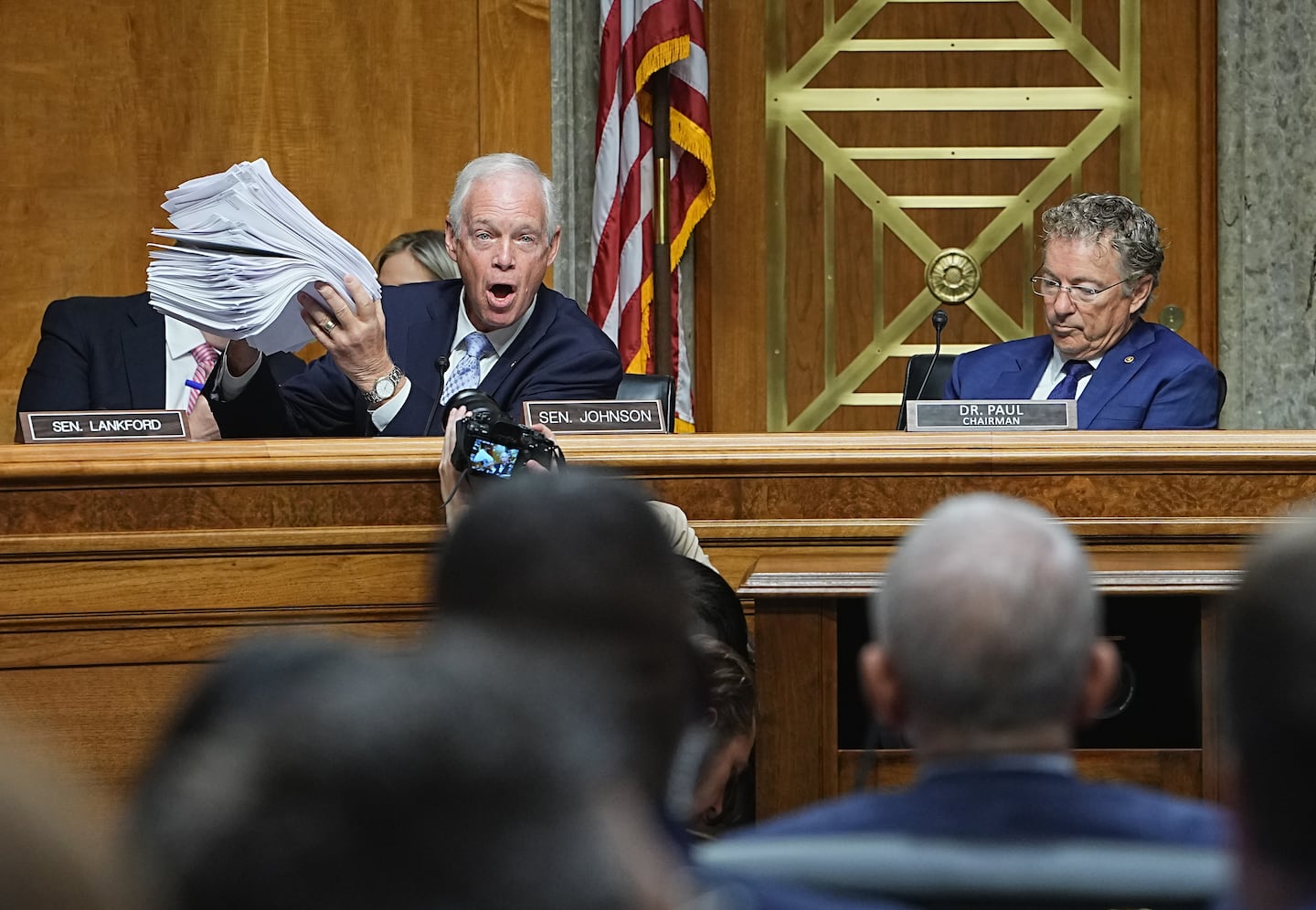
More than 1,000 pages of diary entries kept by Fauci during his tenure as the nation’s leading infectious disease official became a focal point in a contentious Senate hearing on Wednesday, July 29, 2026. Released by Senator Rand Paul, the Kentucky Republican who chairs the Homeland Security and Governmental Affairs Committee, the diaries contain personal musings about virus origins, White House dynamics, celebrity encounters, and media coverage of Fauci’s unprecedented rise to national prominence.
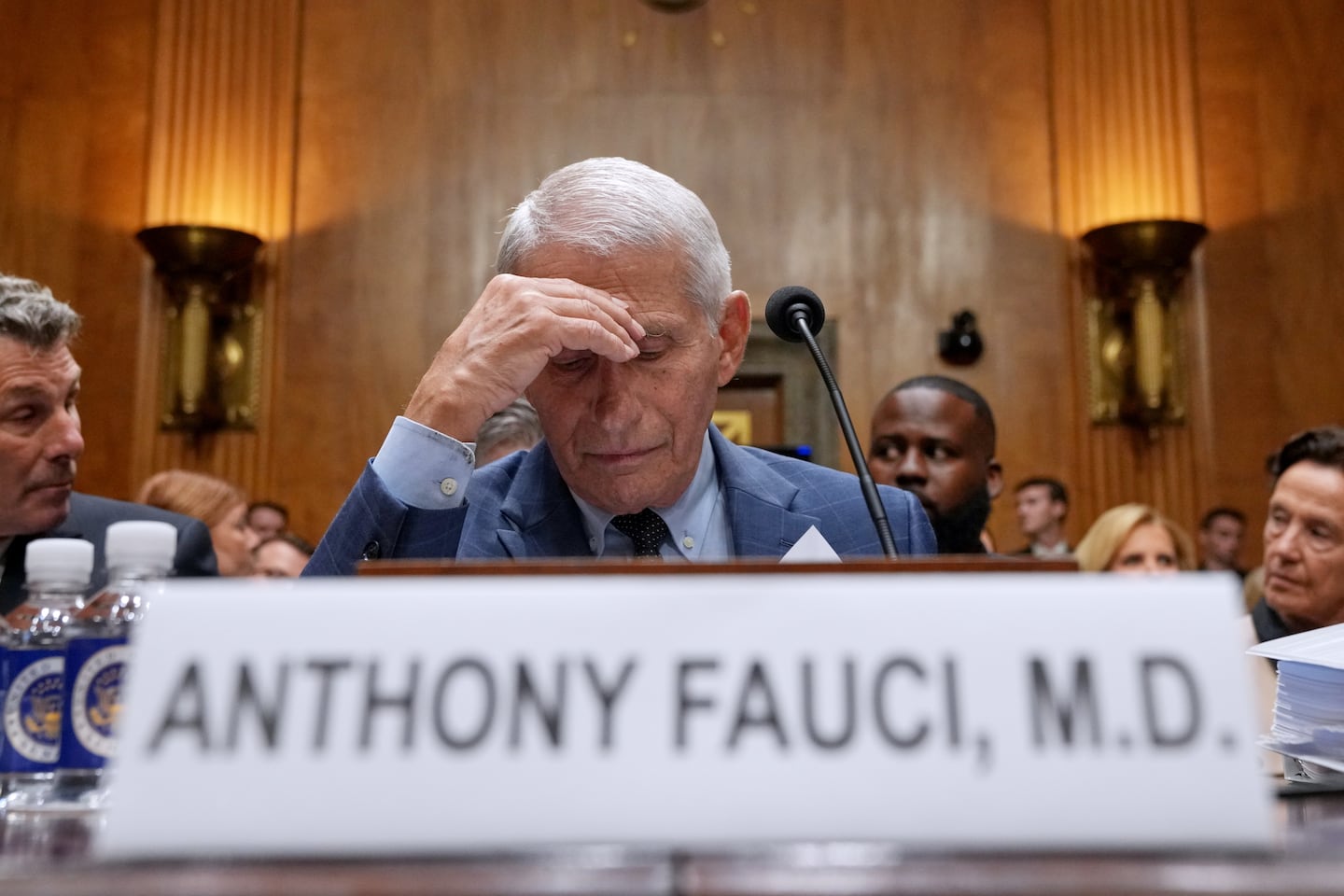
Fauci’s appearance before the committee turned combative when he invoked his Fifth Amendment right against self-incrimination more than 100 times, refusing to answer any substantive questions from senators. In an opening statement, Fauci said he was exercising this right due to what he described as Paul’s “obvious obsession with calling for my prosecution.” Paul has repeatedly accused Fauci of misleading the public about the virus’s origins and has promised consequences, saying he would hold a committee vote on contempt charges against the retired scientist.
The diary entries reveal significant uncertainty about COVID-19’s origins in the pandemic’s earliest days. In a January 26, 2020 entry, Fauci noted that epidemiological and genomic data suggested the first infection occurred in early December and was not connected to the wet market in Wuhan initially blamed for the outbreak. Yet he also acknowledged that “somewhere the virus jumped from animals to humans.” In a February 1, 2020 entry documenting a conference call among prominent scientists debating the virus’s origins, Fauci recorded that only two researchers supported a natural origin theory, while nine others believed “deliberate insertion” was possible, indicating support for the lab leak hypothesis. This detail has become central to Republican claims that Fauci was less confident about natural origins than he publicly stated.
The diaries provide striking details about Trump’s health crisis when he contracted COVID-19 in October 2020. According to entries based on a conversation with Trump’s then-Chief of Staff Mark Meadows, the president developed a 103-degree Fahrenheit fever and experienced oxygen saturation levels that dropped into the 80s by Friday, October 2, 2020. Meadows reported these concerning vital signs to Fauci while he was walking along the C & O Canal, asking when Trump could resume public appearances. Fauci cited CDC guidelines requiring a 10-day isolation period from symptom onset. By Sunday, Fauci noted that Trump was up and about, fever-free, and his oxygen levels had improved—a much more optimistic account than what the administration was then conveying publicly.
Beyond the scientific and medical details, the diaries offer an unusual window into Fauci’s personal reactions to his extraordinary rise in public prominence during the pandemic. Entries document his fascination with media coverage of himself and his encounters with celebrities. In May 2020, Fauci wrote that his newfound fame was “explosive and really unimaginable,” adding that he had become “the most famous and talked about person in the country and one of the most recognizable people in the world.” He noted flattering articles about himself, including a profile from the BBC and the outlet feature. Throughout his entries, he recorded interactions with celebrities including actress Julia Roberts and singer Barbra Streisand. When Roberts called him during an Instagram conversation, Fauci recalled being surprised when she said he was her personal hero and called him “absolutely fabulous.”
Fauci’s relationship with Trump and his White House team dominates the diary’s political narrative. Early entries portray a warm working dynamic, with Fauci noting that Trump asked him substantive questions and said the president was “clearly concerned more about the health of the American people than he was about the economy.” But by August 2020, their relationship had deteriorated. Fauci described Trump becoming angry during a White House meeting and “raving” that increased COVID cases resulted from more testing rather than actual infection increases. Fauci also recorded his frustration with White House Chief of Staff Mark Meadows, noting threats to keep him off television and pressure to soften his public health warnings. In his private writings, Fauci described Trump’s press conferences as “painfully rambling” and characterized him as “spewing nonsense” on the campaign trail. By August 2020, he had written that Trump was an “idiot” for misrepresenting death toll figures.
The diaries also document internal disagreements over pandemic response policies. Fauci noted tensions with Trump administration officials over how aggressively to restrict travel from China in January 2020, with Fauci and others opposing what he viewed as overly sweeping border closures, though he supported airport screening and quarantines. He worried his public health warnings could pit him against the president, writing in February 2020, “Let us see if this pits me against the POTUS.”
Some entries were not new to the public record. Fauci’s 2024 memoir and various prior interviews touched on similar themes of scientific uncertainty and the challenges of combating an unprecedented viral threat. Yet the raw, unfiltered nature of diary entries—including Fauci’s extensive documentation of his media appearances and celebrity interactions—has given critics ammunition to argue that his private record contradicts his public persona as a scientist focused purely on pandemic control.
The release of these diaries marks the latest escalation in a years-long conflict between Fauci and Republican lawmakers, particularly Paul, over pandemic response policies and virus origins. That conflict reached its peak during Wednesday’s hearing, when Fauci’s decision to invoke the Fifth Amendment across the board prevented any testimony that might have addressed Republican allegations or provided clarification of the diary entries themselves.