

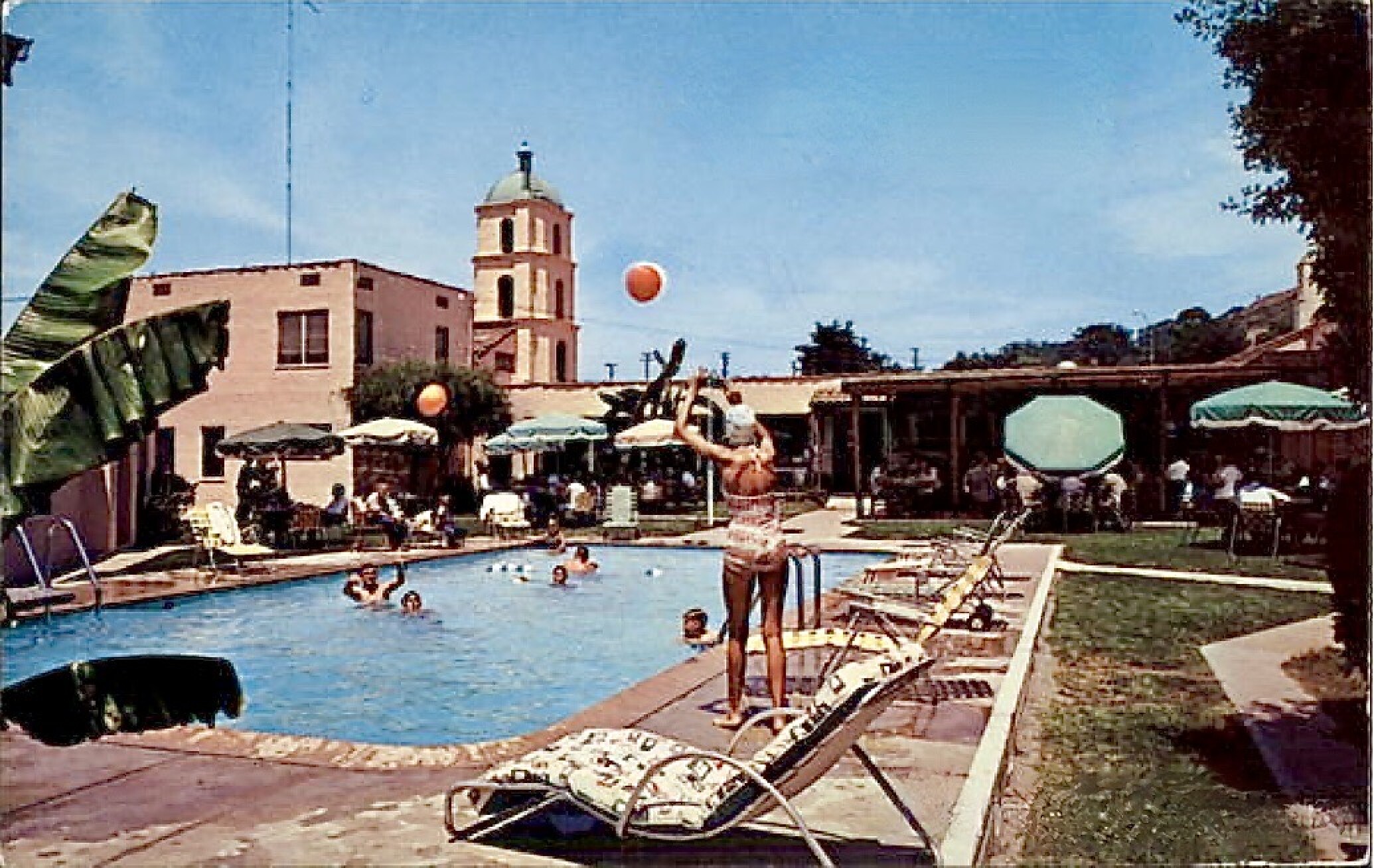
The historic property that introduced the world to motor lodging in 1925 now faces an uncertain future as its decades-long redevelopment stalls.
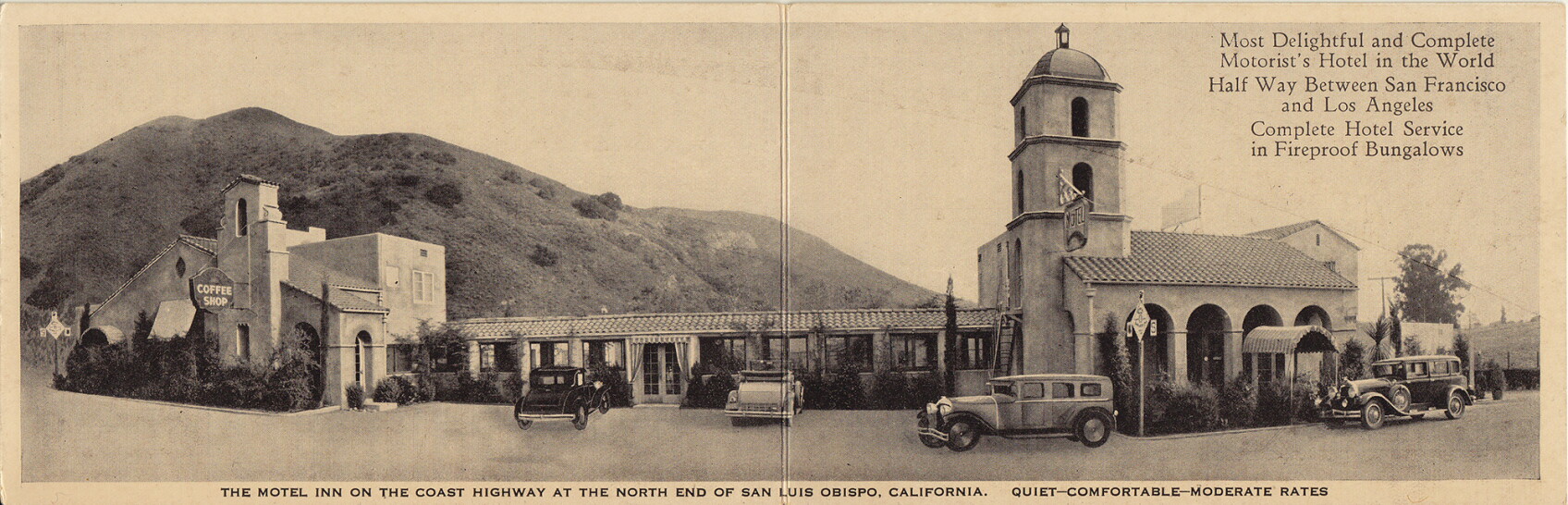
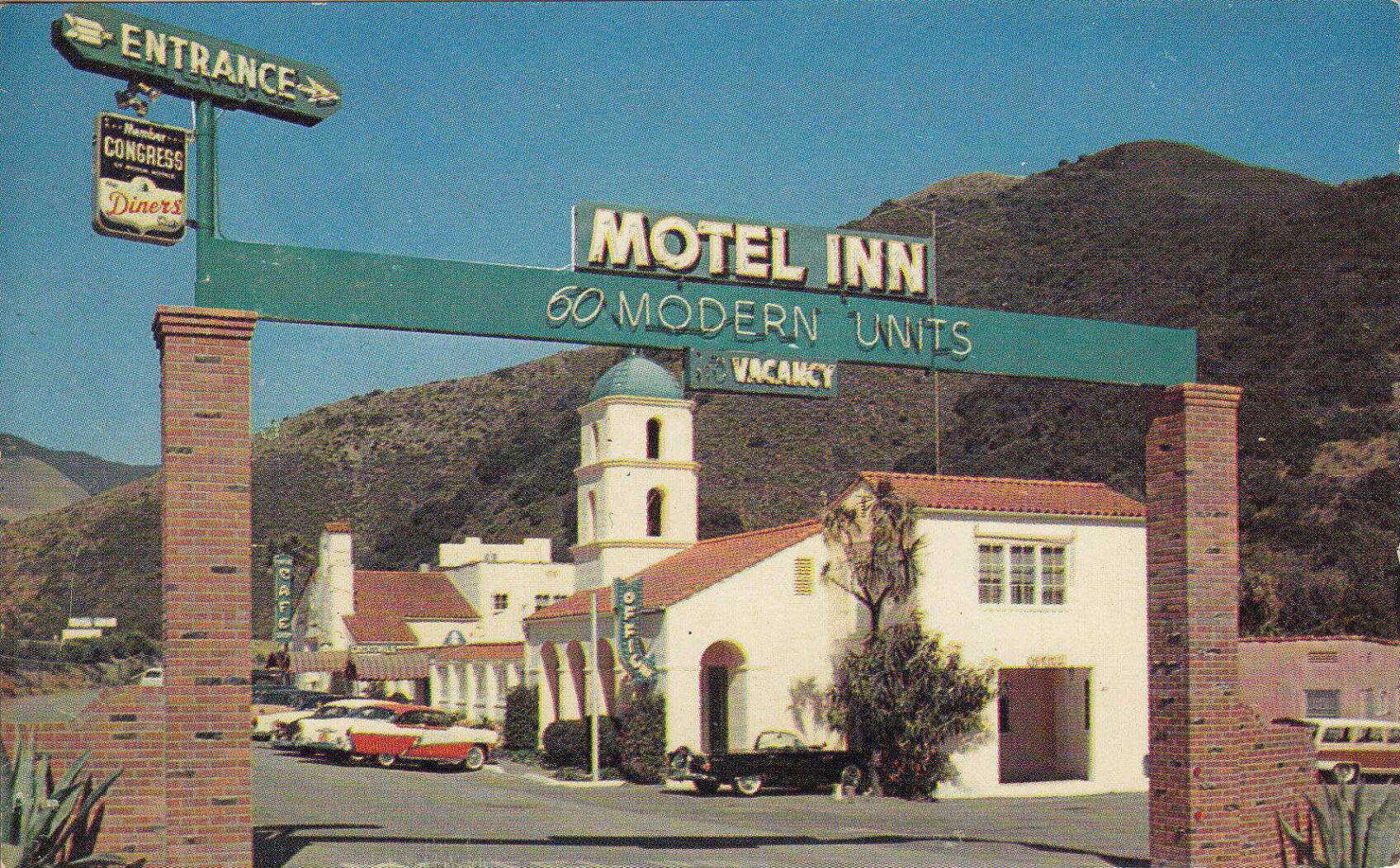
On December 12, 1925, the world’s first motel opened its doors in San Luis Obispo, changing travel forever.
Known originally as the Milestone Mo-Tel, and later the Motel Inn, the lodging spot for weary Highway 101 travelers introduced a brand-new concept: affordable, stylish accommodations right off the road for just $1.25 per night.
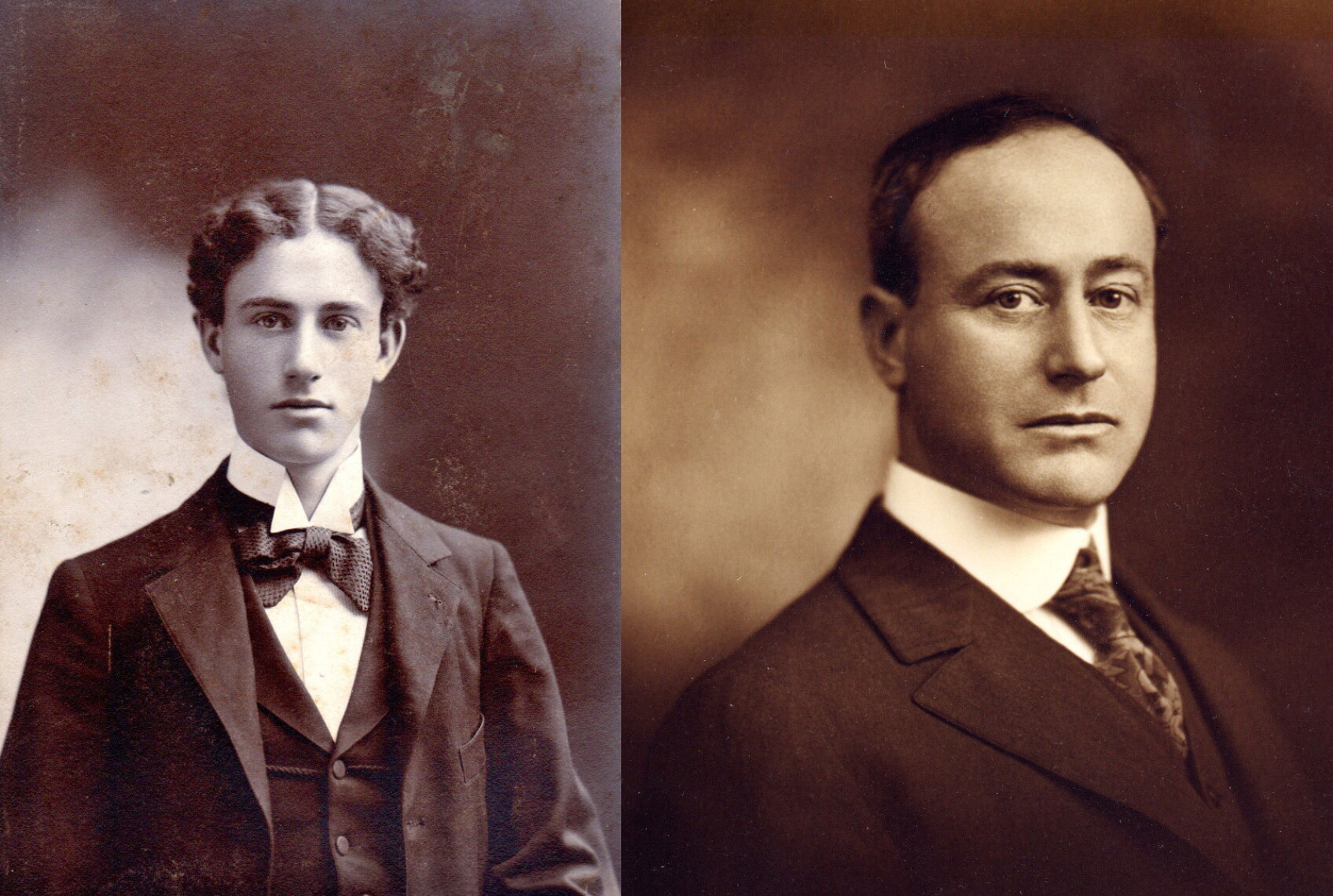
Designed by architect Arthur Heinemann, who coined the word motel as shorthand for “motor hotel”, the property quickly became an iconic halfway point, welcoming motorists midway between San Francisco and Los Angeles.
The Motel Inn closed in 1991 and sat vacant for decades. Still, interest in reviving the historic site never fully faded. In 2017, developers CoVelop and Rossi Enterprises unveiled plans to revive the historic site, blending modern amenities with its original charm.
Those plans would evolve substantially over the years. In 2023, the San Luis Obispo Planning Commission approved the latest designs, which included 83 guest rooms and 29 mission revival-style bungalows. The scale had grown far beyond earlier concepts.
But progress stalled once again. Still, construction never began.
By late December 2025, the project appeared to have hit a dead end. Lead architect Ariana Melendez, who has been part of the project for 12 years, told KSBY the development is now “on hold for the foreseeable future.”
Neither CoVelop nor Rossi Enterprises responded to requests for updates. Neither developer could be reached for comment.
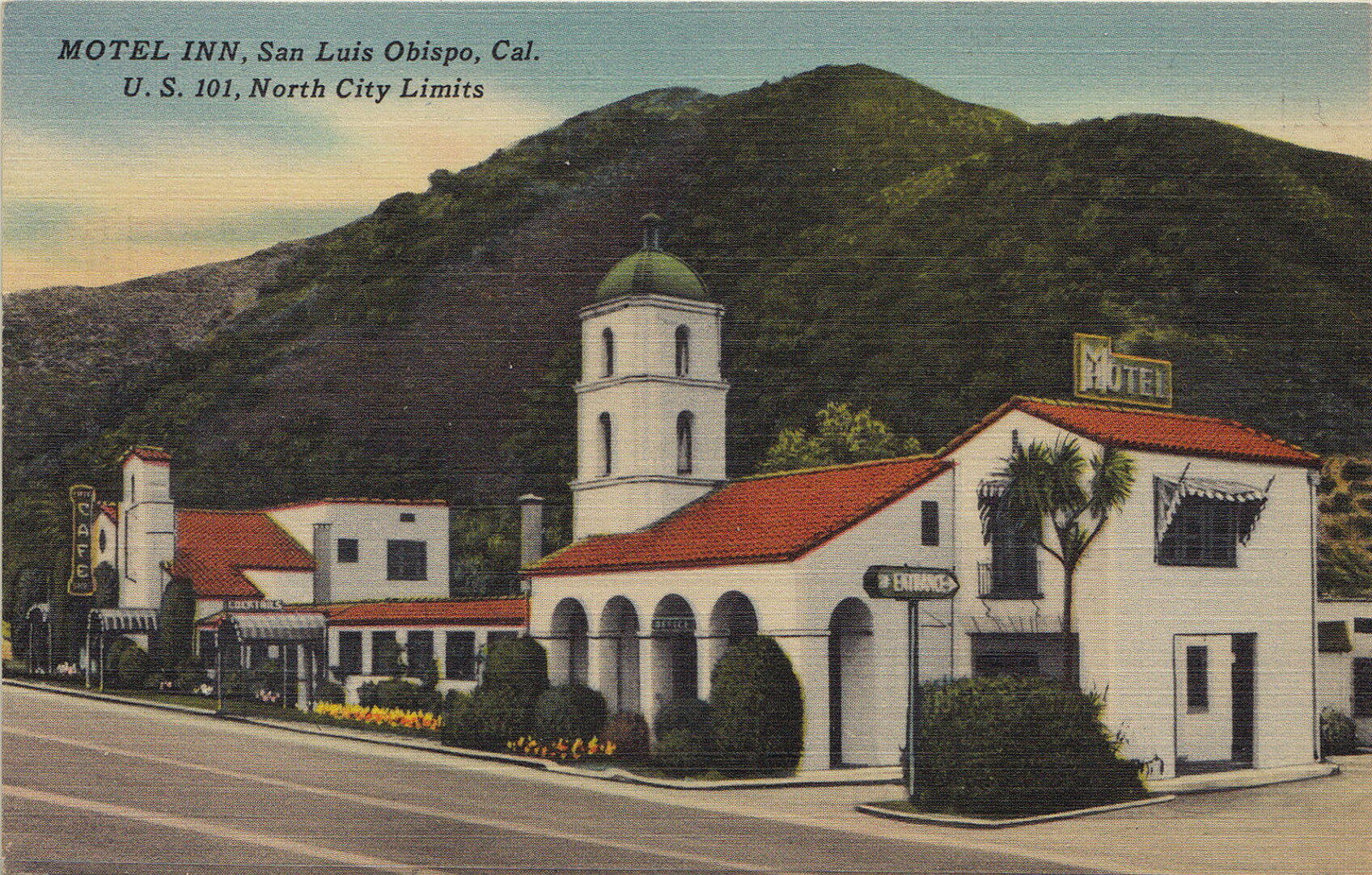
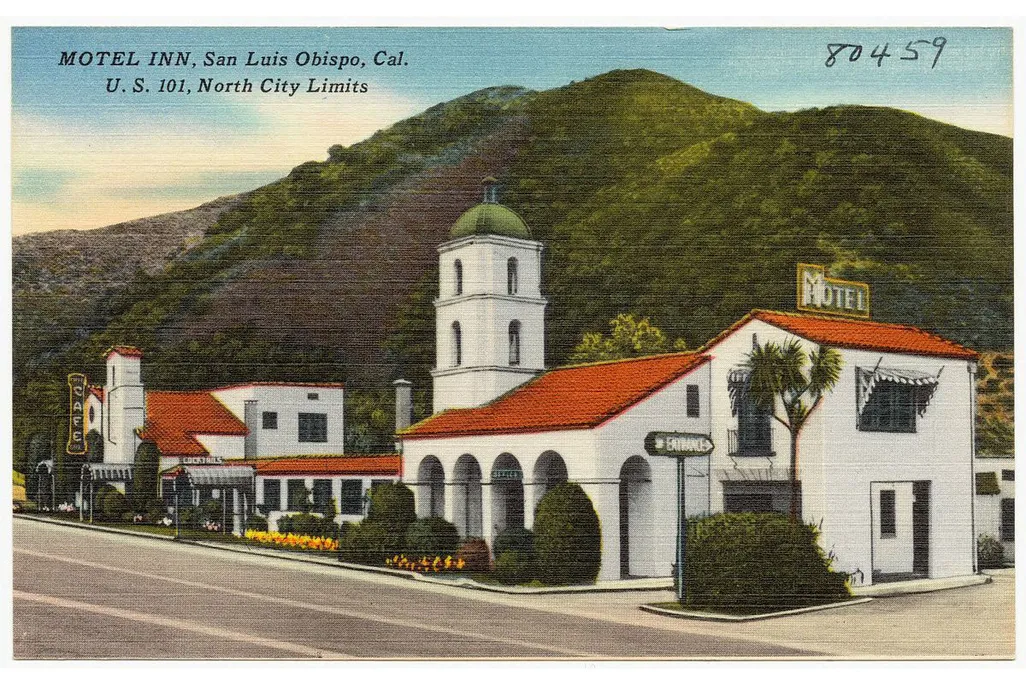
What remains at the site today is far less than what once greeted travelers. For now, only part of a wall and the mission bell remain, marking the birthplace of the motel industry.
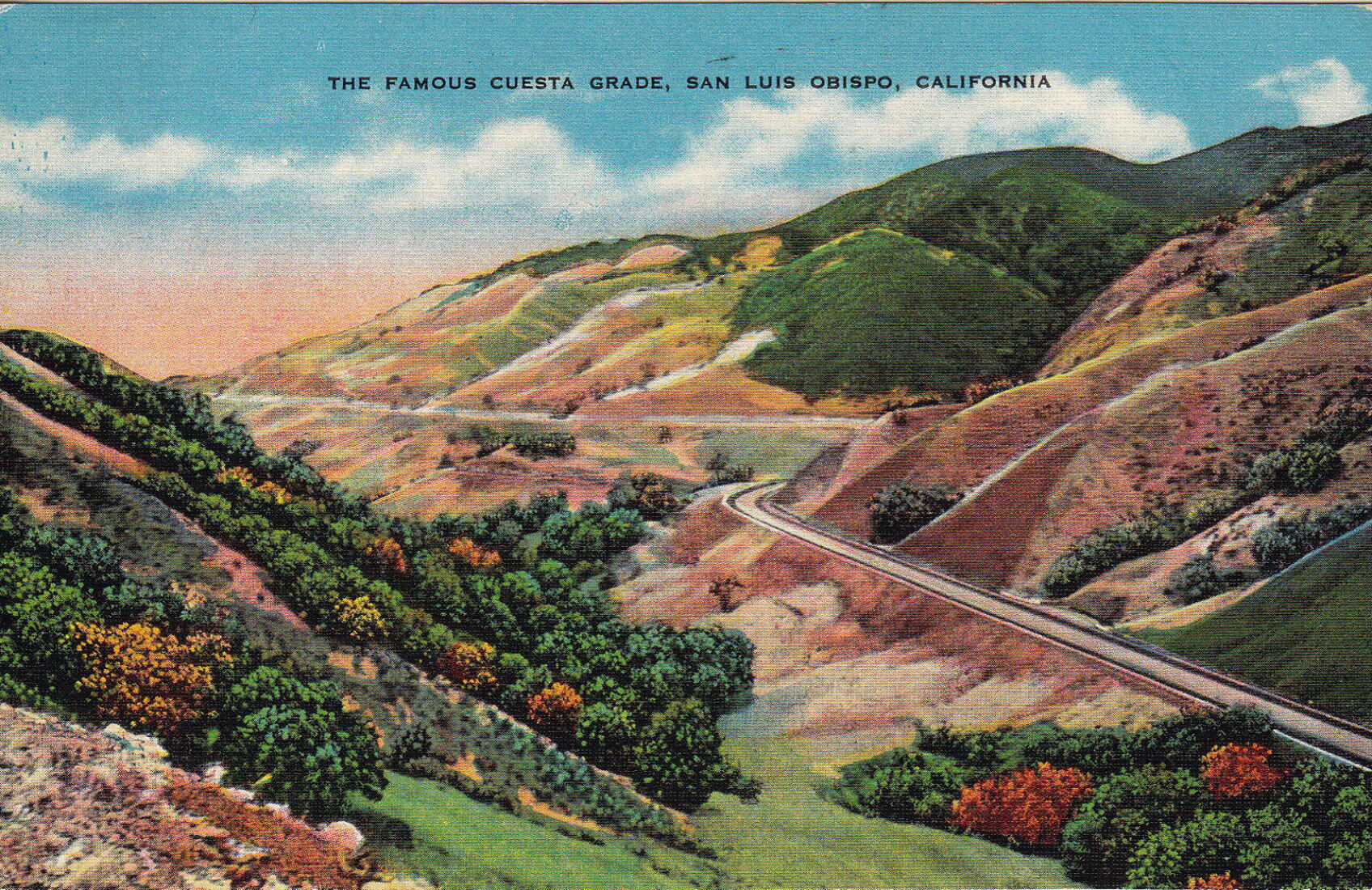
The property’s journey spans a century of American road-trip history. When Heineman opened it in 1925, automobile travel was still a novelty requiring significant planning. Today, its mission bell tower still stands at the base of the Cuesta Grade, a lasting symbol of what was once a thriving roadside beacon.
The original concept was revolutionary for its time. Arranged around a central courtyard with swimming pool and palm trees are white stucco, red-tile roofed two-room bungalows with toilet, shower, washbasin and beds. Guests could drive directly to their rooms, which seemed luxurious decades before modern highway hotels became standard.
Heineman had grand visions of expansion. Heineman and his business partners envision a chain of Milestone Mo-tels stretching from San Diego to Seattle, each roughly 200 miles apart, with easy access on and off the main highways along the Pacific coast.
Those dreams of growth never materialized. The Heinemans were unable to register the name as a trademark, which allowed competitors to use the name. Severe competition in the market as well as competitors with lesser designs but lower pricing also hampered the chain in getting off the ground.
The Motel Inn’s own trajectory showed that pattern. After reaching its mid-century heyday as a destination for travelers and Hollywood celebrities, it gradually lost business. The property changed hands repeatedly and fell into disrepair. It opened on December 12, 1925, and closed in 1991.
Arthur Heineman simply saw an opportunity: automobile owners needed somewhere clean and comfortable to sleep during long road trips, far from the tent camps and roadside attractions that dotted highways. The solution was elegant: small bungalows with private garages, arranged around a central courtyard with amenities like a restaurant and pool. Heineman shortened “motor hotel” into a new word—”motel”—and the category was born. His Spanish mission-inspired architecture, designed specifically to evoke California’s heritage, set a style that influenced roadside lodging for decades. The Motel Inn became the prototype all future motels would follow, whether they knew it or not.
The property sits in uncertainty about what comes next.