

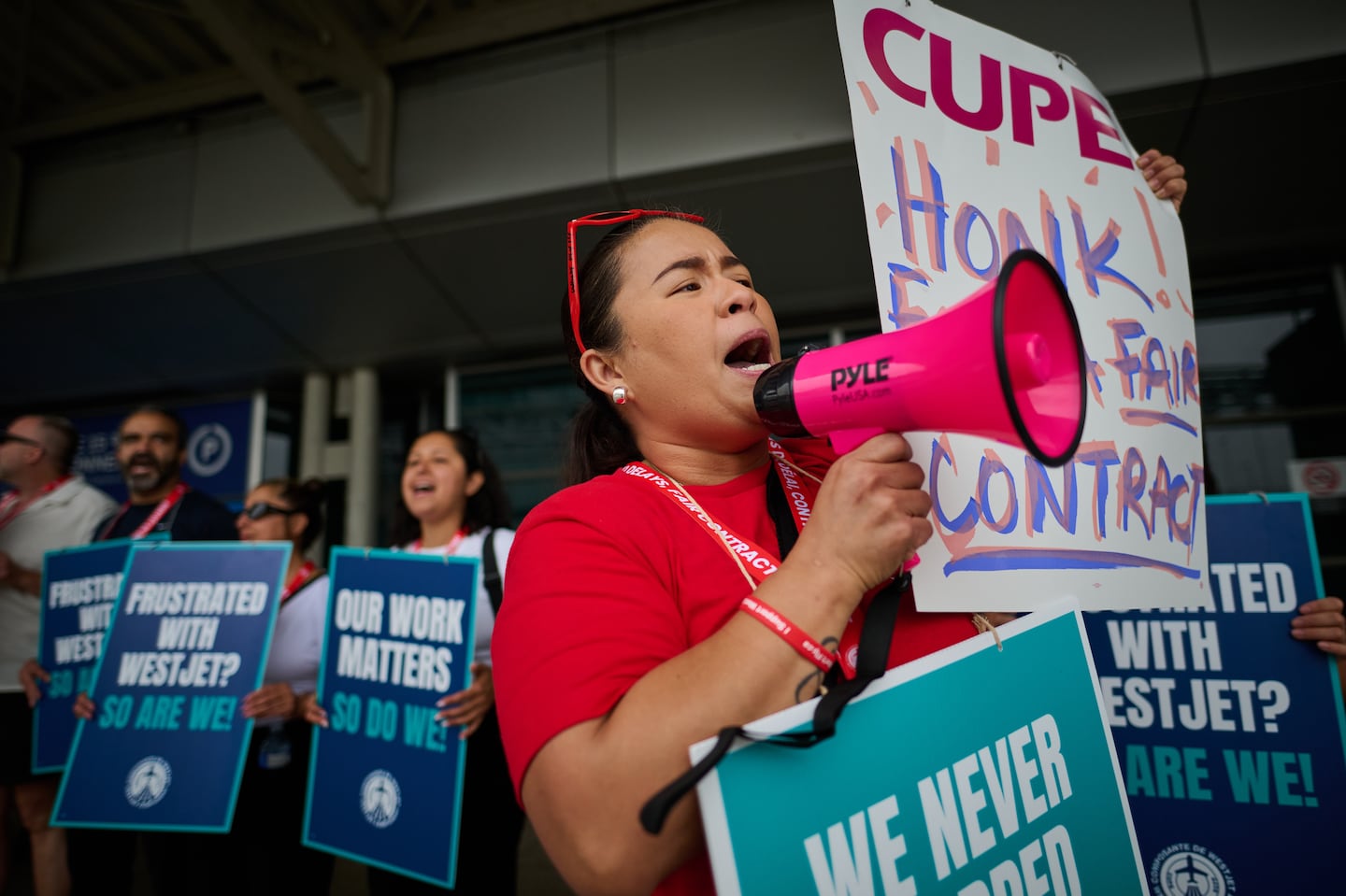
Flight attendants at Canada’s second-largest airline have ended their strike after securing a tentative agreement with WestJet on Monday, bringing relief to travelers after a work stoppage that disrupted hundreds of flights during the busy summer travel season. The Canadian Union of Public Employees, representing approximately 4,400 cabin crew members, announced the tentative deal early Monday morning, marking an end to the work stoppage that began Sunday.
The strike lasted just over one day but had significant impact during the August long weekend, one of the busiest travel periods of the year in Canada. WestJet had canceled roughly 600 flights since Friday in the lead-up to the work stoppage, with approximately 250,000 travelers affected by the disruptions. By the time the tentative agreement was reached, cancellations had mounted across the airline’s network.
The central issue driving the labor action was compensation for ground work. Flight attendants have long sought payment for the time they spend working before planes depart and after they land, including boarding passengers and other ground-based duties. Currently, flight attendants at WestJet are primarily compensated only when aircraft are in the air, operating under what the airline calls a “credit hour” system. Union representatives stated that flight attendants perform roughly 35 hours of unpaid work per month, including boarding, deplaning, delays on the ground and other tasks surrounding each flight.
The union and airline began negotiations after the previous collective agreement expired on December 31, 2025. Tensions escalated in late July when the union issued a 72-hour strike notice on July 30, and WestJet responded with a matching lockout notice on the same day. Before the strike deadline, WestJet publicly released its offer to cabin crew, outlining proposals that included a 13 percent wage increase this year followed by 2.5 percent annual increases through 2029, additional pay for all hours worked equivalent to another 12 percent salary increase, and benefits including enhanced meal per diems, expanded vacation allowance, and a 17-week postpartum maternity leave top-up.
Despite the airline’s offer, union leadership rejected the proposal as insufficient. Alia Hussain, president of CUPE Local 8125, stated before the strike: “We tried until the very last minute to get a fair deal that recognizes the value of the work cabin crews do. WestJet’s offer did not go far enough.” Union members had overwhelmingly voted in favor of strike action, with 99.4 percent approval and 97.3 percent voter turnout.
The tentative agreement includes a new duty period premium that recognizes additional work performed by cabin crew and increases overall compensation. According to union statements, the deal would “improve upon the legacy flight credit system by introducing a duty period premium that recognizes more of the work cabin crew are required to perform,” along with general increases to compensation for that work. However, WestJet did not immediately disclose specific details of the final agreement.
Hussain expressed cautious optimism about the resolution: “This tentative agreement represents meaningful progress. It evolves the flight credit system by recognizing more of the work cabin crew are required to perform and with general increases to compensation for that work.”
The dispute came roughly one year after a similar labor action at Air Canada, where flight attendants staged a four-day strike in August 2025 over comparable ground pay issues. That strike stranded more than 100,000 travelers before the parties reached an agreement. The Air Canada strike had set a precedent for labor negotiations across Canadian aviation, with industry observers noting that outcomes at one carrier influence negotiations at others.
The tentative agreement now moves forward for a ratification vote by cabin crew members. Both WestJet and the union have withdrawn their strike and lockout notices. WestJet CEO Alexis von Hoensbroech said the airline was “pleased to have reached a tentative agreement that reflects the hard work and professionalism our cabin crew” and apologized for the disruption to passengers and employees.
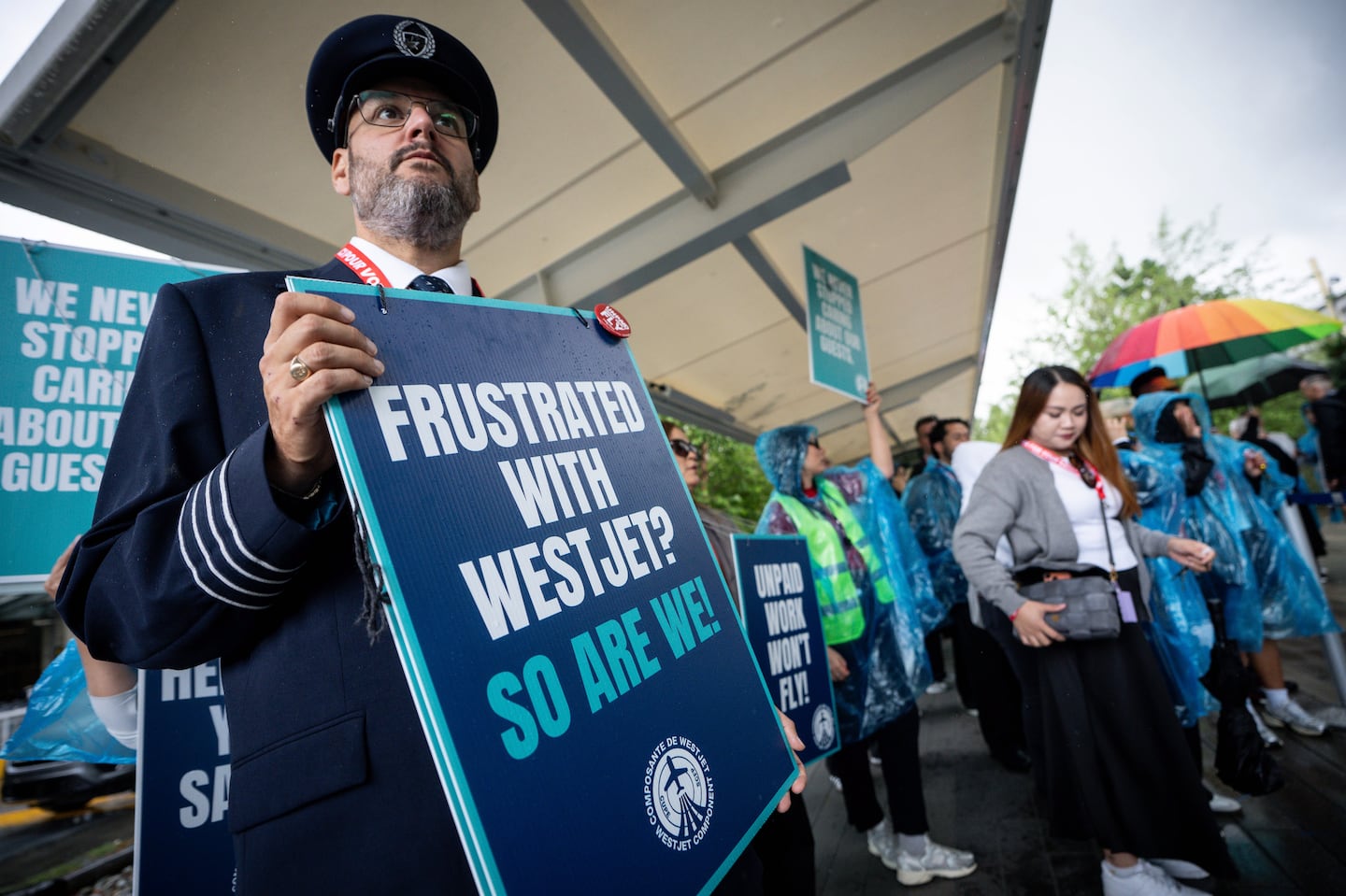
WestJet indicated it was working to restore service and resume flights. The strike occurred during peak summer travel, making recovery efforts particularly challenging. The airline operates flights to destinations in the United States, the Caribbean, Central America and Europe, and commands approximately 30 percent of Canada’s domestic market share.
The resolution represents the latest chapter in an ongoing effort by flight attendants across North America to challenge compensation structures that predominantly pay cabin crew only when aircraft are in motion, an arrangement industry workers argue has become unsustainable given the extensive duties they perform outside of flight operations.