

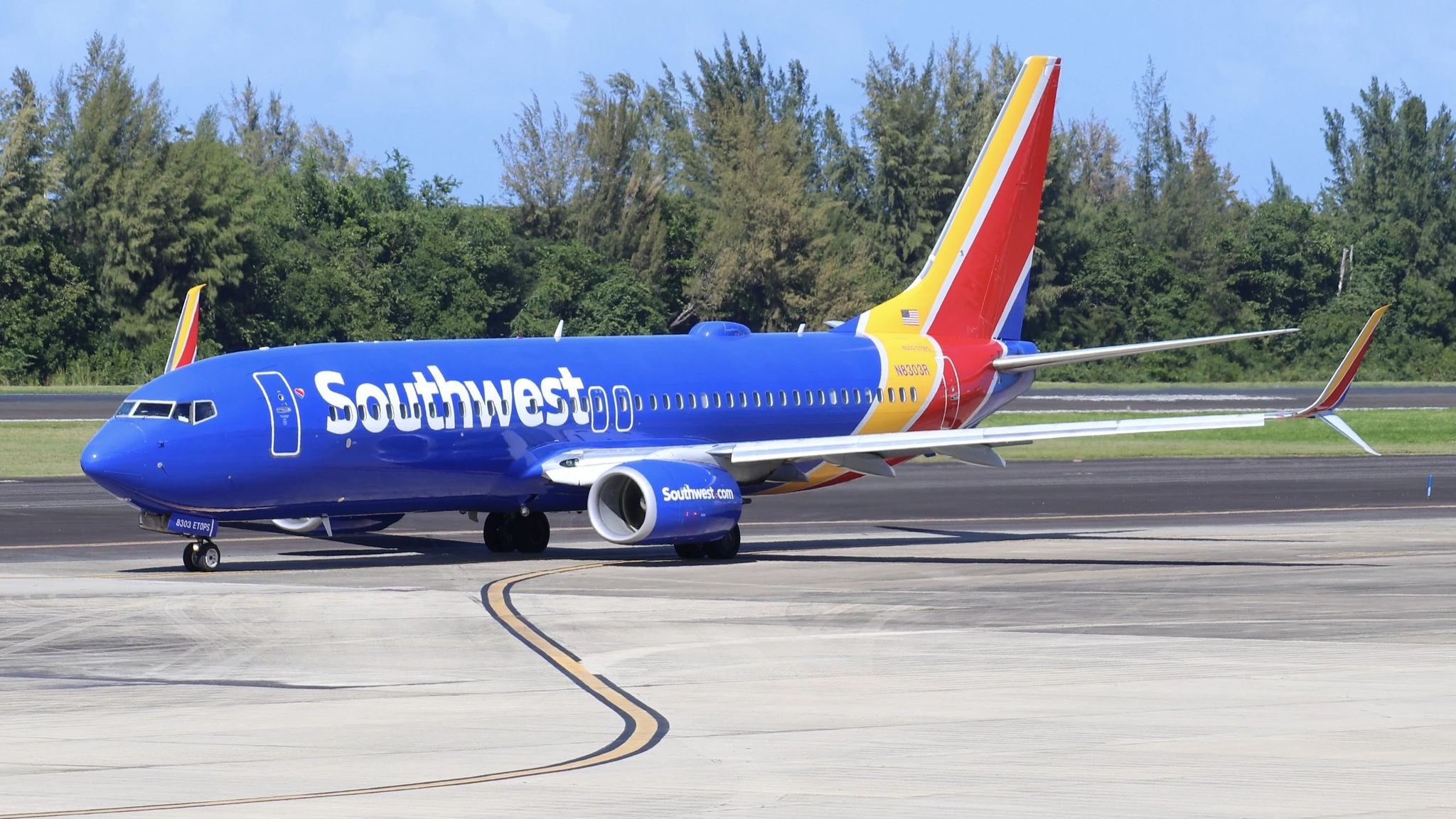
The Federal Aviation Administration certified Boeing’s 737 MAX 7 on Monday, August 3, marking a major milestone for the aircraft manufacturer after years of regulatory delays. The approval allows Boeing to begin delivering the smallest variant of its MAX family to customers, with Southwest Airlines positioned to become the first operator.
The 737 MAX 7 certification ended a development process that began in 2018, stretching nearly a decade longer than originally planned. The aircraft was first expected to enter service in 2019, but the timeline was disrupted by two fatal 737 MAX 8 crashes in 2018 and 2019 that led to a worldwide grounding of the entire MAX family. That grounding, combined with the COVID-19 pandemic and heightened FAA scrutiny of Boeing’s certification processes, extended the program substantially.
Before granting certification, the FAA required Boeing to implement several critical design changes. These included updates to the flight-control software, modifications to the flightcrew alerting system, and a redesigned engine anti-ice system. The anti-ice system fix proved particularly important, addressing concerns about engine inlet overheating that could have weakened surrounding structures. The FAA said the certification reflects “years of sustained work to resolve complex technical issues and complete a thorough review of the airplane’s design and supporting safety analyses.”
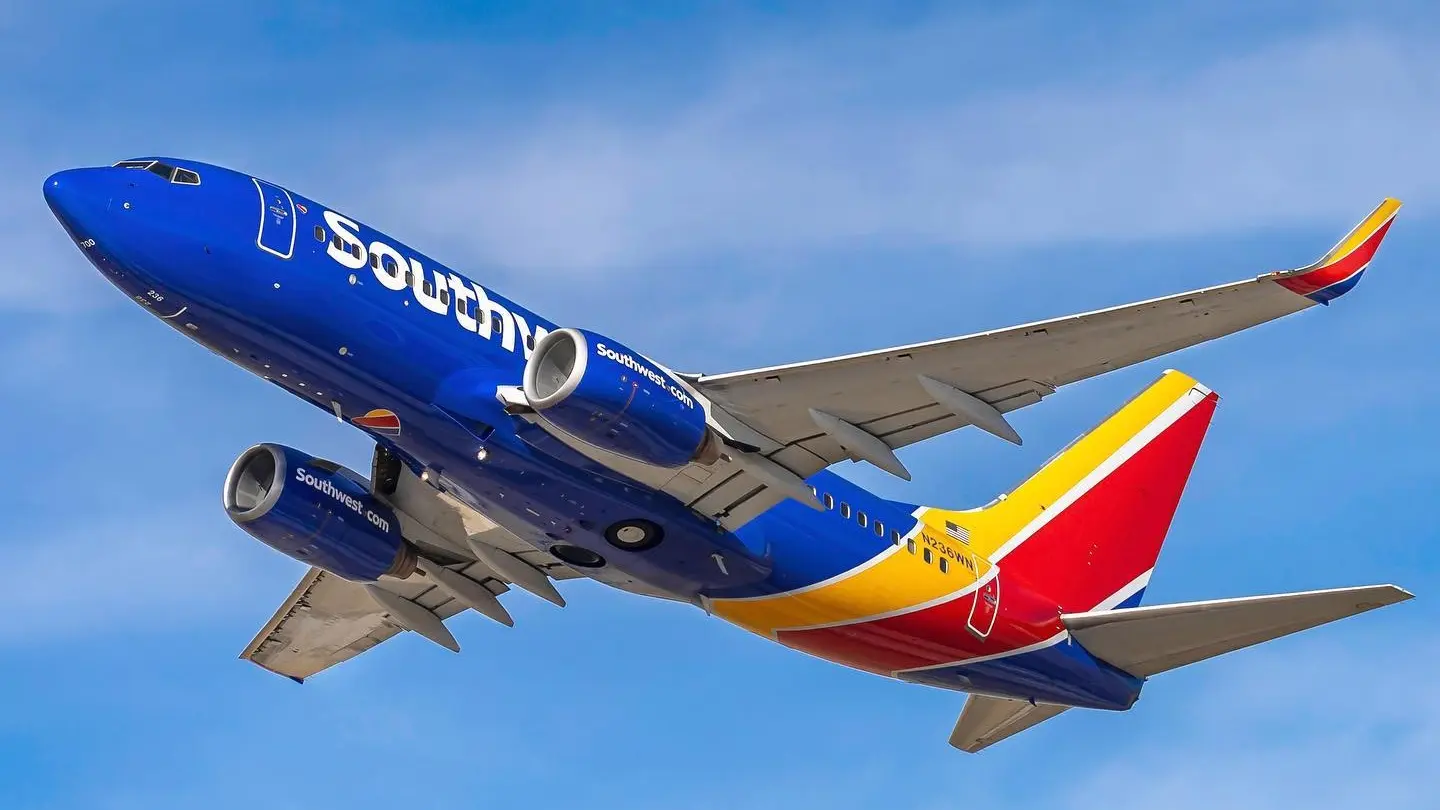
The 737 MAX 7 is the smallest member of Boeing’s latest-generation narrowbody family. In a typical two-class configuration, it seats 135 to 160 passengers and offers a range of up to 3,800 nautical miles, making it the longest-range variant in the MAX family. Its design emphasizes performance for operators flying out of airports at high altitudes and in hot climates. The aircraft shares the same wing, landing gear, and fundamental systems as the larger 737 MAX 8, allowing airlines to train pilots on a single type and rotate crews across both models.
Southwest Airlines, the launch customer for the MAX 7, has been the primary driver behind the aircraft’s development. The Dallas-based carrier, which operates exclusively Boeing 737 aircraft, has placed 256 firm orders for the MAX 7 as part of a larger backlog that includes both MAX 7 and MAX 8 variants. Southwest’s aging 737-700 fleet, which now averages 20 years old, creates significant demand for the new aircraft as the carrier pursues fleet modernization. About two dozen finished MAX 7 jets were already positioned at Moses Lake in Washington state, ready for delivery once certification was finalized.
The certification also authorized an updated Production Limitation Record, clearing Boeing to begin manufacturing the aircraft. Boeing has been ramping up 737 MAX production as it prepares to deliver the newest variants. The company activated a fourth final assembly line at its Everett, Washington facility in July and is transitioning production toward a rate of 47 aircraft per month this year, with plans to reach 52 per month next year. Boeing’s CEO Kelly Ortberg has indicated the company ultimately aims for 63 jets per month if the supply chain can support such volumes.
The FAA said that safety inspectors will remain on-site at Boeing production facilities to monitor the manufacturing process, including the company’s Safety Management System and safety culture. This continued oversight reflects the enhanced regulatory scrutiny Boeing faces following quality issues that came to light after a door plug separated from an Alaska Airlines 737 MAX 9 in flight in January 2024. An FAA production cap introduced after that incident was lifted last October.
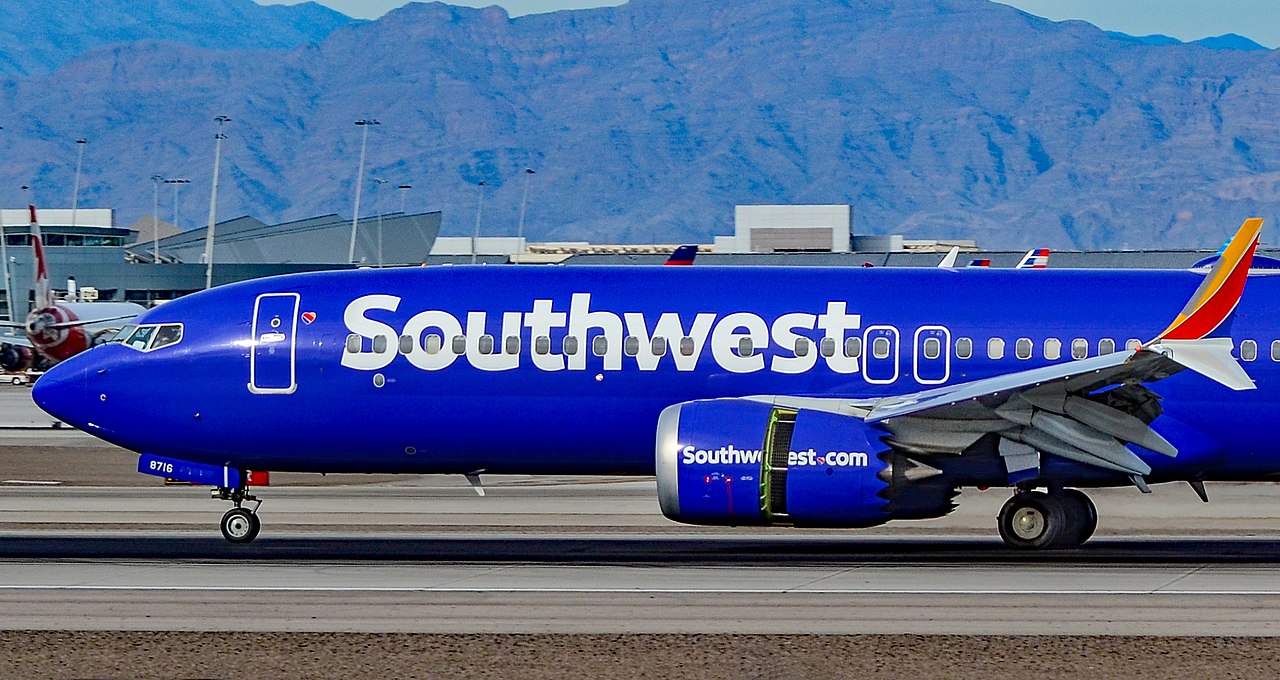
Boeing’s 737 MAX family order book now exceeds 7,200 aircraft, with more than 2,300 delivered through the end of June 2026. The MAX 7 certification represents a significant step forward for Boeing, which continues working toward approval of the larger MAX 10 variant. FAA officials have indicated they expect the MAX 10 to achieve certification before year-end, with first deliveries to customers anticipated in 2027.
While the MAX 7 certification delivers important momentum for Boeing, the approval also signals the FAA’s confidence in the company’s progress restoring manufacturing quality after years of challenges. The certification process itself demonstrates how extensively Boeing and the regulator are now scrutinizing new aircraft variants, a reflection of the lessons learned from the MAX family’s troubled history.