

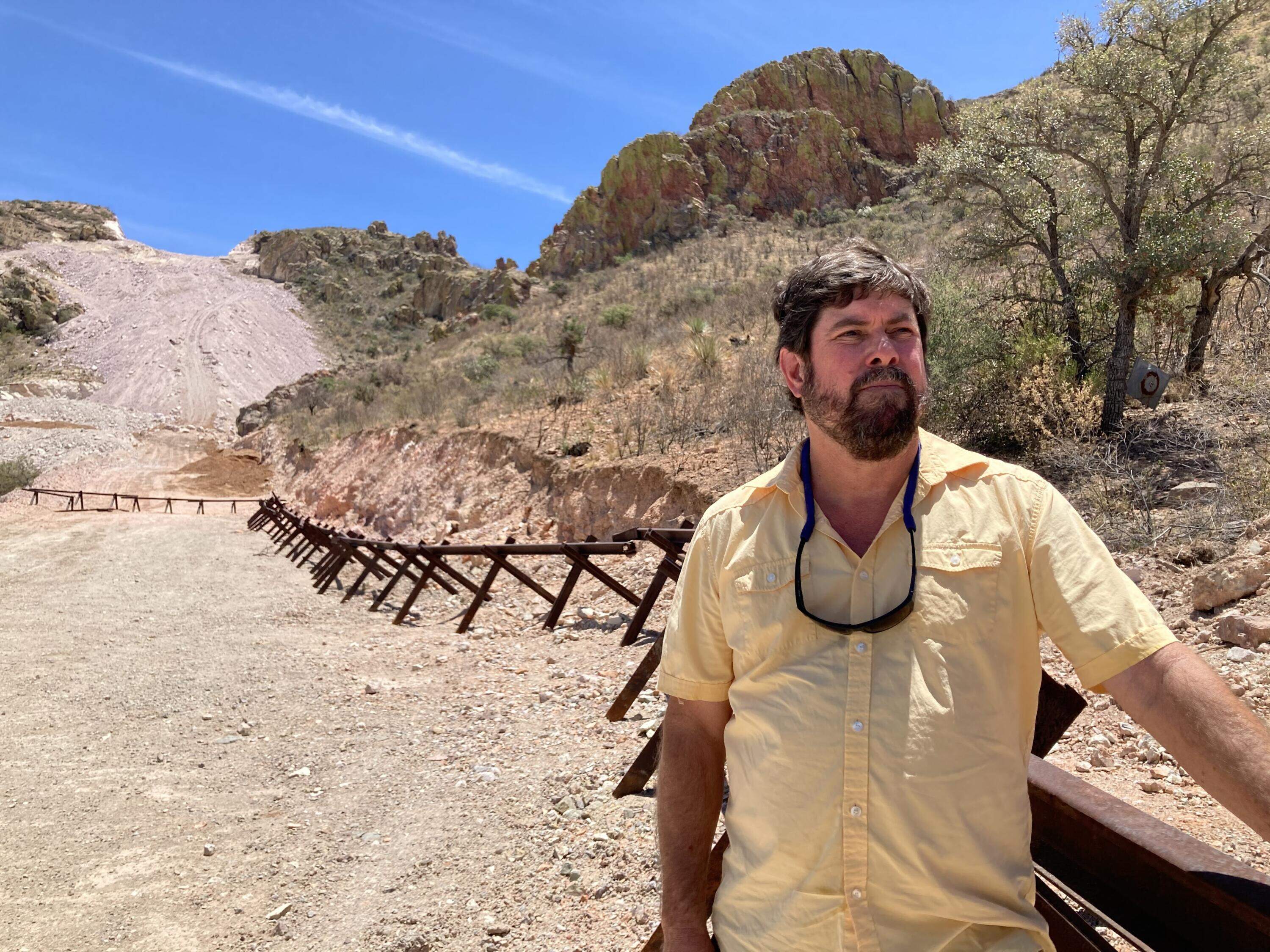
The Trump administration has ordered construction crews building a border wall in New Mexico to stop drilling water wells in a region suffering from severe drought. The dramatic reversal comes after ranchers, state officials, and politicians in the area raised alarms about the practice during the summer months.
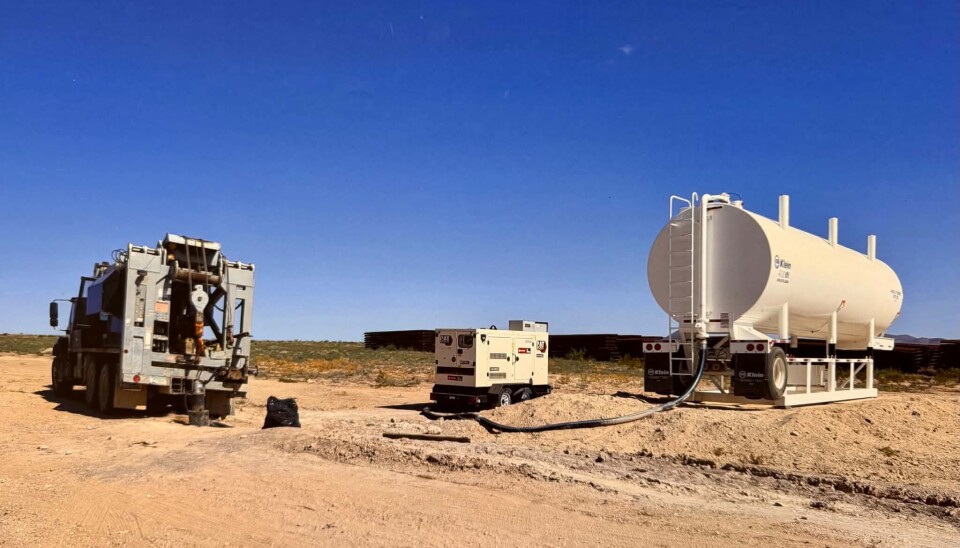
Customs and Border Protection contractors had been drilling multiple water wells along the border to obtain groundwater needed to mix concrete for wall construction, dust suppression, and road building. At least six unpermitted wells were under development along the border, according to the New Mexico Office of the State Engineer. Some of these wells were designed to pump 300 gallons per minute, creating significant concern among livestock ranchers already struggling with one of the worst droughts the region has experienced in years.
The central issue involves a fundamental dispute over federal authority. Customs and Border Protection argued in an April letter that the federal government is “immune” from New Mexico state law requiring permits to pump groundwater. State officials strongly disagreed. Nat Chakeres, general counsel for the state engineer, said water law applies to all land regardless of ownership. “In New Mexico and it’s the same in all Western states, it doesn’t matter really if you’re on federal land or land of other ownership. To drill water wells, you need permits from the state engineer,” he said.
The wells are located on federal property within a 60-foot strip of land that runs along the international boundary known as the Roosevelt Reservation. Customs and Border Protection said it applied for and received permits during Trump’s first administration, but this time proceeded without permits.
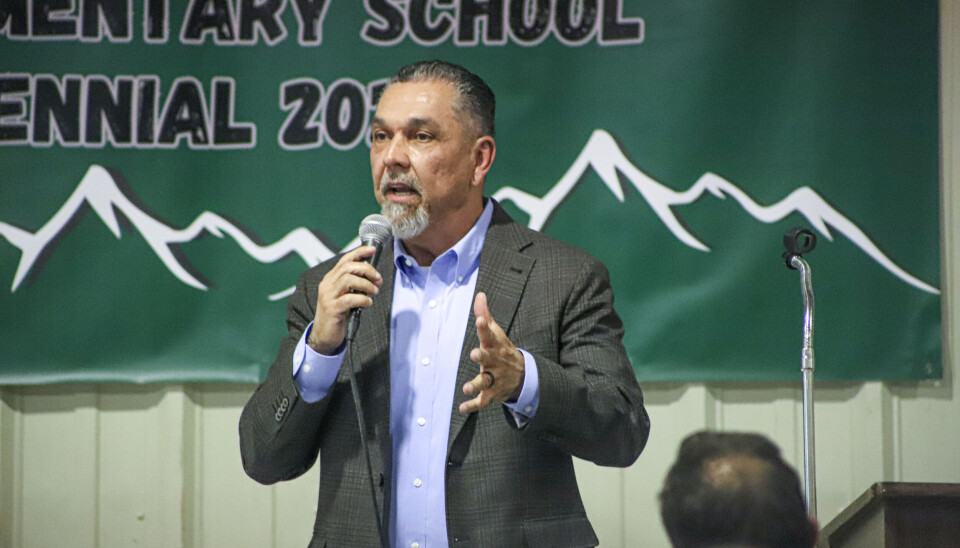
Russell Johnson, a cattle rancher whose property runs along the border and who heads the Luna County Farm and Livestock Bureau, became the public face of rancher concerns. After discovering drilling equipment on land he leases for grazing in July, Johnson learned the industrial well could pump 300 gallons per minute, compared to the three to seven gallons per minute his own wells produce. Already weakened by severe drought, his operation was forced to reduce herd size to one-third its original capacity.
Johnson raised the issue at a public meeting in July, sparking state and political attention. Despite his support for border security—he is a former Border Patrol agent—he expressed alarm about the practice. “When you have livestock, you’ve got to water, they can’t wait. You can’t haul enough water to keep them in good supply, so it becomes an immediate disaster,” he said.
The pressure from ranchers and state officials prompted action. Late in July, two Republicans claimed credit for pushing the Department of Homeland Security to halt the drilling. Congressional candidate Greg Cunningham announced that the agency had ordered contractors to stop drilling new wells and obtain water from other sources. However, state representative Jenifer Jones said she had secured the same halt through separate meetings with contractors, property owners, and Customs and Border Protection officials.
The moratorium on new drilling was announced as a positive step, yet concerns remain among ranchers and state officials. Customs and Border Protection declined to comment on whether the wells already drilled could still be pumped in the future if the agency determined water was needed. Johnson said a contractor told him the well near his ranch could eventually be pumped if construction crews needed the water.
Ranchers have pushed for decommissioning the wells entirely, capping and plugging them to state specifications to prevent any future pumping. The Office of the State Engineer has demanded that Customs and Border Protection cease drilling, cease pumping water, submit plans to plug and abandon wells, and acquire water from legal sources. As of late July, no confirmation had been received that the federal government was taking these steps.
This marks another controversy surrounding the expanded border wall construction. The Trump administration has received over $46 billion in federal funding for barriers spanning four states. Controversies have emerged in Texas and California as well, where border-town residents and environmentalists have reported construction-related problems.
Historical precedent is also relevant. During Trump’s first administration, ponds at the San Bernardino National Wildlife Refuge in Arizona dried up after crews pumped millions of gallons of water to mix cement for the wall. The wetlands are home to endangered fish. At that time, contractors purchased water from local farms, ranches, or municipalities rather than drilling new wells, meaning water extraction from basin aquifers did not increase during construction.
The current situation underscores the tension between rapid border wall construction and the water needs of rural communities already facing unprecedented drought conditions. While the drilling moratorium represents a temporary victory for ranchers and water conservation advocates, the broader dispute over federal authority to access groundwater and the status of wells already drilled remains unresolved.