

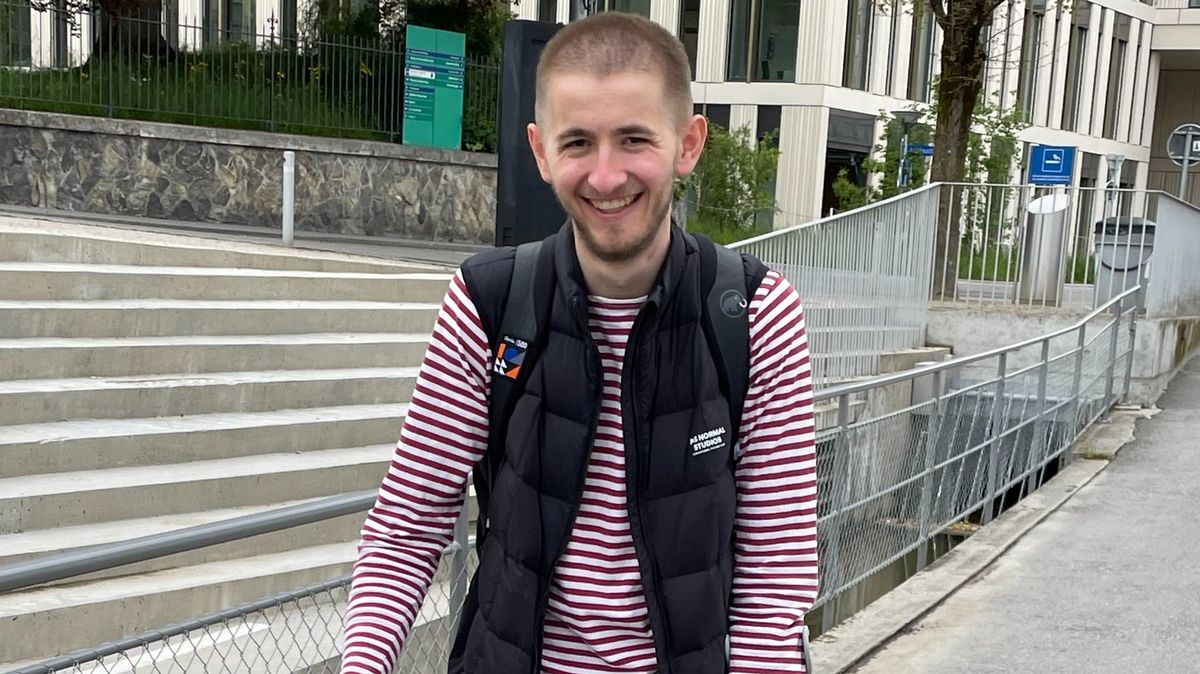
A 27-year-old man with an exceptionally rare cancer, diagnosed in fewer than one in 100,000 people, has described undergoing nuclear medicine treatment that left him isolated for days in an underground hospital ward because he was “literally radioactive”.
Ben Wagenmann, a German student based in Switzerland, first became concerned in April 2023 when he noticed a lump in his throat area after returning from a ski trip and recovering from a chest infection.
Although the infection eased within a week, the lump remained. Ben said it felt ‘uncomfortable’ when pressed, and when it still had not disappeared months later, further investigations were carried out.
By November, a 3D ultrasound scan of his neck had shown a mass behind a lymph node, and an MRI later confirmed it was a tumour measuring up to 6cm.
He was eventually diagnosed, at 25, with cervical paraganglioma in his carotid artery.

Cervical paragangliomas are typically slow-growing tumours found in the neck that arise from neuroendocrine cells. According to a US medical journal published in the National Library of Medicine, they contain many blood vessels and can press on nearby structures, leading to a painless neck lump, swallowing problems, voice changes and nerve weakness. Head and neck paragangliomas account for the majority of all paragangliomas worldwide, with an overall incidence of 0.3 to 1 per 100,000 people, making them extremely rare. They most commonly arise from the carotid body, with carotid body paragangliomas representing the most frequent type of skull base and neck paragangliomas.
Cleveland Clinic says symptoms can also include high blood pressure and headaches, though some patients have no symptoms at all.
For Ben, treatment including radionuclide therapy — radioactive drugs designed to seek out and destroy cancer cells from inside the body — managed to stop the disease from spreading further, even though it did not reduce the size of the tumours already present. Lutetium-177 is a targeted radionuclide therapy used to treat various neuroendocrine tumours, including paragangliomas, by directly delivering radiation to cancer cells while minimizing damage to healthy tissue. This type of precision medicine has become an area of active investigation for treating metastatic paragangliomas.
He now understands that the goal of treatment is to extend his life rather than cure the cancer, and he has had to face the likelihood that his life may be shorter than expected.
Ben told PA Real Life:
“For my parents, it must be awful because I cannot imagine the feeling of knowing that your kid has cancer and potentially dies before you.
“For me – as hard as it sounds – if I die, I die and I can’t really change that. But I’ll have the best time till then.”
Before his diagnosis, Ben said he had always been a ‘very active’ person, spending time cycling and skiing alongside his studies in AI and medicine.
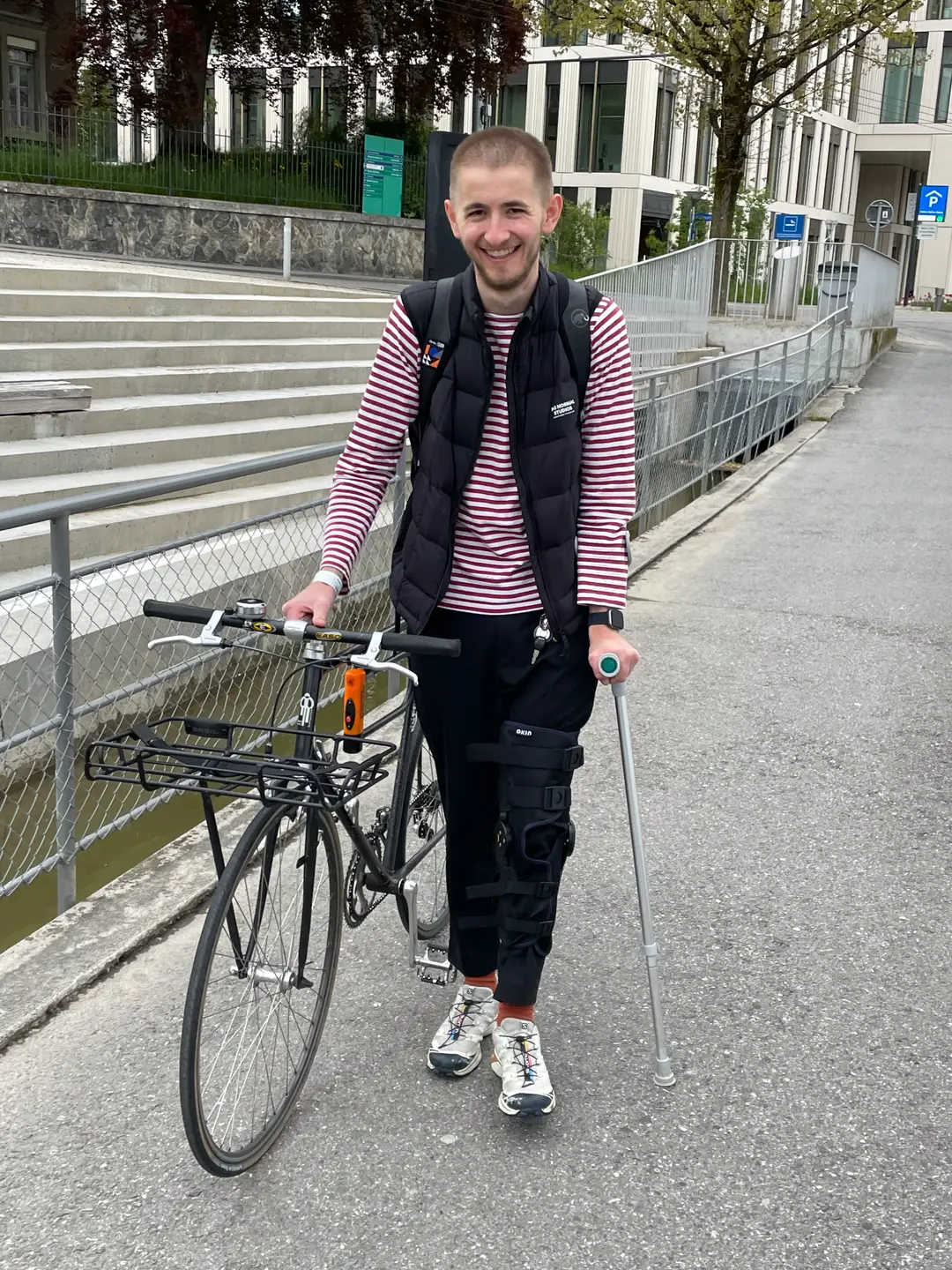
Looking back, he said the first warning sign came after that ski trip in April 2023, when the lump appeared on the side of his throat and ‘it didn’t really go away’.
Nearly two months after the chest infection cleared, and with no other symptoms lingering, Ben mentioned it to his father, who is a doctor. He was advised to try antibiotics, but the lump remained.
When scans later showed a tumour pressing against a major artery, Ben said doctors initially reassured him that it was probably a ‘pretty slow-growing tumour’ and that there was ‘nothing to worry about’ because these growths are almost ‘always benign’.
That changed shortly before Christmas, when a PET scan found around eight ‘tiny glowing bubbles’ in his spine that were ‘actually metastases’.
That was when Ben said he received his diagnosis of cervical paraganglioma, at the age of 25. While paragangliomas are typically benign slow-growing tumours, malignant paragangliomas that metastasize account for approximately 3% of all paragangliomas, making metastatic cases particularly rare and challenging.
He said:
“Everything went very quickly because this shouldn’t have been the case… it was extremely rare.”
In January, he underwent a 10-hour operation which, he said, ‘turned out to be extremely difficult’ because of the tumour’s position near a major artery. Surgical resection remains the primary treatment for localized cervical paragangliomas, though the procedure can be technically challenging due to the proximity of these tumours to critical blood vessels and cranial nerves in the neck.
For three months afterwards, he said doctors would not allow him to exercise over fears his carotid artery ‘may blow’.
During that same period, another PET scan showed the cancer had spread to his bones, including areas throughout his spine, ribs and hip.
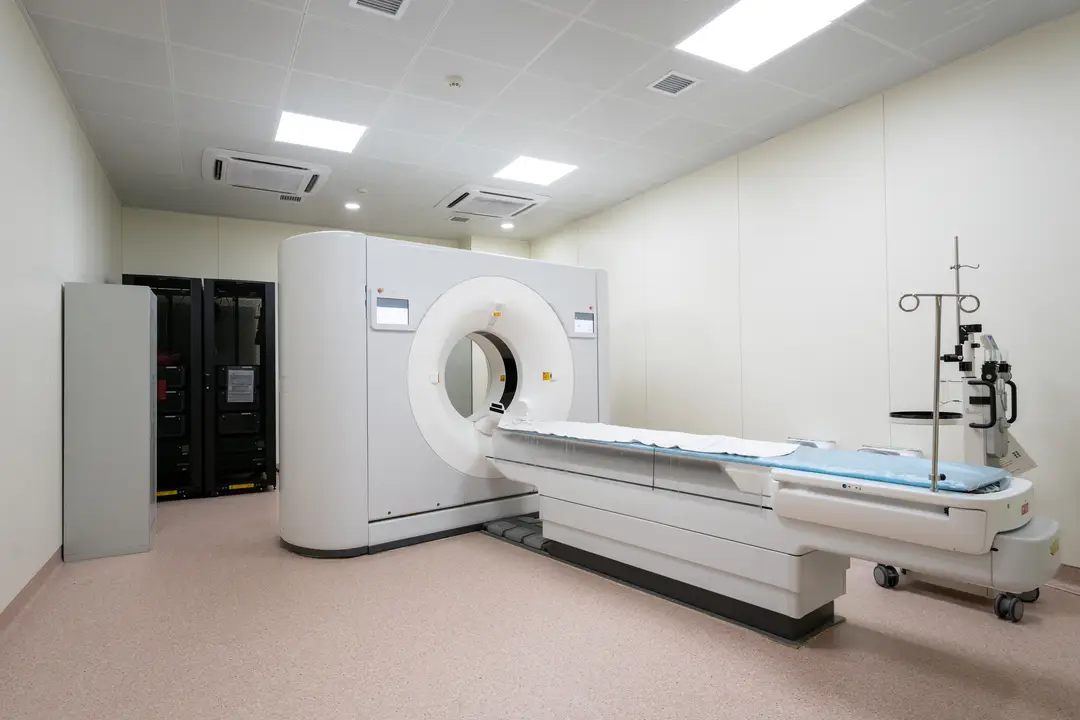
Because of how uncommon the cancer is, Ben said doctors were unsure about the best next step, explaining there was ‘no clear guidelines’ for treatment. A decision was eventually made for him to have radionuclide therapy at a hospital in Aachen, in western Germany, around six hours from his home in Bern.
Beginning in summer 2024, he received six cycles of lutetium, a radioactive compound, delivered by injection while staying in an underground isolation ward. Multiple agents, including lutetium-177-DOTATATE, are currently under investigation for treating paragangliomas as part of emerging systemic therapy options for metastatic disease.
Ben said:
“You’re not allowed to be near anyone because you’re literally radioactive.
“I was so radioactive that there was no shower in the hospital room because every bit of water that I would either digest or touch would be contaminated with radiation.
“It’s a weird feeling, especially because you’re alone, but I watched a lot of shows, read books, listened to podcasts and called friends and family.
“Then when you get home, there’s a one-week period where you aren’t allowed to hug anyone or sleep in the same bed, or be close to pregnant people or children, because you’re still radioactive.”
After the third treatment cycle, scans showed the cancer had not reduced in size, but it had stopped progressing.
Ben said:
“It is still a win in my situation because as long as it doesn’t grow, I’m good in a way.”
Since completing the six radionuclide sessions, he has also undergone two other forms of radiotherapy. He said those treatments sometimes came with ‘really annoying’ side effects, including a period when his oesophagus became ‘inflamed’ for several weeks.
He said:
“Whatever you do, you’re just in pain – eating hurts, drinking hurts, speaking hurts, doing nothing hurts.”
Because the disease is so rare and its spread is difficult to predict, doctors have told Ben that the cancer is incurable. He also said they have not been able to give him a precise prognosis at his regular hospital appointments, which usually happen at least once a month. This reflects the challenges clinicians face with metastatic paragangliomas, where treatment options remain limited and outcomes are difficult to predict due to the rarity of the disease.
He said:
“Every time you get the (scans), there’s always the question: Is it staying the same or does it get worse?”

Even so, Ben is trying to remain as active as possible despite experiencing ‘pain pretty consistently’, particularly in his back and legs. He manages it with pain medication and regular physiotherapy.
He has completed the Bern Grand Prix, a 16km race through the Swiss capital, in each of the last two years. He also hopes to cycle roughly 700km from Copenhagen to Oslo to see a friend, although fitting it around treatment and appointments remains uncertain.
Ben said:
“I want to show the world that you can do all these things even when you’re sick.”
“I really deny cancer (the ability) to take away my day-to-day life,” he added.
If you’ve been affected by any of these issues and want to speak to someone in confidence, contact the American Cancer Society on 1-800-227-2345 or via their live chat feature, available 24/7 every day of the year.