

Warning: This article contains discussion of eating disorders which some readers may find distressing.
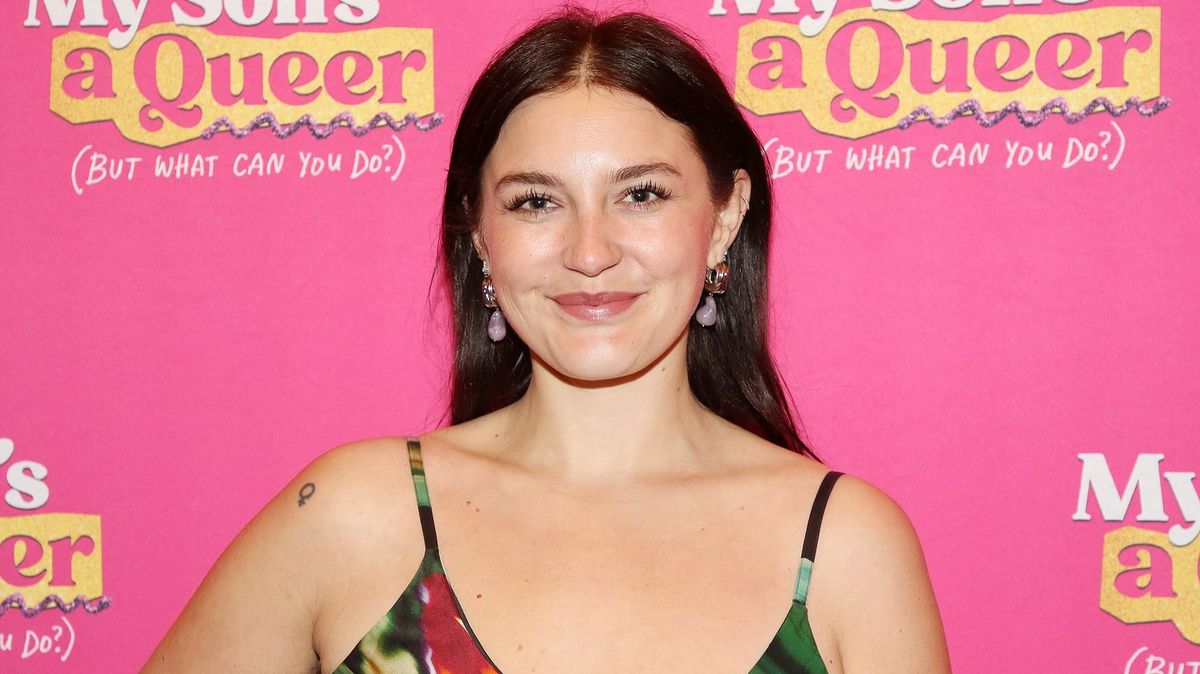
Gracie McGraw has shared a candid account of her experience with Ozempic, saying the medication ultimately led to the return of her eating disorder.
The 29-year-old, who is the eldest daughter of Tim McGraw and Faith Hill, reflected on taking the GLP-1 drug for three years in a series of Instagram stories shared on August 3, 2026, where she also spoke about the pressures of “skinny culture.”
Ozempic is primarily prescribed for people with type 2 diabetes to help manage blood sugar, but it has also become widely known for its use in weight loss.
Gracie said she started the medication after developing polyendocrine metabolic ovarian syndrome (PMOS), formerly known as PCOS. According to Cleveland Clinic, the condition is linked to a hormonal imbalance caused by the ovaries producing excess hormones, and symptoms can include irregular periods, acne, excess hair growth and infertility. PMOS is the most common endocrine disorder affecting women, impacting approximately one in eight women worldwide.
“At that time, I thought it was the best decision I ever made because I finally lost weight and got skinny,” she said, describing how people ‘looked at her differently’. Gracie also told her followers that she ‘had more opportunities than ever in her life,’ when she lost weight.
“Yes, it f*****g worked and made my PCOS symptoms easier to control, but it also brought back my ED [eating disorder] and negative views on my body.”
“All of a sudden skinny culture is back I realized, ‘Holy crap, I have been feeding into my eating disorder this whole time under the guise of this miracle shot,'” she said.
“I think it was probably one of the worst things I’ve ever done for myself, looking back,” Gracie added.
Health experts have raised concerns about GLP-1 medications and their potential impact on those with eating disorder histories. Research indicates that these drugs may trigger or worsen restrictive eating patterns, obsessive body image issues, and anxiety around food for people with a history of anorexia nervosa, bulimia, or binge eating disorder, though additional research is still needed to fully understand the connection.
She has since confirmed that she is no longer taking Ozempic. According to her Instagram posts, she eventually switched to Mounjaro, another GLP-1 medication, while also incorporating exercise into her health routine. In her posts, Gracie said the experience had permanently altered her “internal system” and explained that, while she was “way too skinny” at the time, the culture around her made it difficult to recognize it.
She ended by reassuring followers that she is “doing good” now, though she admitted body image remains something she continues to navigate and care deeply about.
“We are here for each other,” she said.
Gracie was born on May 5, 1997, a year after McGraw and Hill married in 1996.

The couple welcomed their second daughter, Maggie, on August 12, 1998, and their youngest daughter, Audrey, on December 6, 2001.
All three daughters have shown musical ability, following in their parents’ footsteps. In May 2025, they joined their father on stage in Nashville at Music City Rodeo, and he has previously said he hopes the whole family will one day record a song together.
Speaking to PEOPLE about their daughters’ growing up, McGraw said:
“It’s inspiring to me to watch them go out on their own and do the things they do.
“We’ve raised three strong, independent, strong-minded young women,” he added, saying that he’s grateful for how ‘normal and grounded’ his children were.
In her Instagram stories, Gracie also opened up about years of cruel comments about her appearance, saying she had been “called fat and ugly my entire life,” while magazines suggested she ” must have different genes than my sisters and parents”.
If you have been affected by any of the issues in this article and wish to speak to someone, contact National Association of Anorexia Nervosa and Associated Disorders (ANAD). You can reach them on their free hotline at 1(888)-375-7767, which is open Monday-Friday, 9am-9pm CST. You can also text “NEDA” to 741741 to reach the National Eating Disorders Association.