

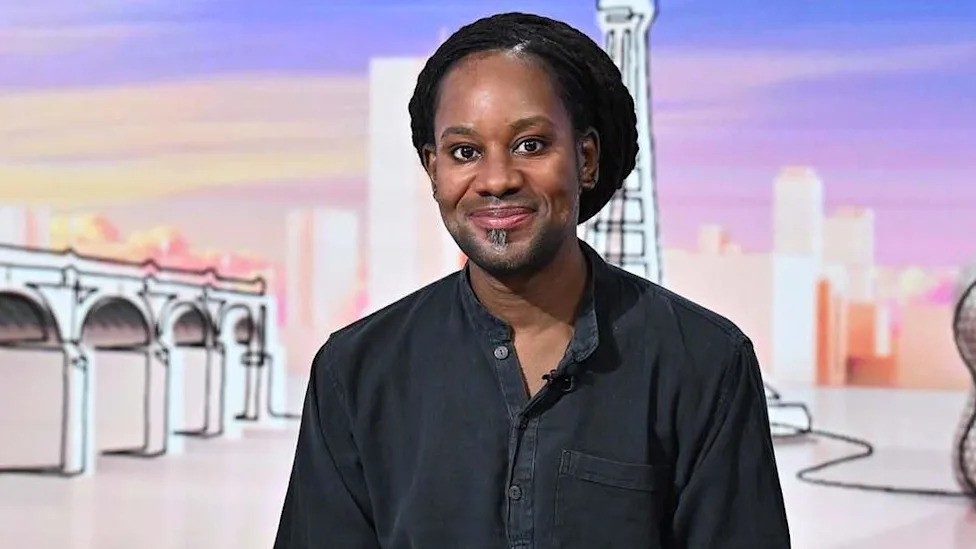
Jason Arday, Cambridge University’s youngest Black professor, resigned from his position on Wednesday following the university’s announcement that it would launch an investigation into allegations of plagiarism in his doctoral dissertation and questions about his stated academic credentials.
The resignation came just hours after Cambridge announced it had begun an investigation into Arday’s “academic qualifications and honorary appointments” following what the university described as “new information.” The 41-year-old professor of sociology stepped down from both the university and Jesus College, where he held a fellowship.
In a statement released through the Good Law Project, Arday said he had concluded that resigning was “the only way to bring this chapter to an end,” while insisting the move should not be interpreted as “an acceptance of the narratives that have surrounded me.” He acknowledged facing “an unrelenting level of public scrutiny and personal attack” and that the “relentless accusations” had taken a “profound toll” on him.
Arday’s fall from prominence marks a dramatic reversal for a scholar who had been celebrated as a symbol of diversity and inclusion in elite academia. When Cambridge appointed him to a full professorship in 2023 at age 37, he became the university’s youngest Black professor in its nearly thousand-year history. Local and national media covered the appointment extensively, highlighting his remarkable personal journey from a child who did not speak until age eleven and did not learn to read until age eighteen to earning a doctorate and reaching one of Britain’s most prestigious academic institutions.
The controversy intensified in July 2026 when Nathan Cofnas, a former Cambridge fellow and philosopher now at the University of Ghent, published a detailed Substack post alleging extensive plagiarism in Arday’s work. Using plagiarism detection software, Cofnas claimed to have found over 30 instances of substantial overlap between Arday’s PhD dissertation and a previously published dissertation by Paula Zwozdiak-Myers, a student at Brunel University, with many passages appearing as verbatim copying. The Telegraph subsequently reported finding over 100 passages in Arday’s thesis that were identical or nearly identical to Zwozdiak-Myers’s 2009 thesis.
Concerns about Arday’s work had surfaced earlier. In 2023, David Harris, a Professor Emeritus at Plymouth Marjon University, alerted Cambridge and Liverpool John Moores University—which awarded Arday his PhD in 2016—about plagiarism he perceived in Arday’s doctoral thesis and published articles. Two of Arday’s papers were subsequently corrected following these complaints, with editors adding new citations to clarify sourcing.
The plagiarism allegations had been delayed from reaching public attention. In September 2025, Times Higher Education was preparing to publish a 63-page investigation into the accusations, but the publication spiked the story after Arday’s legal representatives at Carter-Ruck, a prominent defamation firm, sent a letter to the outlet. The story remained suppressed for ten months before Cofnas went public with his findings in July.
Both Cambridge and Liverpool John Moores initially defended Arday robustly. In June, Cambridge called the plagiarism allegations “a vile campaign to undermine his credibility” and insisted that investigations had already examined and dismissed the claims. Liverpool John Moores concluded its review by stating it found no evidence of plagiarism. However, as questions escalated and media investigations deepened, the universities’ positions shifted.
Beyond plagiarism allegations, scrutiny extended to Arday’s biographical claims. Investigations revealed discrepancies in his stated accomplishments. His Cambridge and Jesus College biographies listed him as a visiting professor at Ohio State University’s Office of Diversity and Inclusion, but Ohio State responded that it had “no record of an employee by that name.” That office had also closed in 2025. Similarly, his profile claimed he was a visiting professor at the University of Glasgow, but the university stated he had never held such a position, having left Glasgow in 2023 when he moved to Cambridge as a full professor.
Arday’s account of his fundraising activities also drew scrutiny. He claimed to have raised over £5 million for charity over two decades, but archival records of a 2010 JustGiving page, when he ran marathons for charity, showed he had raised only £6,285. Regarding his claim to have run 600 miles on a treadmill in six days, Arday later clarified to the Guardian that he had actually completed it over twelve days, citing the need for rest days due to “cumulative wear and tear of training.” Two universities that awarded him honorary degrees subsequently corrected their online biographies to reflect the twelve-day timeframe rather than six days.
Arday also made other claims that proved difficult to verify. He claimed in a 2022 interview to have been part of the British documentary series “Seven Up,” which followed the same 14 children beginning in 1964. However, Arday was born in 1985, making his participation in a series that began two decades earlier chronologically impossible.
In interviews, Arday acknowledged errors in his academic work but maintained he was not guilty of deliberate plagiarism. He pointed to his autism diagnosis and limited supervision during his PhD as contributing factors. Regarding questions about his biographical claims, he said: “I can’t make people believe me. Nobody lives their life having a receipt for every single thing they say or they’ve done.”
Arday and his supporters, including signatories to an open letter exceeding 10,000 names, argued that his accusers were politically motivated and that the scrutiny represented a form of racial targeting. Cofnas is known for scholarly positions on racial differences in intelligence that many academics consider scientifically unsound. Harris, the first academic to raise concerns, faced temporary removal of his emeritus title following a post on critical race theory, though it was later restored.
Cambridge University did not specify what “new information” prompted its shift from defending Arday to launching the investigation. Jesus College separately announced it would conduct its own inquiry. The investigations will examine his academic credentials, honorary appointments, and ongoing complaints about academic misconduct.
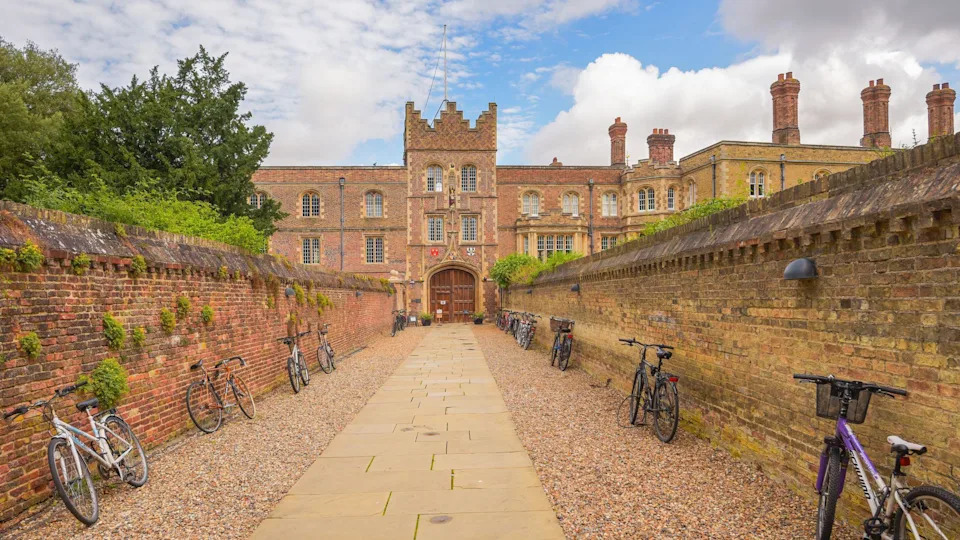
With Arday’s resignation, the question of what the formal investigation would have concluded remains unanswered. His departure from Cambridge comes amid broader concerns about how universities handle plagiarism allegations and the institutional mechanisms—or lack thereof—for examining such claims thoroughly and promptly.