

All nine skiers killed in an avalanche near Lake Tahoe in February died of suffocation after being buried under five to six feet of snow, according to coroner reports released this week. The grim finding comes as the Nevada County Sheriff’s Office closed its criminal investigation into the disaster and handed its findings to county prosecutors for review.
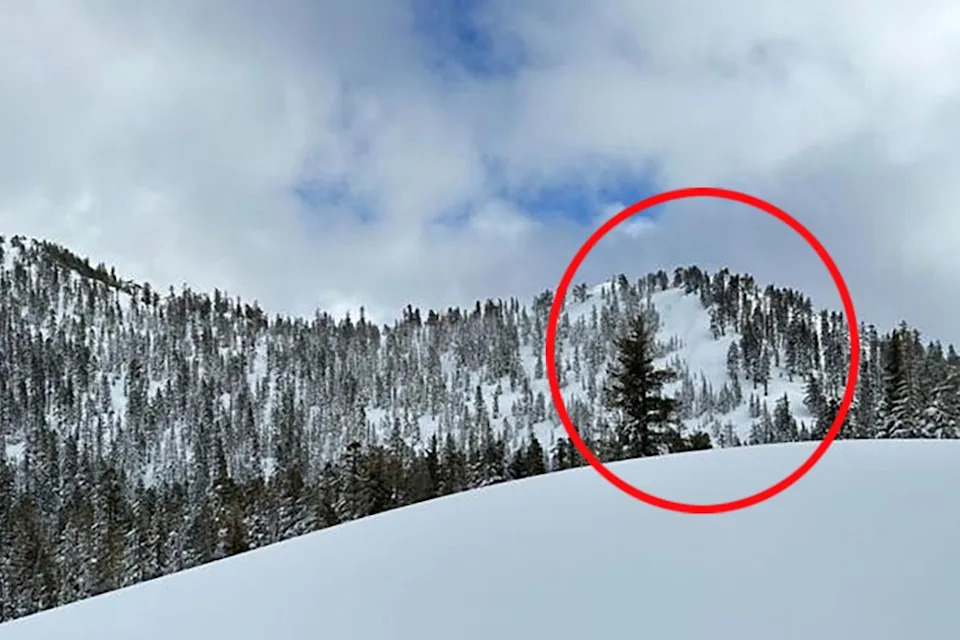
The avalanche struck on February 17 during a ferocious blizzard in the Castle Peak area near Frog Lake, about 10 miles north of Lake Tahoe. A group of 15 backcountry skiers—six clients and three guides with Blackbird Mountain Guides, along with five others from a different company—were attempting to return to the trailhead after a three-day trip when a wall of snow roughly 100 feet wide broke loose and raced about 400 feet down the mountainside. The massive snow slab buried all but three members of the group.
The victims, buried in a concentrated area about 20 by 20 feet near the bottom of the avalanche debris, were compressed under tremendous weight of snow. Coroner reports obtained this week confirmed that all nine died from asphyxiation due to snow burial. The reports were partially redacted, with sections describing the condition of the bodies blacked out, leaving questions about whether victims suffered injuries from the impact before being buried or whether any had other contributing factors to their deaths.
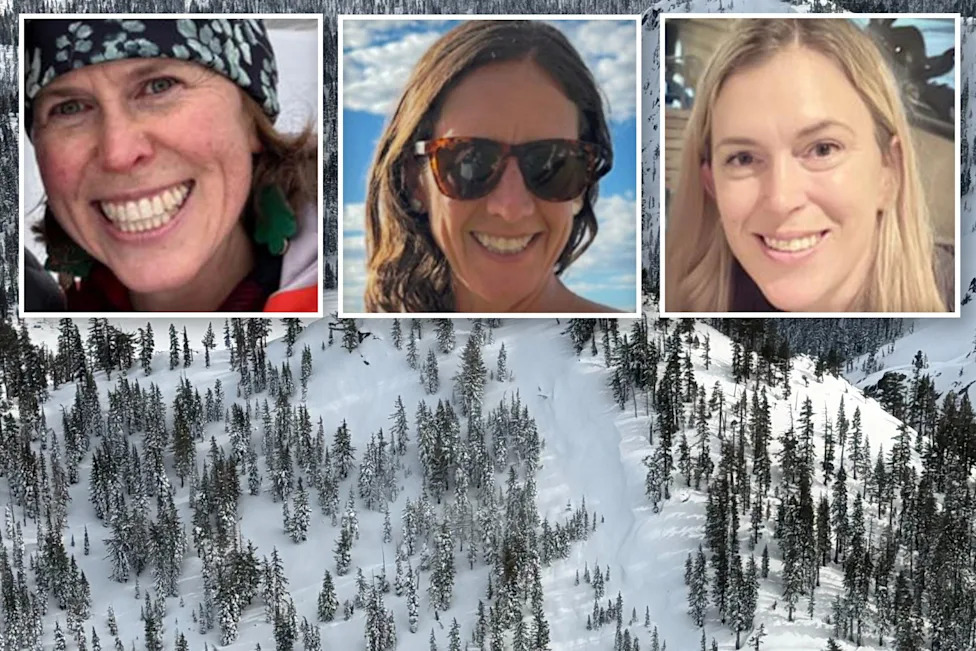
The catastrophe marked the deadliest avalanche in the United States since 1981. The victims included six women from the Bay Area who were close friends—Carrie Atkin, 46, of Soda Springs; Danielle Keatley, 44, of Soda Springs and Larkspur; Kate Morse, 45, of Soda Springs and Tiburon; Caroline Sekar, 45, of Soda Springs and San Francisco; Katherine Vitt, 43, of Greenbrae; and Lizbeth Clabaugh, 52, of Boise, Idaho. The three professional guides from Blackbird Mountain Guides who died were Andrew Alissandratos, 34, of Verdi, Nevada; Nicole Choo, 42, of South Lake Tahoe; and Michael Henry, 30, of Tampa, Florida.
The avalanche unfolded swiftly. Authorities received word of the incident at about 11:30 a.m. On February 17. Survivors dug frantically through the debris and managed to rescue four companions before deciding they could no longer reach the others. As the blizzard intensified with whiteout conditions, the survivors shifted focus to keeping themselves and two injured skiers alive while sheltering in place.
The first search-and-rescue crews did not arrive until around 5:36 p.m., arriving hours after the emergency call was placed. In brutal conditions, rescuers excavated eight of the nine bodies that evening, working into darkness amid intense snowfall. The survivors were evacuated back to the Frog Lake Huts. The blizzard then prevented further recovery efforts for two days. On February 20, teams returned to the avalanche site and recovered eight bodies and located the ninth victim. All nine were airlifted to Frog Lake Huts and then transported by snowcat to a mortuary in Truckee for examination and identification.
The timing of the avalanche proved particularly controversial. On the day of the disaster, snow forecasters had issued dire warnings telling backcountry travelers to stay out of the mountains due to extreme avalanche danger. An avalanche watch had been issued on Sunday, February 15, and by early morning on February 17—the day of the incident—the warning was escalated to indicate “HIGH avalanche danger” with large avalanches expected across backcountry terrain. Despite these explicit warnings, the Blackbird group traveled and ventured toward Perry’s Peak, a slope loaded with unstable snow from the intense winter storm.
A preliminary investigation by the Sierra Avalanche Center found that the group violated avalanche protocols during their descent. The report noted that the 15 backcountry skiers were traveling in a tightly packed line through avalanche terrain when best practices called for exposing only one person at a time. The center’s analysis of past accidents indicated that larger groups with four or more people have higher chances of being caught in avalanches.
Blackbird Mountain Guides responded to the critical findings by stating that an investigation is ongoing and that the report “does not reflect the full scope of what transpired and does not include all of the facts and information currently under review.” The company said it is “cooperating fully with authorities and will share more when it is appropriate and based on verified and confirmed findings.”
The sheriff’s investigation examined whether criminal negligence played a role in the tragedy. Now that the investigation has concluded and been sent to the county prosecutor, the next step involves prosecutorial review to determine whether any criminal charges might be appropriate. Officials have cautioned that such a review does not necessarily result in charges being filed.