

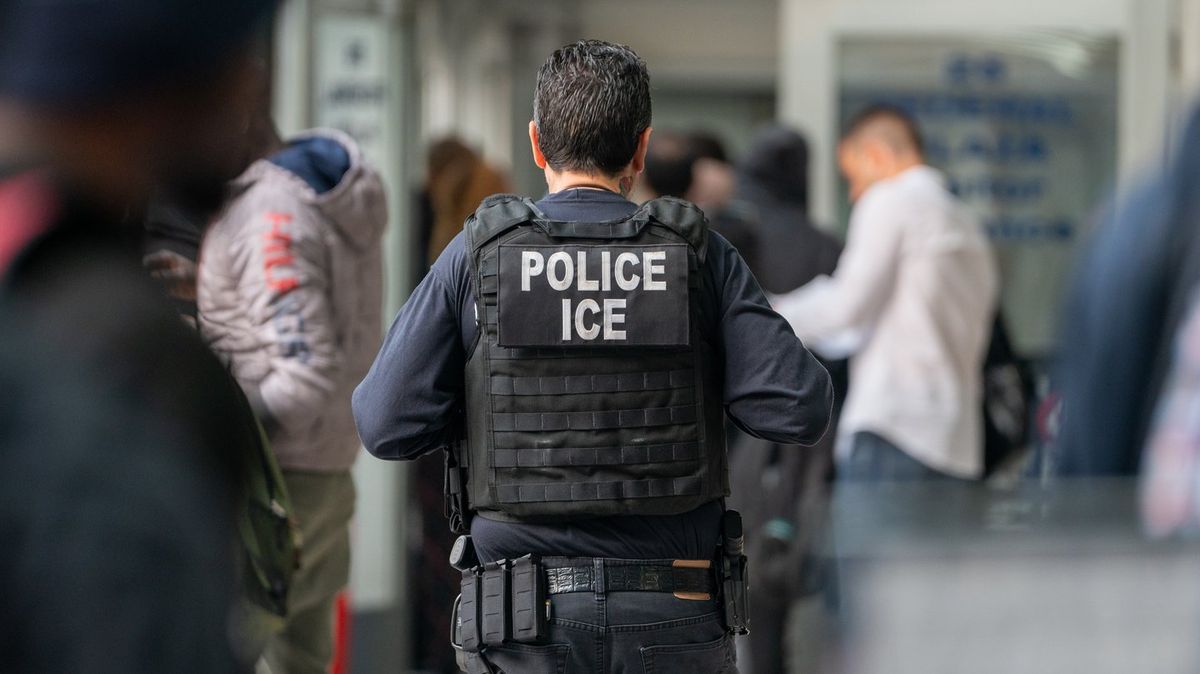
Every ICE field officer is set to receive a body camera, with the devices expected to be in use agency-wide by the end of next month.
The move, first detailed by the outlet on Friday, August 8, comes after mounting scrutiny following several fatal encounters involving agents and civilians this year.
At the same time, one part of the policy is drawing particular concern: ICE’s director can hold footage from public release for as long as they choose if making it available is not considered to benefit the agency.
Opponents argue that provision could seriously undermine the transparency the cameras are meant to provide. On Saturday, ICE Acting Director David J. Venturella responded to the criticism, saying the agency “mischaracterized” the policy. He argued that the provision specifically governs expedited release decisions in the 72 hours following serious injuries or deaths, not a blanket restriction on the agency’s authority to release footage, and said the approach mirrors other federal law enforcement agencies and complies with the Freedom of Information Act and Privacy Act.
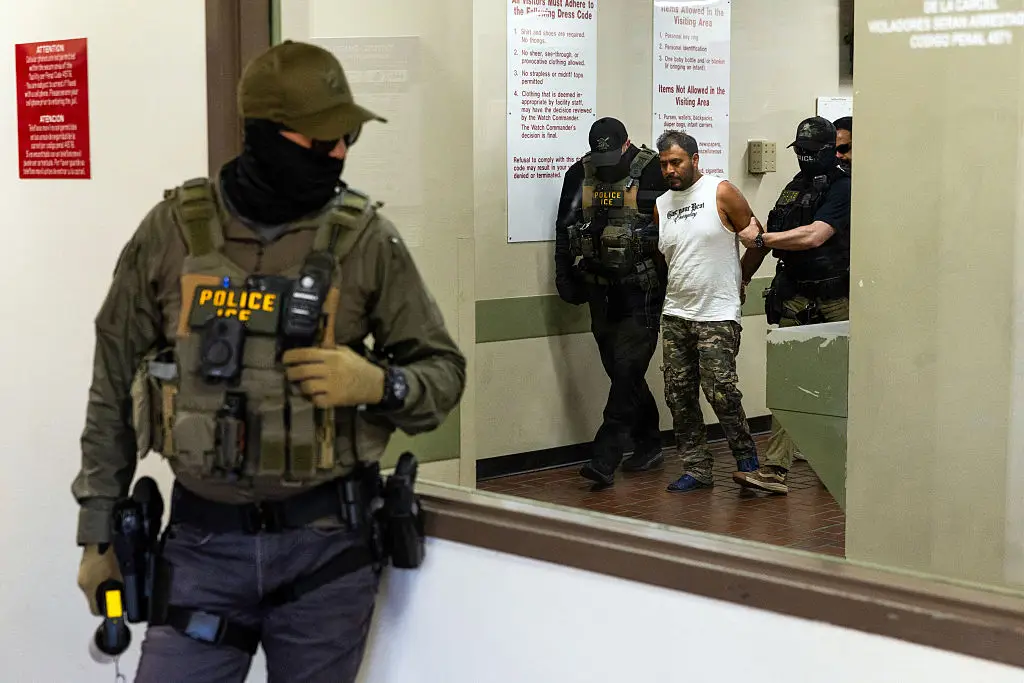
Although a directive ordering officers to wear cameras was signed in February 2025, implementation was delayed after funding became tied up during this year’s partial government shutdown.
Border czar Tom Homan said last month that the timeline had shifted and that officers would now need to have at least one camera recording during vehicle stops.
In July 2026, ICE agents fatally shot two men in what appeared to be escalated traffic encounters. On July 7, an agent shot and killed Lorenzo Salgado Araujo, a 52-year-old Houston homebuilder, and days later on July 13, another agent fatally shot Johan Sebastian Durán Guerrero, a 26-year-old Colombian national in Biddeford, Maine. The officer in the Maine incident had a documented history of violent behavior. Neither shooting was recorded with body cameras. These incidents paralleled a deadly traffic-stop shooting in Illinois last September. Federal agencies claimed both drivers attempted to run over law enforcement and weaponized their vehicles, though those claims have drawn scrutiny.
Acting ICE director David Venturella has presented the expansion as an accountability measure aimed at improving public confidence in the agency.
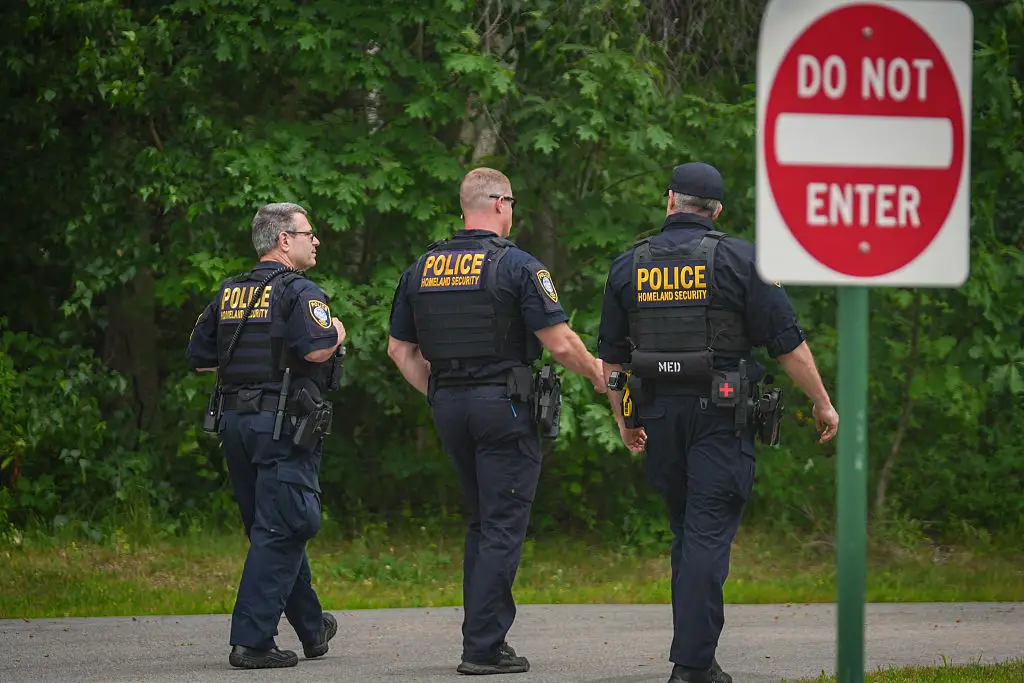
But the policy does not promise that footage will automatically be released. Instead, after a shooting or another major use-of-force event, a group of senior ICE officials and agency lawyers reviews the video and advises whether it should be made public.
That recommendation is not binding. The director keeps the ultimate authority and can prevent or postpone disclosure without a deadline if they believe ‘specific and compelling circumstances’ warrant doing so.
Christopher Schneider, a sociology professor at Brandon University and co-author of Police Body-Worn Cameras: Media and the New Discourse of Police Reform, said the policy is unusually explicit in how it frames that power. He said it leaves room for damaging footage to be withheld while videos that reflect well on law enforcement are the ones that get released.
He said: “In some ways, ICE is saying the quiet part out loud,” he said. “Body-worn cameras are being used as contemporary image-work tools to present the police to the public in the most favorable way possible.”
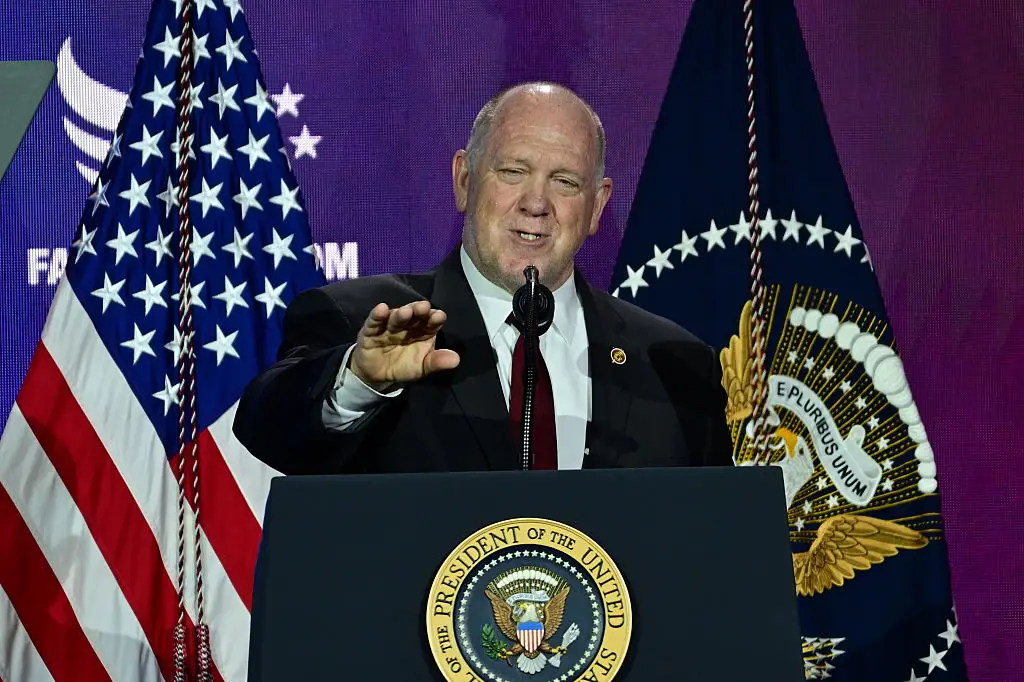
An earlier pilot version of the body-camera program was also delayed after funding was cut, according to previous reporting. In January 2026, in separate incidents in Minneapolis as part of Operation Metro Surge, it was footage captured by civilians on cellphones, rather than ICE video, that enabled the families of Renee Good and Alex Pretti to challenge the agency’s account of what happened. Good, a 37-year-old mother of three, was shot on January 7 during a traffic stop. Pretti, a 37-year-old intensive care nurse, was shot and killed on January 24 during a protest against the ICE operation. Neither incident produced ICE body-camera footage.
Speaking on Fox & Friends last month, Homan argued the cameras would ultimately work in officers’ favor.
“They exonerate more law enforcement than they convict, and I want officers to wear body cameras because I want the American people to see what the officers saw when they took that action,” he said.
The agency has been contacted for comment.