

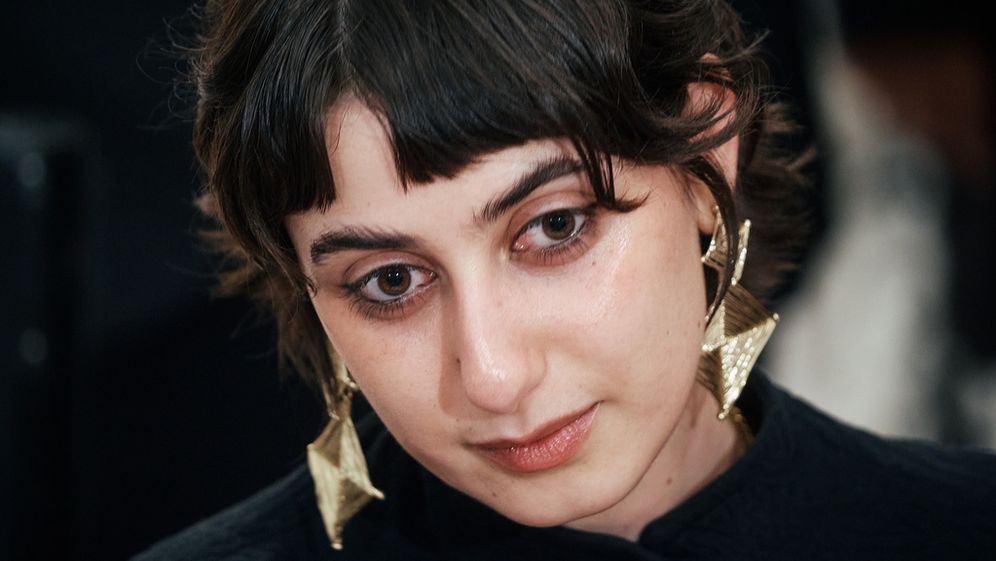
Mayor Zohran Mamdani blamed a “miscommunication” Tuesday after an embarrassing public clash between City Hall and the NYPD over whether police would provide security for his wife Rama Duwaji’s upcoming trip to Syria and Lebanon, a stunning rupture that revealed sharp disagreements between the mayor’s office and the police department.
The confusion erupted when Mamdani’s spokeswoman Dora Pekec said Monday that Duwaji would be accompanied by NYPD officers on the trip beginning September 20, claiming the security detail came “upon the strong recommendation of the NYPD.” Hours later, the police department flatly denied the assertion.
“The NYPD does not send officers to countries with level four travel advisories for discretionary reasons not linked to investigative work,” an NYPD spokesperson said. “This is not an investigative trip, and therefore, NYPD personnel will not be traveling there for it.”
The public contradiction between City Hall and the NYPD appeared to catch many off guard, not least Mamdani himself. When asked about the clash later Tuesday, the mayor tried to contain the fallout by attributing the problem to his own staff. “There was a miscommunication,” he told local television station PIX11. “She has not yet taken that trip and when she takes that trip it will be without any NYPD detail.”
The dispute centered on Duwaji’s planned visit to two countries on the U.S. State Department’s “Do Not Travel” list due to security concerns. Sources indicated Duwaji specifically requested the police protection after traveling abroad the previous month without an NYPD escort. A source familiar with the security arrangements emphasized that the trip was personal, not official business.
“It’s not official business. It’s not doing anything for the city,” a source with knowledge of the trip said.
Duwaji, 29, is a Syrian-American artist born in Houston to parents from Damascus. Mamdani has repeatedly described her as a “private person,” noting she holds no formal position in City Hall. The mayor’s characterization raised questions about why taxpayer-funded police protection would be considered for a personal family visit to conflict zones.
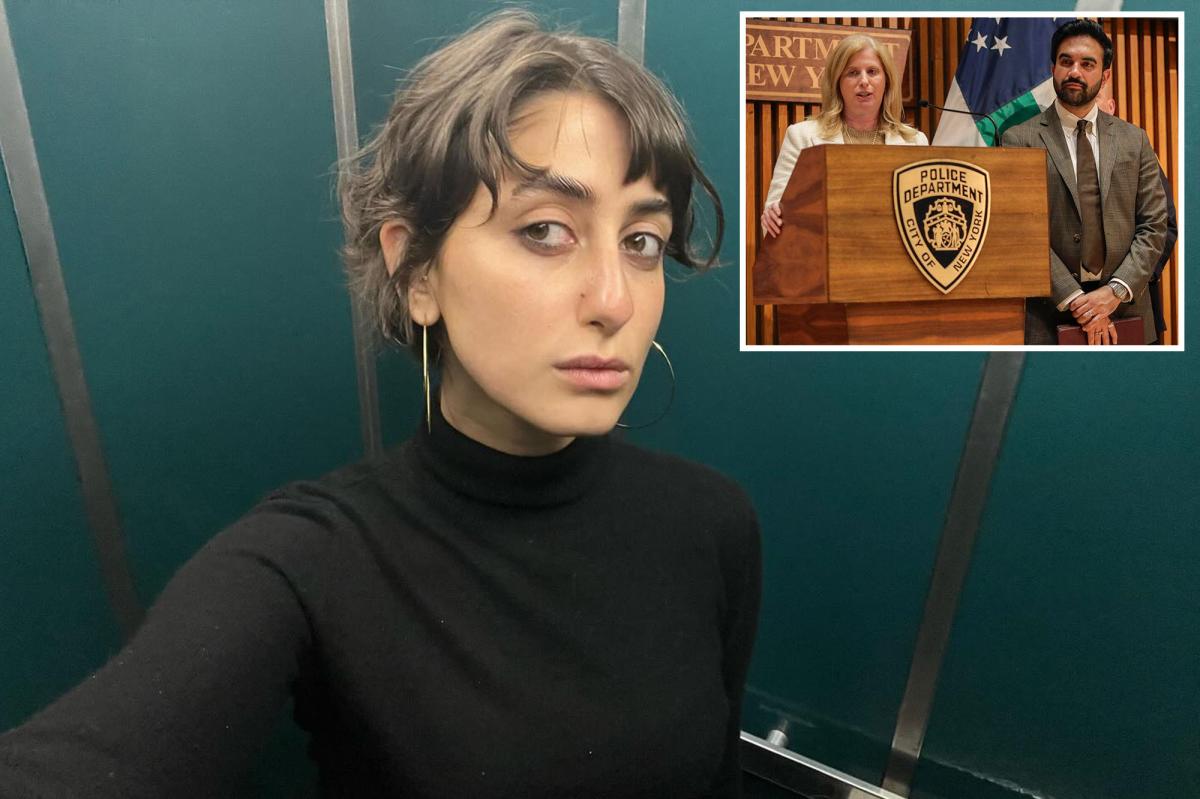
The dispute highlighted a broader tension between Mamdani and Police Commissioner Jessica Tisch, who oversees the NYPD. The commissioner, a moderate pro-Israel figure, has not shied away from publicly disagreeing with the mayor on policing matters. Within days of Mamdani taking office in January, Tisch angrily confronted him at City Hall over his handling of police shootings. She has also broken with him on other public safety issues, such as when the mayor characterized a crowd of people hitting police officers with snow as a “snowball fight that got out of hand.”
Despite these differences, the pair have worked together on crime reduction. Both have appeared together publicly to tout significant decreases in violent crime under Tisch’s leadership. Yet the NYPD’s blunt public refusal to send officers to Syria and Lebanon made clear the department’s limits, even when directed by the mayor’s office.
Former Police Commissioner Bill Bratton weighed in on the controversy, calling such an assignment “ill-advised.” He noted it would be expensive and require substantial assistance from the federal government. “There would be lots of hoops you’d have to go through for that kind of assignment,” Bratton said, adding the move would “definitely” put police officers at risk in war zones.
David Catalfamo, who served as communications director for former Governor George Pataki, said the mishap revealed a management problem. “The NYPD wants to be there to protect the mayor and his family — but there are limits. Going to Syria and Lebanon is not like buying a ticket on Amtrak,” Catalfamo said. He added that Mamdani should tighten communication protocols with the police department in the future.
Pro-Israel activist Dov Hikind, founder of Americans Against Antisemitism and a former New York state assemblyman, criticized the reported plan to send officers. “We’re putting the police officers in danger. They’ll be viewed as the bad guys. These are war zones,” Hikind said.
The controversy remains notable for how it exposed the limits of mayoral authority over the police department. No one in Mamdani’s office clarified which NYPD official recommended the security detail that Pekec cited, or whether any such recommendation actually occurred. The NYPD’s swift, public denial suggested either that the department’s recommendation never happened or that it was being misrepresented.
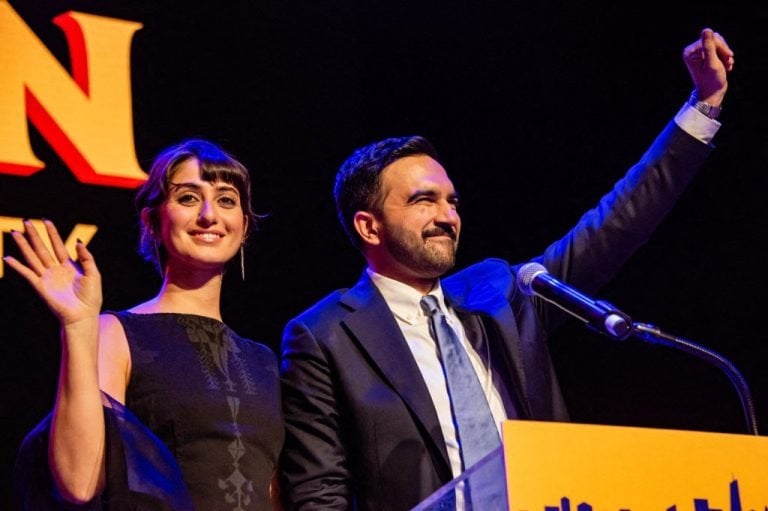
Duwaji has made headlines beyond security issues. In July, she co-hosted a pro-Palestinian spiritual retreat on the French island of Corsica and served as artist-in-residence at a workshop in Mallorca, Spain, traveling without police protection despite her role as first lady.
As an illustrator and animator, Duwaji has built a career exploring themes of diaspora, identity, and cultural resistance. Her work has been featured by outlets including The New Yorker and the outlet, and her pieces often draw from her experiences as a member of the Syrian diaspora.
The September trip falls during the 81st United Nations General Assembly, when NYPD resources are already stretched thin, a timing that may have contributed to the department’s firm stance on the matter.