


Emergency rooms across the United States are seeing a dramatic spike in cases of cannabis hyperemesis syndrome, a debilitating and sometimes brutal condition known colloquially as “scromiting” that strikes some heavy marijuana users. The surge reveals both a genuine increase in cases and the impact of improved recognition after a long-overdue diagnostic breakthrough.
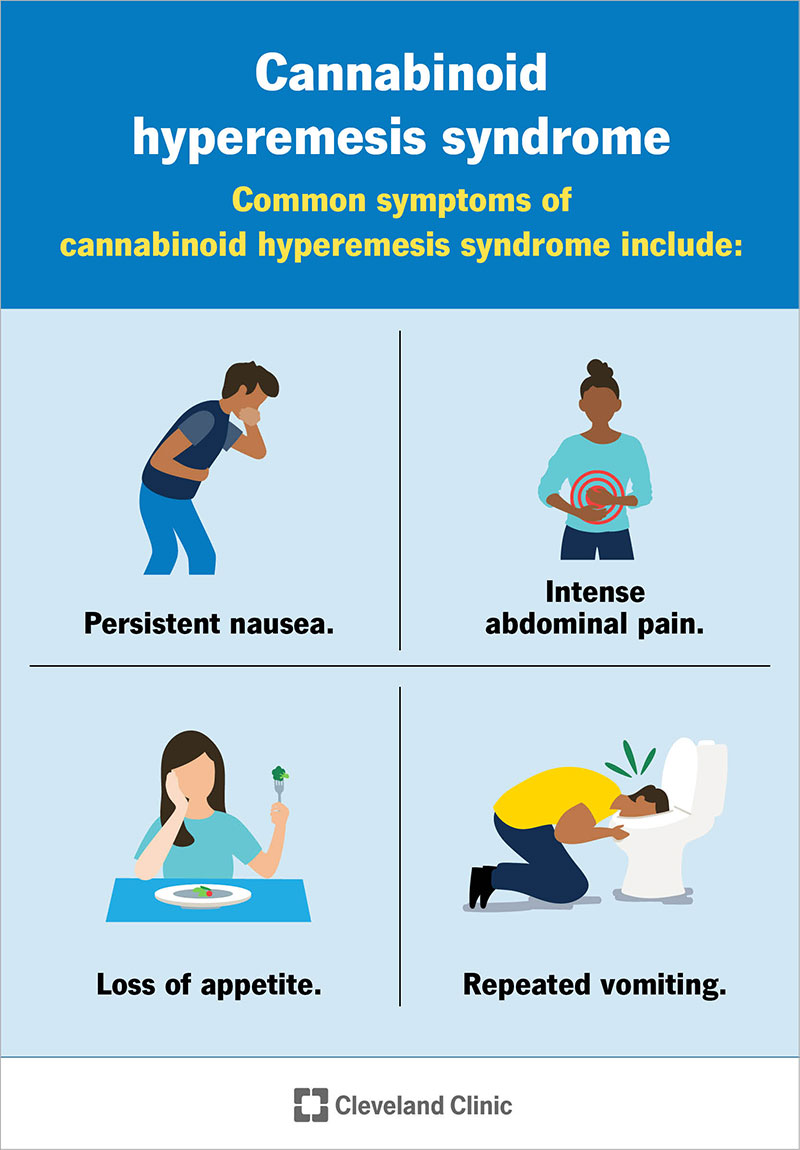
When a person experiencing cannabinoid hyperemesis syndrome, or CHS, arrives at an emergency room doubled over in pain and retching uncontrollably, the scene is unmistakable. The extreme pain and violent vomiting combined can be so intense that patients scream while they vomit, creating a term that has stuck: scromiting. One CHS sufferer described the pain as worse than childbirth, telling others online that she was crying, screaming, and desperately begging for relief while her body convulsed with waves of nausea and vomiting.
The condition is fundamentally the result of long-term cannabis use, particularly heavy, daily use. While researchers still don’t fully understand the mechanism, the leading theory is that heavy cannabis consumption causes overstimulation of receptors in the endocannabinoid system, a complex network in the brain and gut that controls nausea and vomiting. Over time, this dysregulation spirals into cycles of relentless symptoms that can last for hours or even days.
A major shift occurred in October 2025 when the World Health Organization and the Centers for Disease Control and Prevention established the first official diagnostic code specifically for CHS. Before that, the condition had no dedicated code in the International Classification of Diseases, meaning doctors typically coded cases as generic nausea and vomiting or attributed them to other gastrointestinal disorders. The invisibility masked the true prevalence of the condition in emergency departments.
The impact was immediate and dramatic. In September 2025, before the new code took effect, CHS-involved emergency department visits accounted for 3.35 per 10,000 visits. In October 2025, the first month the code was available, that figure jumped to 11.26 per 10,000. Over the subsequent eight months through May 2026, CHS-involved ER visits averaged 3.7 times the monthly baseline recorded during the prior period, according to CDC surveillance data analyzing nearly 200,000 documented cases. The 370 percent increase since October represents a dramatic jump in recorded diagnoses, though the CDC’s own analysis suggests the abrupt increase largely reflects improved clinical recognition and coding rather than a true and immediate rise in incidence.
“The most common misconception about CHS is that it is even a real condition,” said John Puls, a psychotherapist and master’s certified addiction professional, in December. “Most physicians, especially in emergency rooms where patients often end up with CHS, attribute the problem to some other type of G.I. Issue.” That diagnostic confusion is precisely what the new code aims to solve.
The condition was previously thought to occur only in people who had used cannabis heavily and daily for years, sometimes a decade or more. But emerging evidence suggests the timeline is accelerating. The CDC now reports that symptoms can potentially occur within the first year of cannabis use in some cases. For those who do develop the disorder, “scromiting” episodes can hit within 24 hours after smoking or consuming edibles.
Younger people are being affected at disproportionately high rates. Those ages 15 to 24 experienced the highest rate of CHS-involved ER visits from October 2025 through May 2026, at 38.7 visits per 10,000 emergency room visits, followed by the 25 to 34 age group. Females also accounted for a notably higher share of cases. The concerning pattern suggests that young people today are developing this condition much faster than the condition historically appeared, raising questions about why adolescents and young adults would have consumed cannabis long enough to trigger CHS.
The type of cannabis product consumed appears to influence how quickly symptoms develop. A study published in Cannabis and Cannabinoid Research found that people using electronic vape cartridges developed chronic vomiting significantly faster than those smoking marijuana or consuming edibles. One study author, Megan Mbengue, described the findings as alarming given how prevalent vaping has become. “According to our recent study findings, those who utilize vapes alone are hitting it more often throughout the day and developing CHS symptoms sooner than those who smoke — by YEARS,” she wrote on LinkedIn, calling the trend “a massive public health concern.”

The consequences of CHS extend far beyond the distressing symptoms. The incessant vomiting can lead to erosion of tooth enamel, acute kidney injury, electrolyte imbalances, dehydration, and weight loss. In severe cases, the damage extends to seizures, kidney failure, and even death. Emergency rooms struggle with the condition because the intense symptoms often trigger extensive diagnostic workups to rule out other causes, consuming significant medical resources.
The only proven way to stop CHS is to cease cannabis use entirely. While treatment options exist to ease pain and manage symptoms in the short term, some CHS sufferers continue using cannabis even after multiple emergency room visits, according to doctors specializing in the condition. This pattern points to the powerful grip of cannabis dependence in affected individuals.
Public health experts are calling for greater awareness of CHS among both medical professionals and the general public, particularly given the condition’s rising prevalence. The CDC is pushing for additional research into the potential role of high-potency THC products, hemp-derived cannabis, and the various consumption methods that may accelerate onset. As cannabis legalization expands across the country and potency increases, the medical community is bracing for the possibility that CHS cases could continue climbing, especially among young people who have easier access to increasingly powerful cannabis products.