

A Brooklyn tenant’s $114 fake window has ignited a viral firestorm over windowless New York City apartments.
Sophia, a crafty Brooklynite with more than 1.4 million video viewers, mounted the light box to a plank of wood covering her former window after a building went up next door. “This is a fake window in my New York City apartment,” she said in her viral video, demonstrating how the faux glow works. “There is a building that was built on the other side of this window so it’s just a plank of wood,” she explained. “I bought a light box and I just set it in…and this literally saved my life.”

“It looks really real!” The bubbly brunette chuckled.
But critics living outside the five boroughs were far less amused by her makeshift sunshine. “I would never live in NY. This is a nightmare,” decried a digital detractor. “This is so dystopian, everyone deserves to have natural light in their space,” another groaned. “Depressing but necessary,” noted an equally unimpressed outsider. “People in New York City live like prisoners in a prison,” spat another.
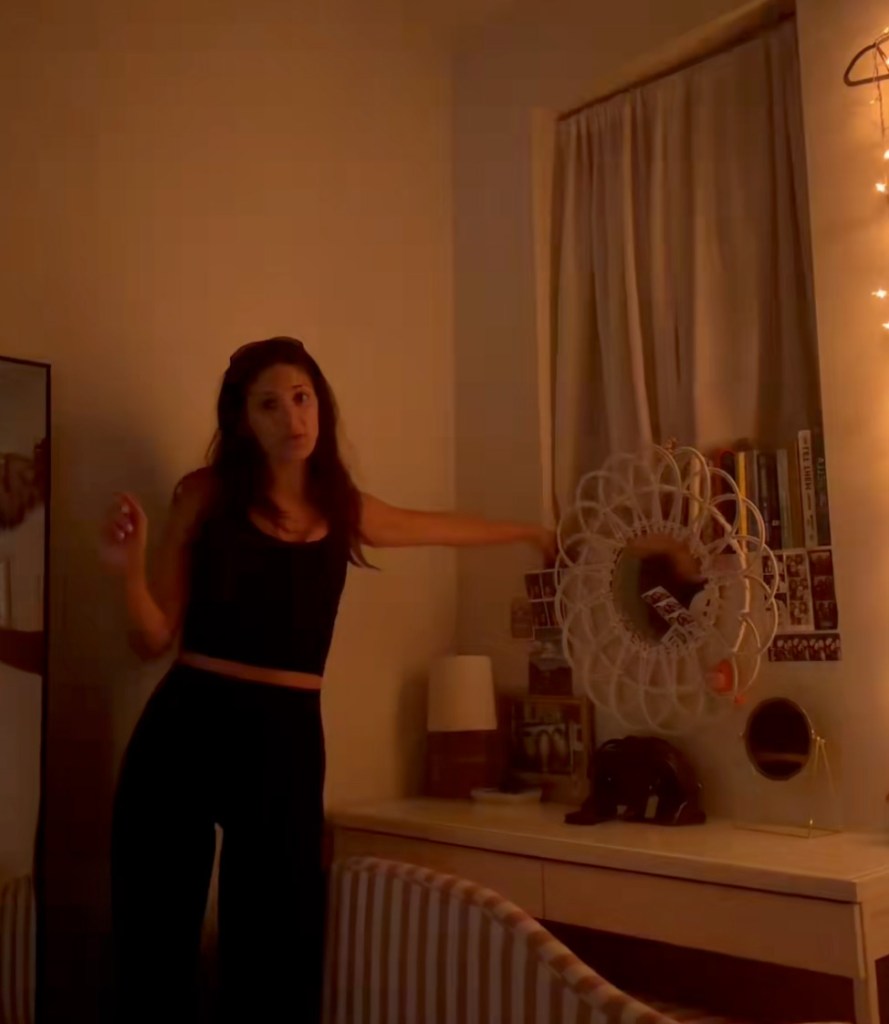
The pile-on highlighted a harsh reality of Gotham living that locals know all too well: thousands of apartments, particularly in older buildings and converted basements, lack any natural light source whatsoever. Yet despite the shade from outsiders, Sophia hailed her trendy find as the tool that’s helped her “survive” life in a window-free bedroom, and says investing in the light box was a small price to pay in exchange for “cheap rent.”
“Uh huh,” she gloated in a separate vid. “It’s lit!”
She’s hardly alone in her illuminating workaround. Reina Vargas, an artist based in Brooklyn, recently showcased her phony window online, crediting it with keeping her “sane” during her six-hour painting sessions. Shreya, an Australia transplant now residing in the Big Apple, too, flaunted her light box on the internet, bragging, “Why have a real window when you can have a fake one?”
The fake window phenomenon has become something of a cottage industry, with companies like Prosky Panels marketing premium versions featuring LED lighting, high-resolution panoramic vistas, and even handcrafted wood frames meant to mimic the real thing. Their systems promise “the closest result to a real window” for basement apartments, offices, and any indoor areas starved of daylight.
Sophia’s demonstration of her $114 light box solution drew millions of views and a torrent of commentary from people horrified by what they saw as the ultimate symbol of urban decay. The video showed her flipping the switch on her faux window, bathing her confined quarters in artificial glow meant to simulate the natural sunlight she had lost.
Yet for every critic calling the setup “dystopian,” there were New Yorkers quick to defend their city and its resourceful residents. To most locals, the privilege of calling the concrete jungle “home” comes with a bevy of built-in bonuses, such as the sights, skyscrapers and celebs walking the streets. Even with sky-high rent demands and low quality of life ratings, it’s still the pride of the East Coast. Heck, Gotham was just crowned “the most romantic” city nationwide, besting metropolises where windows and sunbeams surely abound like Nashville, Tennessee, and Austin, Texas.
And folks like Sophia, who’d rather make-do than move, are simply remedying the city’s dim shortcomings with illuminating technology.
The debate over her fake window underscores a perennial tension in America’s most expensive city: the trade-offs tenants make to afford rent in a housing market where the median one-bedroom apartment commands well over $3,000 monthly. For many, that means accepting bedrooms with no windows, no natural light, and now, a light box mounted where the sun used to shine.
Sophia continues to document her fake window life on social media, turning her makeshift solution into a calling card of sorts for creative city living.