

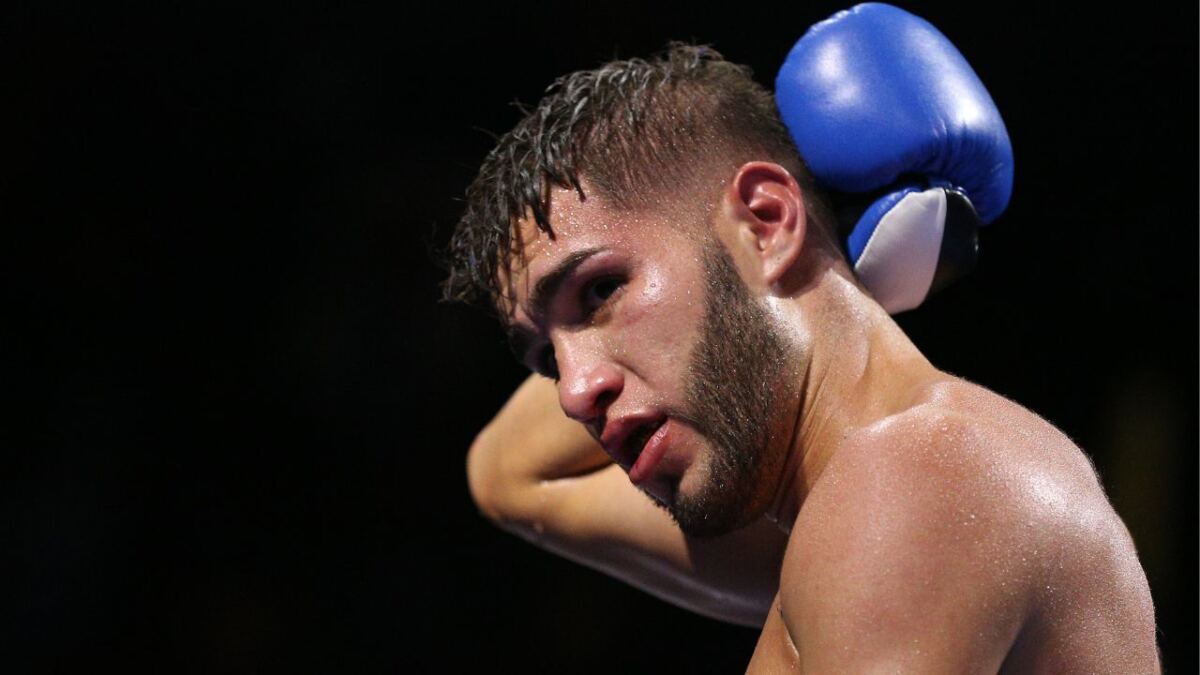
Prichard Colón’s father confirmed the former boxer’s death in a Facebook post Thursday.
Richard Colón, the fighter’s father, shared the news on August 13 that his son had died at 33, more than a decade after a catastrophic brain injury ended his career and left him requiring round-the-clock care. The elder Colón wrote that Prichard passed away surrounded by family, though he had hoped to fulfill one final wish.
“Good morning, my people. I regret to inform you of the departure of my son Prichard from this earthly world,” Richard Colón wrote on Facebook. “Now he is in a better world. I did everything possible to fulfil his wish, his dream of bringing him on vacation to Puerto Rico as he so desired, but it couldn’t be done. Thank you for so many years of love and prayers.”
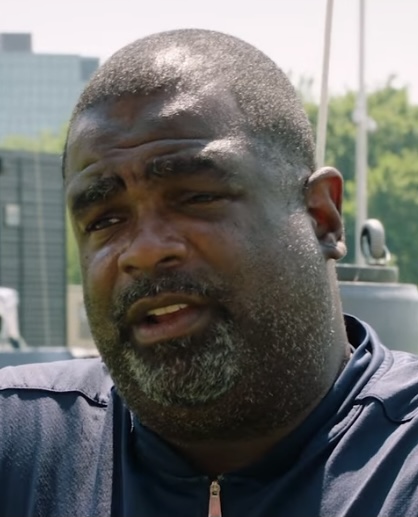
The World Boxing Organization issued its own tribute on X in the hours after the announcement. “A warrior until the very end,” the WBO wrote. “The WBO family mourns the passing of Prichard Colón, whose courage, strength, and fighting spirit transcended the ring. His greatest fight became a testament to resilience and the unwavering love of his family.”
The World Boxing Association followed with a statement on its own social media channels. “We mourn the passing of Prichard Colón. A true warrior in every sense of the word, Prichard left us with profound lessons about life, resilience, and our sport. The entire boxing community mourns this heartbreaking and significant loss. Rest in peace, champion.”
Born in Maitland, Florida, and raised partly in his parents’ native Puerto Rico, Colón turned professional in 2012 and quickly established himself as a rising force in the super welterweight division. By 2015, the 23-year-old had compiled a perfect 16-0 record with 13 knockouts, positioning himself for a potential title shot. His final bout, against Terrel Williams in Fairfax, Virginia, was added to the schedule at the last minute after another fight fell through.
Colón faced Williams on October 17, 2015, at EagleBank Arena. Throughout the match, the Puerto Rican fighter repeatedly complained to referee Joe Cooper about illegal punches to the back of his head, known in boxing as “rabbit punches.” Ringside physician Dr. Richard Ashby examined Colón but allowed the fight to continue after the boxer said he felt he could go on, according to broadcast comments from fight commentator Kenny Rice at the time. The blows continued, and after Colón was knocked down in the ninth round, his corner mistakenly removed his gloves believing the 10-round fight had ended, triggering an automatic disqualification. Moments later, Colón collapsed in his dressing room, vomited, and was rushed to Inova Fairfax Hospital, where doctors found a massive brain bleed. He spent 221 days in a coma.
Colón survived but never recovered his mobility or speech, remaining in a vegetative state that required intensive physical therapy and constant care from his mother, Nieves, and father in Orlando. His mother said in earlier years that the experience had been “a nightmare… Everything changed that night.” She also described small signs of awareness, noting that if asked whether he was sick, Colón would sometimes respond “No” and other times “Yes” through communication devices.
The tragedy became a turning point for boxing safety reform. The WBC introduced the “Prichard Colón Rule,” mandating zero tolerance for rabbit punches with stricter referee warnings and immediate point deductions. In 2021, the organization honored Colón with an honorary WBC World Championship belt for his bravery. His family filed a $50 million lawsuit against Dr. Ashby, HeadBangers Boxing, and DiBella Entertainment, though the case had not reached trial, and a Virginia regulatory report did not assign blame to any individual.
Williams, who spoke to The Ring in 2018, maintained that the outcome was never intentional. “I pray for Prichard every day. That’s never going to change. I wish him nothing but peace and health,” he said at the time. “No one wants what happened to Prichard to happen to anybody. All boxers are brothers. I would never intentionally harm someone like that.”