


Actress Anne Hathaway has taken a firm stance on movie content involving dogs, declaring that any film featuring the death of a dog should automatically receive an R rating, regardless of other content.
“I feel like movies that kill dogs should automatically be rated R,” Hathaway told Complex during her press tour for her latest film “The End of Oak Street.” “Doesn’t matter if anybody curses, doesn’t matter if there’s violence, if a dog dies, R-rated.”
The comment comes as Hathaway promotes the science-fiction thriller starring herself and Ewan McGregor as parents defending their family when their suburban neighborhood is mysteriously transported back in time millions of years. The film features a family dog named Starbuck, an Australian cattle dog who plays a central role in the story. Concerned viewers have been asking Hathaway about the dog’s fate in the film.
To reassure anxious audiences, Hathaway addressed the elephant in the room. “Somebody was like, ‘Can you just let the audiences know that, like, it’s all gonna be OK?’ We break rules in this movie, that might not be one of them. Don’t worry,” she said.
Hathaway’s proposal appears rooted in the widespread emotional impact movies have had on viewers when depicting canine deaths. She specifically pointed to 2014’s “John Wick,” the action film starring Keanu Reeves whose dog is killed early in the story, triggering his character’s revenge quest.
“I think everybody’s so traumatized by John Wick,” Hathaway noted, “because I’ve been seeing those comments too, like, ‘They better not kill the dog.’ I’m like, ‘Which movies are out there killing dogs that everybody’s scared that we’re just casually doing it in movies now?'”
Despite her strong feelings on the matter, Hathaway’s own recent filmography includes a dog death. Christopher Nolan’s “The Odyssey,” released in July, features the character Argos, the loyal dog of Odysseus. The ancient Greek epic’s adaptation includes an emotional scene in which the elderly dog dies from old age while recognizing his long-absent owner. Nolan has stated he decided to make the film because it is the “ultimate dog story,” inspired partly by his own recent adoption of a dog.
The “End of Oak Street” itself is rated PG-13, indicating that under Hathaway’s proposed system, the film would meet her standards for family audiences since the family dog survives the movie.
Hathaway’s year has been remarkably busy, with five major film releases. Beyond “The Odyssey” and “The End of Oak Street,” her 2026 slate includes “Mother Mary,” an A24 psychological thriller in which she plays a pop star; “The Devil Wears Prada 2,” a long-awaited sequel in which she reprises her role as Andy Sachs; and “Verity,” an adaptation of Colleen Hoover’s thriller novel in which she plays the titular author. The concentration of releases marks her most active year in cinema to date.

Dog deaths in films have long been a point of emotional vulnerability for audiences. Movies such as “Old Yeller,” “Marley & Me,” and “I Am Legend” have historically left viewers devastated, even when the films were not primarily intended for adult audiences. The emotional resonance of these scenes has become so pronounced that a website, Does the Dog Die, exists specifically to help viewers know in advance whether their viewing experience will include animal deaths.
The actress has previously shown her commitment to animal welfare beyond the movies. Hathaway has spoken publicly about her own dogs and has advocated for rescuing canines from shelters. She has positioned herself as a voice for ethical filmmaking practices, and her recent proposal about movie ratings reflects a broader concern among pet lovers about the emotional impact of watching beloved animals suffer on screen.
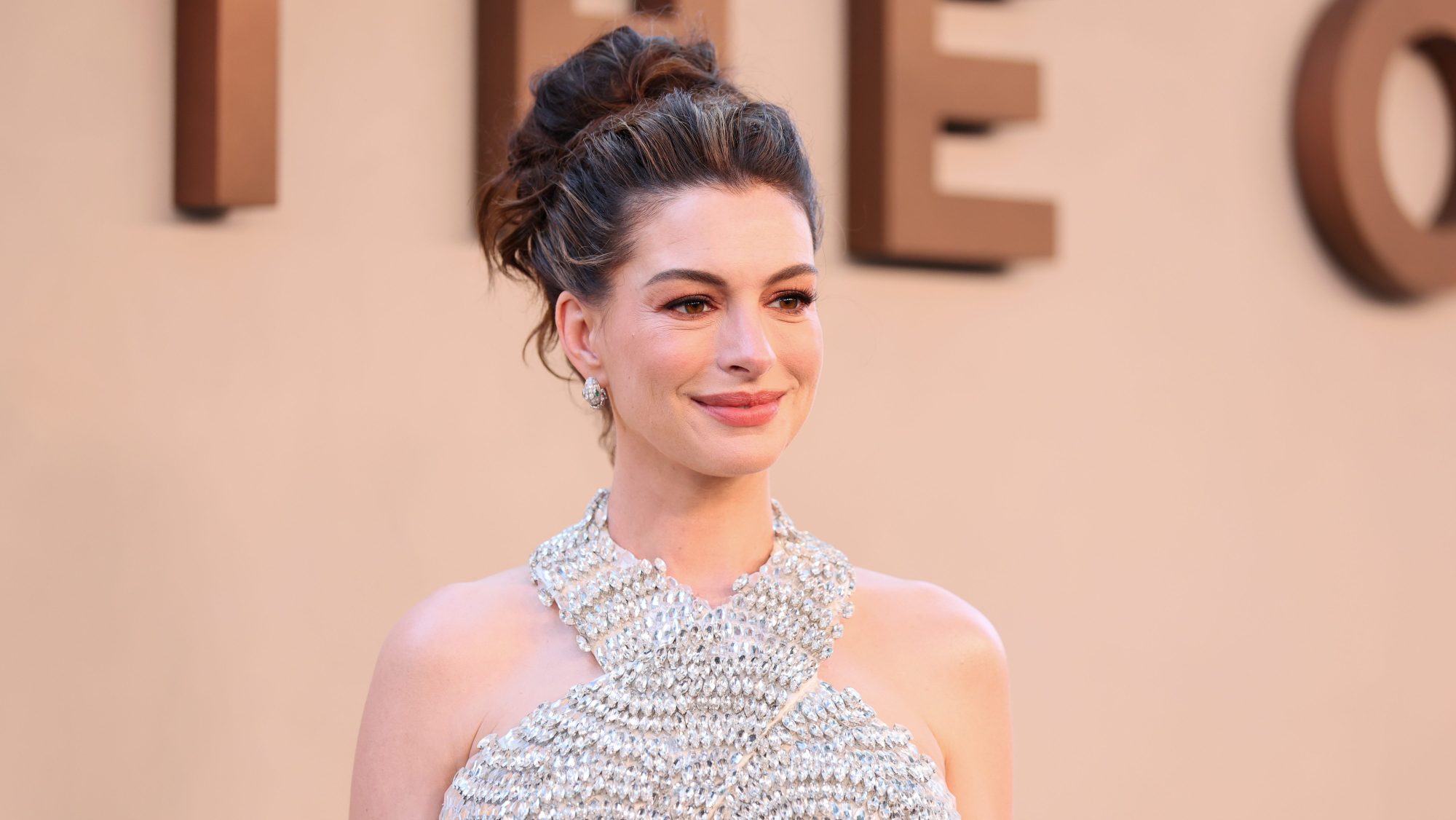
Whether the movie industry will seriously consider Hathaway’s proposal remains to be seen. The Motion Picture Association oversees the current rating system, which takes into account violence, language, sexual content, and other factors. A dog death alone does not currently trigger a specific rating threshold. However, Hathaway’s prominent voice in the industry and the passionate response from audiences about canine welfare in films suggests that the conversation about how films handle animal deaths is unlikely to disappear anytime soon.