


A harrowing medical condition linked to chronic marijuana use is striking more Americans than ever before, forcing emergency rooms across the country to grapple with a surge in hospitalizations for a distressing syndrome that combines screaming with uncontrollable vomiting. The condition, known medically as cannabis hyperemesis syndrome but nicknamed “scromiting” on social media, is raising fresh alarms among physicians about the risks of heavy cannabis consumption.
Sydni Collins learned the hard way about the dangers of chronic weed use. A regular smoker since age sixteen, the young woman developed cannabis hyperemesis syndrome just two years into her habit. After seven visits to the hospital, she was finally admitted and diagnosed with a condition that would transform her life.
“I would be puking all morning. I would let out yells or cries because nothing would come out. I was just dry heaving,” she said, describing the excruciating episodes that left her unable to attend school on some days.
Cannabis hyperemesis syndrome is a chronic condition characterized by severe bouts of vomiting and abdominal pain in long-term users of marijuana. The term “scromiting” merges the words “screaming” and “vomiting” because sufferers often scream while vomiting due to intense pain. Episodes can involve relentless nausea, severe abdominal cramping, and vomiting that occurs multiple times per hour and can last for hours or even days.

The spike in cases is alarming public health officials. Hospital emergency room visits for cannabis hyperemesis syndrome jumped more than 400 percent between 2016 and 2022. Among adolescents aged 13 to 21, ER visits increased more than 10-fold between 2016 and 2023. The condition is particularly prominent in states where cannabis has been legalized, with Colorado seeing especially high numbers.
Collins’ story took an unexpected turn when, nine months after her initial CHS diagnosis, she was diagnosed with Crohn’s disease, an inflammatory bowel condition. This led her to question whether her CHS diagnosis was even real. Believing the cannabis might help her Crohn’s symptoms, she returned to smoking after her abstinence period. She used it on weekends at first, then increased her consumption for recreational use. The consequences were catastrophic.
“I went through the same thing (except 10x worse) and had to get a feeding tube again because I lost so much weight,” she wrote in an Instagram post explaining her experience. She was hospitalized for over a month, dealing with constant vomiting, nausea, and excruciating abdominal pain that made eating impossible. The relapse also triggered a severe flare-up of what she later discovered was actually ulcerative colitis, not Crohn’s disease, adding another layer of medical complexity to her ordeal.
Scientists do not yet fully understand the exact cause of cannabis hyperemesis syndrome. The leading theory suggests it may result from overstimulation of receptors in the endocannabinoid system, which the body uses to regulate nausea and vomiting. When cannabis is used frequently and in high doses over long periods, this overstimulation may paradoxically trigger the opposite effect from what users expect, leading to severe hyperemesis and pain.
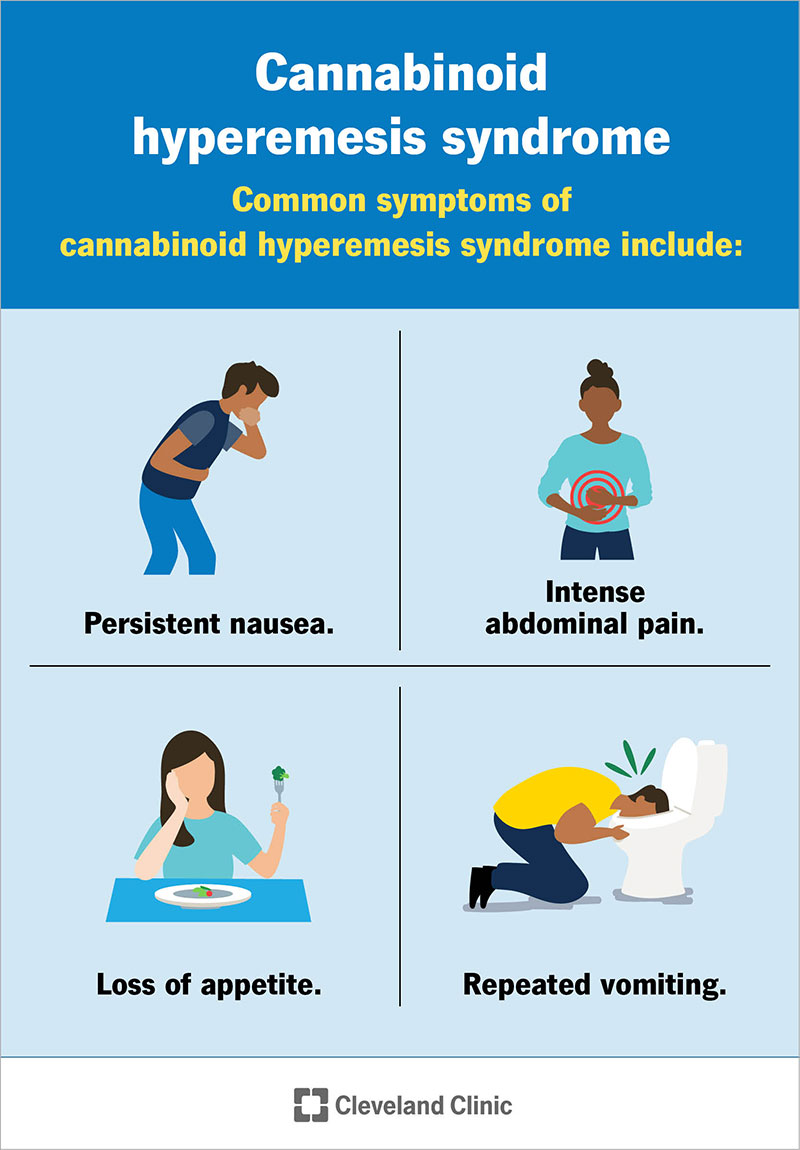
One particularly unusual feature of the condition is that patients often report temporary relief from hot showers or baths, a phenomenon that has become so consistent that doctors consider it a diagnostic indicator. However, this relief is only temporary, and the only proven way to cure CHS is complete cannabis cessation.
Collins warned others about the warning signs they should watch for. “If it makes you nauseous or lose your appetite, you should stop before it gets as bad as it did for me,” she said.
Untreated cases of cannabis hyperemesis syndrome can lead to serious complications. Prolonged vomiting can cause dehydration, electrolyte imbalances, acute kidney injury, and in rare cases organ failure or death. Some patients have appeared in emergency departments five times in two months, according to pediatric emergency medicine specialists.
The condition was first identified by Australian researchers in 2004 when they documented 19 chronic marijuana users experiencing repeated episodes of abdominal pain and retching. Over the decades, as marijuana legalization spread across the United States and cannabis products became increasingly potent, cases began appearing with greater frequency. A 2025 study found that those using vape cartridges developed scromiting symptoms faster than those who smoked or consumed edibles, suggesting that the method of consumption and potency level may influence the condition’s onset.
After her second hospitalization, Collins finally made the definitive decision to quit cannabis entirely. She determined that the only way to know whether her symptoms were truly caused by weed was to stop using it completely. When she did, her condition improved.
For the past two years, Collins has remained abstinent from cannabis and has dedicated herself to raising awareness about the condition through her social media presence. She has shared her journey publicly to warn other heavy cannabis users about the hidden dangers of their habit. Her story exemplifies a growing recognition among medical professionals that marijuana, despite its legalization in many states and its use by millions of Americans, carries real health risks that should not be ignored.