

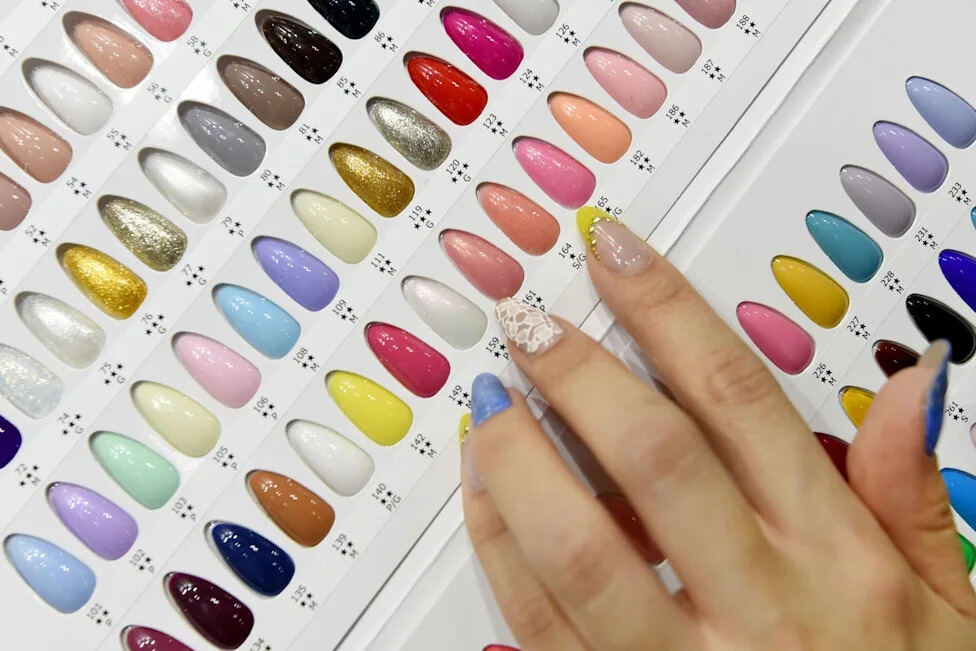
Starting today, the UK is joining Europe in restricting a widely used chemical in gel nail polish, marking a significant shift in the beauty industry. Manufacturers can no longer introduce new gel nail polish products containing trimethylbenzoyl diphenylphosphine oxide, commonly known as TPO, to the UK market. The chemical has been at the center of a global debate about the safety of one of beauty’s most popular treatments.
TPO is a photoinitiator, a compound that responds to ultraviolet light to harden gel polish quickly and give it a glossy, durable finish. For decades, it has been the ingredient of choice for nail salons and at-home gel manicure kits because it works efficiently and delivers the long-lasting results consumers love. But European regulators flagged TPO as potentially harmful to human reproduction based on animal studies, leading the European Union to ban it from cosmetics on September 1, 2025. The UK is now following suit with its own timeline.
The decision stems from research showing that TPO was classified as a CMR category 1B substance—meaning it is presumed to be toxic to human reproduction based primarily on evidence from animal studies. Studies on rats have shown links between high doses of TPO and adverse reproductive effects, including testicular damage, reduced sperm counts, and reduced fertility. These findings prompted European regulators to take what they characterized as a precautionary approach while more research continues.

For the UK beauty industry, the transition unfolds in stages. Starting today, manufacturers cannot place new TPO-containing products on the market. However, existing stock already in the supply chain can continue to be sold through February 14, 2027, giving salons and retailers time to transition to alternative formulations. Nail technicians will not be able to purchase new TPO-containing products after that February deadline, though they can continue using products they already own.
The staggered implementation differs from the EU’s approach, which had no transition period. Caroline Rainsford, director of science at the Cosmetic, Toiletry and Perfumery Association, emphasized the context of the ban: “The reason why TPO has been banned in cosmetic products in the EU is based on its hazardous properties, meaning how a substance might behave under a ‘worst case’ situation when our bodies are exposed to a very large amount. This is not how TPO is used in cosmetics.”
According to industry experts, the amount of TPO used in nail products is over a thousand times less than the amount that could have any negative effect on fertility. Additionally, because the polish is applied to the nail rather than ingested, the potential for the ingredient to be absorbed into the body is minimal. Once TPO is exposed to UV light during the curing process, the molecule breaks apart and no longer exists in its original form, becoming locked within the hardened gel.
The Scientific Committee on Consumer Safety, an independent expert panel, conducted a detailed safety review of TPO in 2014 and concluded that the way it is used in cosmetics is safe. However, that assessment predates TPO’s new classification as a reproductive toxicant, which triggered its automatic inclusion in the EU’s list of prohibited substances.

Several major nail brands and salons have already moved ahead of the regulatory requirements. Michael Henson from the nail care brand HONA said their gel system was already formulated without TPO ahead of the Great Britain deadline, ensuring customers and distribution partners face no disruption to supply. Similarly, UK luxury nail salon Townhouse has invested in developing TPO-free systems. Founder and Creative Director Juanita Huber-Millet stated: “We’ve invested heavily in developing TPO-free systems that meet our standards without compromise so that clients never have to choose between exceptional results and peace of mind.”
While the health risk from occasional consumer use remains unclear, experts note that repeated exposure could be more concerning for salon workers who use TPO-containing products daily. The ban does not apply to TPO’s use in other industries, including dental materials and printing inks, where it remains legal.
The UK’s regulatory approach differs from the United States, which has not yet restricted TPO. The EU takes what is often described as a precautionary approach, restricting chemicals identified as potentially harmful based on animal studies, while the U.S. Typically waits for evidence of actual harm in humans. This difference means American consumers continue to have access to TPO-containing gel polishes, though some manufacturers may reformulate their products globally to simplify production.
For nail technicians and salon owners, the immediate practical impact is manageable. Those using TPO-free products or brands that have already reformulated face no disruption. Others have until February to clear existing stock and transition to approved alternatives. Several alternative photoinitiators are available, including BAPO and TPO-L, which function similarly to TPO but are not subject to the ban.
Nail technicians are advised to check ingredient lists carefully and seek written confirmation from suppliers about whether products contain TPO. As the industry navigates this change, the focus remains on ensuring that clients and professionals can continue enjoying gel manicures while meeting the highest safety standards.