

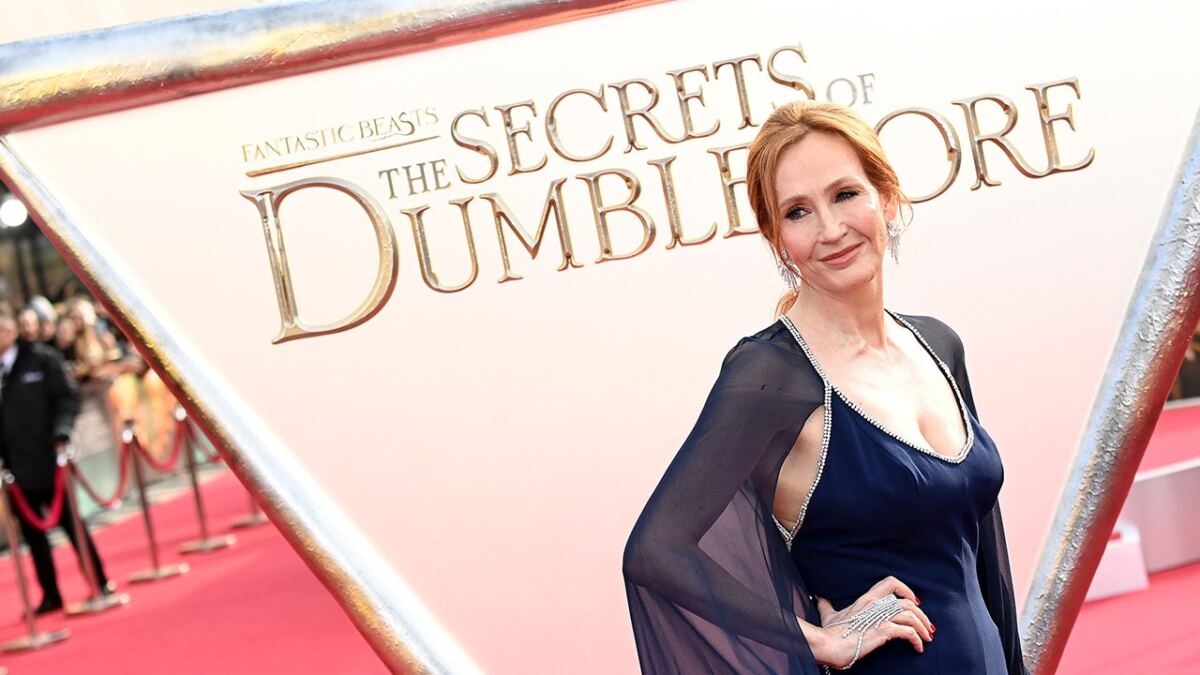
Two prominent television directors have publicly rejected opportunities to work on HBO’s highly anticipated Harry Potter series, citing author J.K. Rowling’s views on transgender issues. The rejections highlight deepening divisions within the entertainment industry over the reboot just months before its December debut.
Canadian director Ally Pankiw, who has helmed episodes of Black Mirror and The Great, posted an exchange on Instagram showing a text conversation with her representatives. When asked whether she would consider directing episodes of the Harry Potter series, Pankiw responded bluntly: “Absolutely f—king not! Lol… (But thank you for asking).” She captioned the post: “It simply is this easy to say no to funding transphobia.”
The post immediately drew support from fellow director Kate Herron, known for helming the first season of Marvel’s Loki and episodes of Sex Education. Commenting on Pankiw’s post, Herron wrote: “Yeah thank you exactly! Respect and love to you Ally. They’ve asked me twice and I’ve had to explain my answer is never gonna change from a no.” In a subsequent Instagram story, Pankiw praised Herron’s refusal, noting: “Also want to shout out the amazing [Kate Herron] who also said no…twice! And that’s actually hard!”
The public rejections represent a rare instance of prominent behind-the-scenes creative talent openly refusing work on a major studio production to protest the involvement of someone attached to the project. According to reporting, Pankiw’s initial outreach was for the opportunity to interview or meet about directing an episode, rather than a formal job offer.
Rowling’s statements on gender and sex have generated considerable controversy since June 2020, when she criticized an article using the phrase “people who menstruate” instead of women. She tweeted sarcastically: “‘People who menstruate.’ I’m sure there used to be a word for those people.” Though Rowling has denied being transphobic and stated that she respects “every trans person’s right to live any way that feels authentic and comfortable to them,” she has consistently maintained that biological sex is real and immutable. Critics argue her ongoing social media posts demonstrate anti-transgender sentiment, while supporters contend she is defending women’s rights.
The HBO Harry Potter series, set to premiere on December 25, 2026, has become a lightning rod for debate over Rowling’s involvement as executive producer. Major cast members from the original films have previously spoken against her positions. Daniel Radcliffe, who played Harry Potter, stated that “transgender women are women,” while Emma Watson, who portrayed Hermione Granger, declared that “trans people are who they say they are and deserve to live their lives without being constantly questioned.”
The new television adaptation has not been immune to similar tensions. Bel Powley, who will play Petunia Dursley in the series, recently said: “I strongly disagree with J.K. Rowling’s views on gender. I think that the trans community deserve safety and dignity and respect and total acceptance.” However, Powley emphasized her love for the Harry Potter stories themselves, saying: “But I love Harry Potter. I grew up with the books. I am from that first generation of readers and, again, I love magic and spookiness.”
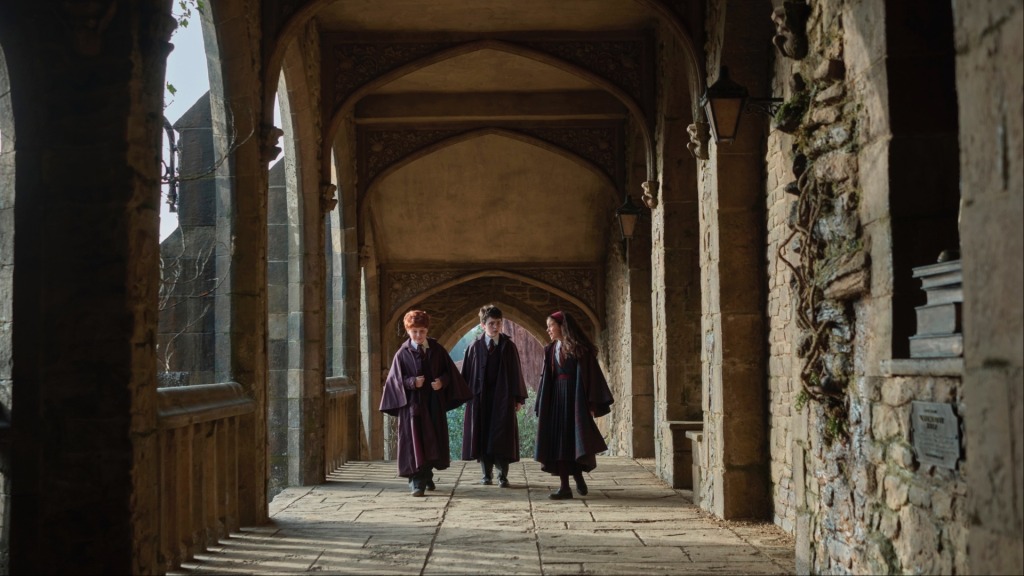
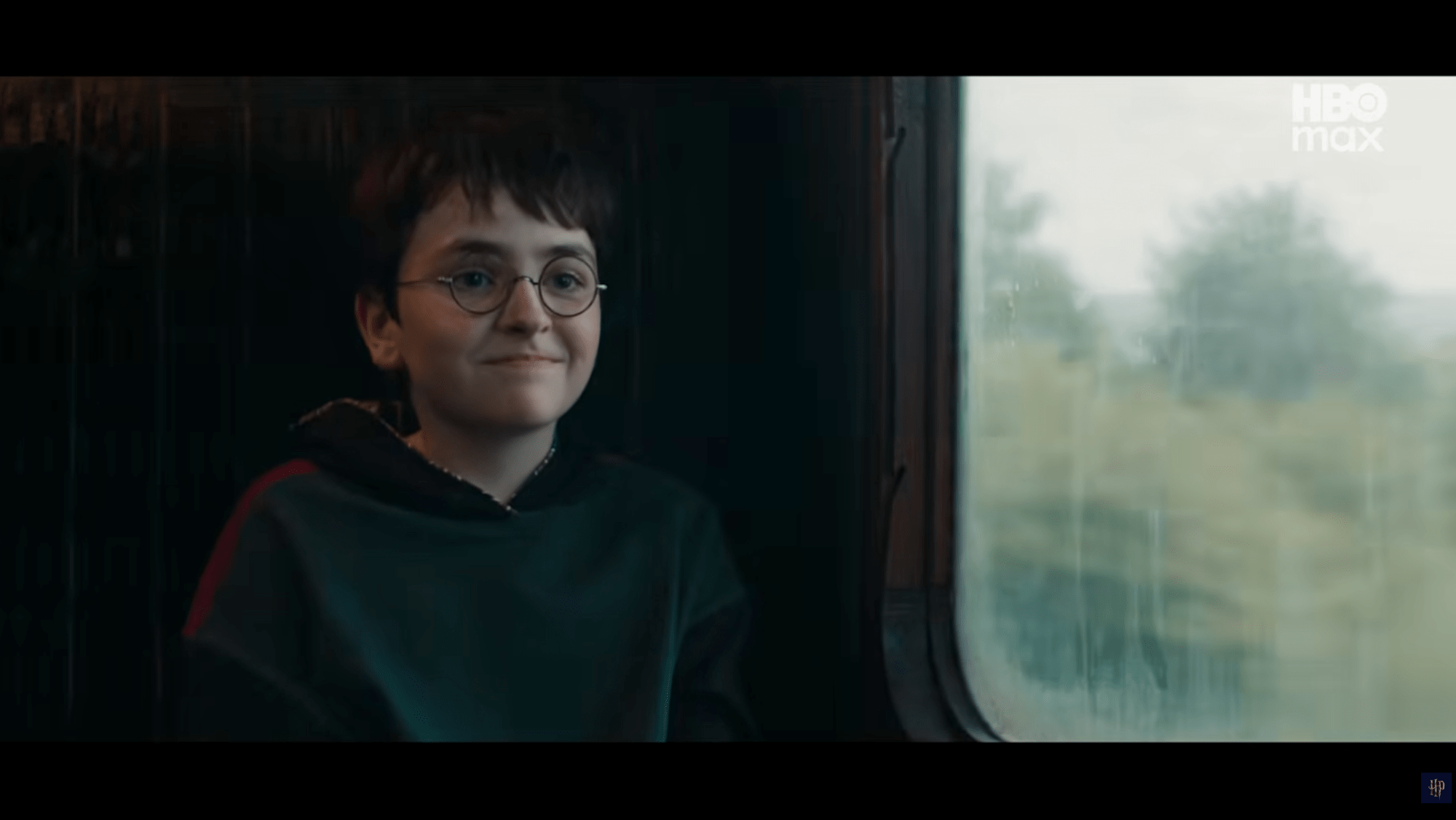
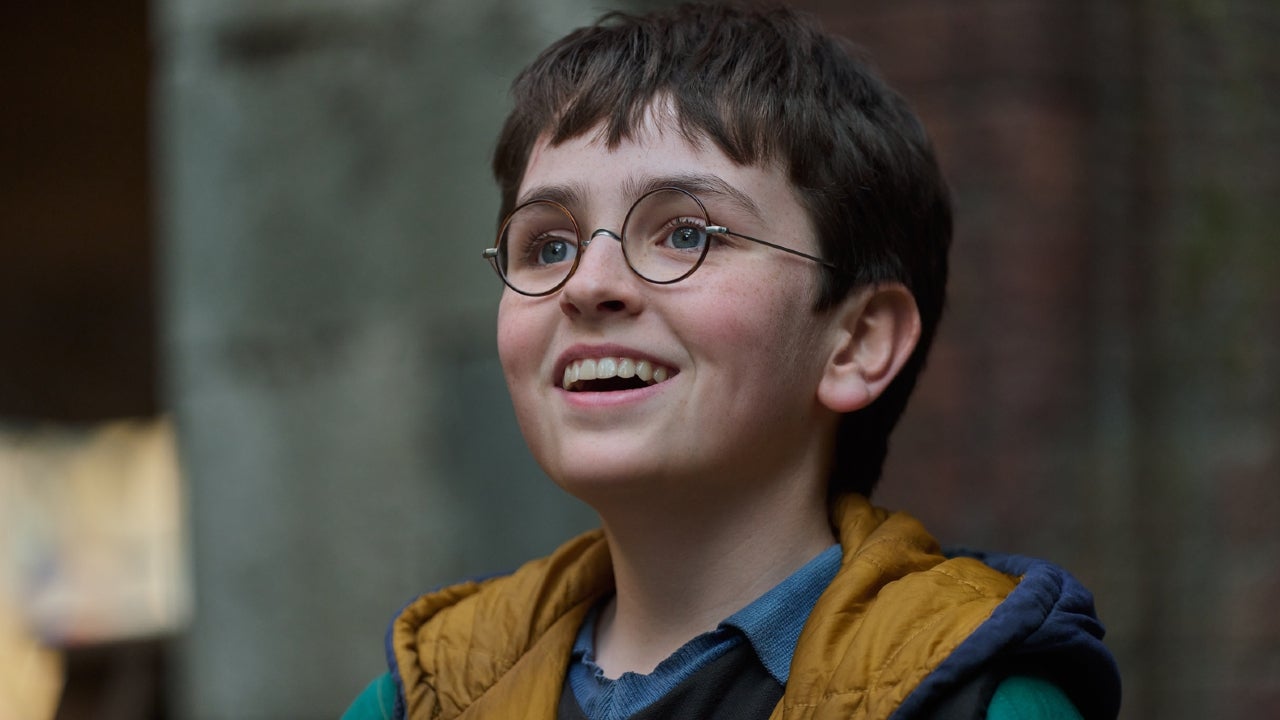
The first season of the HBO adaptation will feature an ensemble cast including John Lithgow as Albus Dumbledore, Janet McTeer as Minerva McGonagall, Nick Frost as Rubeus Hagrid, and Paapa Essiedu as Severus Snape. The series is written and executive produced by Francesca Gardiner, known for her work on HBO’s Succession, with Mark Mylod directing multiple episodes. The production began filming in July 2025 at Leavesden Studios in England.
In August 2026, actor Nicholas Hoult was announced for the role of Gilderoy Lockhart in the series’ second season, which will adapt Harry Potter and the Chamber of Secrets. The casting prompted some backlash from social media users, though Hoult had previously expressed enthusiasm about working with director Mark Mylod.
HBO has largely sidestepped commentary on Rowling’s controversial statements. When the series was first announced, HBO and Max content chief Casey Bloys stated that the company was “comfortable being in the Potter business” and that the primary focus would be on what appears on screen rather than engaging with online debates about the author.
Rowling’s views continue to shape the conversation surrounding what is expected to be one of the biggest television launches of the year. The series represents the author’s most ambitious project since the conclusion of the original film franchise in 2011, and marks a significant moment for a franchise attempting to navigate artistic expression alongside contemporary cultural debates. As production continues and the premiere date approaches, the tension between those willing to participate in the adaptation and those rejecting it appears likely to intensify.