

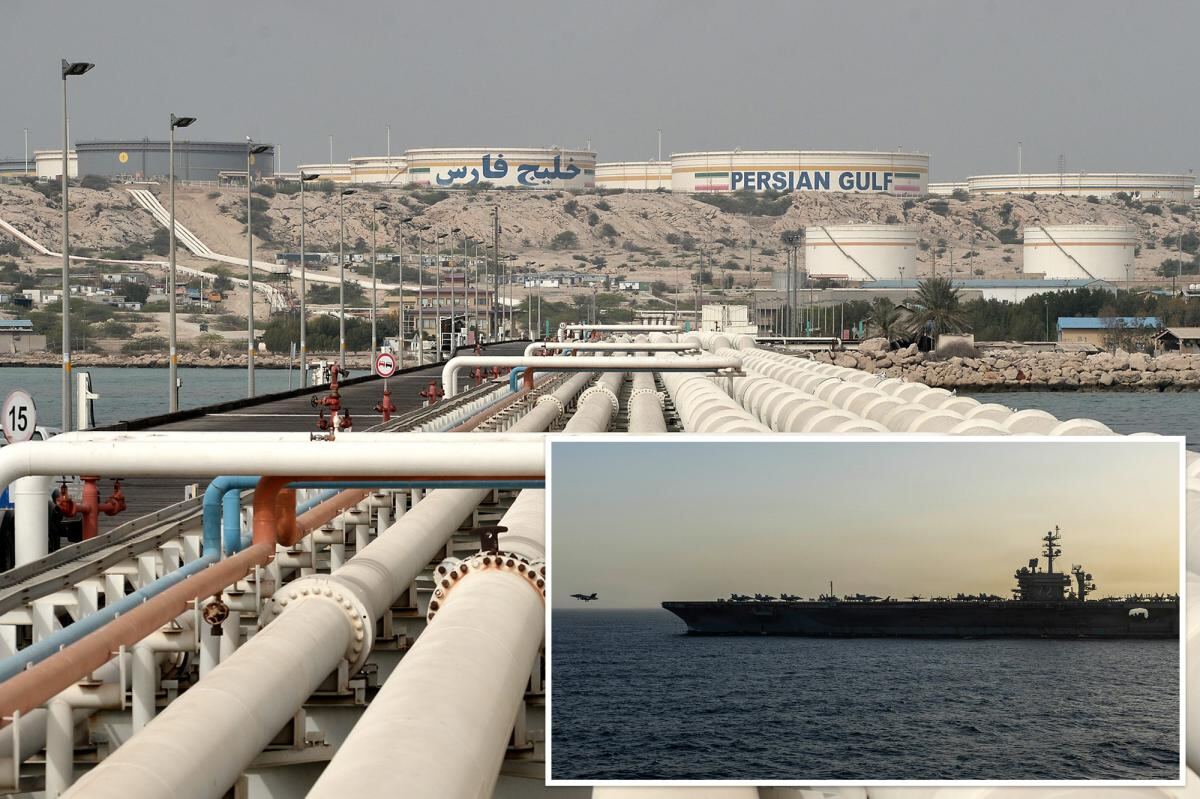
A former senior US Treasury official has warned that Iran’s oil exports dropping to nearly zero under the renewed US naval blockade could destabilize the regime within two to three months.
Miad Maleki, who served under both President Trump and Joe Biden, told the Foundation for Defense of Democracies that Tehran will run out of room to maneuver this fall as fiscal pressures mount. “The blockade has exposed Iran’s biggest economic vulnerability,” he said.
“Iran’s oil clock is running down and the real fiscal shock is going to hit in the fall when all their payments come due,” Maleki added.
Iran pays roughly 60% of its government expenses — including troops, security forces and industrial workers — from oil export revenue, according to Maleki’s analysis. If the blockade continues through the next payment cycle, the regime will have limited options to protect its soldiers and elite from economic shock.
While the regime has historically absorbed pain inflicted on everyday citizens, Maleki predicted its calculus would shift once members of the Islamic Revolutionary Guard Corps and wealthy elites begin complaining.
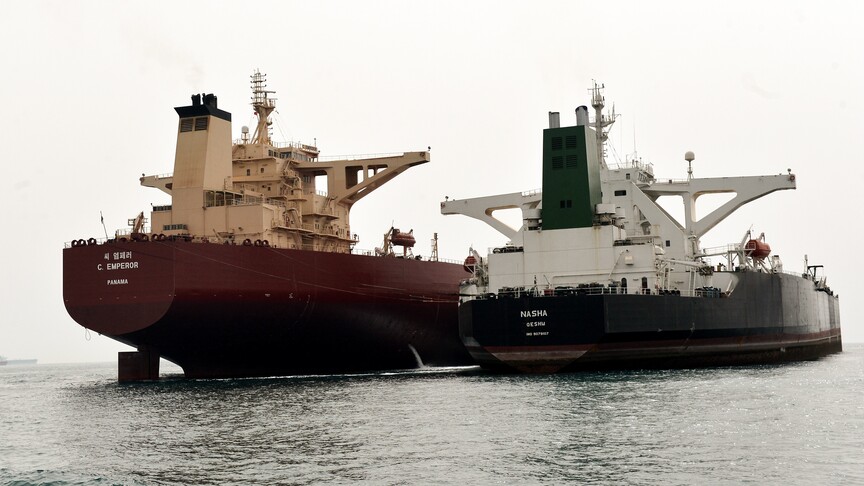
Satellite images and shipping data show little to no tanker activity at Kharg Island, Iran’s main oil export terminal, for at least the past week. The island handles nearly 90% of Iran’s seaborne crude shipments, as most of Iran’s coastline lacks sufficient depth for large oil tankers.
The US reimposed its naval blockade on Iranian ports in mid-July after an interim deal mediated by Pakistan to reopen the Strait of Hormuz collapsed. Within 17 hours of reimposing the blockade, US Central Command said it had “redirected” two commercial vessels attempting to run it. “The U.S. Military remains vigilant and prepared to ensure full compliance,” Central Command posted on social media.
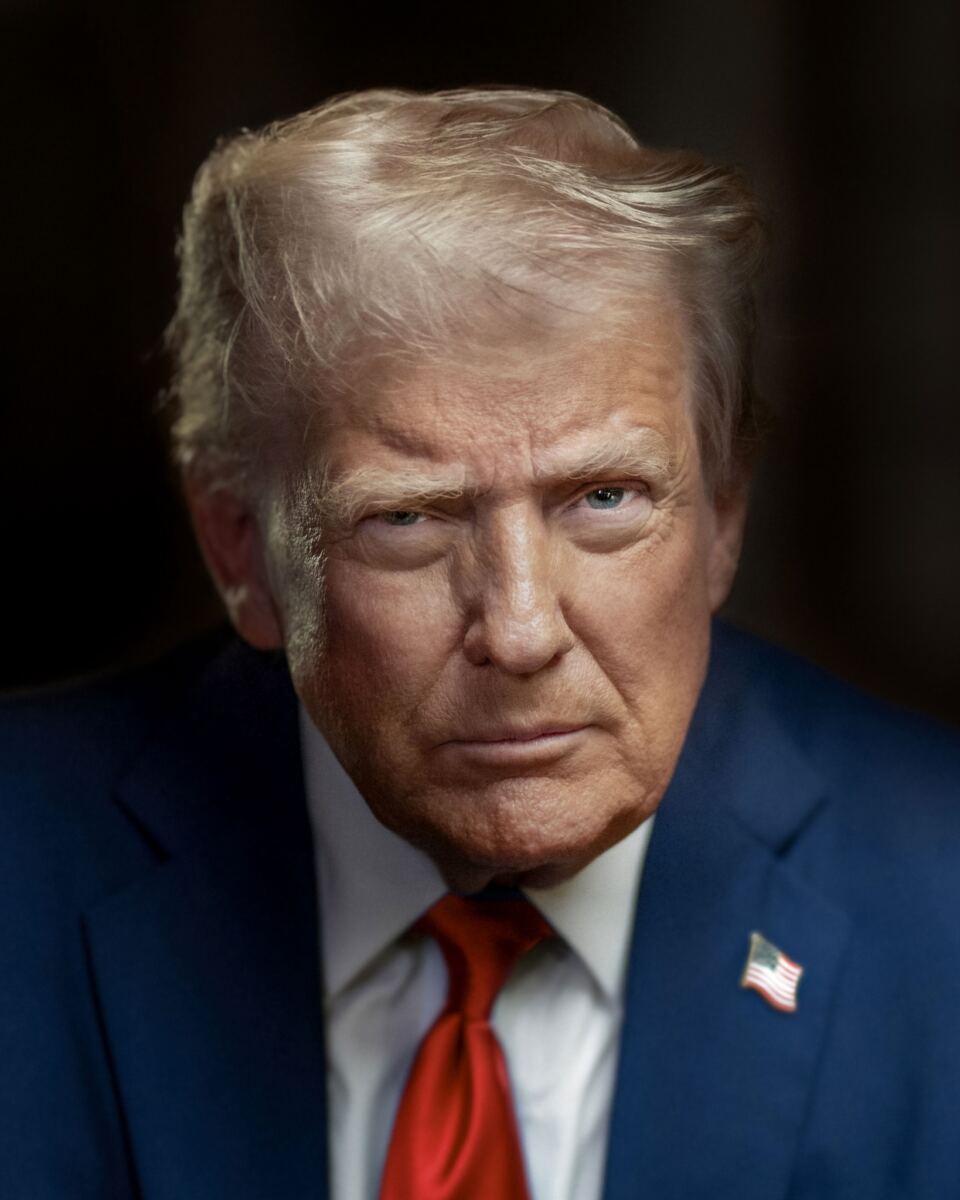
Trump, who has previously claimed Iran has no money to pay its troops, signaled he would maintain full economic pressure on Tehran. Treasury Secretary Scott Bessent has also threatened additional penalties beyond the blockade, warning that Operation Economic Fury would roll out further measures after already sanctioning money-changers, cryptocurrency and other revenue sources.
“The goal is be to hit Iran with economic isolation like the world has never seen before,” Bessent told Newsmax’s Rob Schmitt last week.
Iran, meanwhile, believes it can outlast the US in a game of economic chicken as the war has also taken its toll on America’s economy. Oil prices have remained stubbornly high with Brent crude, the international benchmark, hitting about $90 per barrel on Monday. The average US gas price has stayed above $4 per gallon in recent weeks, according to AAA.
Iran’s paramilitary Revolutionary Guard threatened Wednesday to halt all energy exports from the Middle East over the blockade. “The export of oil and gas from the region will be either for everyone or for no one,” it said.
The US carried out a wave of strikes hitting dozens of targets over seven hours overnight, Central Command said Wednesday, later resuming strikes during daylight in an unusual move signaling increasing tempo. One strike targeted a barracks for Iran’s 388th Mechanized Infantry Brigade, with Iranian state television reporting at least 13 missiles fired and seven dead including conscripts and career soldiers.
More than 30 people have been killed in recent days, Iranian government spokesperson Fatemeh Mohajerani said. Health Ministry spokesperson Hossein Kermanpour said over 260 people were wounded in overnight strikes alone.
Iran and the US had engaged in a fragile back-and-forth over the Strait of Hormuz. Trump said in a social media post in mid-July that the US would “assume total control” of Iran’s oil and gas industries, including the Kharg Island terminal, in the “not too distant future.” He later called off new military strikes just hours after threatening to hit Iran “VERY HARD TONIGHT,” suggesting progress in talks to extend a fragile ceasefire. The president’s threats came as escalating attacks pushed the Middle East closer to full-scale war, with efforts to negotiate an end to the conflict appearing stuck.
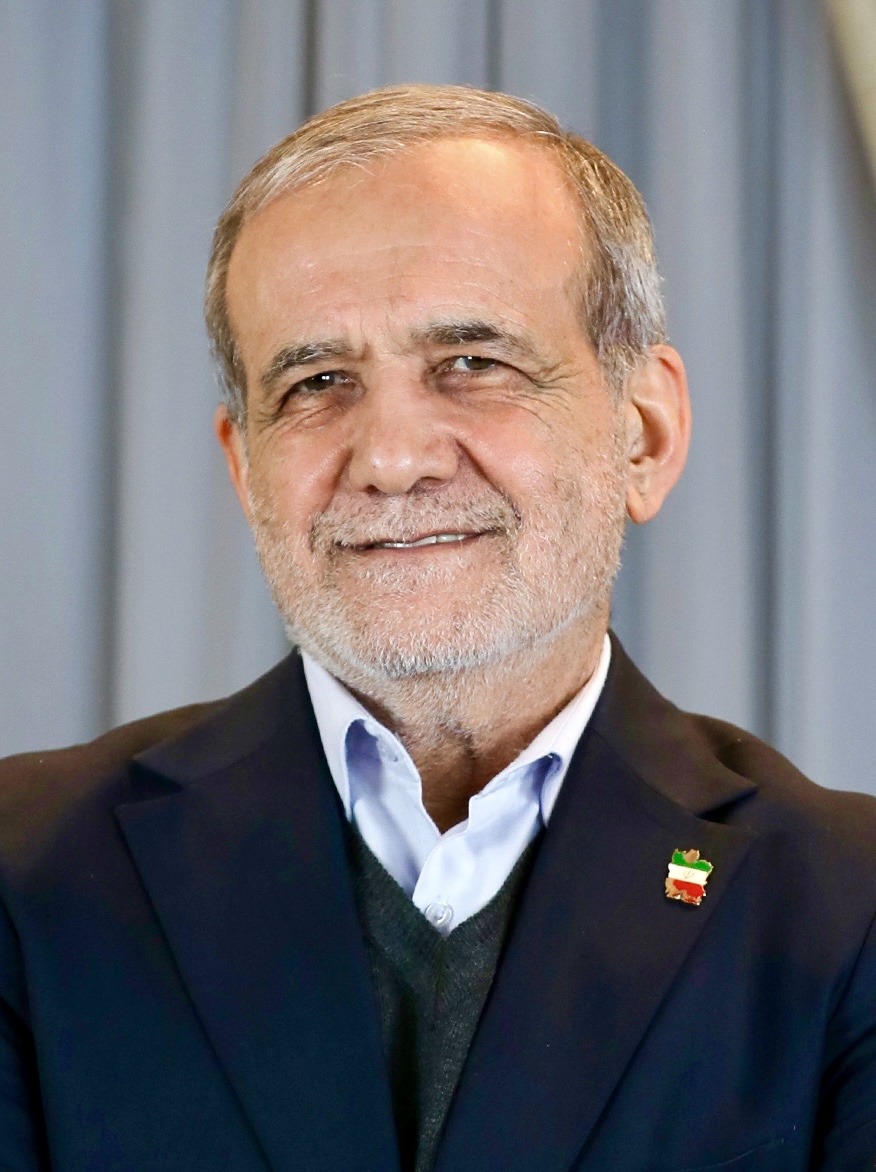
Iranian President Masoud Pezeshkian acknowledged on May 18 that Iran had “run into problems” exporting oil, the first such admission by a senior official since the blockade began in April. “They blocked the route and we are not exporting oil. We cannot export oil easily,” he said according to ISNA. “Such claims that we have not encountered problems are just talk.”
US Navy Adm. Brad Cooper, who leads Central Command, said in a statement that Iran had launched dozens of missiles and drones at neighboring Gulf Arab countries. Missile alert warnings sounded in Bahrain and Kuwait early Wednesday, with Jordan saying it shot down three incoming Iranian missiles.
Trump said Channel on Tuesday night that more US strikes would come over the next two days and that bridges and power plants could be targeted by next week unless negotiations resume. “You better make a deal, or you’re not going to have anything left,” he warned.
Iran’s ambassador to the United Nations, Amir Saeid Iravani, criticized America’s attacks in a letter to the world body’s leader according to state-run IRNA. “The U.S. Is the aggressor, not the victim,” he wrote.
Iran and the US are set to begin negotiations on a final settlement to their conflict on Friday in Switzerland at the Burgenstock resort overlooking Lake Lucerne.