

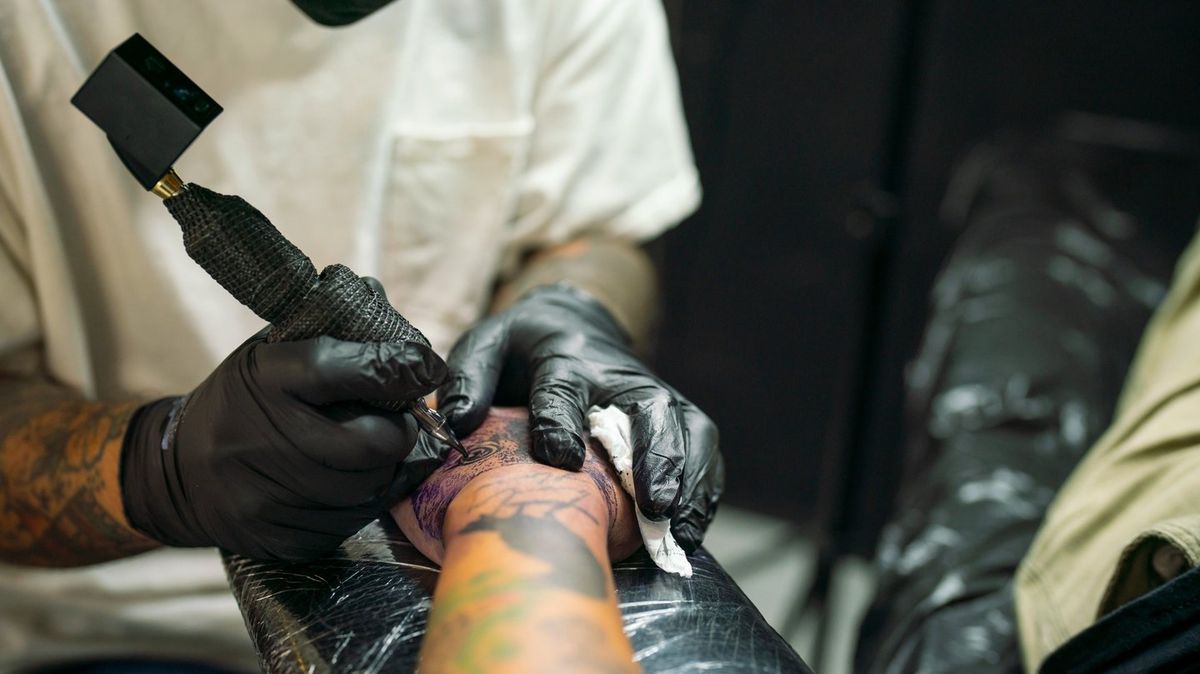
Tattoo artists at LLTattoo have ranked the five most excruciating spots on the body to get inked.
The experts, based in London, compiled the list after years of needling clients across every conceivable body part. Their findings center on a simple anatomical rule: less fat and thinner skin equals more agony. Mentor Dedaj, a spokesperson for the studio, laid out the core principle in comments to multiple outlets this week.
“It is important to realize that any tattoo hurts, and to not go to your appointment with false expectations,” Dedaj said. “It is generally areas with less fat and thinner skin that hurt the most, such as the rib cage and the knees, as there is less cushion for the needle.”
The genitals sit at number one on the studio’s pain index. The area’s dense concentration of nerve endings can broadcast pain signals throughout the entire body, and the exceptionally thin skin there amplifies every needle puncture. The experts noted that beyond raw physical sensation, the intimate nature of the placement adds psychological discomfort to the experience.
“Beyond the physical pain, a genital tattoo can also be quite uncomfortable due to the private nature of the body part involved,” the LLTattoo artists shared in their statement. “Those considering a tattoo in this area should be fully aware of the heightened pain levels and should discuss this with their tattoo artist beforehand. Professionalism and comfort with the tattoo artist are also crucial when getting a genital tattoo.”

The armpit claims second place. What makes this spot brutal is not just ticklishness but a perfect storm of thin skin, dense nerve clusters, and proximity to lymph nodes that can radiate discomfort throughout the session. Constant arm movement also turns healing into a prolonged ordeal.
“Additionally, the armpit’s close proximity to lymph nodes can result in further discomfort throughout the tattooing process,” the experts explained. “It can also be a difficult area to heal a tattoo due to the constant movement.” They flatly warned newcomers to steer clear: “An armpit tattoo shouldn’t be one of your first.”
The rib cage lands at third, notorious among ink enthusiasts and celebrities alike. Rihanna and Ariana Grande both carry rib tattoos, having endured the sharp pain of needles vibrating against bone with minimal flesh to buffer the impact. The rib area’s constant expansion and contraction with every breath layers additional misery onto an already intense session.
“When the tattoo needle hits the ribs, it causes a sharp pain, as there is little flesh to cushion the impact,” the artists detailed. “On top of this, the rib area expands and contracts with each breath, which can further heighten the pain during the tattooing session.”
Elbows and knees tie for fourth. These joints offer almost no muscle or fat padding, forcing the needle to skate directly over bone. The skin there is tougher and less elastic than elsewhere, and the relentless bending and flexing of daily life extends both the tattoo session and the recovery period.
“This results in the tattoo needle working closely over bone, which intensifies the pain,” the artists said of these joint placements. “The skin around the elbows and knees is also tougher and less elastic, making the tattooing process more painful,” They added that recovery brings its own punishment: “The frequent movement of these joints can also prolong the healing process and increase discomfort during recovery.”
Hands and feet round out the top five, with palms and soles singled out as especially torturous. The combination of dense nerve endings, thin skin layered over bone, and relentless daily use makes these tattoos a test of endurance from the chair through the weeks-long healing phase.
“This is largely because these areas have a high number of nerve endings and thinner layers of skin over the bone,” the experts observed. “Furthermore, the skin in these areas is subject to constant movement and exposure, which can complicate the healing process.” They advised anyone braving these spots to brace for “a diligent aftercare routine.”
Dedaj circled back to practical guidance for the pain-averse. “Areas with a high concentration of nerve endings, such as the armpit, are also notorious for being quite painful,” he noted. For first-timers, he recommended the outer forearm and upper arm as comparatively gentle entry points, “fleshy areas that are low on nerve endings.” He cautioned that even veterans should respect the challenge: “While they are never pleasant, they are bearable as long as you visit a reputable tattoo artist and prepare yourself beforehand.”