

A federal judge has ordered a massive trove of sealed case files from a Jeffrey Epstein-related lawsuit to be made public, potentially exposing new evidence against the dead financier and his imprisoned accomplice Ghislaine Maxwell.
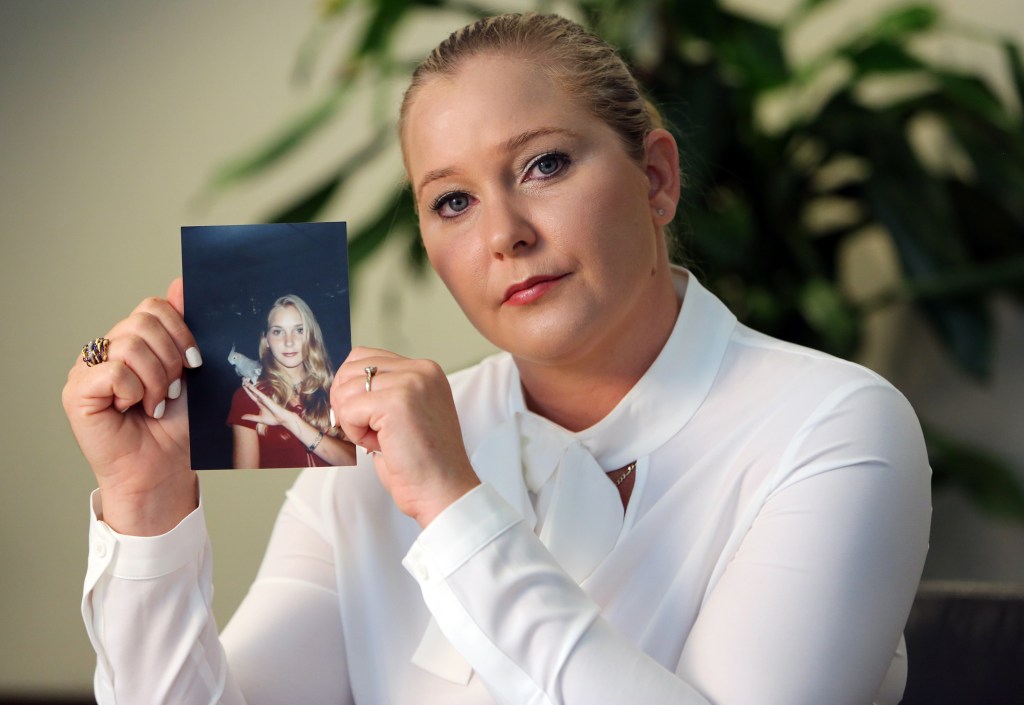
Miami Herald reporter Julie K. Brown, whose investigation is widely credited with triggering Epstein’s eventual arrest, wrote on her Substack Tuesday that Manhattan Federal Court Judge Loretta Preska ruled the documents must be unsealed. The files originate from a 2015 defamation suit filed by Virginia Giuffre, who died by suicide last year, against Maxwell after the British socialite accused her of fabricating sex-trafficking allegations.
Brown, who fought a nearly decade-long legal battle alongside The Herald to pry the documents loose, explained the origins of the sealing in her Substack post.
“Judicial records by law are supposed to be open to the public. In this case, the former judge (Robert Sweet, now deceased) issued a blanket sealing on all the documents because they contained ‘sensitive’ and ‘private’ information,” Brown wrote.
She continued: “Sweet placed a protective order on massive amounts of material, including hearings and judicial decisions made in the case — and voluminous evidence that Virginia presented to show that Epstein and Maxwell were operating an underage sex trafficking operation.”
Brown added that the sweeping seal violated standard procedure. “This is not the way sealing is supposed to happen, however. Each document that the lawyers want sealed has to be examined, and those requesting it be sealed must provide legal justification to the judge for doing so. This wasn’t done in this case.”
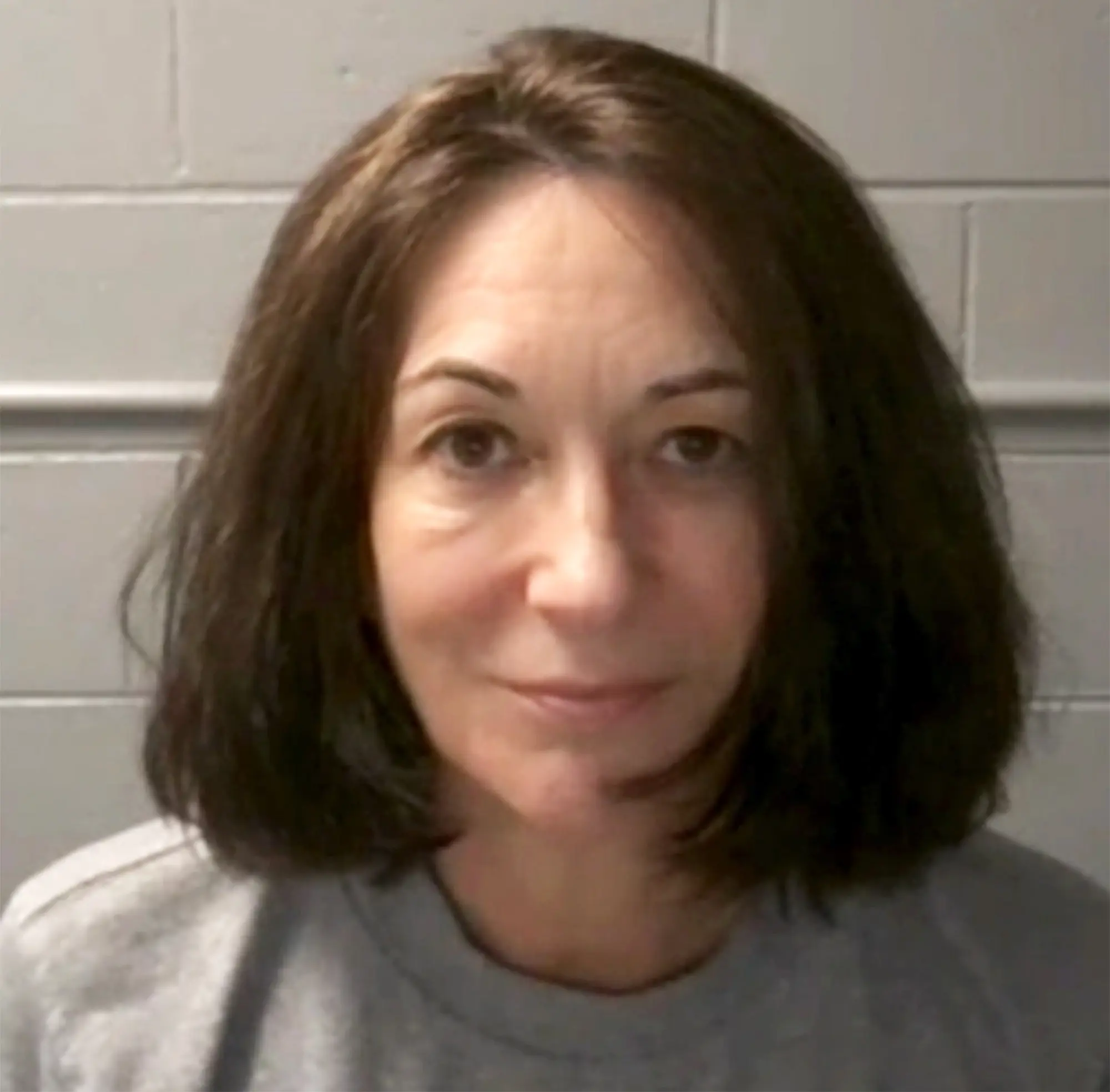
Maxwell, 64, made a last-ditch effort to halt the disclosure but was rebuffed. Brown reported that Judge Preska determined the “Epstein Files Transparency Act superseded any earlier grand jury arguments that Maxwell was using to keep the records from the public.” The federal law, passed to force disclosure of materials related to the Epstein case, effectively overrode Maxwell’s claims.
The imprisoned Maxwell is currently serving a 20-year sentence handed down after her 2021 conviction on federal sex trafficking charges. Prosecutors proved she helped Epstein recruit and abuse underage girls over the course of years.
Epstein himself was found dead in his Manhattan jail cell in August 2019 while awaiting trial on his own sex trafficking indictment. Authorities ruled his death a suicide, though the circumstances have fueled persistent conspiracy theories.
Giuffre’s 2015 defamation suit against Maxwell exposed the extent of Epstein’s operation but was quickly buried under protective orders. The case settled in 2017, leaving thousands of pages of depositions, evidence lists, and correspondence hidden from public view. Giuffre went on to become the most visible of Epstein’s accusers, filing lawsuits against Prince Andrew and others before her death in 2023.
Brown’s reporting for The Herald in 2018, particularly the “Perversion of Justice” series, revealed how federal prosecutors in Florida had cut Epstein an extraordinarily lenient non-prosecution deal in 2008 despite substantial evidence of crimes involving dozens of minors. That reporting helped trigger the federal prosecution that led to Epstein’s 2019 arrest.
The newly ordered release could shed light on previously unknown associates, victims, and operational details of Epstein’s sex trafficking ring. Earlier document releases from related litigation have named prominent figures including former President Donald Trump, Prince Andrew, Bill Clinton, Alan Dershowitz, and others, though inclusion in filings does not constitute evidence of wrongdoing.
Legal experts note that Preska’s ruling represents a significant breach in the wall of secrecy that has surrounded Epstein’s activities for decades. The blanket sealing by the late Judge Sweet had effectively buried not merely embarrassing personal details but substantive evidence of criminal conduct.
The timing of the unsealing remains unclear as court staff prepare the voluminous files for public release, a process that typically involves redacting certain personal information.
Advocates for transparency have pressed for full disclosure since Epstein’s arrest, arguing that the public has a right to understand how his operation functioned and who enabled it. Maxwell’s legal team has consistently fought such releases, citing privacy concerns and potential prejudice to her ongoing appeals.
The document trove could also illuminate the scope of Epstein’s wealth and how he moved money to facilitate his crimes, including purchases related to his private Caribbean island where much of the abuse occurred.
Federal authorities have previously released tranches of Epstein-related materials, including flight logs from his private jets and address books containing contact information for global elites. Each release has generated intense public interest and media scrutiny.
Brown indicated in her Substack post that The Herald intends to publish and analyze the documents as they become available, continuing the reporting that first pierced the veil of secrecy around Epstein’s crimes.