

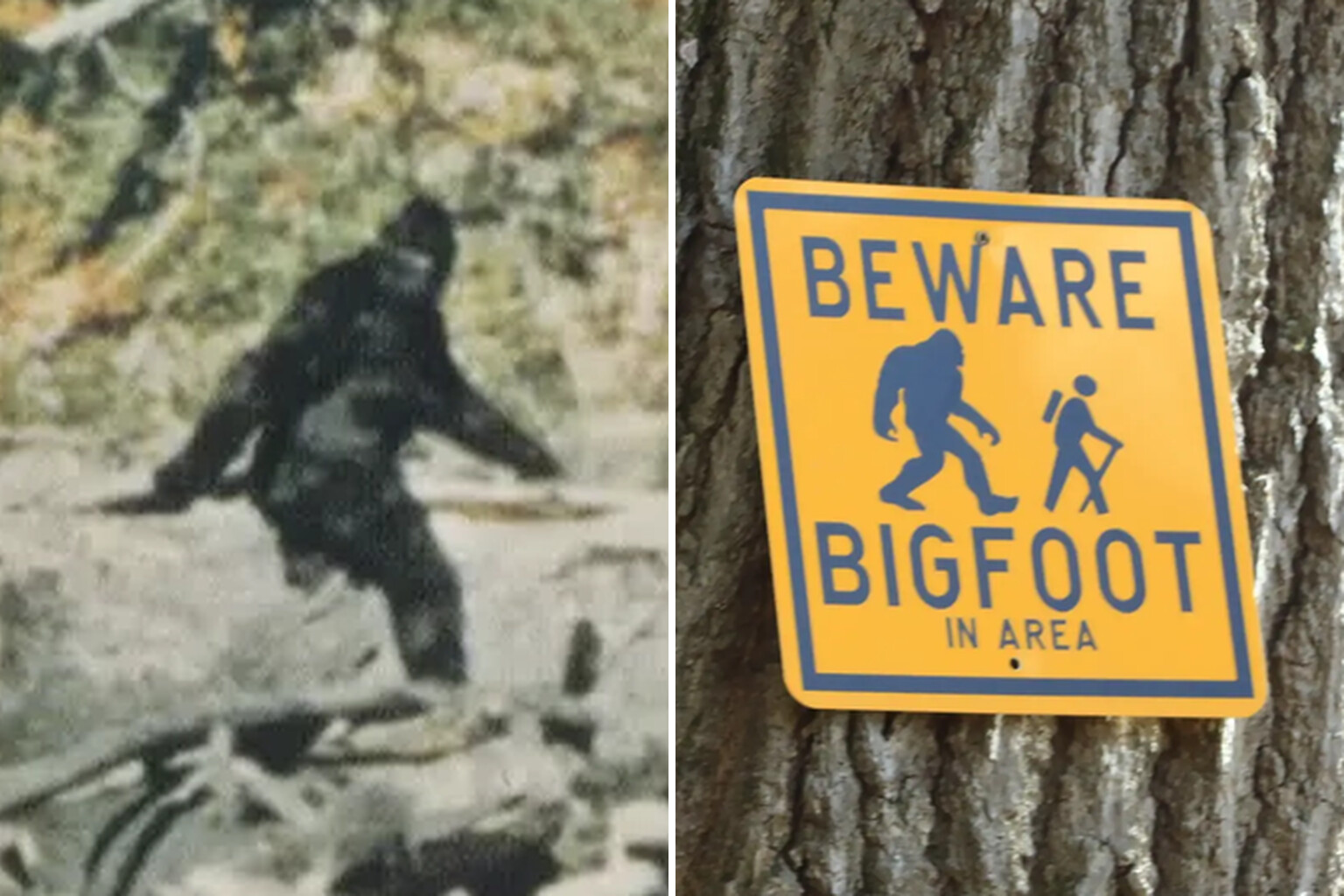
A new documentary claims to have solved the nearly six-decade mystery behind the world’s most famous Bigfoot footage.
Director Marq Evans spent years investigating Roger Patterson, the cowboy from Yakima, Washington, who shot the 59-second clip on October 20, 1967 in Northern California. Evans’s film, “Capturing Bigfoot,” premiered at SXSW and is set for release on Amazon Prime Video on October 20 — National Bigfoot Day. The documentary argues that Patterson, far from being a lucky bystander who stumbled across the legendary creature, was a longtime Bigfoot obsessive who had been describing a Sasquatch-like being for years before he ever claimed to film one.
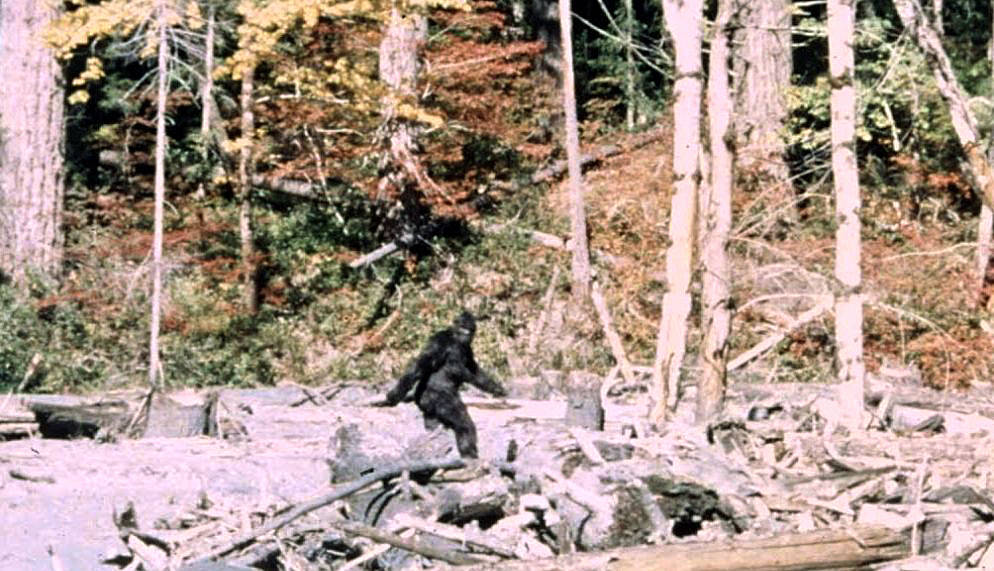
The original 16mm footage shows an ape-like figure walking through a sunlit forest of birch trees, roughly 100 feet from the camera. The creature appears to turn its head toward Patterson before continuing on its way. For decades, believers have pointed to the film’s unusual level of detail — visible muscles and apparent mammary glands that suggested a female specimen — as proof that no simple hoax could have produced it.
The documentary’s breakthrough came not from analyzing the famous footage itself, but from unearthing a never-before-seen rehearsal film shot one year earlier. This earlier clip shows a reported friend of Patterson walking on camera in a manner that Evans presents as nearly identical to the gait of the supposed Bigfoot. The similarity between the friend’s movement and the creature’s lumbering walk forms the documentary’s central piece of new evidence.
Former Universal Studios makeup artist Bill Munns had previously argued that even Hollywood would have struggled to create a costume convincing enough to match what appears in Patterson’s 1967 film. “Capturing Bigfoot” counters this claim by revealing Patterson’s background as a DIY visual artist whose father’s shed contained numerous second-hand fur coats — materials that could have been used to construct a homemade suit.
The documentary also delves into Patterson’s personal financial motivations. The original footage made him what would today amount to millions of dollars, with residual checks continuing to arrive for years afterward. Patterson died in 1972, just five years after releasing the film, but the footage kept generating income for his estate long after his death.
The 1967 clip has remained one of the most analyzed pieces of film in cryptozoology history, with generations of believers and skeptics debating everything from the creature’s muscle structure to the impossibility of faking such detail on a 16mm camera. Various experts over the decades have attempted to enhance, stabilize, and computationally analyze the footage, with no definitive proof of hoax or authenticity emerging until Evans’s documentary team began its investigation.
The Patterson-Gimlin film, as it is formally known, was shot alongside Bob Gimlin, who accompanied Patterson on horseback into the Bluff Creek area of Del Norte County, California. Gimlin has maintained for decades that the encounter was genuine, and his role in the expedition has been scrutinized alongside Patterson’s. The documentary’s new claims about Patterson’s pre-existing obsession and the rehearsal footage raise fresh questions about what Gimlin did or did not know about his partner’s preparations.
The film’s SXSW premiere sparked intense debate within online Bigfoot communities, with some members accusing Evans of destroying a foundational piece of cryptozoological evidence while others welcomed what they saw as long-overdue clarity. The documentary’s marketing leans into this controversy, with promotional materials framing the revelation as the definitive end to a 59-year argument.
“Capturing Bigfoot” will be available to rent or buy on Amazon Prime Video from October 20.