

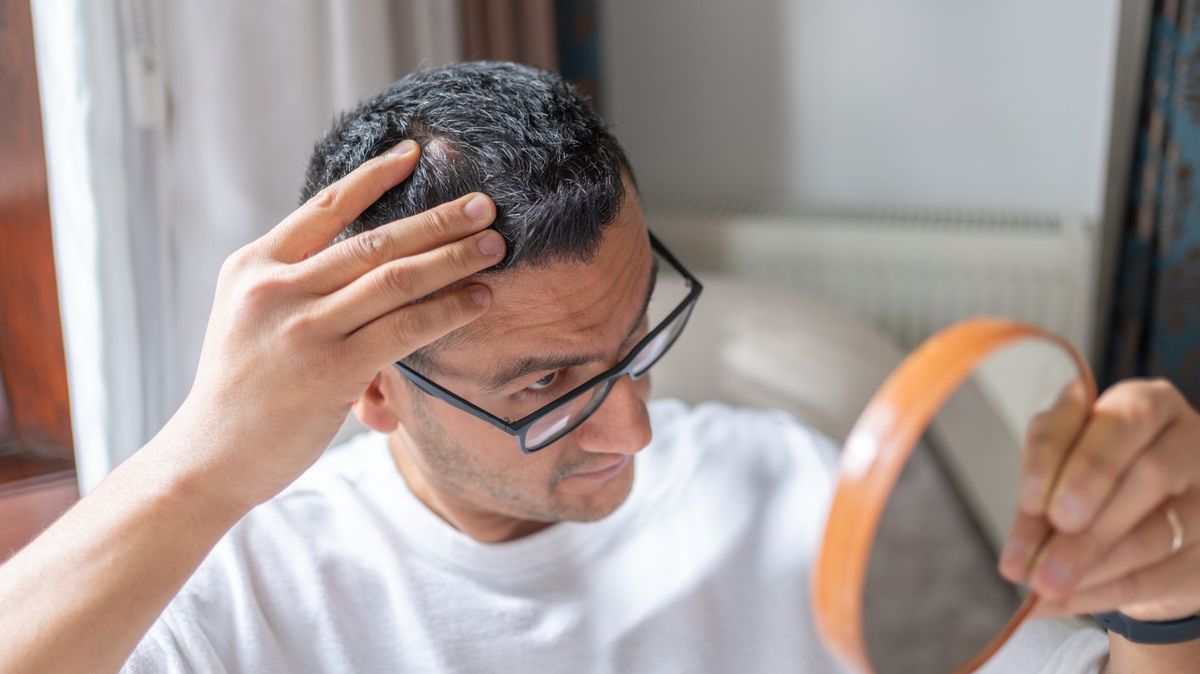
A hair restoration specialist has warned men to check their scalps for little-known warning signs of skin cancer.
Dr. Abdulaziz Balwi, a doctor specializing in hair transplantation, said that men with thinning hair or baldness face heightened risk because they lack the protective layer of hair that shields the scalp from sun damage. Balwi explained that human heads evolved to keep thick hair as a natural barrier against ultraviolet radiation, long before humans invented hats and sunscreen.
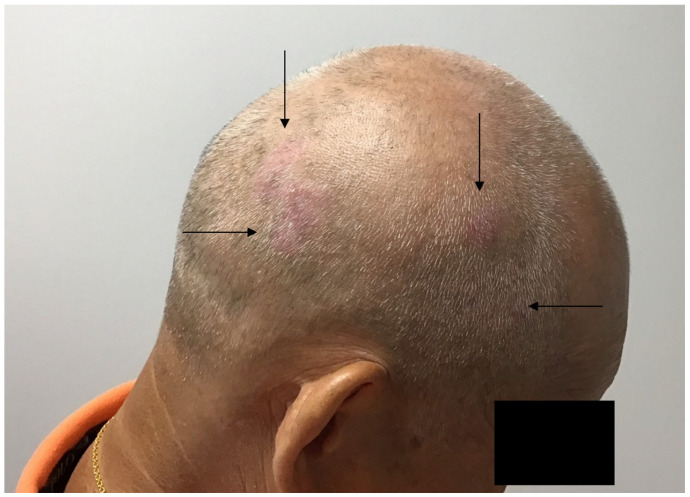
“Hair loss feels like an immediate cosmetic concern, while skin changes are easier to dismiss because they may not hurt,” Balwi said in the interview. He noted that this dismissal can prove dangerous when potentially cancerous spots go unchecked for months or years.
Balwi outlined specific warning signs that should prompt immediate medical attention.
“Any spot that changes, bleeds, repeatedly forms a scab, does not heal or looks noticeably different from the surrounding marks should be examined,” he advised. He added that men too often treat sun protection and skin checks as optional rather than essential health practices.
The doctor identified a key evolutionary reason behind the elevated risk. He explained that humans developed thicker hair on their heads compared to other body parts to protect against direct sunlight. Bonobos and chimpanzees, by contrast, maintain thick hair across their entire bodies. When men lose this natural protection through balding, many fail to adapt their sun-protection habits accordingly.
“A thinning or bald scalp is no longer protected from direct sunlight, and many men do not adjust their sun-protection habits as their hair loss progresses,” Balwi said. He revealed that when he asks patients about their skincare routines, the responses are often alarming.
“Quite often, the answer is that they use sunscreen only at the beach, have never applied it to the scalp and do not check their skin unless something hurts,” Balwi revealed. He stressed that this casual approach to sun exposure carries serious consequences.
“This is one of the reasons men may be more likely to develop skin cancer,” he added. “Many of them do not think about daily sun exposure as something that accumulates.”
Balwi emphasized that the danger extends far beyond beach vacations. He listed everyday activities including driving, working outdoors, playing sports, gardening, or simply sitting outside as sources of cumulative ultraviolet damage.
“The skin does not distinguish between a beach holiday and an ordinary afternoon in the sun,” he said.
The good news, according to Balwi, is that protecting the scalp requires minimal effort.
“Self-care does not need to involve a complicated routine,” he said. “For a man with thinning hair, it should include applying sunscreen to the exposed scalp, wearing a hat that provides proper coverage and checking the scalp, ears and neck regularly.”
He offered one additional practical suggestion for early detection.
“Asking a partner to examine areas that are difficult to see can also make a significant difference,” he added.
Balwi’s warnings have circulated widely as balding men seek guidance on protecting exposed skin. The message arrives amid growing medical recognition that scalp skin cancer represents an underdiscussed risk, particularly for aging men who may prioritize hair restoration over skin preservation.
Research published in the journal Cancers supports Balwi’s concerns, with dermatologists noting that scalp carcinomas occur more frequently in men than women and that androgenetic alopecia beginning in the 20-to-30-year age range leaves men vulnerable for decades. The same research suggests that hair may provide immunological protection beyond simple physical shielding, meaning its loss creates a double vulnerability.
Balwi’s core message centers on reframing how men approach hair loss. Rather than viewing baldness purely as a cosmetic issue, he wants patients to recognize it as a medical transition requiring new protective behaviors.
“Men do not need an extensive skincare collection, but they do need to stop treating sun protection and skin checks as optional,” he said.