

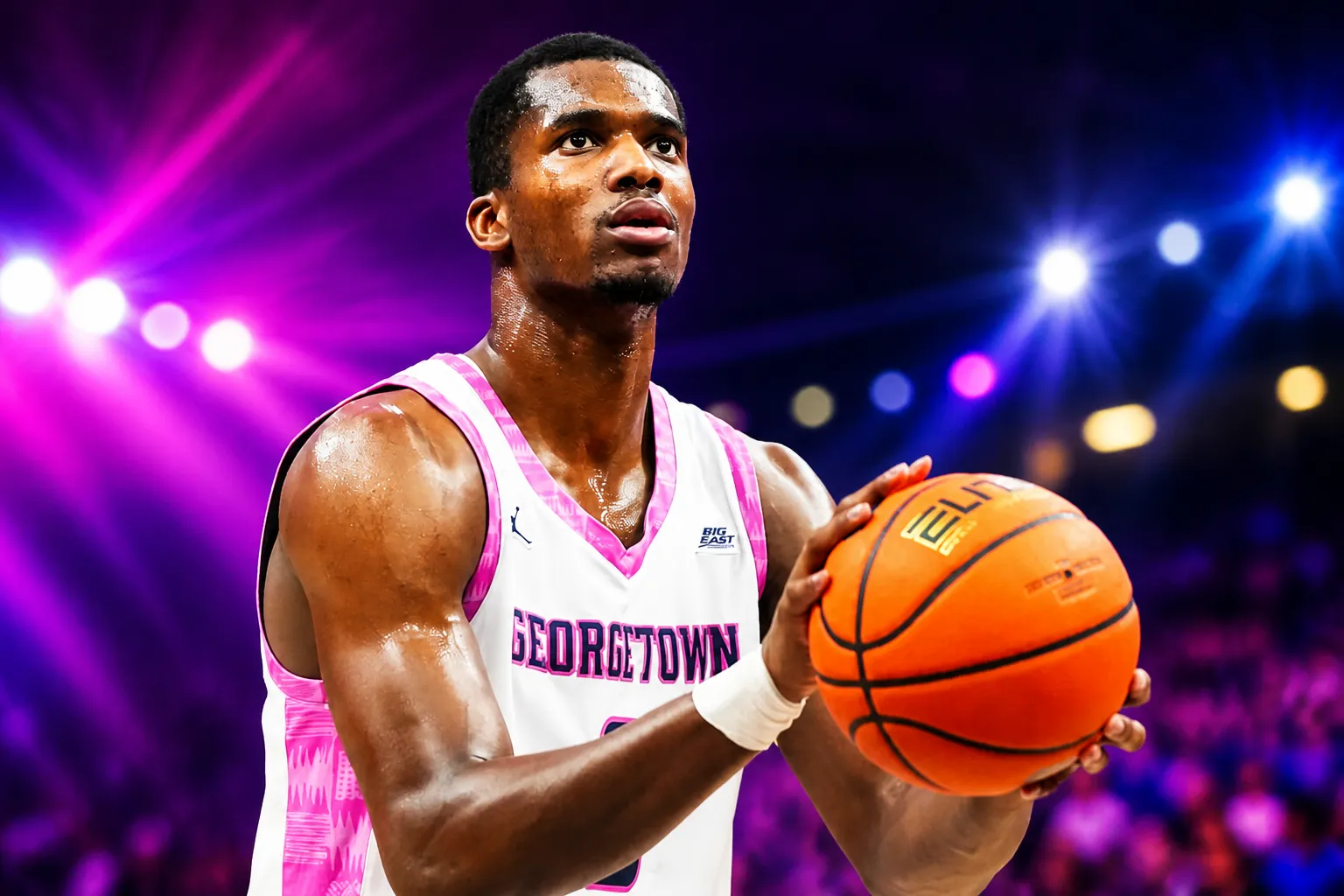
Vincent Iwuchukwu won a court ruling allowing him to play another NCAA season.
The 22-year-old, Germany-born center sued the NCAA on August 14 in Queens Supreme Court after the organization excluded his 2022 high school class from a new age-based eligibility rule. Iwuchukwu, 7’1″, had already played four collegiate seasons at USC, St. John’s, and Georgetown, and needed a fifth year to secure medical clearance for NBA consideration in 2027. A judge granted his motion for a temporary restraining order on August 18, declaring him temporarily eligible to pursue opportunities and practice while forbidding the NCAA from punishing him or any school for doing so.
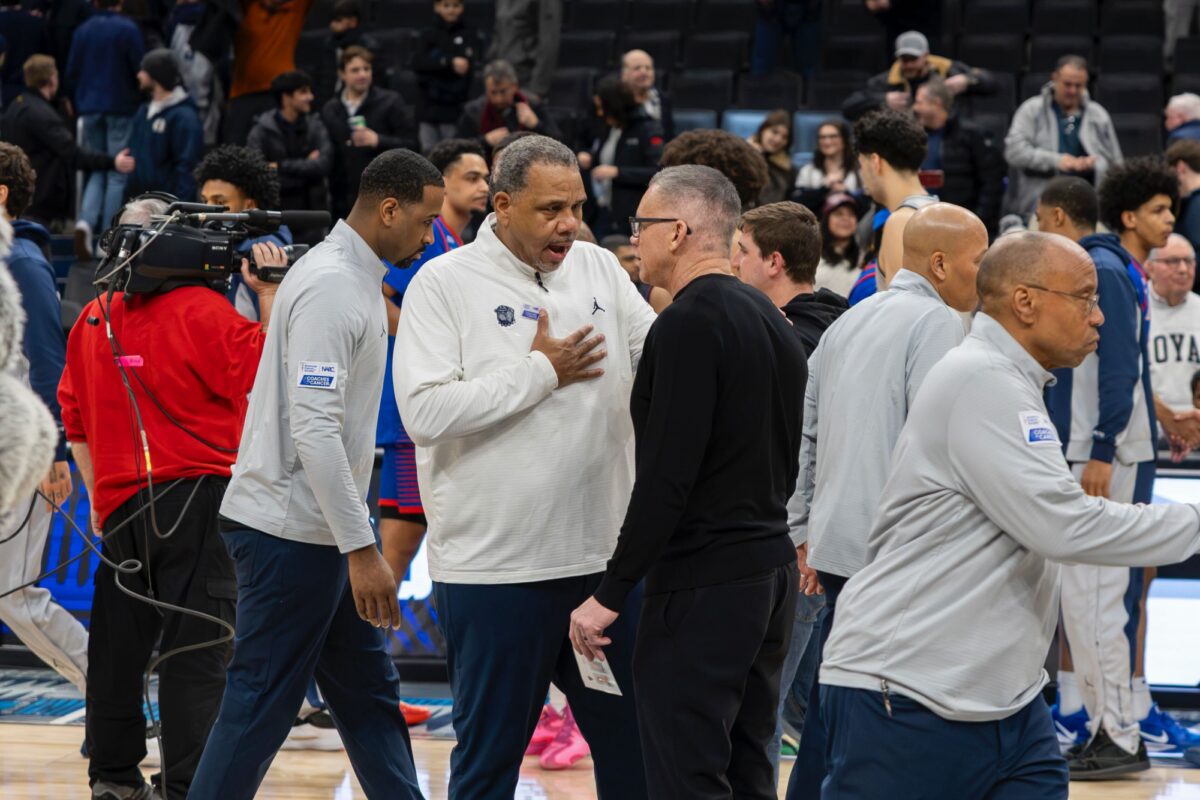
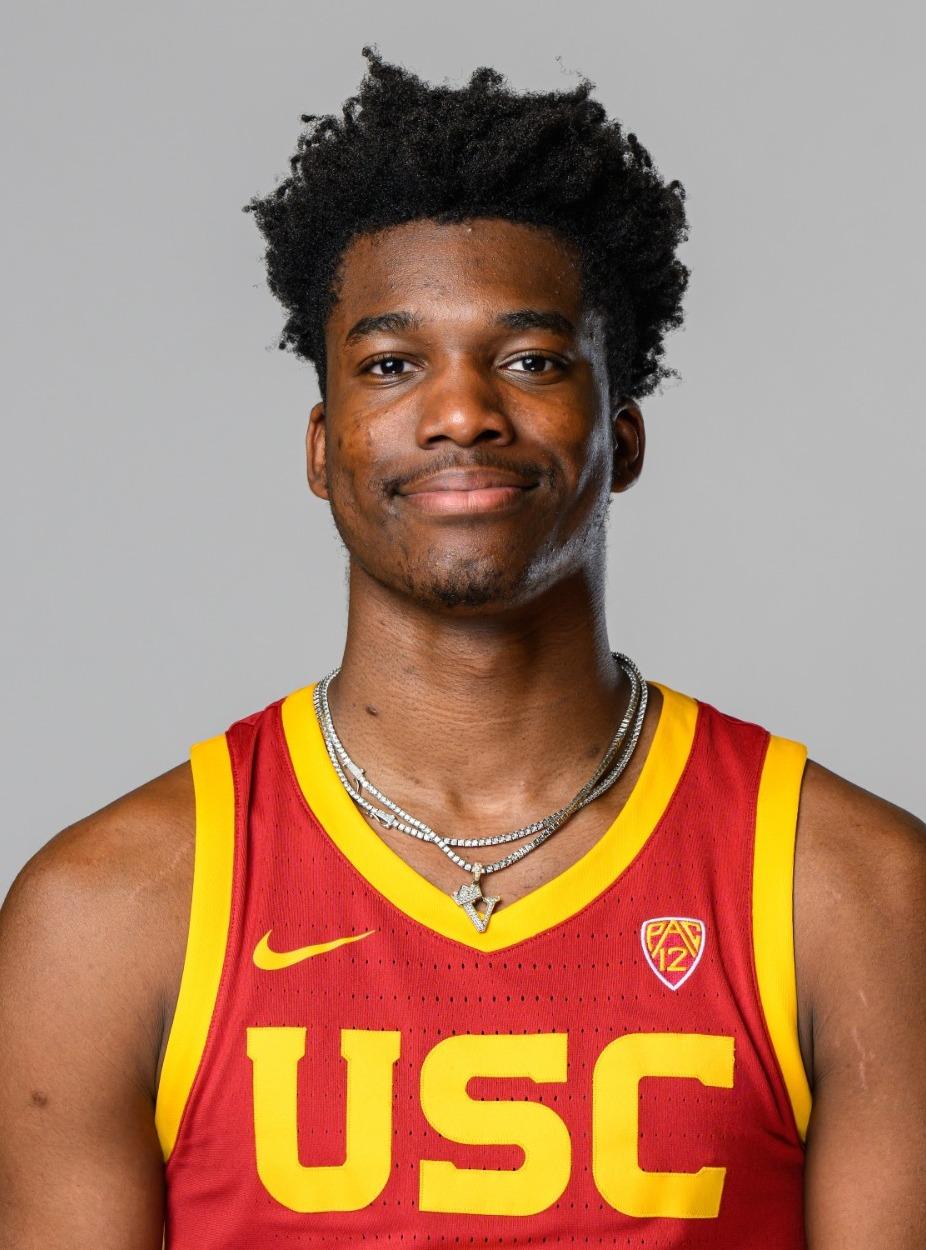
The NCAA’s new rule, implemented in June, replaced the “four seasons in five years” model with an age-based system allowing unlimited seasons within five years. But the organization did not apply the change retroactively to the class of 2022, leaving Iwuchukwu and others in his cohort without a path to a fifth season. His lawyers argued in court filings that the harm was immediate and irreversible. “If he does not play this season, that evaluation will not occur on schedule and cannot be recreated. The harm to Vincent is now,” they wrote in the lawsuit.
Brandon Leopoldus, one of Iwuchukwu’s attorneys, told The Post that the NCAA’s exclusion was careless. “To take that opportunity away from [the class of 2022] is frankly just cavalierly and without much thought,” he said.
The court’s ruling came within days of the filing, a rapid victory for the player who has repeatedly battled back from career-threatening setbacks. Iwuchukwu is now considering return offers from St. John’s and Georgetown, as well as interest from other universities, and plans to make a decision this week.
Iwuchukwu suffered a sudden cardiac arrest on July 1, 2022, during his first practice as a USC Trojan. “It really happened instantaneously. I wasn’t really feeling a particular way before going into that practice,” he recalled. “Then I was gone, so I couldn’t really tell what was happening.” Doctors never determined the cause, but implanted a defibrillator in his chest. He returned to play in January 2023 under a twenty-minute-per-game medical restriction, appearing in fourteen games and averaging 5.4 points and 2.5 rebounds. Back herniations and spasms required lumbar discectomy surgery that March, cutting his freshman year short again. Georgetown later sought a hardship waiver for the abbreviated season, but the Big East Conference and NCAA denied the request because his participation exceeded the ordinary thirty-percent limitation and USC allegedly did not provide sufficient documentation. The NCAA rejected two requests for reconsideration.
After transferring to St. John’s for the 2024-25 season, where he primarily backed up Zuby Ejiofor, Iwuchukwu moved to Georgetown for 2025-26 and flourished. He averaged 11.6 points and 6.1 rebounds per game, showing the potential that made him a consensus top-15 national recruit and No. 4 center in the 2022 class. But his most recent season ended with another medical procedure that caused him to miss ten games, according to Georgetown student newspaper The Hoya. At season’s end, his physician—who serves on the NBA’s professional fitness-to-play panel and had implanted his defibrillator—determined he needed one more collegiate season to secure the medical evaluation necessary for NBA clearance in 2027.
“I think the biggest battle was probably mentally, telling yourself that, ‘You’re okay, I can play,'” Iwuchukwu told The Post about his journey back.
The NCAA has fought similar challenges across multiple states. In Ohio, a judge granted a preliminary injunction to other athletes excluded from the new rule, prompting the organization to condemn that ruling as “wrong” and vow to “immediately seek all avenues for reversal, including a stay of the court’s order pending appeal.” The NCAA has also pressed Congress for federal legislation, stating after the Ohio decision that “Congress must act swiftly to restore stability, uniformity, and fair competition in college athletics.”
Iwuchukwu, for his part, has embraced the persistence his path demanded. “The NCAA told me no, but the ball kept rolling on colleges and the pros. So nothing stops. Be patient, keep working, and things will wind up working out in your favor,” he said, adding, “I’m feeling good.”
A hearing on Iwuchukwu’s motion for a preliminary injunction is scheduled for September 1 at 10:00 AM ET in Queens Supreme Court.