

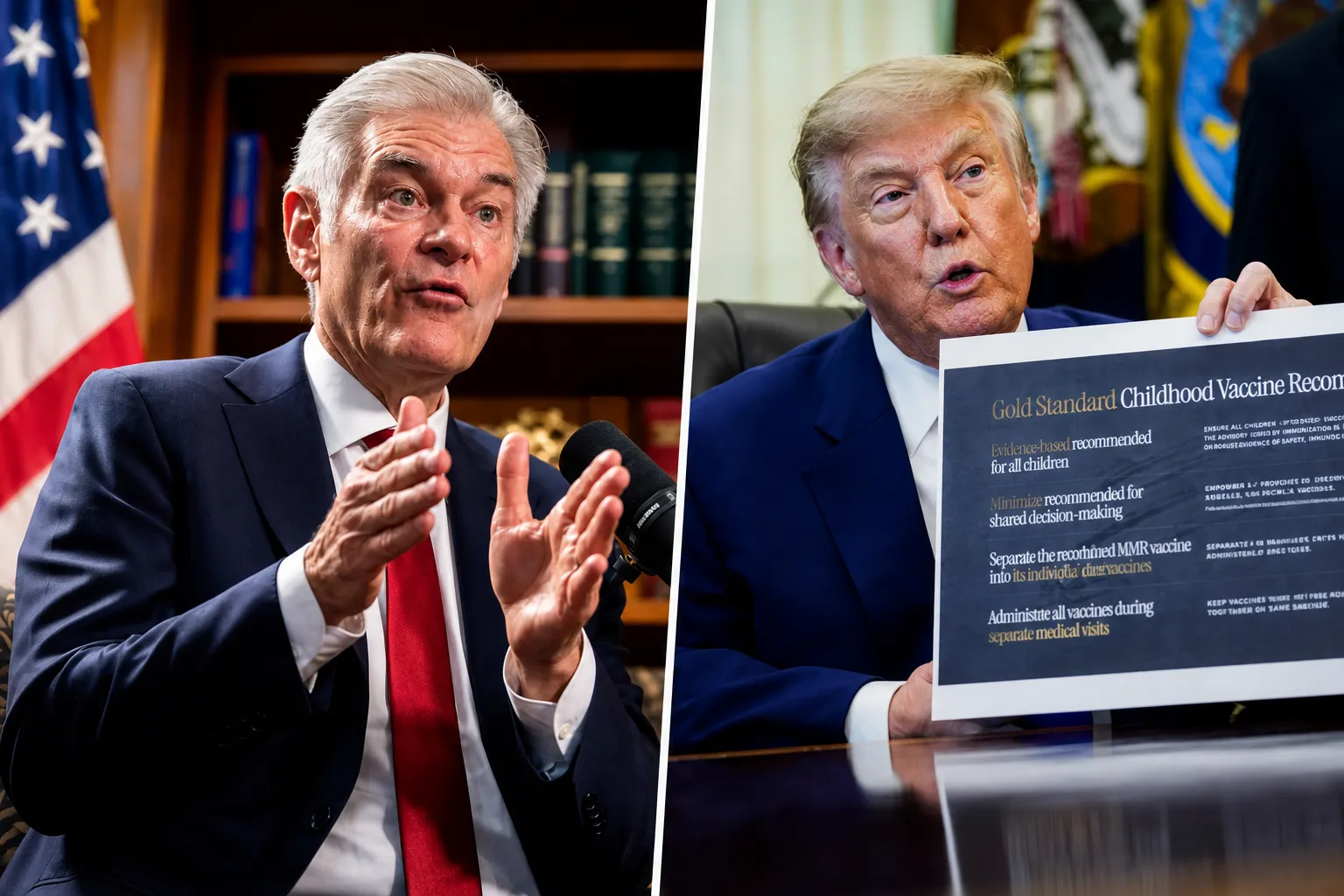
Dr. Mehmet Oz clarified Sunday that the MMR vaccine is not lethal, pushing back against President Trump’s earlier suggestion that the combined shot could pose a deadly risk.
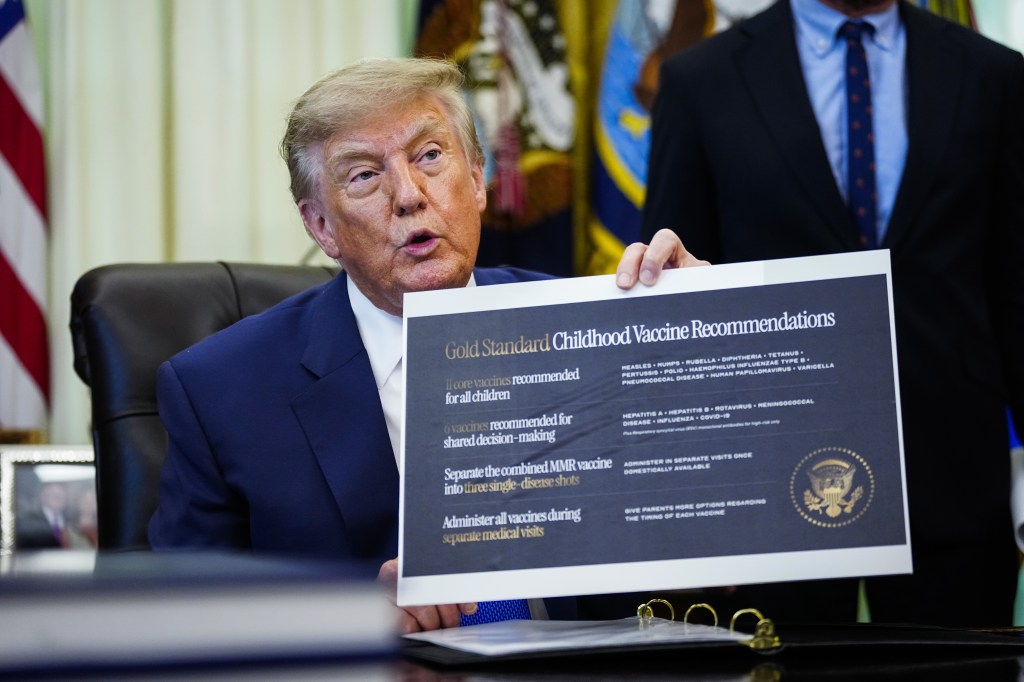
Oz, 64, the administrator of the U.S. Centers for Medicare and Medicaid Services, made the statement during an appearance on CBS News’ “Face the Nation” on Sunday. He was responding to comments Trump made on Aug. 10 when signing an executive order that seeks to separate the measles, mumps, and rubella vaccine into three distinct inoculations.
“The MMR vaccine is not a lethal vaccine, and it is offered in other countries,” Oz told “Face the Nation.”
Trump had sparked controversy during the signing ceremony by suggesting safety concerns about the combined formulation. “In three separate vaccinations, given at separate times, together there could be a possibility they’re quite lethal,” Trump said at the time. “And separately, it looks like they are not at all lethal, but just very effective. So the MMR, we want to have separate, separate visits, separate times.”
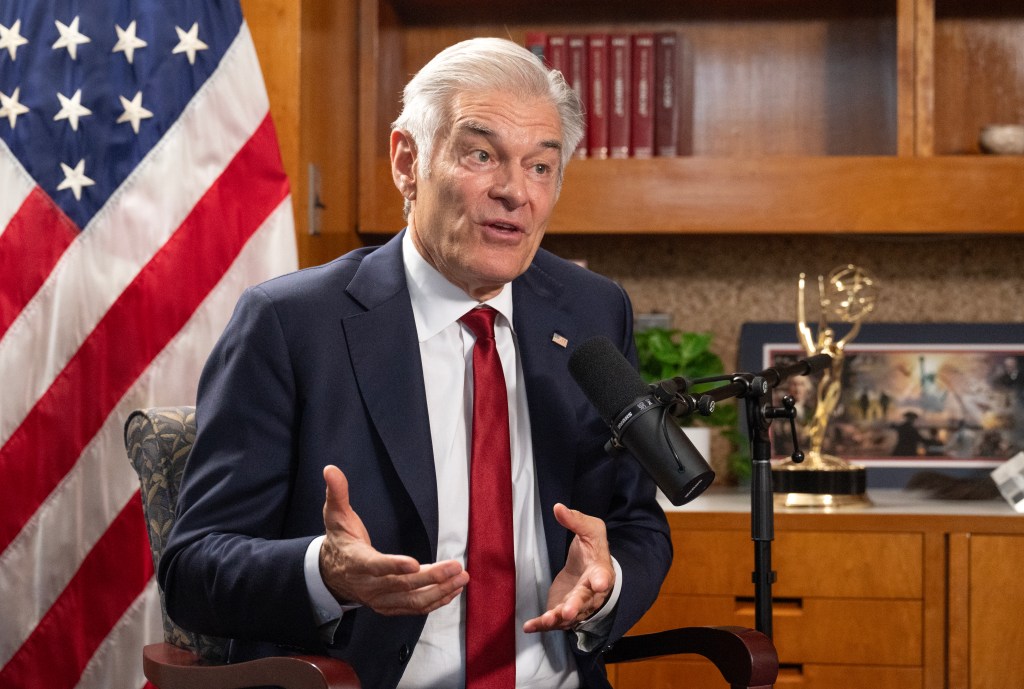
Oz defended the executive order despite his clarification on the vaccine’s safety, framing it as a matter of parental choice rather than medical necessity. “We’re going to pay for the vaccines no matter what,” he said, referring to CMS. “This comes back to a much more fundamental issue. Do parents have the right to ask questions?”
The two-shot MMR vaccine has been the recommended standard in the U.S. Since 1989. Most major developed countries, including the United Kingdom, Canada, and Australia, maintain similar MMR recommendations.
Oz explained that while states ultimately determine MMR vaccine requirements for children, Trump’s executive order aims to push states to “offer parents either eligibility because of religious beliefs or other reasons why they may not want to have their kids take all the vaccines in order.”
Critics have noted that separating the vaccines would require new Food and Drug Administration approvals for individual measles, mumps, and rubella vaccines, a process that could take considerable time. Sen. Bill Cassidy (R-La.), who chairs the Senate Committee on Health, Education, Labor, and Pensions, raised practical concerns about the proposal.


Cassidy warned that requiring separate appointments could create logistical complications for working parents who would need to take additional time off work to complete their children’s immunization schedules.
During the wide-ranging interview, Oz also addressed projections that the Hospital Insurance Trust Fund faces insolvency in approximately seven years, which would trigger an automatic benefits cut of about 11% according to the Committee for a Responsible Federal Budget.
“The plan is the Great American Health Act, and that is going to include codifying the Most-Favored-Nation Drug Pricing, which helps,” Oz said of the administration’s response. “The fraud, waste, and abuse issue is important.”
“I’ll just put it in the context of what you just gave me: the insolvency of the Medicare trust fund, which is going to happen in six to seven years, it’ll last twice as long,” he added.
Trump had signed the executive order on Aug. 10 while explicitly questioning whether the combined MMR vaccine could be dangerous. His remarks immediately drew scrutiny from public health experts and lawmakers who noted that decades of research support the safety of the combined formulation. The executive order directs federal agencies to take steps toward making separate vaccines available, though the timeline for implementation remains unclear given regulatory requirements.
Oz is scheduled to continue his media appearances to discuss the administration’s health policies in the coming days.