

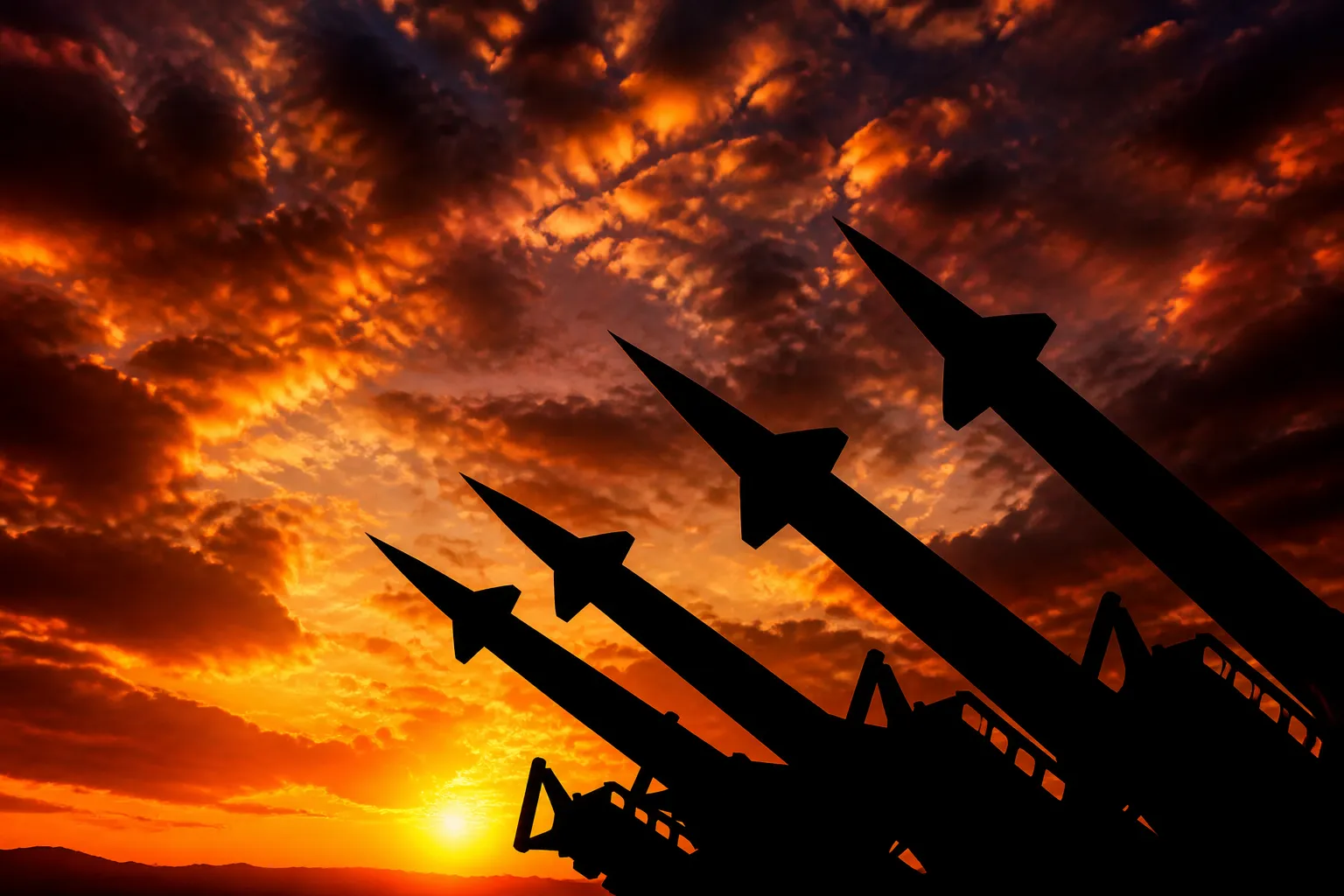
A list of the safest European countries to live in if a nuclear war broke out has been revealed, as US intelligence has reportedly warned Russia against attacking a NATO member.
While the question of which country would offer the best chance of survival in the event of a nuclear war has long been a point of contention, experts are now taking it increasingly seriously. The short answer is that it completely depends on exactly where you are in the world when the blast occurs. However, some European countries are more vulnerable than others, according to experts.
Given their central location and strategic importance within NATO, Germany, Poland, and Italy are considered ‘high-risk’ zones, as per AS. Experts suggest that if a strike originated in Russia, for example, the Baltic states — Estonia, Latvia, and Lithuania — would feel the most devastating consequences.
Nations like Portugal and Ireland could potentially offer the best chance of avoiding an initial blast, given their distance from potential likely targets. But while they are included on the list of so-called ‘safer’ countries, there is also a caveat. Scientists have warned that no country would be completely immune to the effects of a nuclear blast, with radiation in the atmosphere.
And if the target was NATO, chances deplete even further. Experts have suggested that not even countries considered neutral, including Austria and Switzerland, would be completely safe from the fallout.
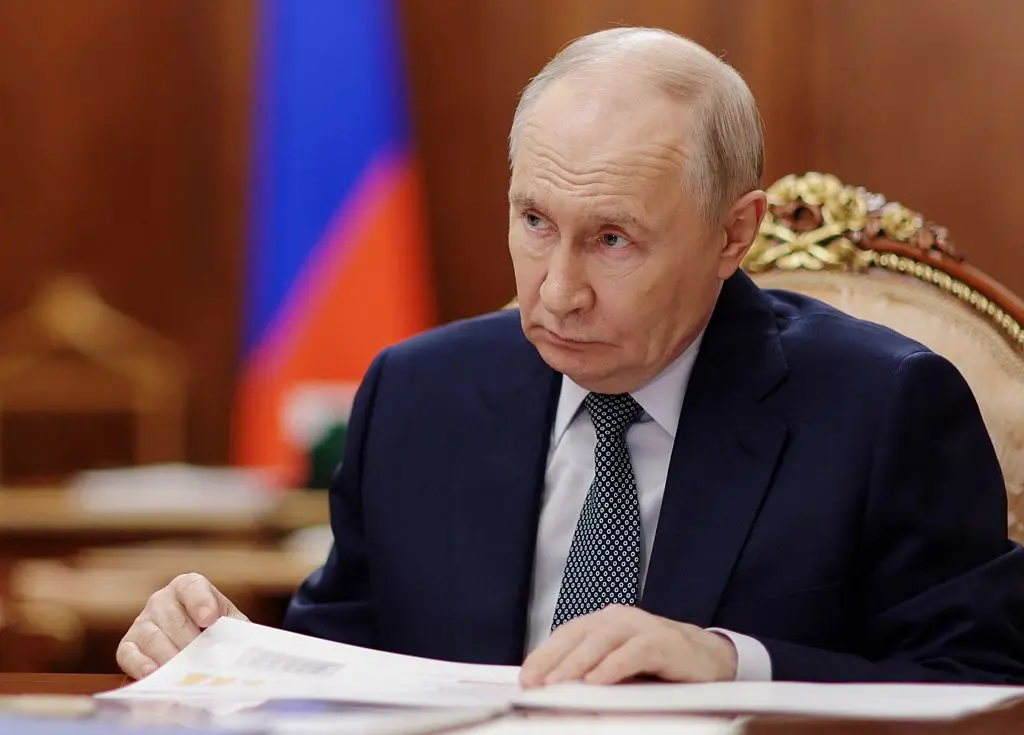
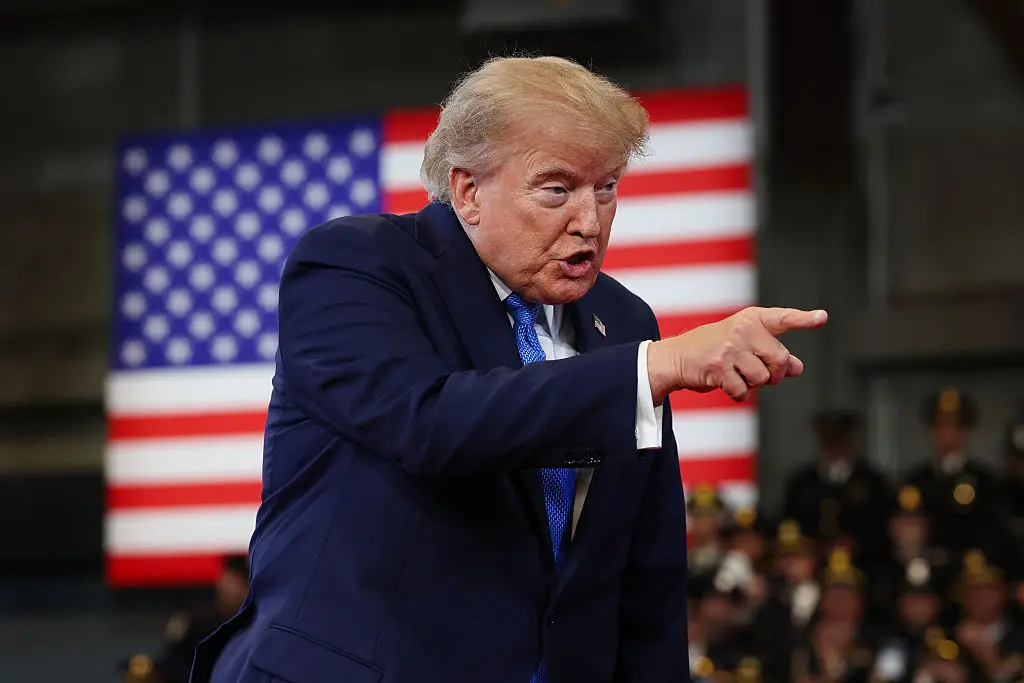
It comes as the Wall Street Journal reported that US intelligence indicated that Vladimir Putin could test NATO’s strength by launching a limited attack on a NATO country in the coming years. President Trump noted that the US is ‘working very hard’ to end the war in Ukraine, praising his CIA chief, John Ratcliffe.
Ratcliffe attended a mystery meeting in Moscow earlier this week, with neither the Kremlin nor Washington releasing any details about the talks. Trump said that the visit was made on a ‘very semi-routine’ basis, further noting that ‘something may come out of it.’
Despite the alleged US intelligence findings, the Kremlin has dismissed media reports that Russia could attack a NATO member state. Kremlin spokesman Dmitry Peskov said: “A lot of this kind of scare-story material is being published right now. Of course, it has nothing to do with reality and nothing to do with the intentions of the Russian Federation.”
He further claimed that the secretive meeting held in Moscow this week had not been held to warn the government against such a move.