

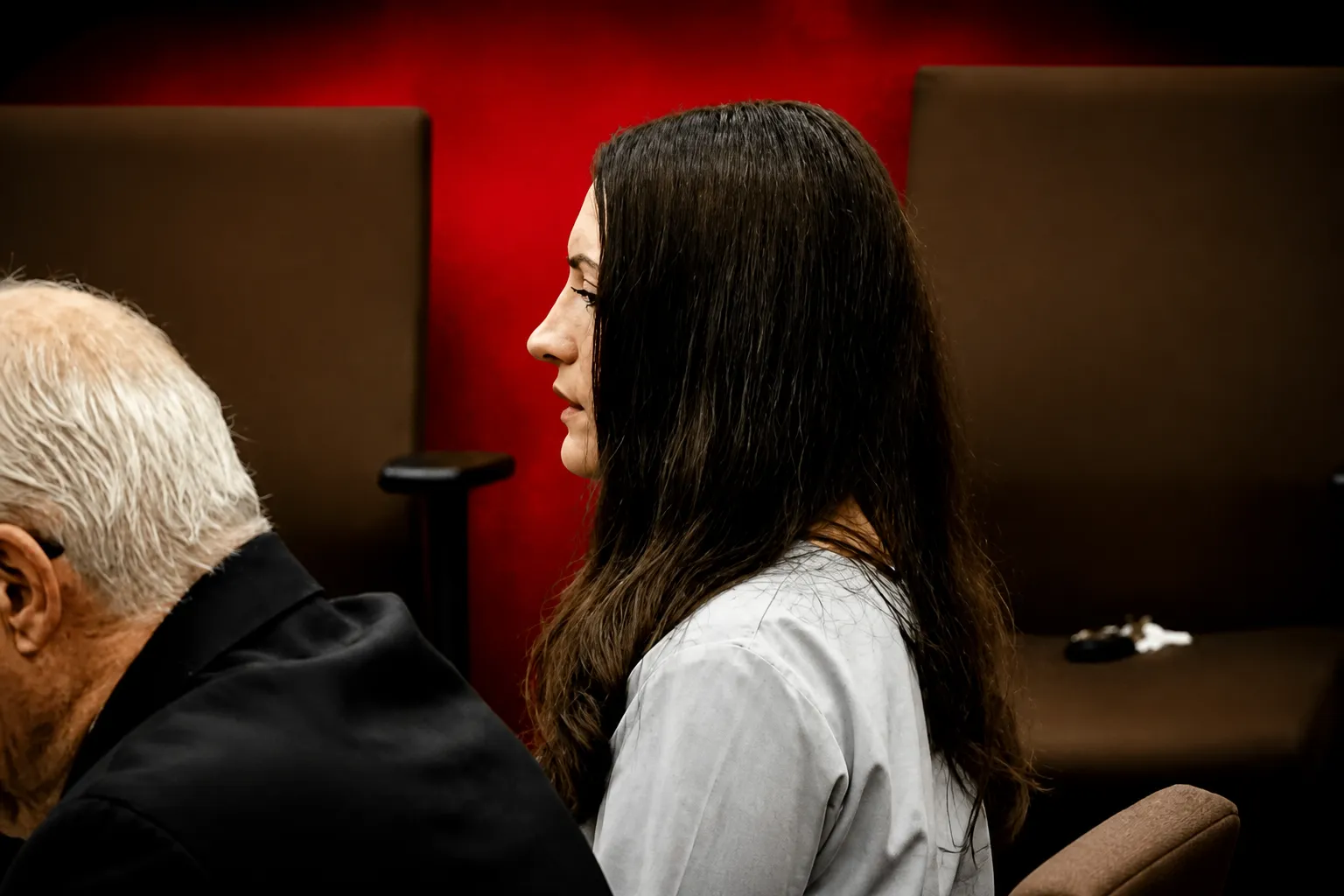
Judge William Sullivan laid out the precise legal test jurors must apply to convict Lindsay Clancy of murder as her trial nears its conclusion.
Sullivan addressed jurors on the morning of August 27, walking them through the framework they will use once deliberations begin in the Massachusetts courtroom. Clancy, 36, has pleaded not guilty to three counts of first-degree murder in the deaths of her children Cora, five, Dawson, three, and Callan, eight months, who were strangled at the family’s Duxbury home in January 2023.
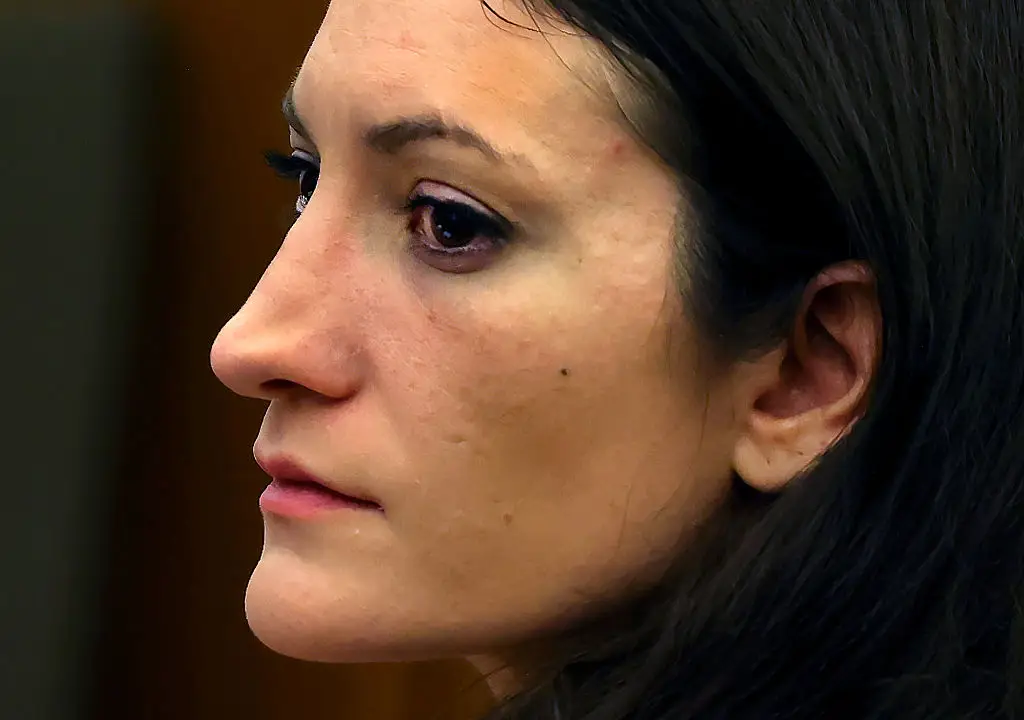

The judge explained that prosecutors must prove beyond a reasonable doubt that Clancy was not suffering from a “mental disease or defect” when she killed her children. If the prosecution clears that bar, that alone satisfies the burden of showing she was criminally responsible.
If prosecutors fail to meet that standard, Sullivan instructed jurors to consider a second question: whether, because of a mental disease or defect, Clancy “lacked the substantial capacity either to appreciate the criminality or wrongfulness of her conduct or to conform her conduct to the requirements of the law.”
In practice, this means the jury is not being asked whether Clancy carried out the killings, which is not in dispute, but whether her mental state at the time meant she can be held criminally responsible under Massachusetts law.
One detail from Sullivan’s instructions could prove pivotal given how the trial has unfolded. He told jurors that a mental disease or defect “need not fit into a formal medical diagnosis” to satisfy that part of the test.

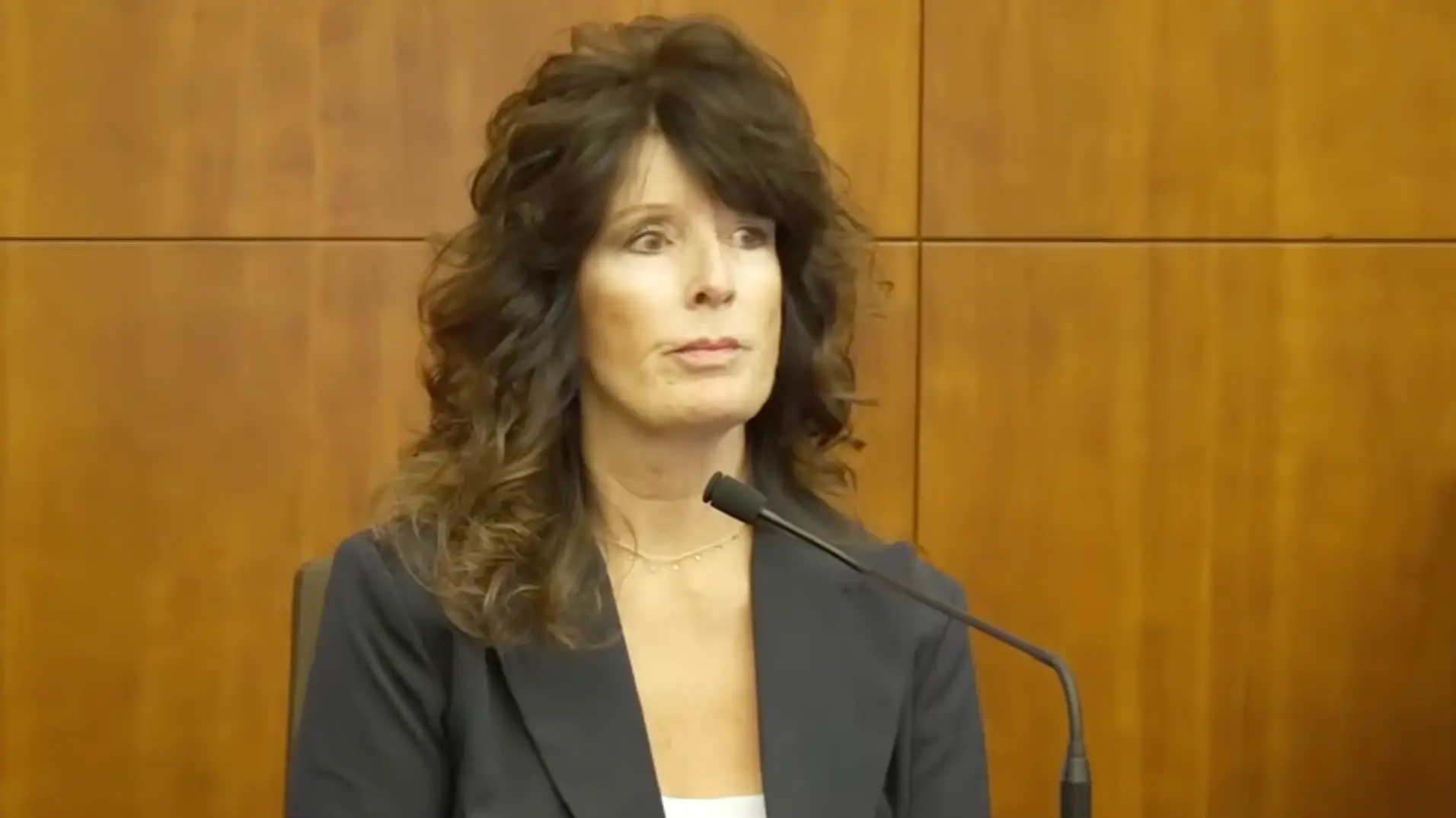
That’s significant in a case where much testimony has centered on whether postpartum psychosis qualifies as a recognized psychiatric diagnosis. Expert witnesses have offered competing views, with prosecution witnesses arguing Clancy understood right from wrong and acted deliberately, while defense experts have pointed to evidence of an acute psychotic episode.
Sullivan’s clarification suggests jurors will not need to resolve that medical debate cleanly one way or the other. Even without a formal diagnosis being agreed upon, they can still find that Clancy was suffering from a mental disease or defect if the evidence supports it.
If convicted of first-degree murder, Clancy faces a mandatory sentence of life in prison without the possibility of parole. If jurors find her not criminally responsible, she would instead be committed to a state mental health facility.
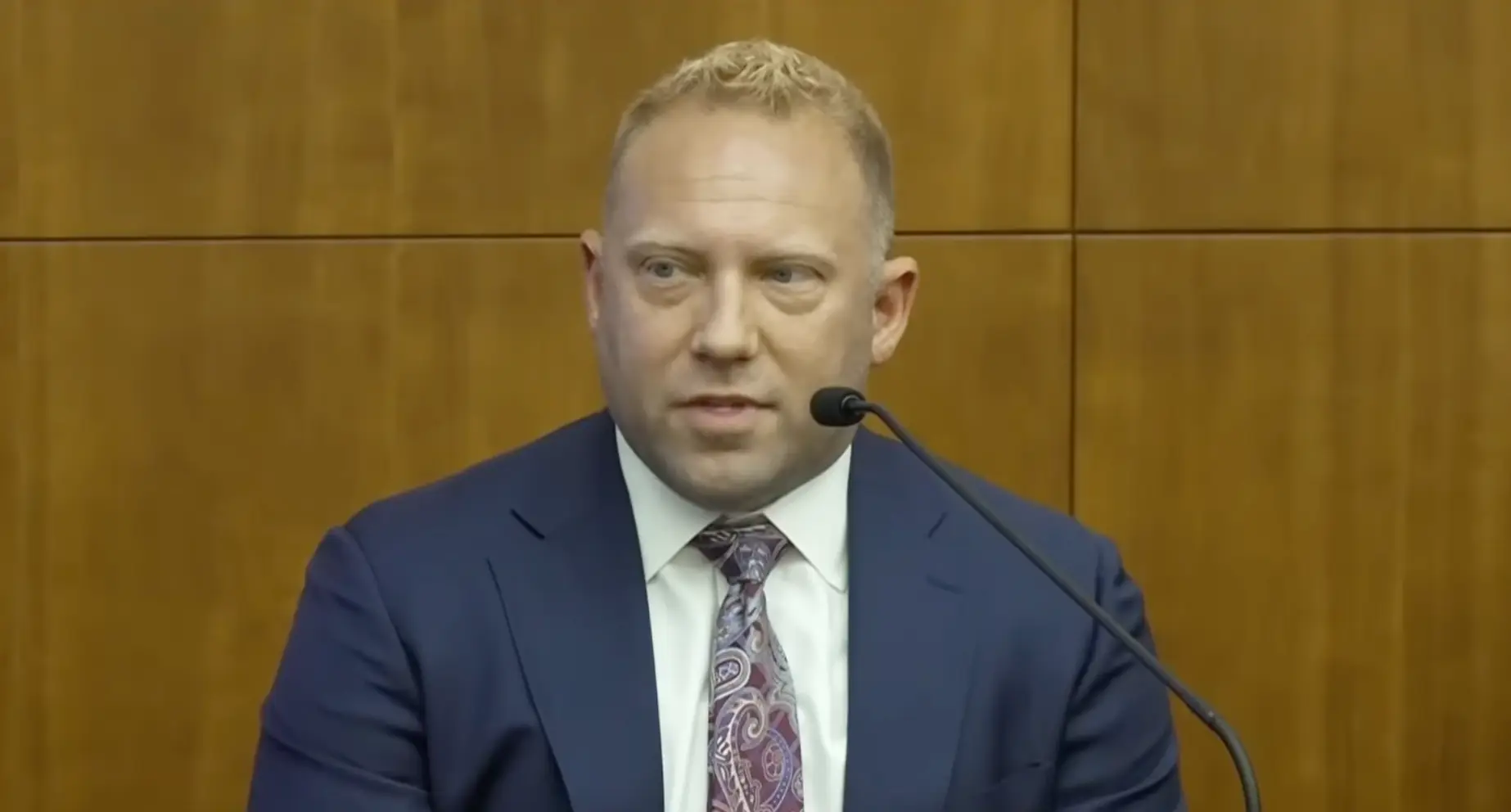

After the jury heard opening statements on July 27, Clancy’s ex-husband Patrick Clancy was the first witness to take the stand. Patrick testified that Clancy struggled after Callan’s birth and told him in the months before the killings that she was having thoughts of suicide and of harming their children.
He claimed that December 2022 “was really where her big spiral started.”
“She started to lose a lot of weight, and she became very depressed, and she was having a really hard time,” Patrick told the court.
After Clancy spent time in a locked-ward facility, Patrick said he was “hopeful” as “she seemed much better.” He later recalled the day of the killings, testifying that Clancy initially “seemed in a good mood” and “was having one of her best days.” But on returning home to find his children dead, he said he “saw blood everywhere.”
Around a week later, Clancy called her then-husband from hospital. “She didn’t talk about our kids, she talked about what she went through,” he testified. “She said she heard a man’s voice telling her that if she didn’t do it now, she would lose her chance – or something like that.”


Elaine Rossi, the family’s nanny from September to December 2022, testified that Clancy was a “wonderful mom who loved her kids.”
“She was concerned about their safety, and Callan eating and sleeping. She was a wonderful mother,” Rossi told the court. She recalled seeing prescription medicine bottles and that Clancy “shared with me she had postpartum and couldn’t sleep.”
Paula Musgrove, Clancy’s mother, described her daughter as loving and devoted, whose mental health began declining in October 2022. The jury was shown a text from Clancy reading: “Mom, will you please come up and stay with me for a bit? I’m really sick. Something is wrong. I had horrible insomnia all night, and I just don’t know how I am going to get through the day… I started taking the medicine my doctor prescribed for anxiety and I think it’s made things worse. It’s just really scary and I don’t want to be alone.”
Musgrove testified that Clancy grew increasingly fearful of sleeping alone and became convinced her psychiatric medications were “destroying her mind.”
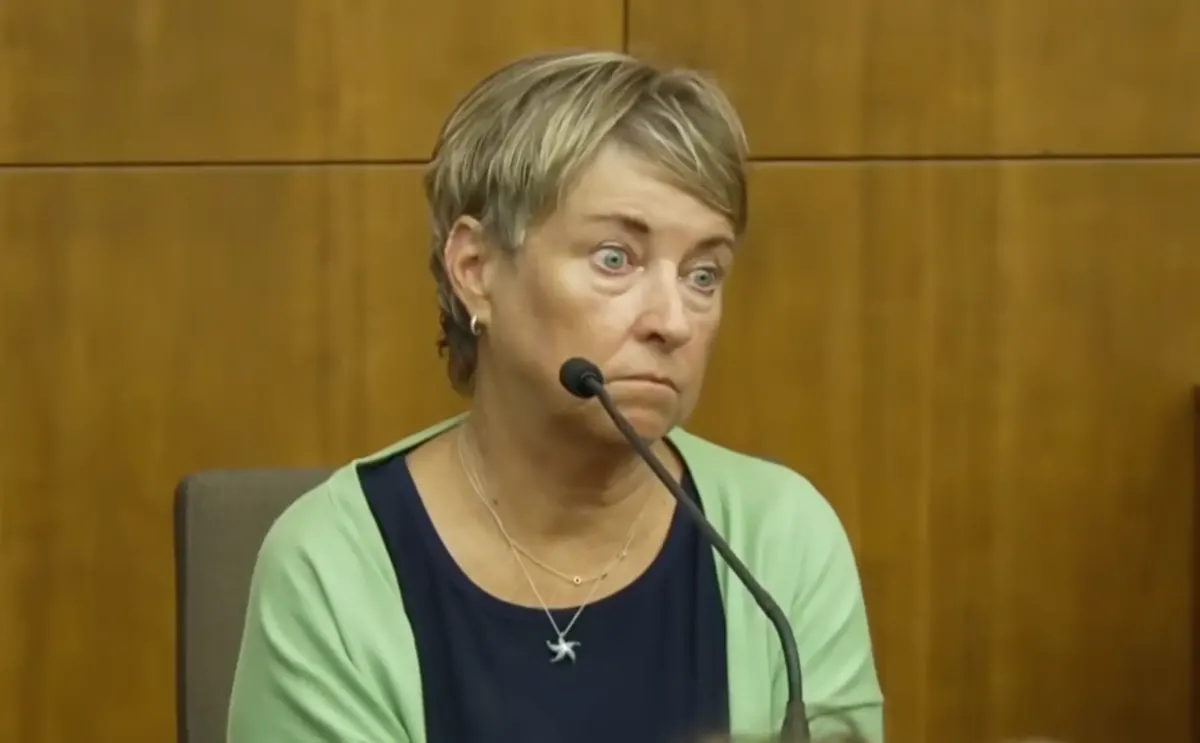

Clancy’s sister Jennifer Ozga testified that when she saw Clancy during Thanksgiving 2022, her “mood did not look good” and she “didn’t seem very energised,” Ozga told the court that Clancy was experiencing suicidal thoughts every day for a month before the killings.
“I had this gut feeling that something was off and that she was really struggling, and I asked her if she was safe. She said ‘yes’ at that point,” Ozga said.
At Cora’s birthday in January 2023, Ozga testified, “I think she looked like she was going through the motions of putting together a birthday party for her daughter. But she looked tired. She looked like she was still struggling.”
Susan Clancy, Clancy’s former mother-in-law, testified that her former daughter-in-law was a “very nurturing, very loving” and “a wonderful mother” who was “begging for help.”
“She had insomnia. She was losing her appetite,” Susan said. “She was very anxious and sad.”
When asked if Clancy had been “interested at all times in trying to get better and see doctors,” Susan responded: “Very much so.”
Clancy, then a 32-year-old nurse at Massachusetts General Hospital, strangled her three young children in their Duxbury home on January 24, 2023. She survived a suicide attempt by jumping from a window and was hospitalized before being charged. The case quickly became a flashpoint in debates over maternal mental health, postpartum psychiatric care, and criminal responsibility, with supporters arguing she was failed by a medical system that did not adequately treat her deteriorating condition.
The trial has drawn intense public interest as it tests how Massachusetts law handles cases where a mother’s documented mental health crisis intersects with horrific violence against her own children.
Sullivan dismissed jurors after his instructions, telling them: “Rest up and be ready for tomorrow.”
Closing arguments are set to begin in the trial.