

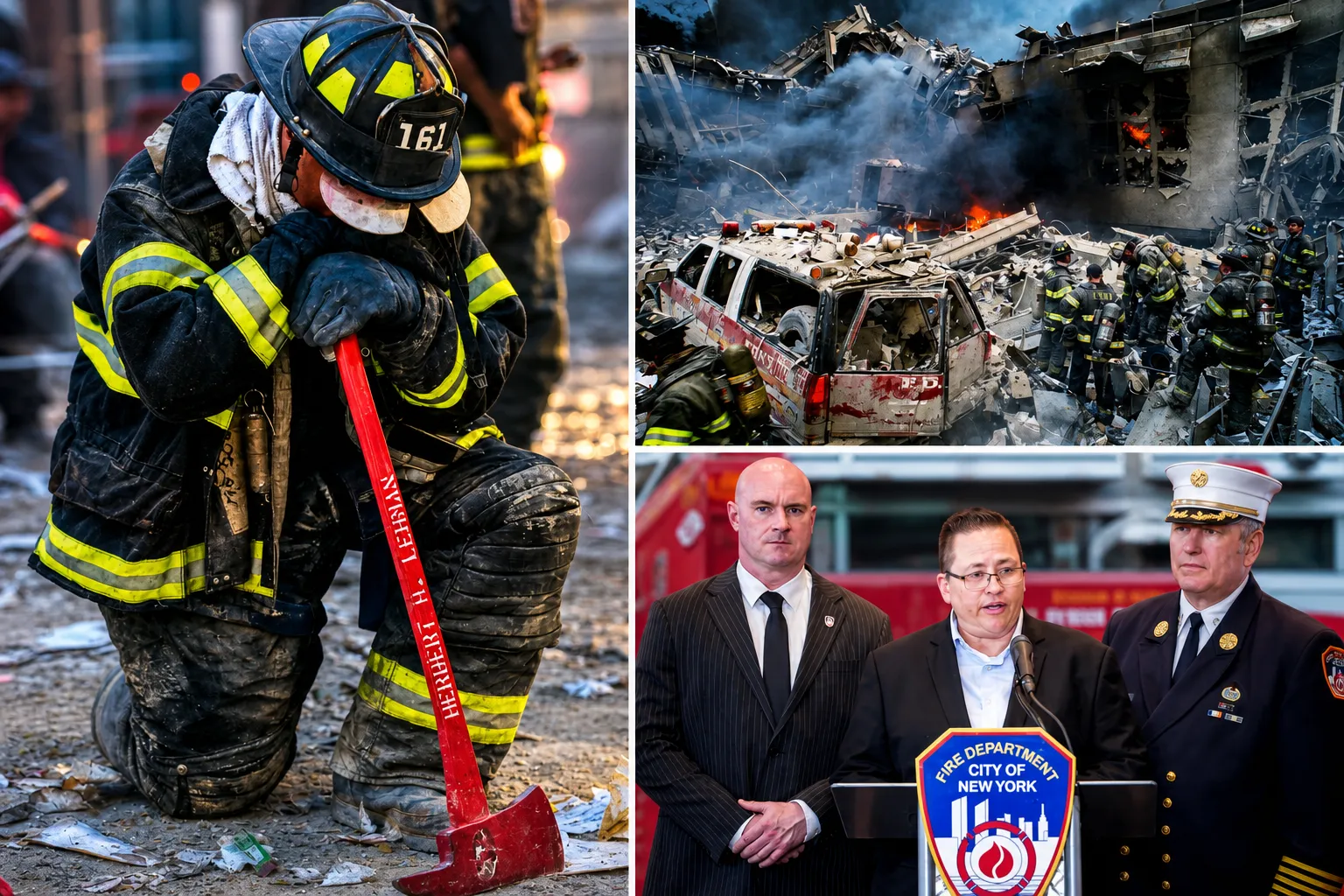
Thousands of FDNY 9/11 first responders still grapple with depression, PTSD and other mental health conditions a quarter-century after the terror attacks, according to a new World Trade Center Health Program report released Tuesday.
About 14% of firefighters and EMS providers tracked by the program continue to deal with depression, down sharply from 36% who experienced it in 2002, the year after the attacks. Another 6% still suffer from PTSD more than two decades later, compared with 16% who reported the condition back then.
Roughly 28% of FDNY WTCHP members have suffered from at least one mental health condition overall, officials noted in the report.
Dr. David J. Prezant, who spoke to reporters Tuesday, tied the lingering psychological wounds directly to the brutality of the Ground Zero experience. “Our members had post-traumatic stress disorder from having been down there so long, having seen body parts, having lost their own friends, their own coworkers,” he said.
“Here on the mental health side, we’ve seen real improvement,” Prezant continued.
He highlighted a striking measure of recovery among the survivors. “And here’s a very important finding: eight out of 10 of our members now feel that their health, their overall health, has improved to either good, very good, or excellent,” he added. “That’s dramatic improvement in quality of life.”
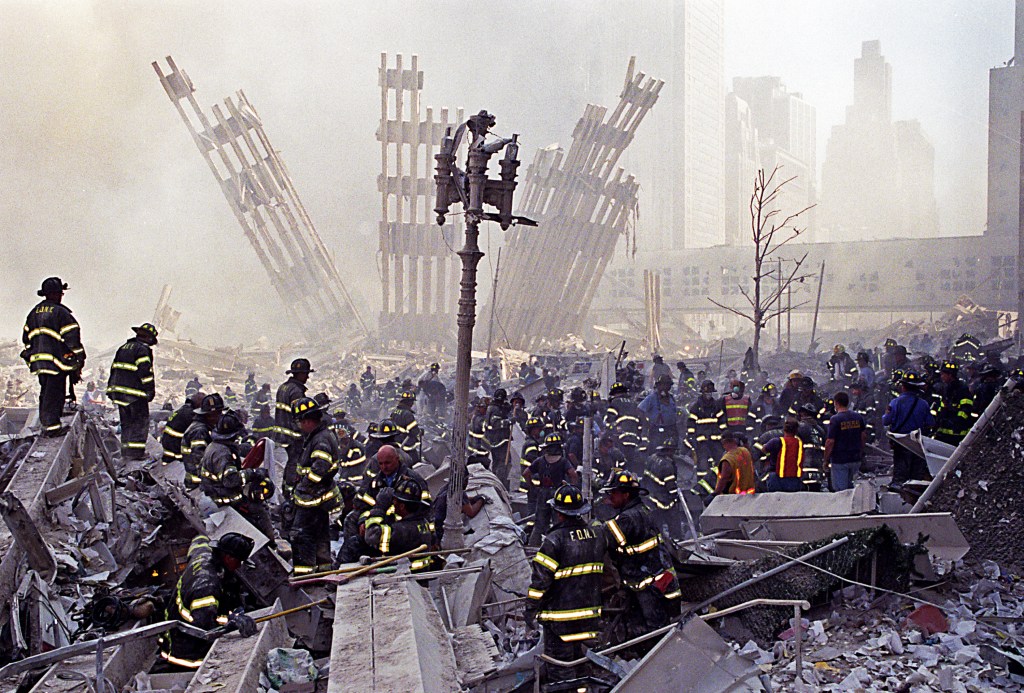
The WTCHP has spent 25 years monitoring first responders’ health after many were left fighting ailments contracted on 9/11 and the days after from injury, hazardous material exposure or psychological trauma. More than 14,000 first responders — 12,158 firefighters and 1,920 EMS providers — still provide health information for the program’s records. About 84% of them continue receiving WTCHP healthcare support.
Cancer remains another formidable challenge for the Ground Zero heroes. Overall, 26% of FDNY WTCHP members, or 4,257 people, have received cancer diagnoses, including 461 in just the last year alone, according to officials.
Yet the report delivered promising survival data for those stricken. An impressive 86% of cancer patients participating in the program are still alive five years after diagnosis. That figure stands well above the roughly 63% five-year survival rate for New Yorkers with cancer who aren’t being treated through the program.
“That is a major improvement, and it’s because the [WTCHP] believes in this holistic approach, monitoring early diagnosis, early treatment, and then the support of the fire department of labor and management, retirees, actives drive our sick cancer patients to the hospital to get their chemo,” Prezant said.
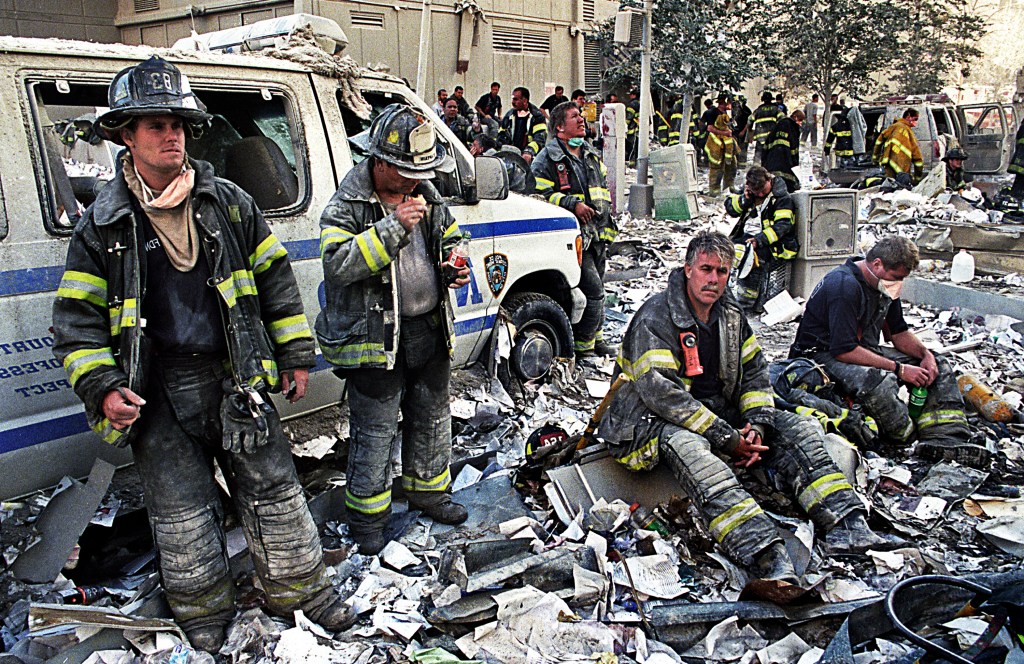
Advancing age now threatens to complicate these hard-won gains. Autoimmune and cardiovascular diseases are rising or expected to rise, along with cognitive and hearing conditions, according to the report.
The September 11, 2001 attacks killed nearly 3,000 people when hijacked planes struck the World Trade Center towers, the Pentagon and crashed in a Pennsylvania field. In the aftermath, FDNY members spent months at Ground Zero amid toxic dust and debris, recovering remains and searching for survivors. The psychological toll of witnessing death on a massive scale, handling body parts and losing hundreds of their own colleagues — 343 firefighters died that day — planted seeds of trauma that would surface for years to come.
The WTCHP’s latest findings arrive as the nation prepares to mark the 25th anniversary of the attacks this September.