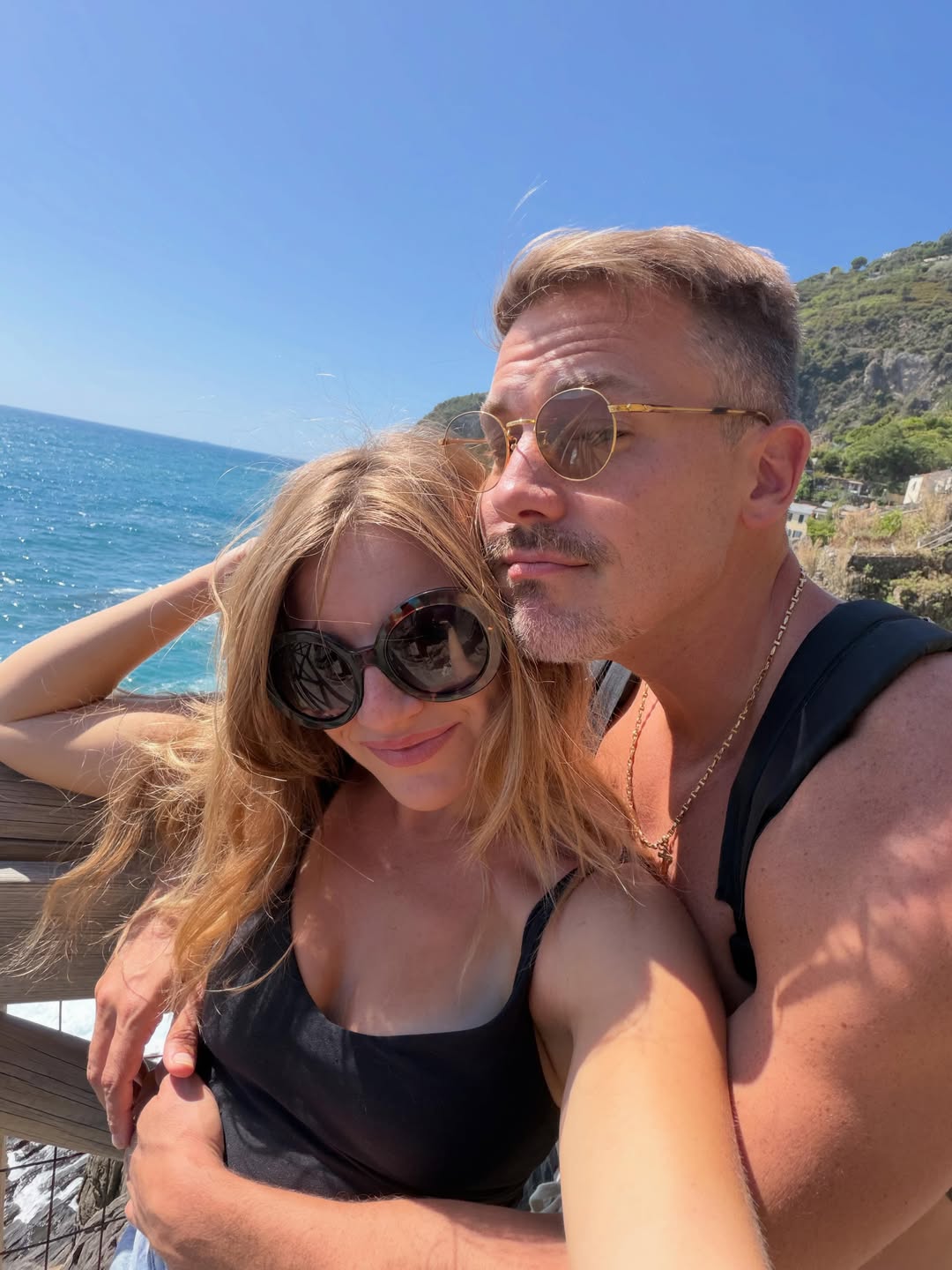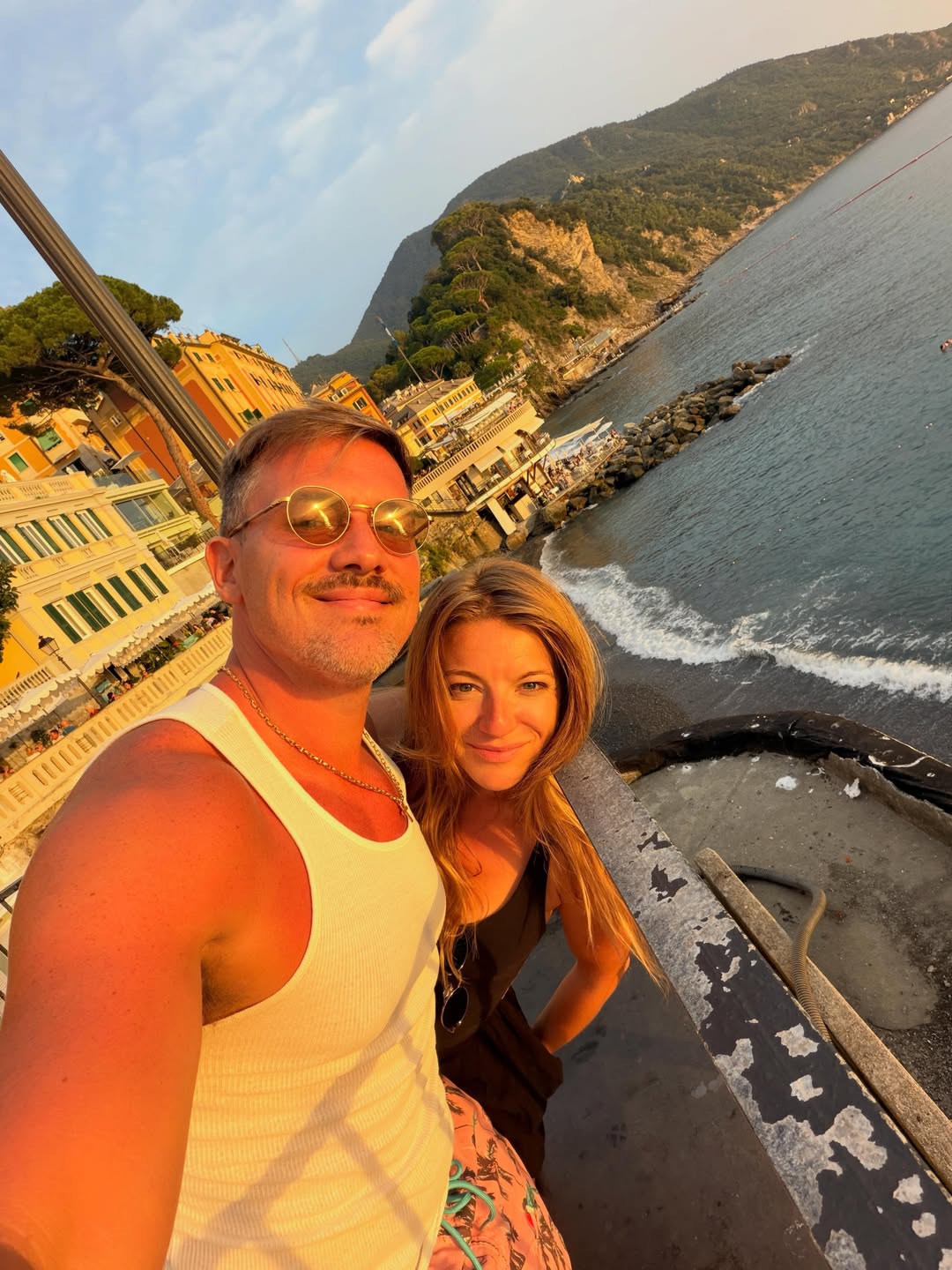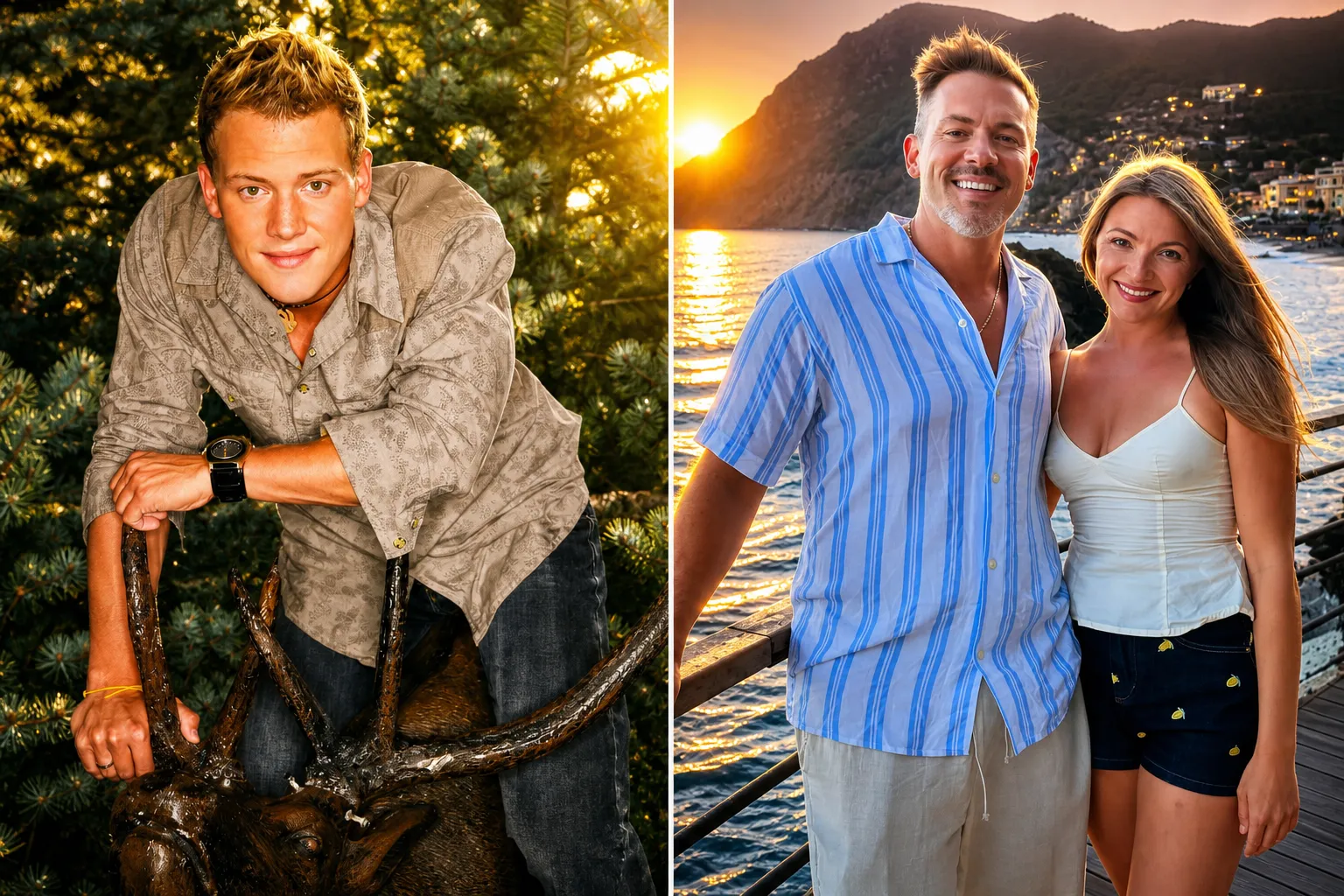
“The Challenge” alum Davis Mallory has gone public with his girlfriend Rachel Vaughan, marking a new chapter one year after he told a Hawaii congregation he was “no longer gay.”
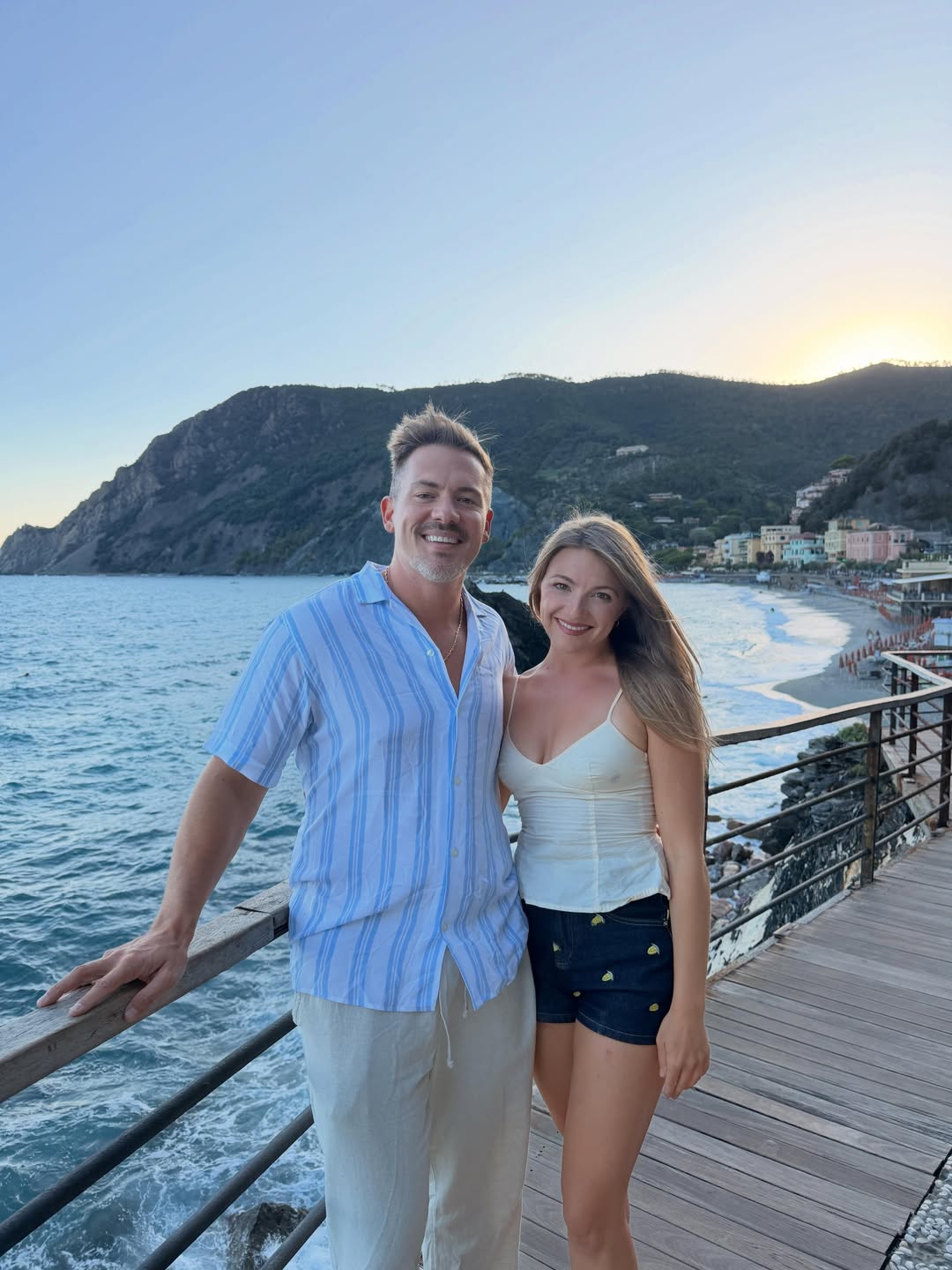
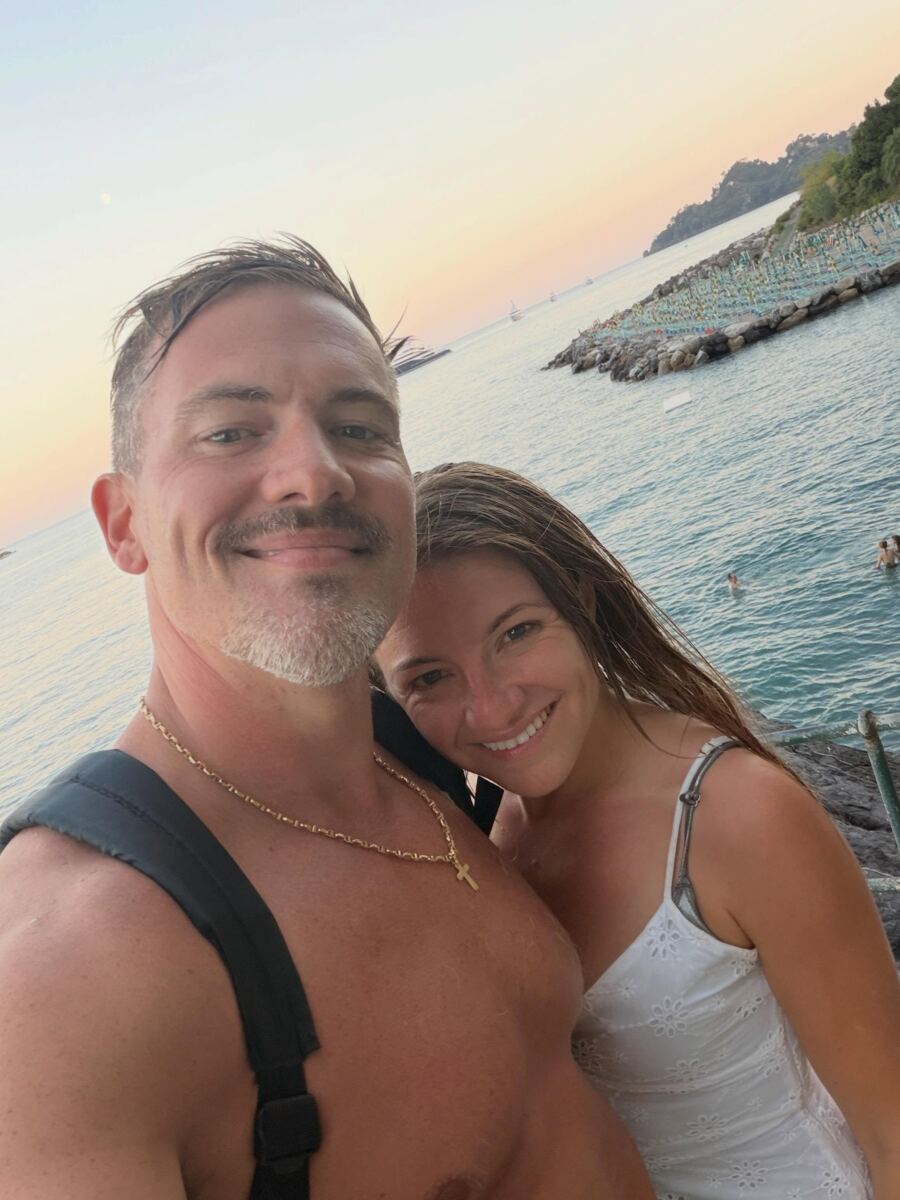
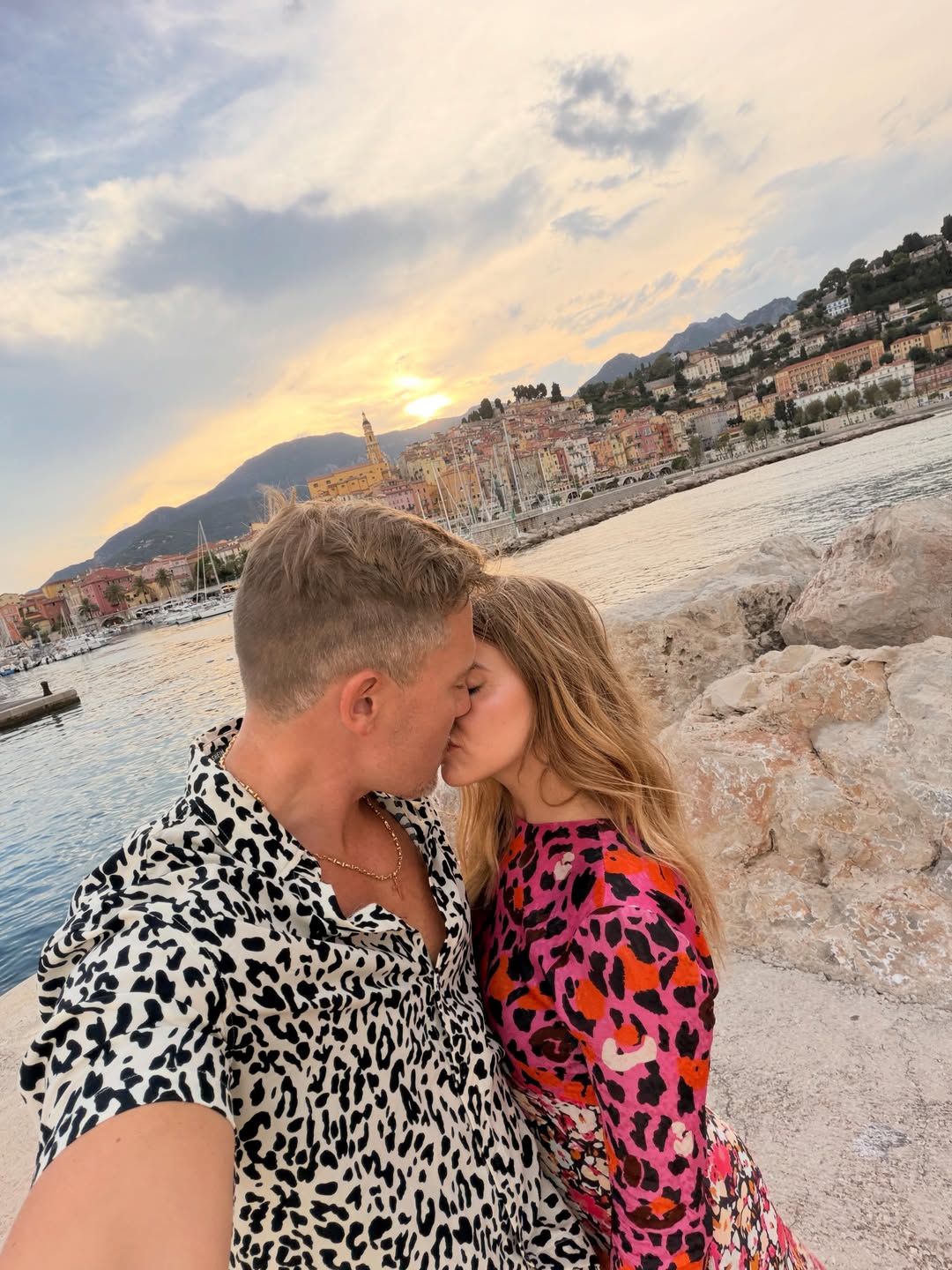
Mallory, 43, recently shared a vacation photo collage with Vaughan on Instagram alongside the caption, “Thankful for new memories that someday turn to old photographs.” In a separate post, the former MTV star sealed the hard launch with a kiss selfie, writing, “It’s crazy what love can do. I love you @rachelevaughanaa.”
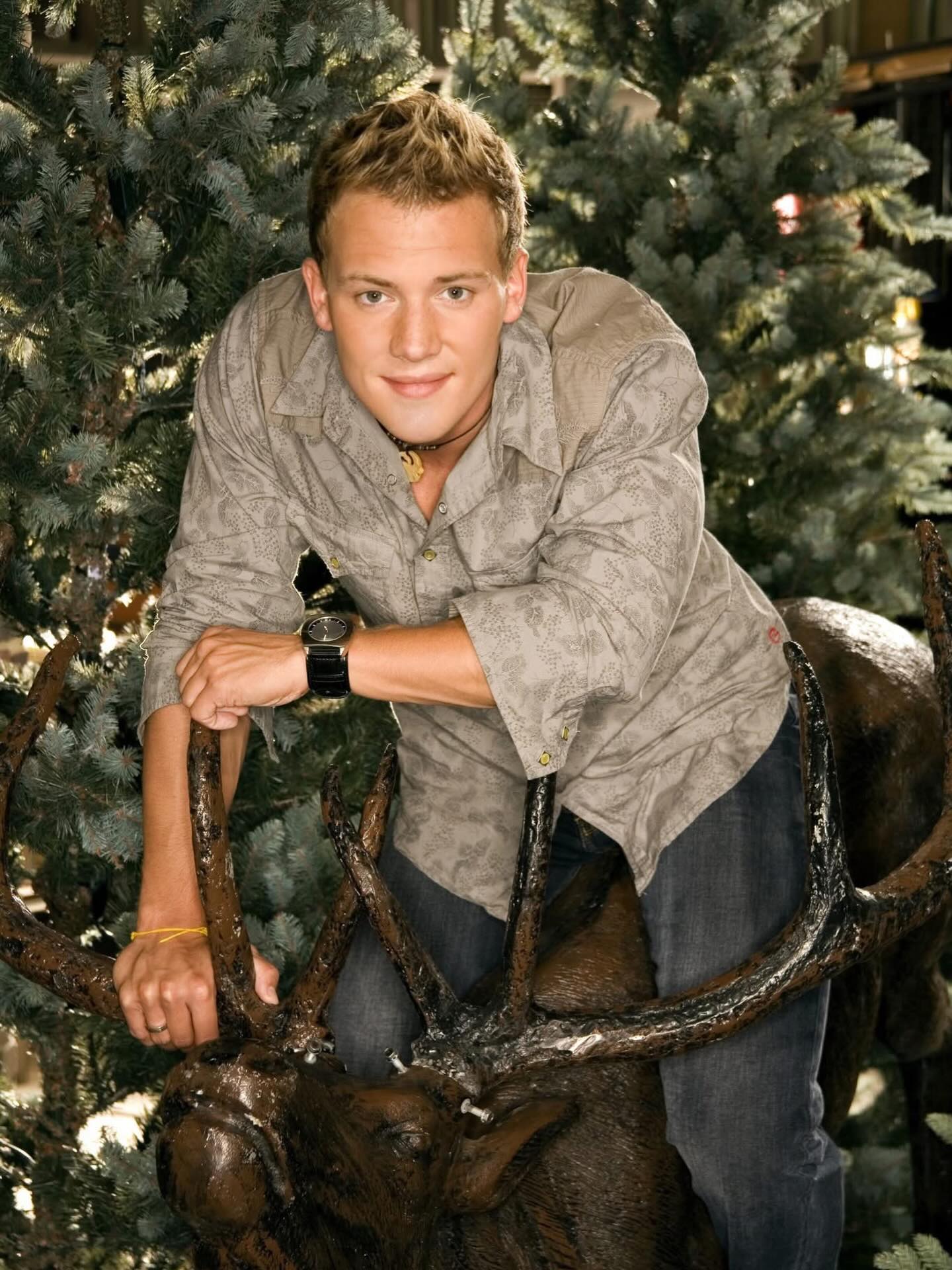
The romance began with friendship, Mallory explained. The pair first crossed paths in February 2022 when he was DJing a wedding in Hawaii. Travel together followed, and their bond deepened from best friends to romantic partners before they made it official this past August.
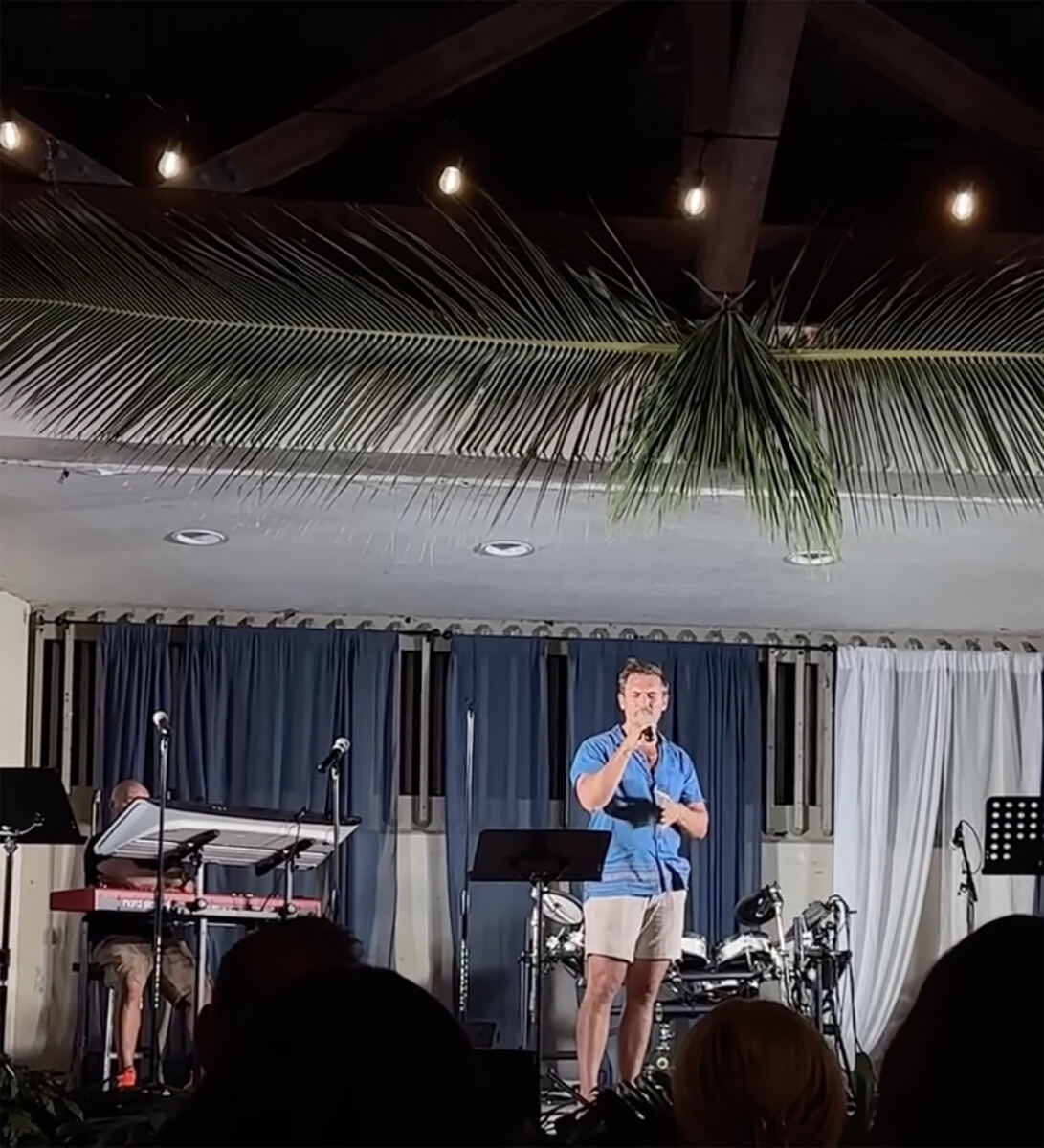
Mallory’s relationship debut arrives twelve months after a church testimony in which he credited divine intervention for leaving behind two decades of living what he termed “the gay lifestyle.” Addressing the congregation last September, he recalled his televised coming out and its aftermath.
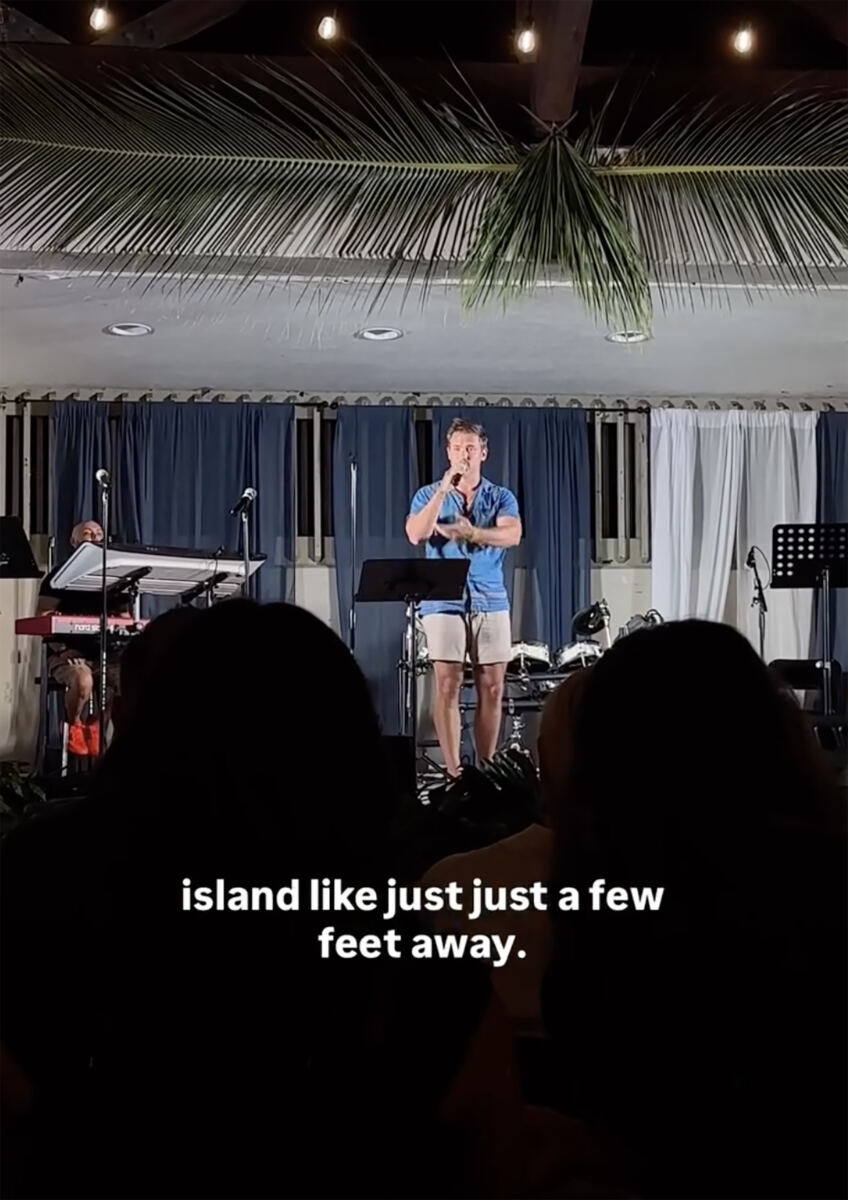
“I was on a television show, ‘The Real World,’ and I came out on the show as a gay Christian, but God really pulled me out of that lifestyle a year ago. Praise God,” he shared with the crowd.
He elaborated on his past, noting, “I lived the gay lifestyle for about 20 years.”
Mallory first gained national attention on Season 18 of “The Real World,” set in Denver, where he publicly came out as gay while navigating the dynamics of a conservative family background. He later parlayed that exposure into three appearances on MTV’s competition spinoff “The Challenge,” competing on “Inferno 3” (Season 14), “Duel II” (Season 17), and “Rivals” (Season 21). Throughout his time in the public eye, he frequently discussed his coming-out journey and the complexities of reconciling his sexuality with his faith and family upbringing.
The former TV personality’s recent social media posts with Vaughan represent his most public romantic showing since that September 2023 testimony, where he framed his identity shift as a religious transformation rather than simply a new relationship.