


President Trump announced Friday that tariff-free beef imports will begin immediately under a new 90-day plan.
The program, which started today, allows up to 300,000 metric tons of ground beef to enter the country without tariffs — roughly 100,000 tons per month. Trump, 78, said he secured a “commitment” from unspecified nations to sell lean beef trimmings at 25% below current market prices.
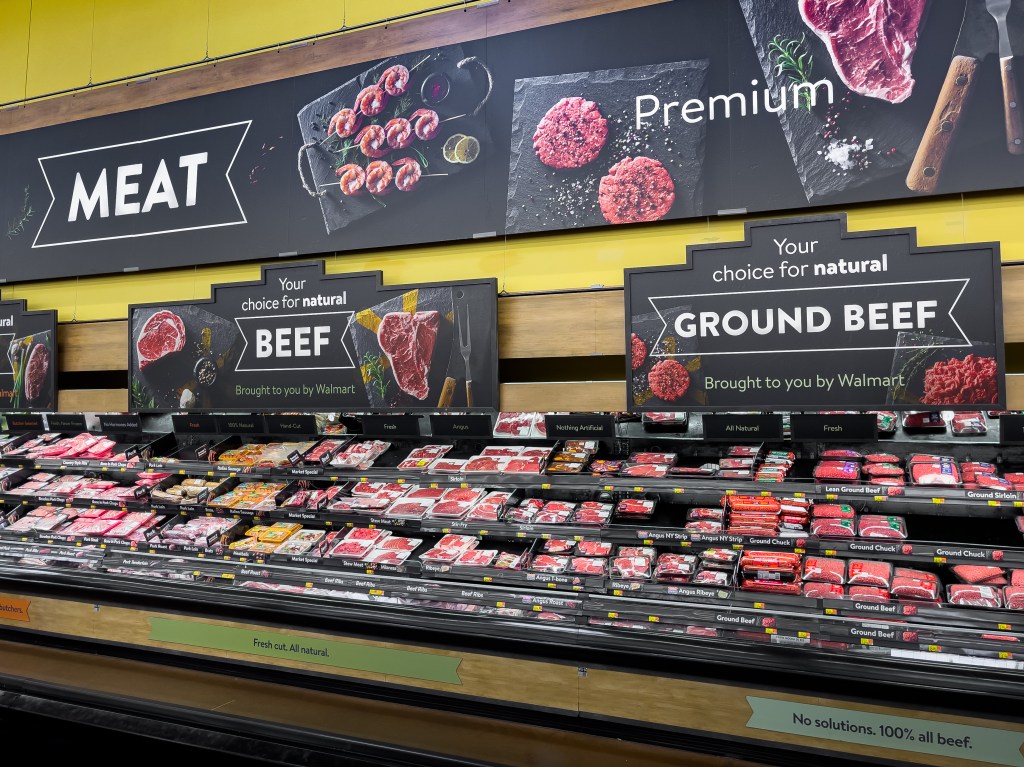
The president framed the move as relief for consumers facing high prices, while also claiming it would give American ranchers time to rebuild cattle herds that have dropped to a 75-year low. The tariff-free meat applies only to lean beef trimmings, which are typically blended with fattier domestic beef to achieve standard ratios like 80/20 or 90/10.
Since the source country has not been announced, shoppers are already raising food safety concerns. The worry centers on whether imported meat faces the same oversight as domestic products, particularly with cyclospora still a known threat.
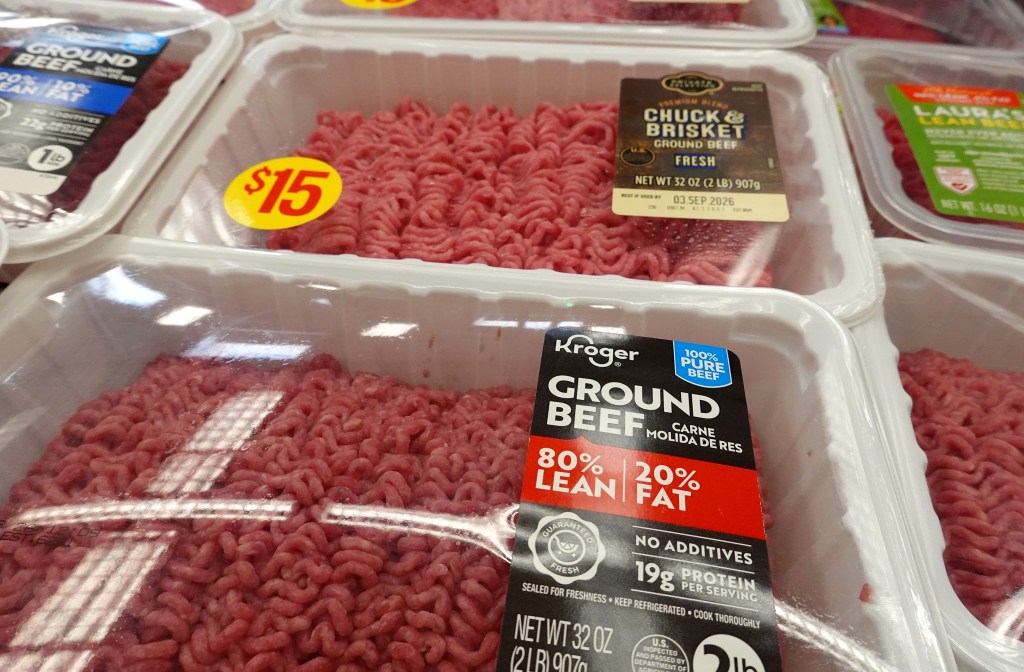
Label reading has become the primary tool for consumers trying to identify American beef. Products carrying “Product of USA” or “Made in the USA” come exclusively from animals born, raised, slaughtered and processed in the United States. Shoppers may also encounter “Born, Raised, and Harvested in the USA” or “American Grassfed Association (AGA) Certified” designations.
These labels should display the country of origin in small print near the nutrition facts or ingredient list. The Department of Agriculture also places an oval inspection stamp on meat with an establishment number that can be searched to identify the processing facility.
However, USDA rules permit a significant loophole. Ground meat from multiple countries can be “commingled,” with all applicable nations listed on the label. This means a single package might contain beef from several sources.

Labels stating a product was “packed” or “processed” in the US can also mislead. Cattle raised and slaughtered abroad can still receive these designations if they are merely cut or re-wrapped at a domestic facility. Quality grades like “USDA Prime,” “Choice,” or “Select” offer no guidance on origin — they only rate fat marbling and tenderness.
The “USDA-inspected” and “USDA-graded” stickers add another layer of potential confusion. Inspection is mandatory for safety and wholesomeness, while grading remains voluntary and evaluates quality rather than source.

The import plan runs for 90 days, after which the tariff structure will revert unless extended.