

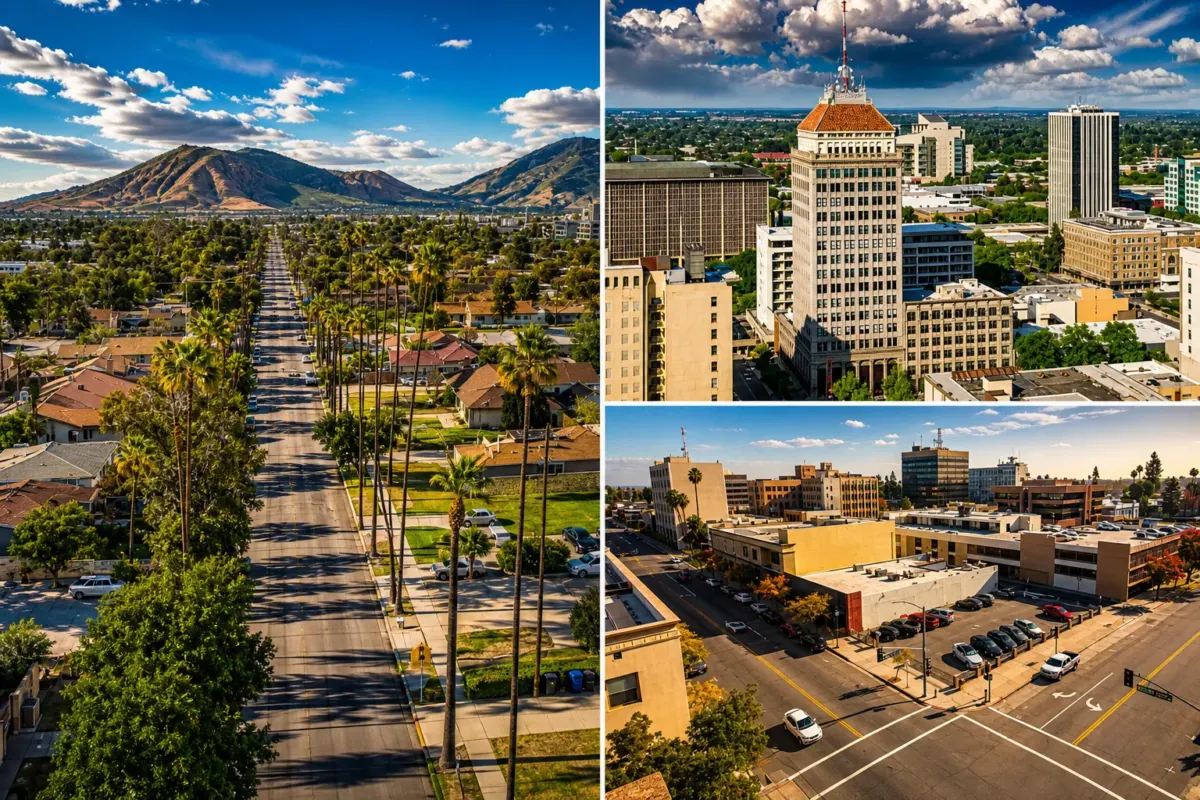
California cities dominate list of worst places to retire in the US
California took a staggering six spots on WalletHub’s 10 worst cities for retirement, with Fresno plunging to 179th out of 182 cities in the personal finance site’s 2026 rankings.
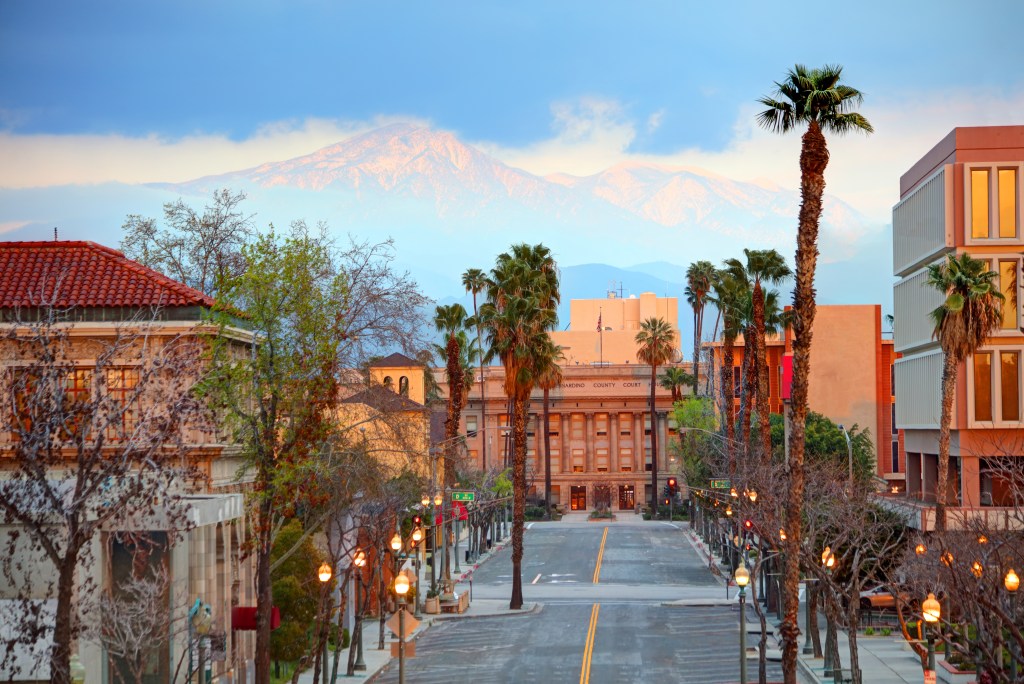
The Central Valley city found company from fellow California locales Stockton, San Bernardino, Rancho Cucamonga, Bakersfield and Fontana, making the Golden State the most represented on the undesirable end of the list. No other state came close to matching California’s unwelcome concentration.
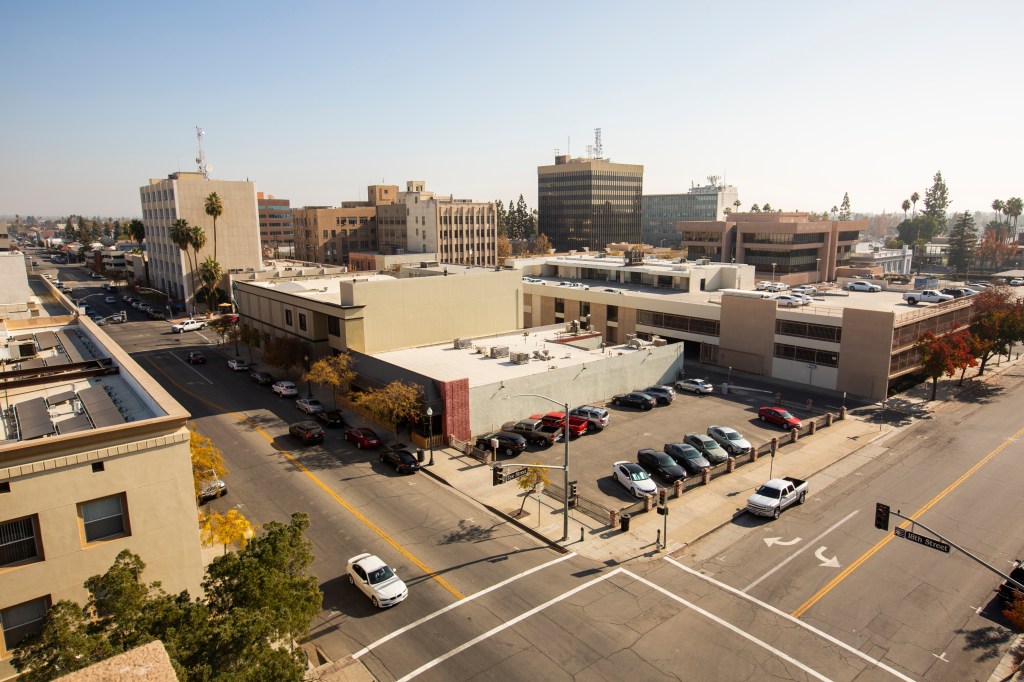
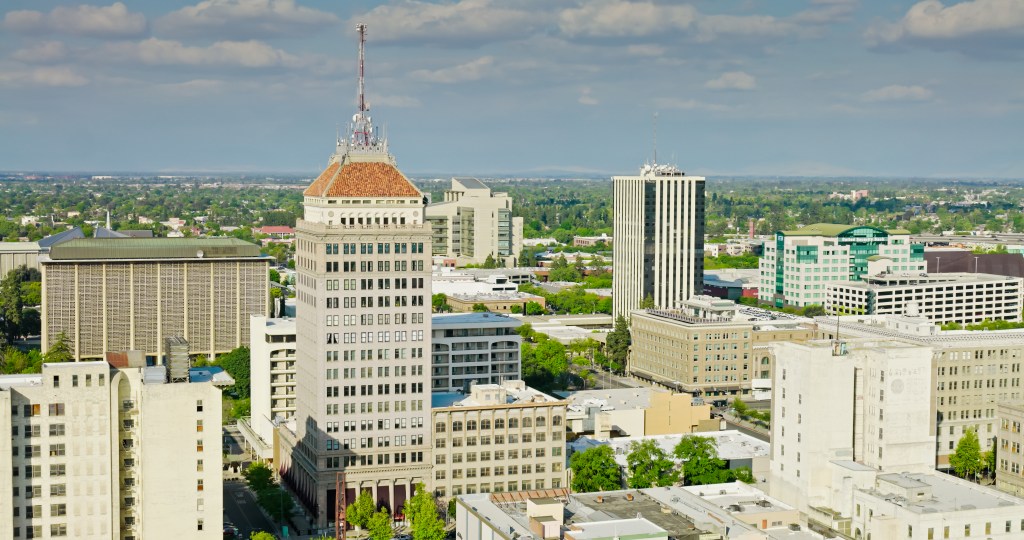
Fresno absorbed particularly brutal scores across the study’s four weighted categories: affordability, healthcare, activities and quality of life. The city bottomed out in activities and healthcare while managing slightly less dismal marks in affordability and quality of life. Beyond the headline rankings, Fresno landed among the nation’s 30 worst for adult volunteer opportunities per capita and for the percentage of employed adults ages 65 and older still working.

WalletHub analyst Chip Lupo weighed in on what separates retirement winners from losers.
“The best cities for retired people are those that minimize taxes and expenses, as well as have good opportunities for retirees to continue paid work for extra income,” Lupo said. “The top cities provide high-quality healthcare and offer plenty of enjoyable activities for retirees.”
The contrast with top-ranked destinations could hardly be starker. Orlando, Florida, seized the No. 1 position in WalletHub’s 2026 study, with Miami and Tampa rounding out the all-Florida top three. The Sunshine State’s triple absence of state income tax, estate tax and inheritance tax delivered a powerful draw for seniors living off accumulated savings.
Orlando distinguished itself through recreational abundance, posting high concentrations of art galleries, music venues and fishing facilities. The city also cracked the national top 10 for hospitals specializing in geriatrics and for home healthcare facilities per capita, according to WalletHub’s metrics.
California’s retirement landscape appears unlikely to shift dramatically without policy changes addressing its tax burden and cost structures that push fixed-income seniors toward more hospitable markets.