

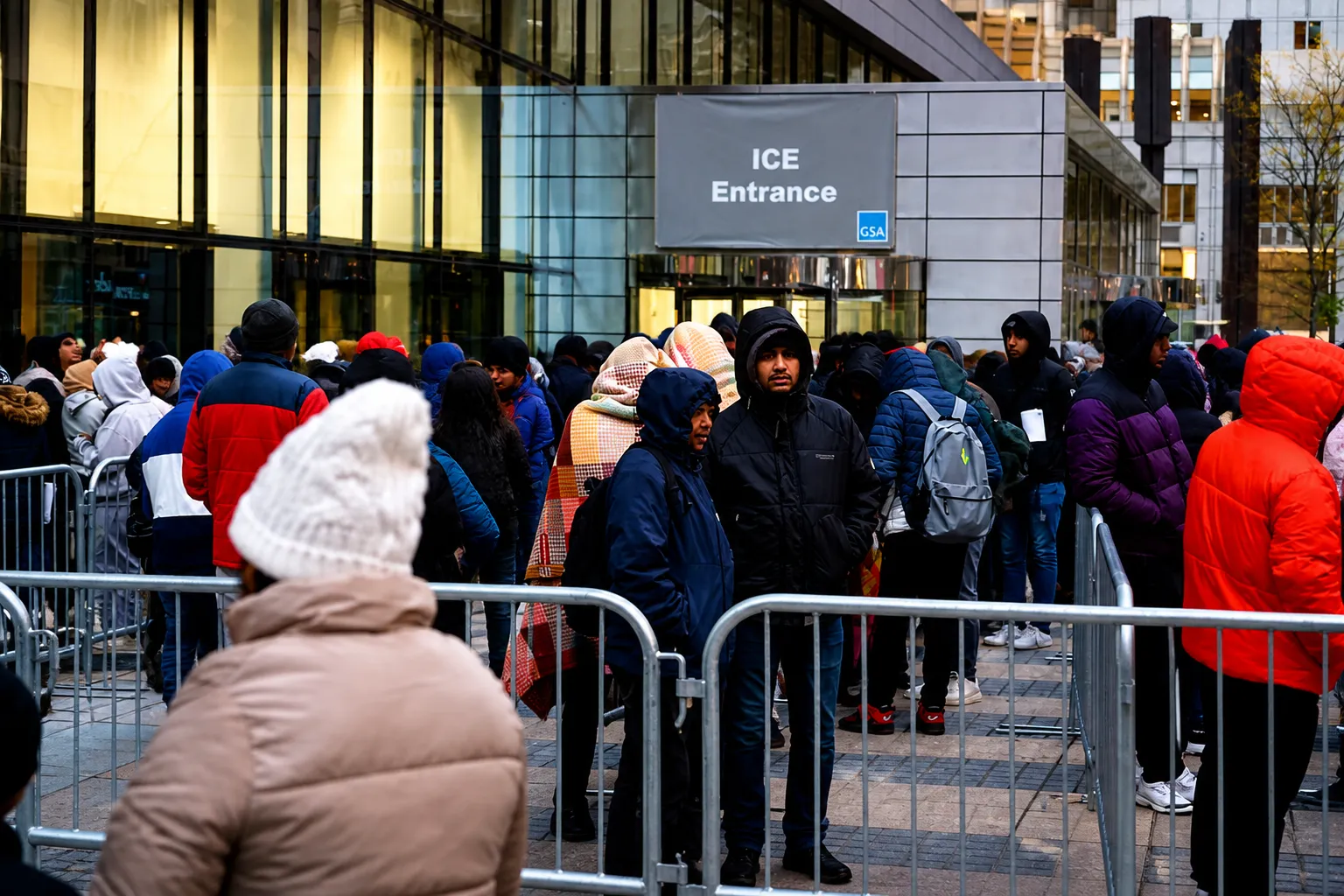
Indian professionals now face a staggering 179-year wait for green cards under tightened federal caps, according to a new report that lays bare the human cost of America’s immigration bottleneck.
The National Foundation for American Policy, a Virginia-based nonprofit that studies immigration and international trade, released data showing the overall green card backlog has swelled to 1.2 million people. Federal law restricts annual permanent residency issuances to 140,000, with no more than 7% allocated to any single country.
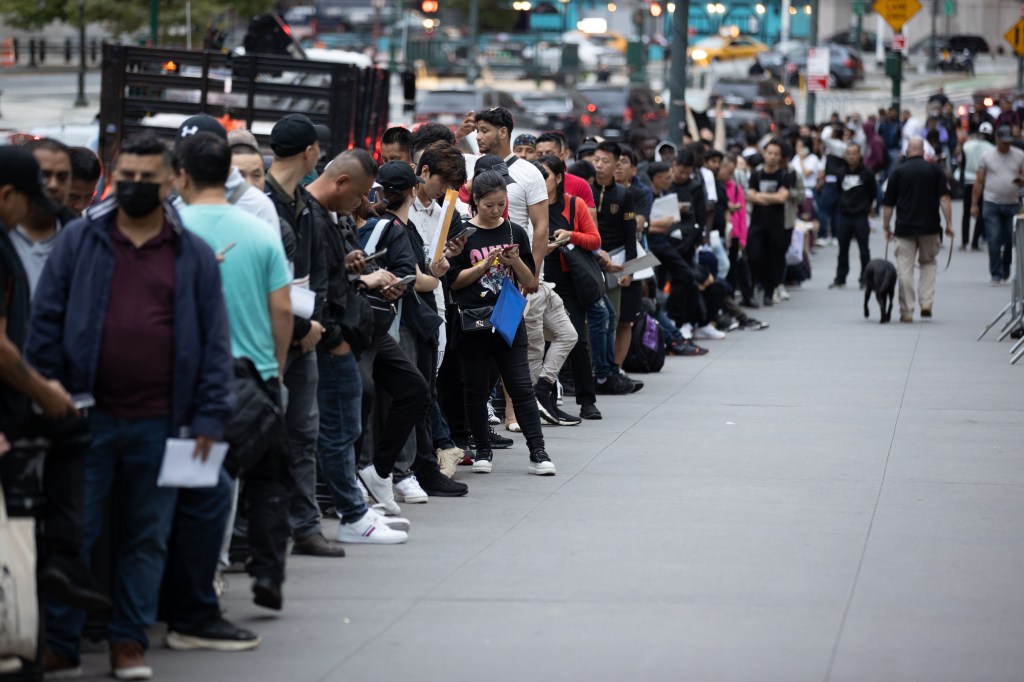
That per-country ceiling hits large nations hardest. Chinese nationals applying under EB-2 status — the category covering most professional workers with master’s degrees — face approximately 25 years in line. Workers from the Philippines, by contrast, wait just a few months.
For coveted EB-1 green cards reserved for those with “extraordinary ability,” Indian nationals now wait four to five years, while Chinese applicants face about five years.
The NFAP argues these timelines undermine American employers and immigrant families alike. Stuart Anderson, the group’s executive director, told the San Francisco Chronicle that public understanding of legal immigration remains limited.
“Many Americans don’t realize how challenging it can be to immigrate legally to the United States, even for the most highly skilled and innovative people in the country,” Anderson said. “These are people who want to become Americans and are willing to wait years for the chance.”
The backlog traps many H-1B visa holders — predominantly tech sector workers — in what critics call “H-1B limbo.” Their temporary status binds them to specialty professions where an employer sponsors their green card application, leaving little flexibility to change jobs or career paths.
A layoff proves especially perilous. H-1B workers have just 60 days to secure new sponsored employment or leave the country, a narrow window that has drawn increasing scrutiny as tech industry layoffs have mounted.
The Trump administration has signaled additional tightening, including a proposed $103,000 administrative fee for H-1B visa applications. Federal authorities have also moved to reduce the total number of H-1B holders in the country.
Kevin Lynn, executive director of the D.C.-based Institute for Sound Policy, opposes the H-1B system and defends the current restrictions. He told the Chronicle that visa programs enable wage suppression.
“We don’t need these tech workers,” Lynn said. “These employment visa programs that have led to this logjam have negatively impacted American innovation and inventiveness. … If you don’t want to be in that backlog, don’t come to the United States, don’t participate. That’s a choice someone makes.”
The 179-year projection for Indian professionals marks a dramatic extension of already-lengthy waits, reflecting both the scale of applicant pools from populous countries and the rigid statutory caps that have resisted legislative overhaul for decades.