

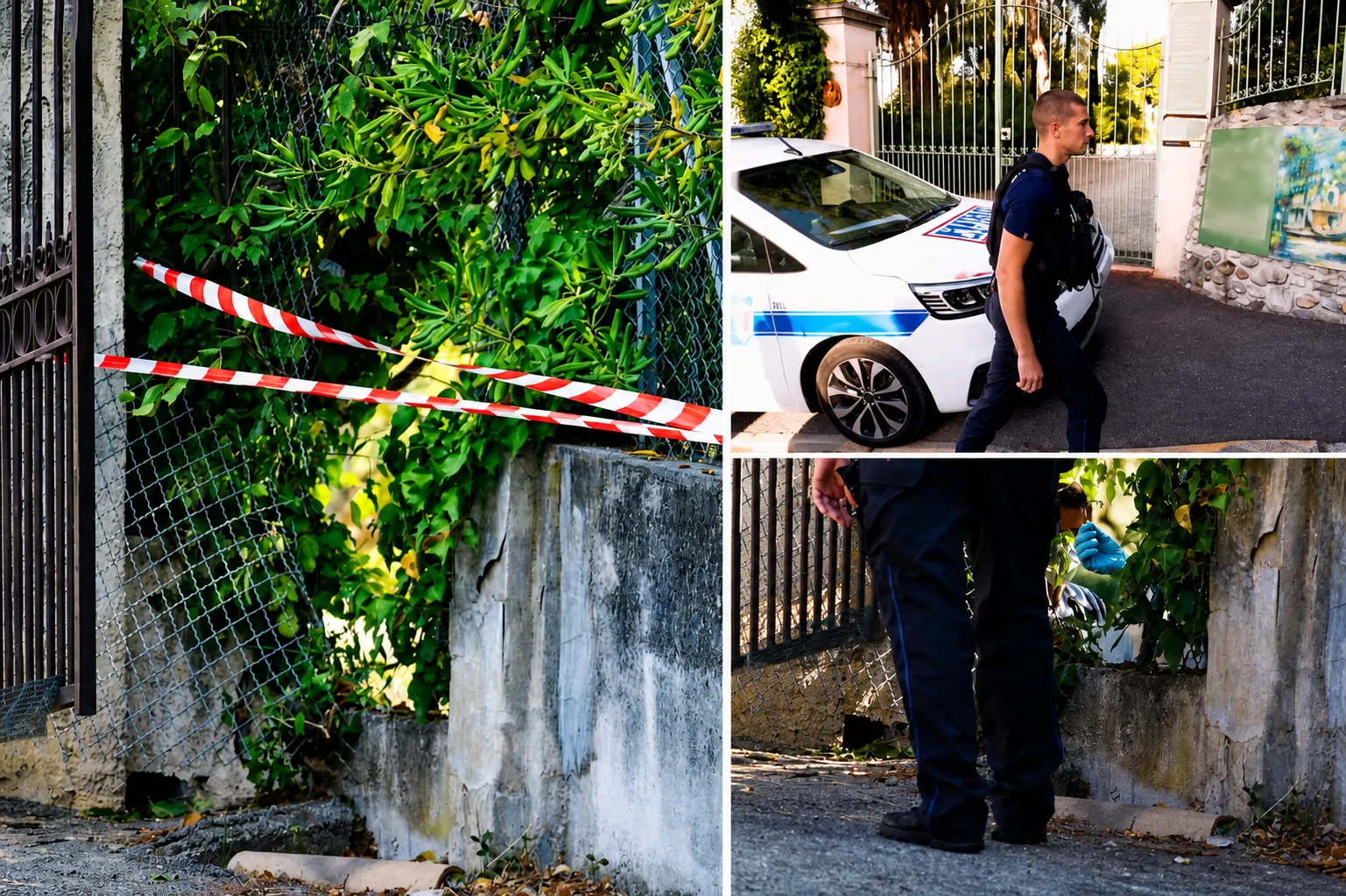
Thieves are being hunted across the French Riviera after a brazen overnight raid on a museum dedicated to Pierre-Auguste Renoir.
The break-in happened early Tuesday at the Renoir Museum in Cagnes-sur-Mer, a coastal town sandwiched between Cannes and Nice, according to a statement from Mayor Bryan Masson. Surveillance cameras captured the intruders inside the building, which occupies the painter’s final home before his death in 1919. The footage showed them making off with four paintings collectively worth millions of euros, though an official with the regional police administration cautioned they were not authorized to confirm specific valuations under department policy.
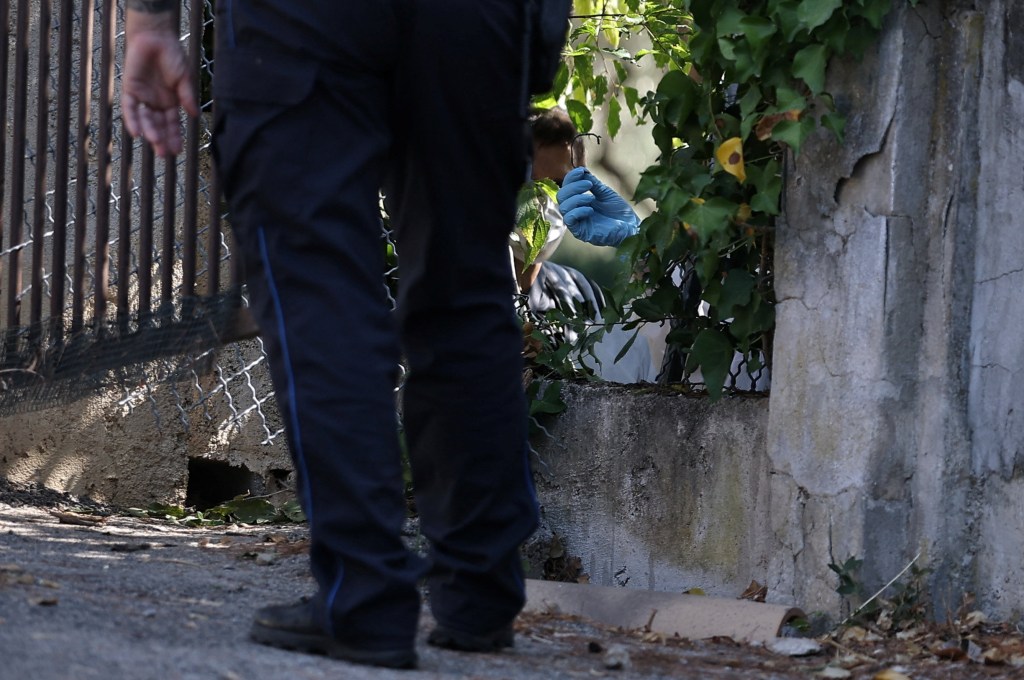
The thieves did not get clean away. One of the four canvases slipped from their grasp during their escape, Masson’s statement disclosed. The dropped work was left behind as the perpetrators fled, leaving investigators with both a recovered piece and a trail to pursue. The regional police official confirmed that an active investigation is underway and that authorities are actively searching for suspects.
The Renoir Museum stands as the most celebrated attraction in Cagnes-sur-Mer, drawing visitors to the Mediterranean estate where the Impressionist master spent his closing years. Its collection centers on the artist’s own output, making any theft there a direct strike at Renoir’s legacy rather than a broader survey of the period.
The timing lands uncomfortably close to another headline-grabbing French museum crime. The Louvre in Paris suffered a spectacular crown jewels heist last year, a theft that rattled the country’s cultural institutions and raised questions about security at even its most fortified sites. The Cagnes-sur-Mer break-in, at a far smaller provincial museum, suggests vulnerabilities may extend across the spectrum of French cultural holdings.
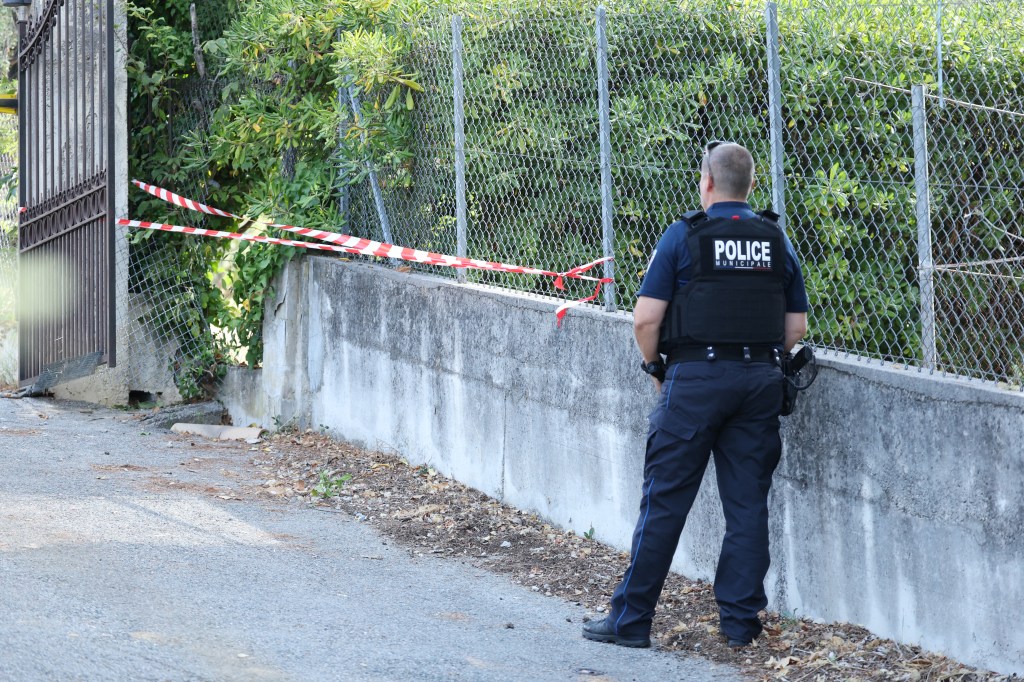
The museum building itself carries the weight of artistic pilgrimage. Renoir settled there in his last period, working through the final phase of his career until his death in 1919. The town later converted the property into a museum honoring his life and work, anchoring Cagnes-sur-Mer’s identity in its connection to the artist.
Police have not publicly named suspects or detailed how the thieves breached the museum’s security. The regional official, speaking under the condition of anonymity that police policy requires, would not elaborate on whether the surveillance footage had produced identifiable images or whether the recovered painting showed damage from its fall.
The three remaining stolen works represent a significant loss to a collection rooted in a single artist’s output, with no comparable holdings nearby to fill the gap. The museum’s isolation within one man’s domestic space makes each piece irreplaceable by definition.
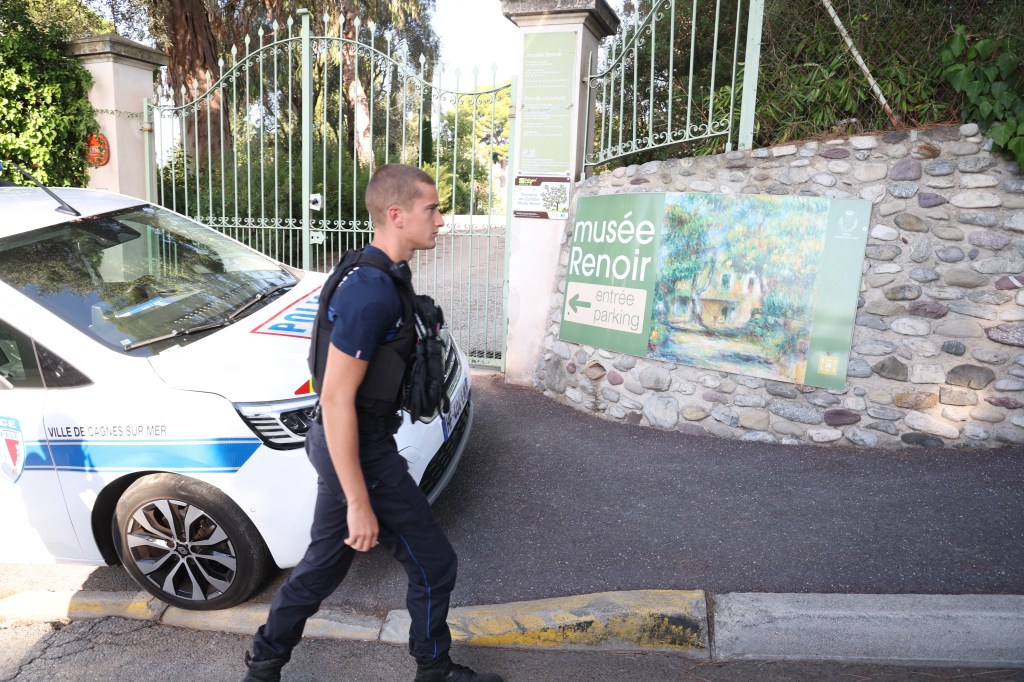
The investigation continues as authorities work to track the missing paintings and those who took them.