


Benjamin Netanyahu’s office has forcefully denied explosive new allegations that he received a direct warning about Hamas’s Oct. 7, 2023 attack more than a week before it happened.
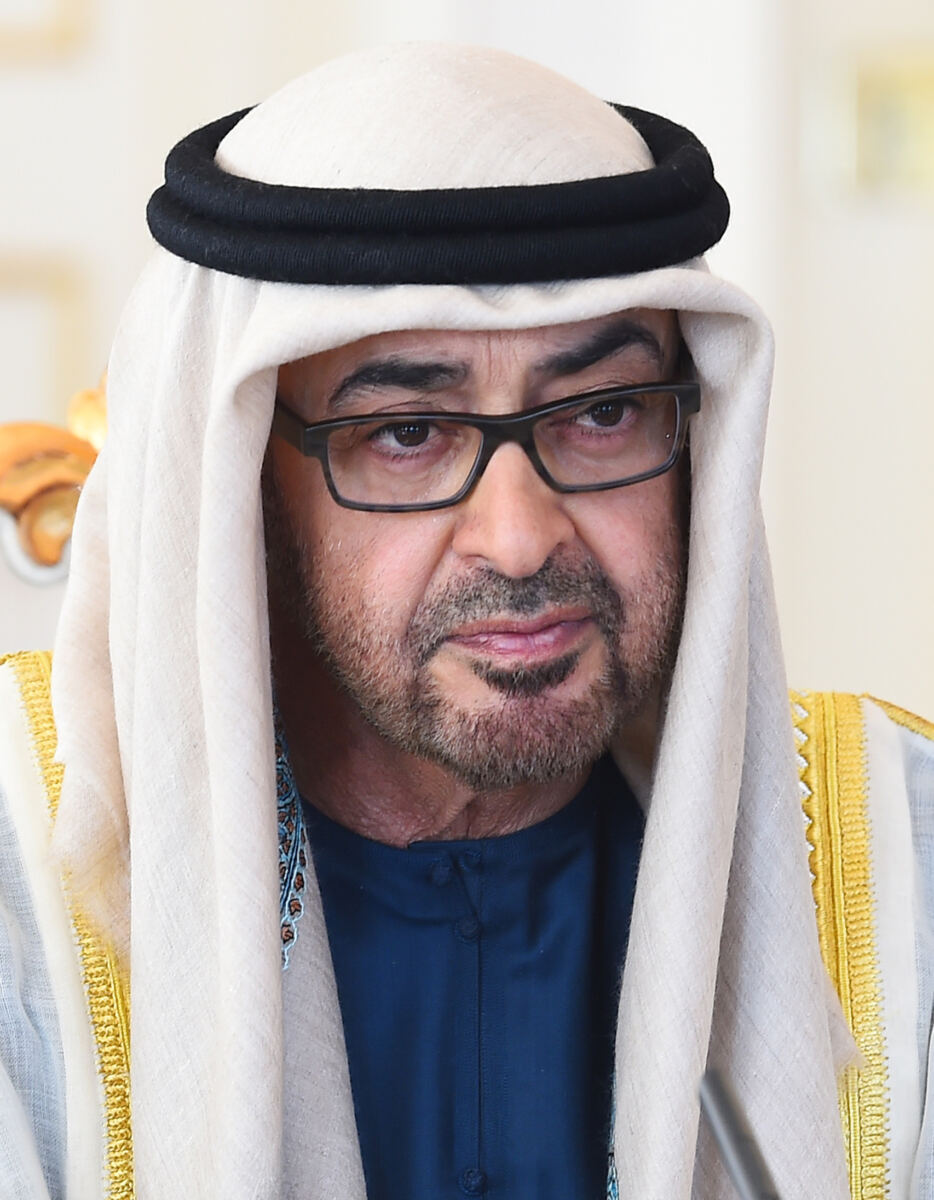
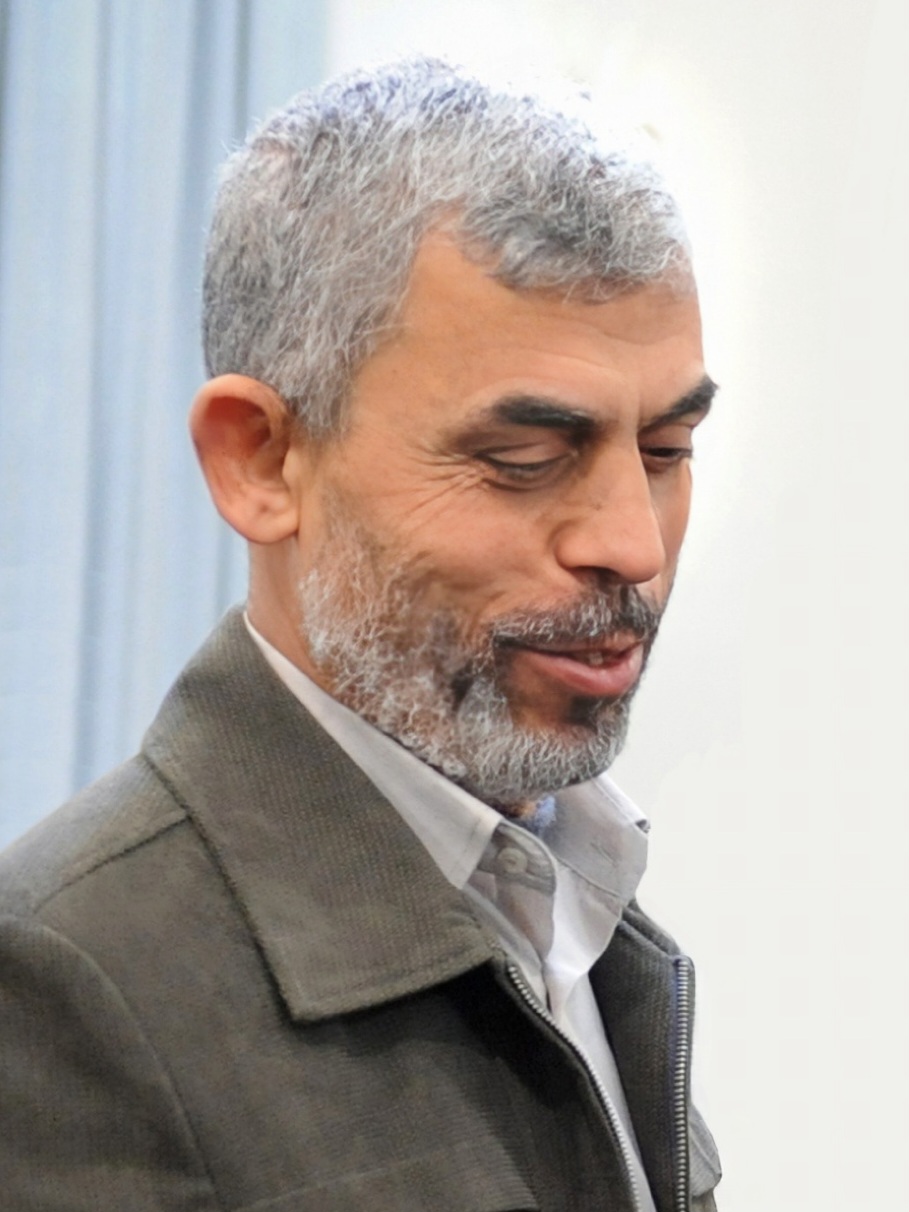
The Israeli prime minister, 75, rejected claims published in a new book by Israeli journalists that UAE President Mohammed bin Zayed personally called him 10 days before the assault to alert him that Yahya Sinwar was planning an operation, according to Haaretz newspaper’s report on the book. Netanyahu’s office fired back quickly, dismissing the account as an “absolute lie” and insisting that no such phone call ever took place.
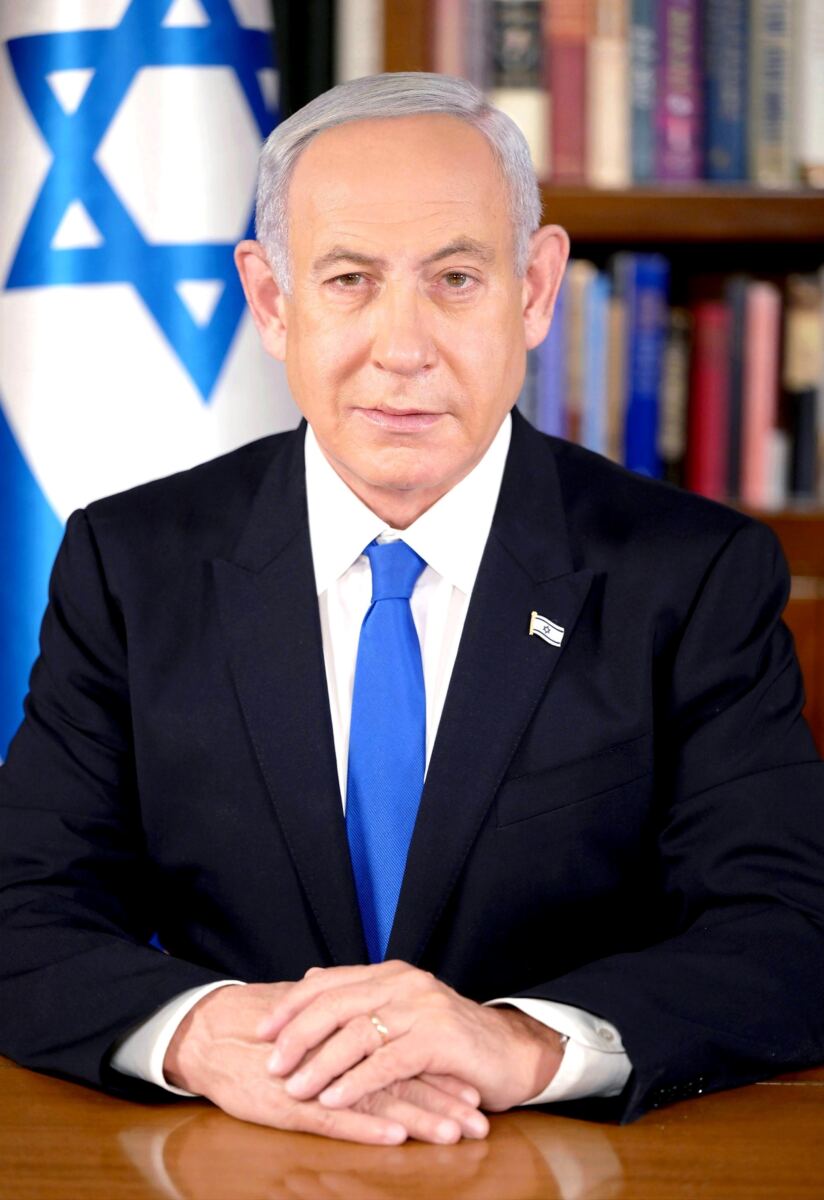
The timing of the allegations has sharpened their political impact. Israel is scheduled to hold national elections in the coming weeks, and Netanyahu has faced mounting pressure over his handling of the wars in Gaza and Iran. The Oct. 7 attack, in which Hamas militants killed approximately 1,200 Israelis and took around 250 hostages, remains the deadliest single day in the country’s history and has defined his current term in office.
The book’s claims center on Mohammed bin Zayed, the president of the United Arab Emirates, which established formal diplomatic relations with Israel in 2020 through the Abraham Accords. As a key regional ally, the UAE maintains intelligence networks across the Middle East, including sources close to Hamas leadership in Gaza. Yahya Sinwar, the Hamas military strategist named in the alleged warning, was widely considered the architect of the Oct. 7 operation before his death in Israeli military action in 2024.
Netanyahu’s office did not elaborate on what specific elements of the book’s account it contested beyond the phone call itself. The denial was categorical, with the statement labeling the claim an “absolute lie” rather than offering any qualified or partial rebuttal.
The allegations add to a growing body of post-attack scrutiny over whether Israeli intelligence and political leadership missed or ignored warning signs before Oct. 7. Multiple investigations and media reports in the months following the attack documented various intelligence indicators that Hamas was preparing for a large-scale operation, though none previously alleged a direct heads-up from a foreign head of state to Netanyahu himself.
The book, authored by Israeli journalists, has not yet been released in full, and Haaretz’s reporting on its contents represents one of the first public accounts of its central claim. The newspaper did not specify how the journalists sourced the allegation about the bin Zayed-Netanyahu call or whether the book provides additional corroborating detail.
Netanyahu has consistently defended his government’s actions in the lead-up to and aftermath of the attack, resisting calls for his resignation and framing the ongoing military campaigns as necessary for Israeli security. The wars in Gaza and against Iranian-backed groups have consumed his government’s agenda for more than 18 months, with no clear endpoint to either conflict.
The pre-election period has intensified political attacks on his leadership, with opposition figures and some military reservists blaming him for intelligence failures and strategic miscalculations. The new book’s claims provide fresh ammunition to critics who argue Netanyahu prioritized political survival over national security.
Mohammed bin Zayed’s office has not publicly commented on the alleged call, according to the available reporting on the book’s contents. The UAE maintains official diplomatic relations with Israel while also positioning itself as a mediator in regional conflicts, including post-war Gaza reconstruction discussions.
The Oct. 7, 2023 attack shattered Israel’s sense of border security and triggered a military response in Gaza that has drawn sustained international scrutiny. Hamas militants breached the Gaza-Israel barrier at multiple points in the early morning hours, attacking military bases and civilian communities in southern Israel. The subsequent Israeli military campaign in Gaza has killed tens of thousands of Palestinians, according to health authorities in the territory, and displaced the majority of its population.
Netanyahu’s electoral prospects remain uncertain as the vote approaches. His Likud party faces challenges from both centrist opposition groups and more hardline factions, while the ongoing hostage crisis continues to generate public anguish and periodic mass demonstrations against his government.
The book’s full publication may provide additional context for evaluating the bin Zayed allegation, though Netanyahu’s office has already staked out an unambiguous position. Whether the claim gains traction in Israeli political discourse will likely depend on whether other sources corroborate the account or whether the journalists provide detailed attribution for their reporting.
Israel’s election commission has not announced any delay to the scheduled vote despite the ongoing military operations and domestic political turbulence.