
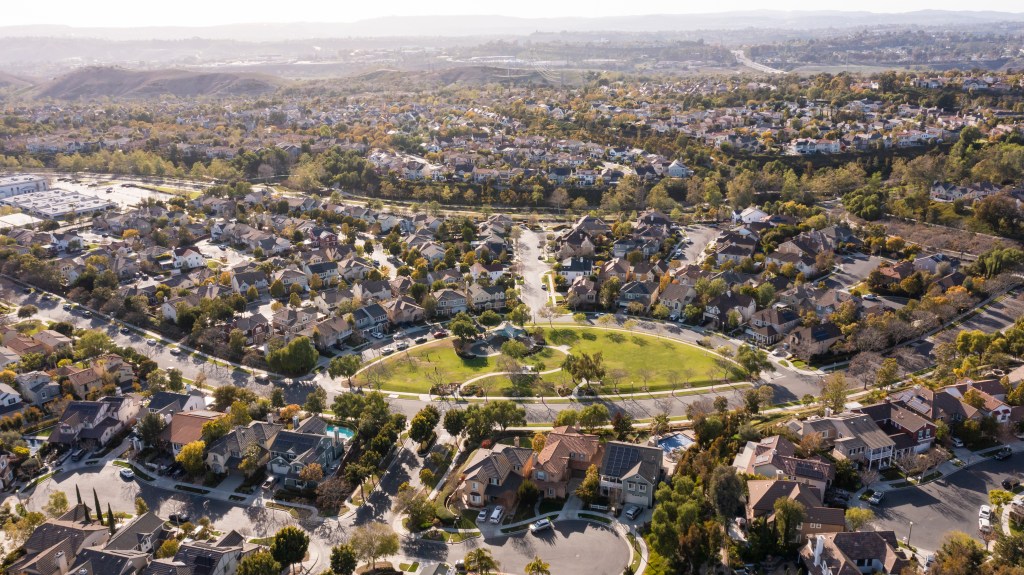
A Southern California homeowners association has rejected calls to permanently ban pesticides in a wealthy Orange County community where multiple young people have died from rare cancers, with board members and some residents citing cost concerns over an organic landscaping switch.
The Ladera Ranch Maintenance Corporation, which serves more than 23,000 people in the master-planned community, unanimously approved several measures Wednesday expanding pesticide-free zones and studying alternatives. But the five-member board stopped short of the total prohibition that grieving families and advocates demanded, and the meeting’s brisk pace left many attendees enraged.

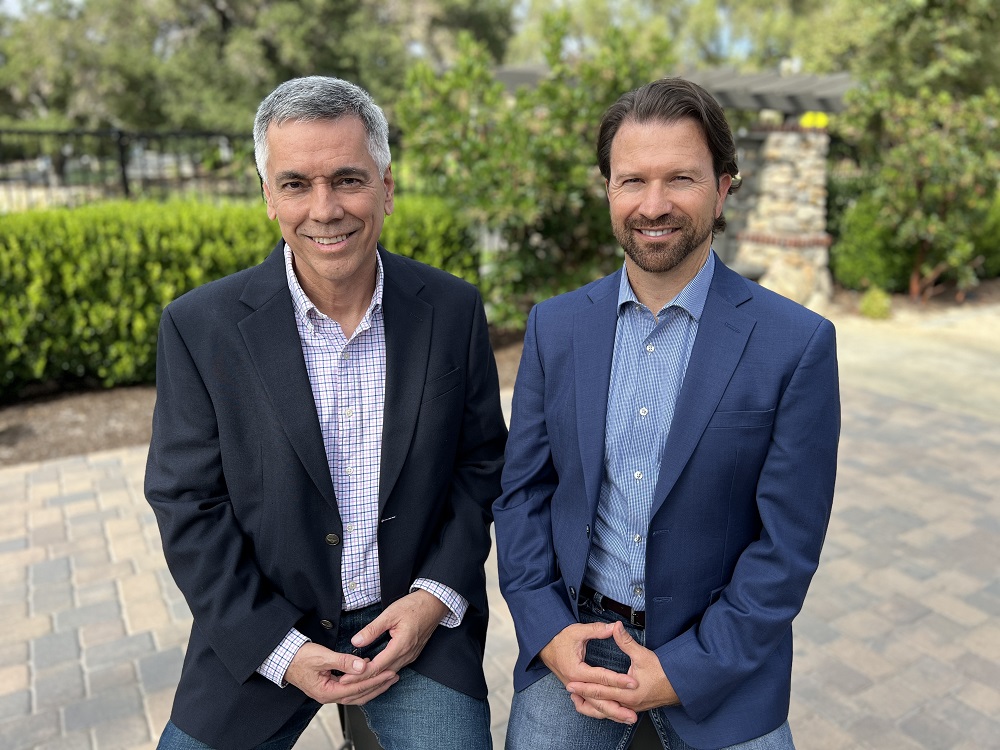
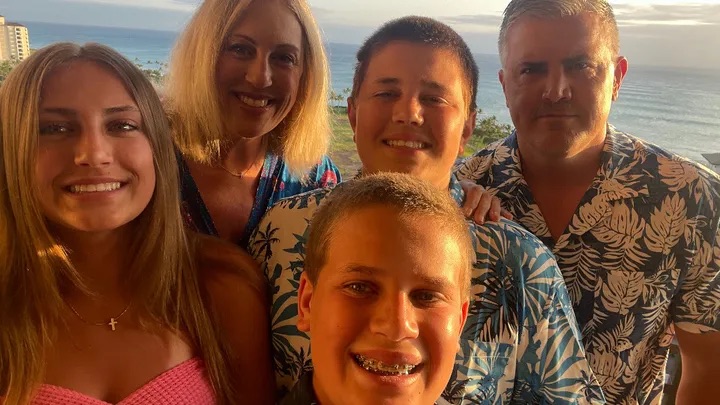
John Gresko, a Ladera Ranch resident, father of five and founder of the advocacy group Protect Ladera, was among at least ten speakers who addressed the board. “No one should have to wonder whether what they’re breathing, drinking, or touching is harmful. This is about precaution, not causation,” he told The California Post.
The cost argument has become the central battle line. Jeff Moll, a resident who plans to run for an HOA board position, said the association currently spends “$44,000 a month on a certified landscape.” Residents countered that LARMAC has not sought competing bids that might lower the price of organic management.
Tensions boiled over during remarks by Margaret Novak, a Santa Margarita Water District board member who spoke in favor of conventional pesticides and stressed their role in maintaining Ladera Ranch’s manicured appearance. A mother in attendance who had lost her son to cancer earlier this year began crying during Novak’s speech, and other attendees later called Novak a “plant.”
Community advocates have identified roughly 9 to 12 cases of Ewing sarcoma and synovial sarcoma diagnosed in and around Ladera Ranch, with residents tracking at least six deaths. Families have publicly named several young victims: Ryan Regan, who died in October 2025; Lily Dalton, 23, who died in January 2026; and Brody Matteson, 17, who died in March 2026.
Government health officials and community leaders have not established any connection between the cancers and pesticide use, and there is no official confirmation that the chemicals caused the illnesses. But residents have pushed for an independent environmental investigation and a complete prohibition on spraying, rejecting the temporary pauses the board has offered.
LARMAC’s existing freeze began around July 17 and originally lasted 60 days, banning two herbicides, Lifeline and ATRIMMEC. After residents reportedly caught the HOA spraying Specticle G Herbicide—a product already banned in Europe—that chemical was added to the local prohibition. The pause was later extended to 120 days, through November.

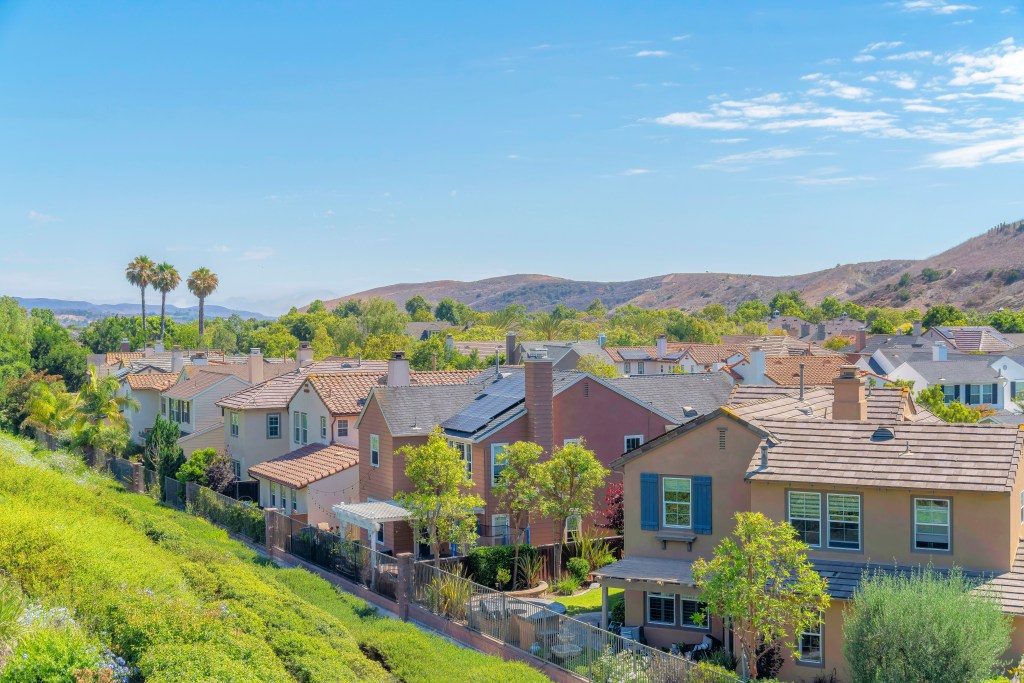
The distinction between “high-use” and “low-use” areas emerged as another major flashpoint. Residents fear the lower-use designation creates a loophole for continued spraying, noting that children do not confine themselves to sidewalks and designated paths. “My own kid loves to go foraging off the trail, off the sidewalk, into the bushes, into the more natural areas and look for bugs,” Gresko said. “And that’s exactly the kind of kid that could potentially be in harm’s way if they’re using conventional products.”
Wednesday’s meeting agenda was dominated by pesticide items. Measures B through G covered a comprehensive organic land-management plan, expansion of high-use areas where synthetic pesticides are not routinely applied, landscape-management standards, evaluation of lower-use and limited-access areas, rodenticide and insecticide evaluation, a progress report with next steps, and soil and water sampling. All five board members approved these items, but residents were furious that the board moved through them quickly without the extended public debate many had sought.
The crowd wanted deeper involvement in decisions about chemicals sprayed near their homes. They also pointed to the Capistrano Unified School District, which implemented a temporary 60-day ban on routine pesticide use and later extended its freeze on landscape chemicals, weed sprays and pesticides across campuses. “But the HOA’s lawyers were there and said that it cannot happen,” Gresko said of efforts to replicate that approach in Ladera Ranch.
Board president Chase Fitzpatrick is reportedly not “completely” on board with eliminating pesticides altogether, according to a source who spoke to The California Post. Two LARMAC board seats will be on the ballot in November.