

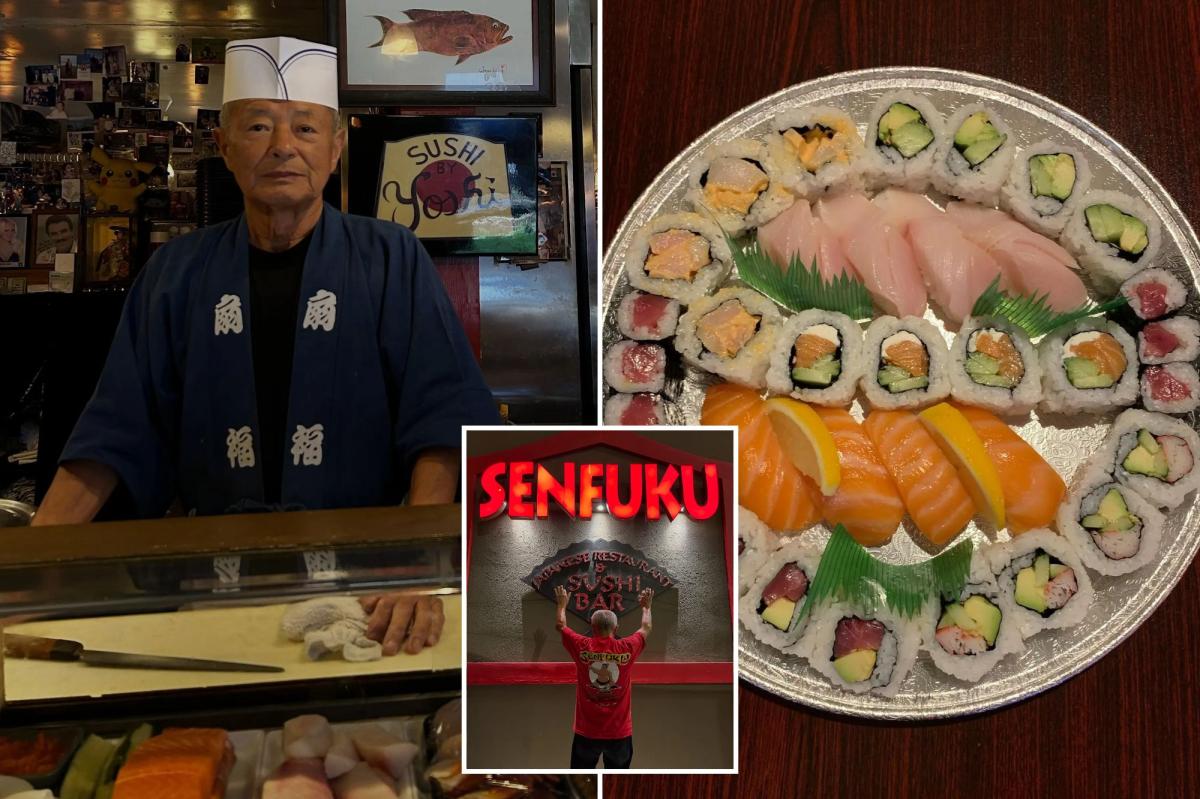
Senfuku Japanese Restaurant is serving its final meals this week as its owners retire after nearly half a century.
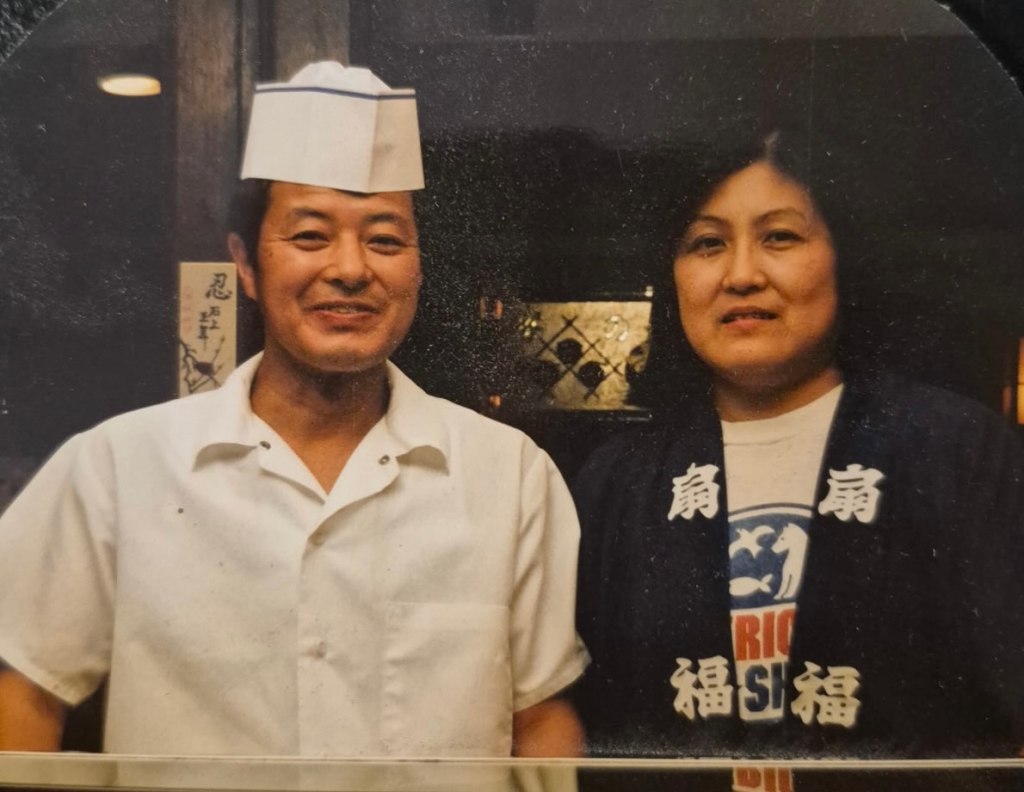
Helen and Yoshi Kikuchi, the husband-and-wife team behind the San Pedro institution, will close the doors next Wednesday, September 16, ending a 45-year run that turned a neighborhood sushi bar into a second home for generations of loyal customers. The couple has spent decades greeting regulars by name, marking birthdays at their tables, and building a community around raw fish and warm conversation.
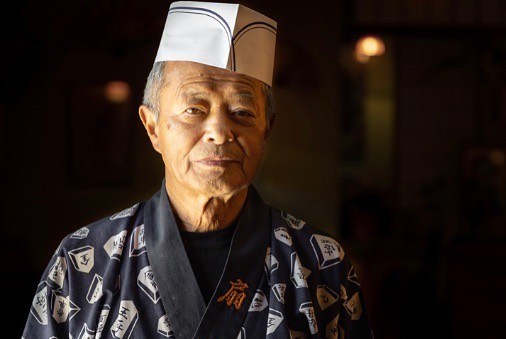
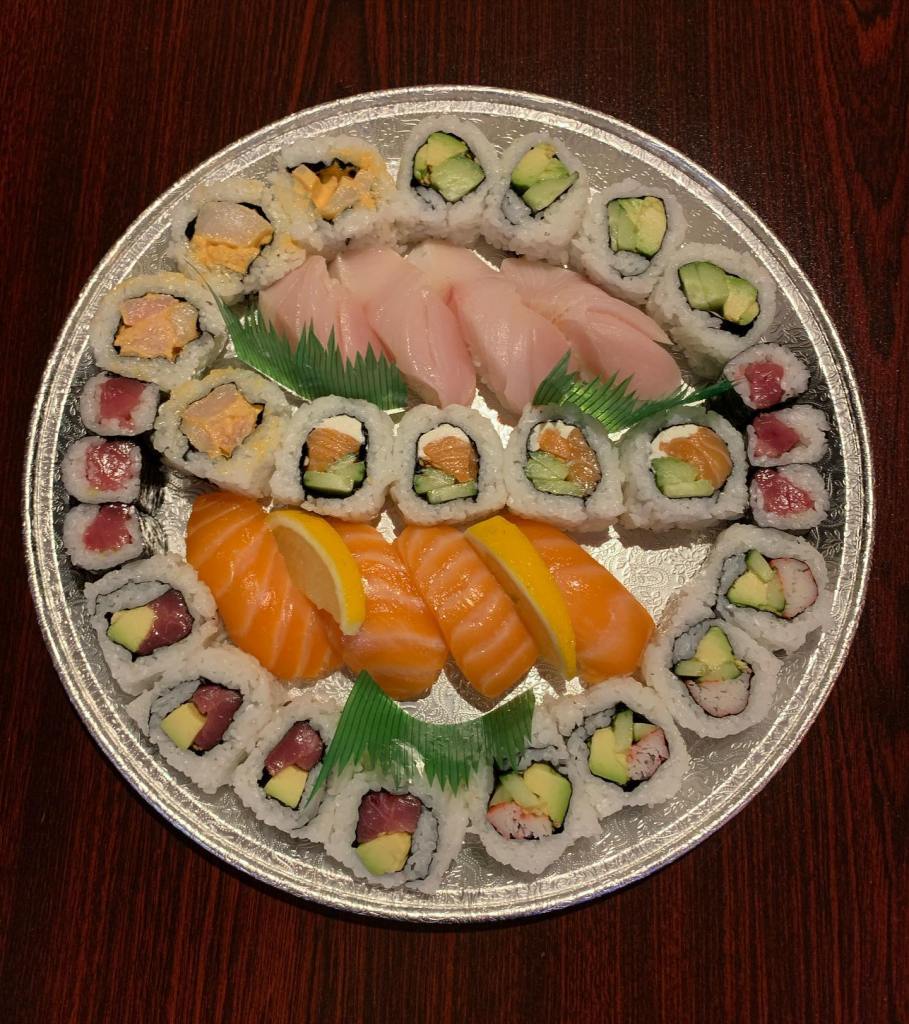
The Kikuchis first opened Senfuku in 1974 before relocating to its longtime home at 380 W 6th Street in 1982. The menu spans sushi rolls, sashimi, and combination plates anchored by chicken and beef teriyaki. Over the decades, the modest dining room attracted an eclectic crowd that included literary heavyweight Charles Bukowski, who reportedly pulled up a stool among the working-class regulars.
Helen Kikuchi, speaking to ABC 7, traced the restaurant’s deepest legacy to the relationships forged across the counter. “There were many, many customers who became friends and we went to their celebrations, and they came to our celebrations. I’m going to miss them all,” she said.
The restaurant’s own farewell message, posted on Instagram, struck a similar chord. “For 45 years, Senfuku was so much more than a Japanese sushi restaurant. It was our second home. It was where we spent our days, celebrated special moments, made lifelong friendships, and watched so many of you become part of our family,” the post read.
That sentiment resonated immediately in the comments. “Thank you for welcoming us all in to Senfuku to share good food, drinks, and conversation with your family. We will miss you but congratulations on your retirement!” one user wrote beneath the announcement.
The closure marks the second blow to Los Angeles’s aging sushi scene in recent months. Ta-Ke Sushi, another pioneer that helped introduce Japanese cuisine beyond Little Tokyo’s boundaries, was forced out in April after 43 years. A mixed-use development project claimed that location, erasing one of the area’s first sushi restaurants outside the historic downtown district.
Senfuku’s final day will extend beyond the usual hours. While the restaurant normally operates from 4 p.m. To 8 p.m., the Kikuchis will keep the kitchen running until 10 p.m. On September 16, giving stragglers and sentimentalists extra time for one last order.
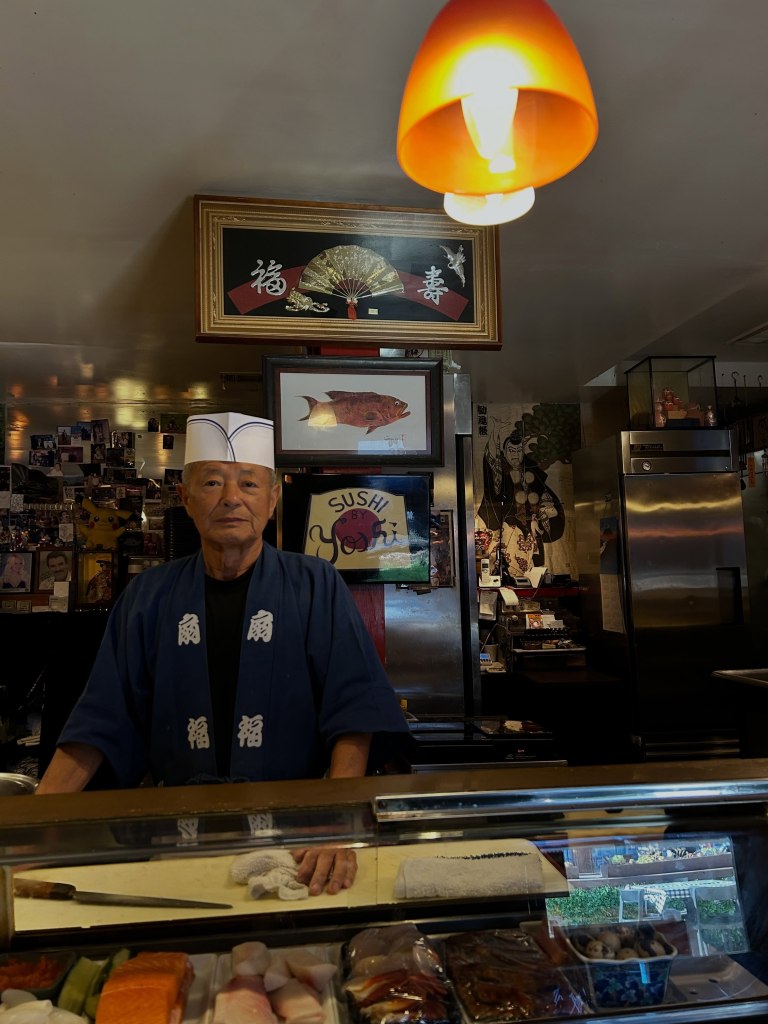
The extended service also offers a window into how the couple has operated since the beginning: accommodating, patient, reluctant to turn anyone away. Regulars who have watched the Kikuchis age behind the counter now face their own reckoning with time, squeezing in final visits before the restaurant becomes another entry in South Bay’s roster of vanished landmarks.
For the Kikuchis, the arithmetic is simple. Forty-five years of six-day weeks, of standing at the sushi bar, of remembering how regulars take their tea, adds up to a life. The restaurant’s Instagram post made clear that the decision carries no bitterness, only gratitude and the ache of leave-taking.
The San Pedro location has survived economic downturns, changing tastes, and the relentless churn of restaurant openings and closings that defines Los Angeles dining. Its endurance made it easy to assume permanence. The Kikuchis’ retirement announcement landed with the particular shock that accompanies the loss of any place that seemed to exist outside time.
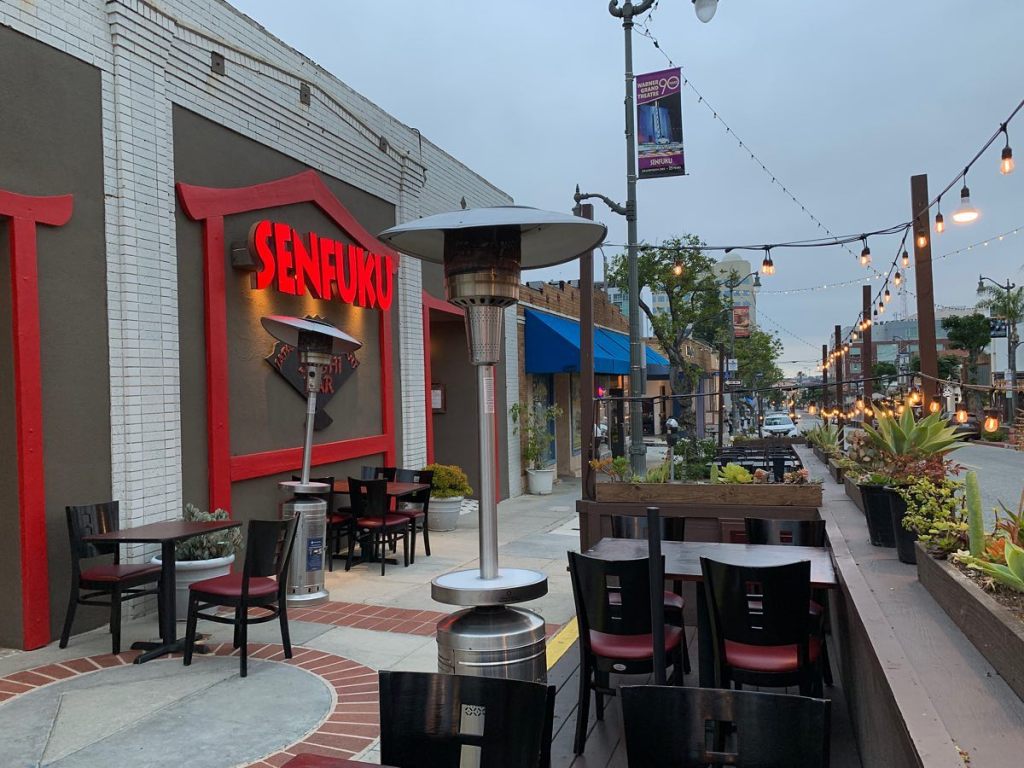
Senfuku’s closing follows a familiar pattern for family-run establishments where the founders are also the daily labor, the institutional memory, and the emotional core. Without a successor willing to absorb those roles, the business dissolves with the owners’ departure. The Kikuchis have apparently found none, or sought none, choosing instead a clean break.
For the final week, the restaurant continues its standard schedule, the routine now freighted with significance. Each roll sliced, each teriyaki plate assembled, carries the weight of last times. The Kikuchis are performing the same tasks they have performed thousands of times, now aware that the count is running down.
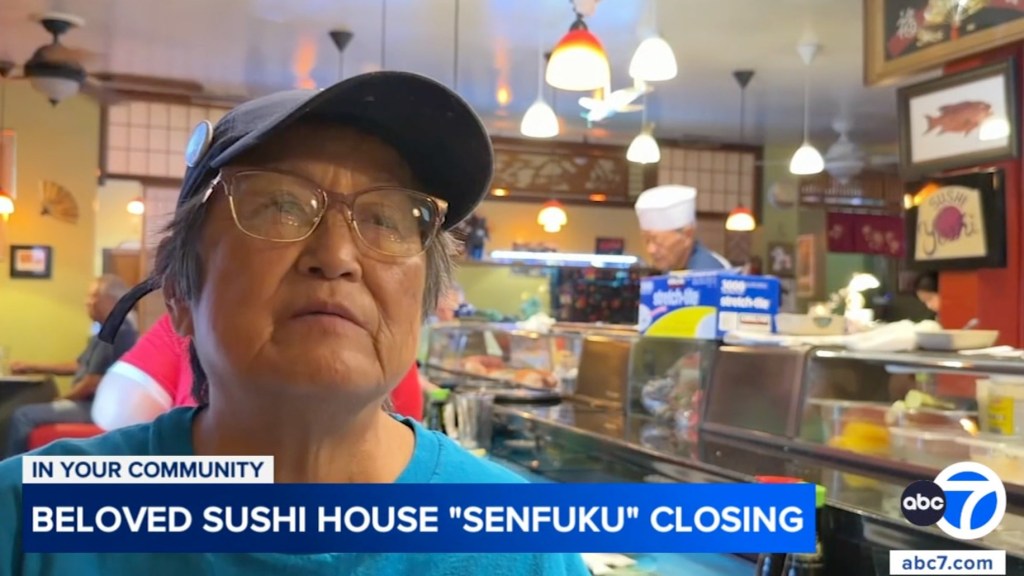
The last seating on September 16 will end sometime after 10 p.m., the dining room emptied, the kitchen quieted, the neon dark. What survives will be the accumulated stories of customers who found something more than sustenance there, and the Kikuchis’ own memories of a working life spent feeding neighbors who became kin.