

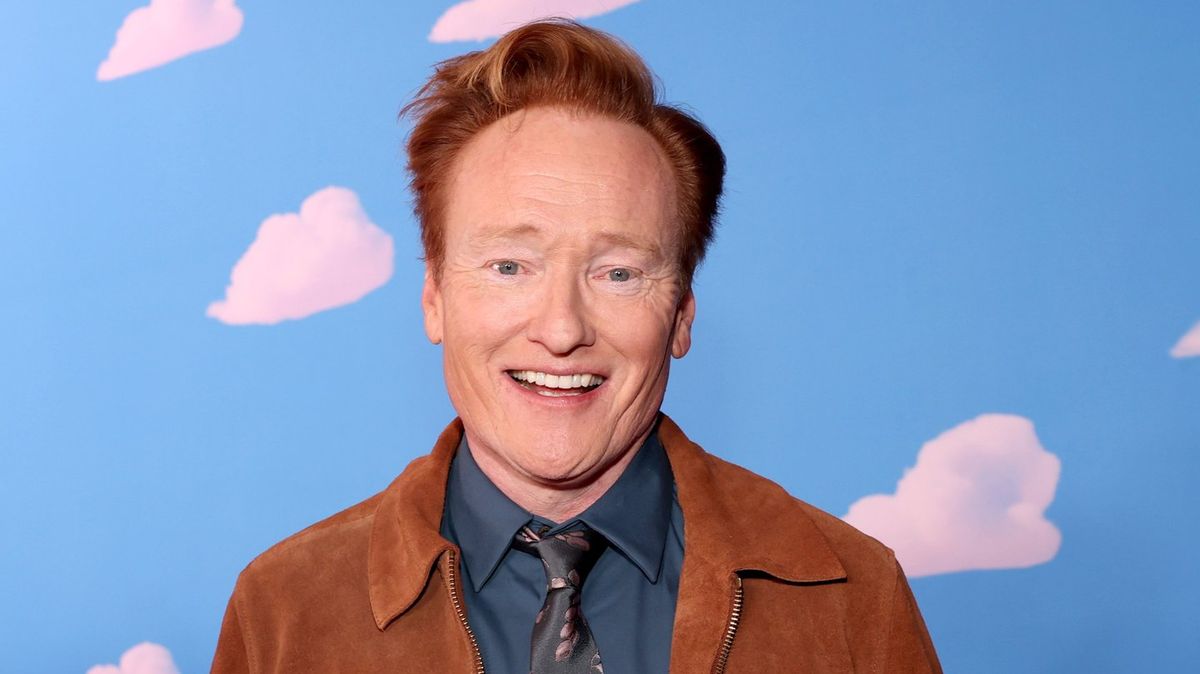
Conan O’Brien has revealed that a sudden job offer from The Simpsons rescued him from a career freefall and a deep mental slump after he quit Saturday Night Live with nothing lined up.
The 63-year-old comedian made the confession during a recent episode of his podcast, Conan O’Brien Needs a Friend, while sitting across from Matt Groening, the 71-year-old creator of the animated series. The conversation marked a rare public reckoning with the darkest period of O’Brien’s early career, a stretch in 1991 that he said left him professionally stranded and emotionally hollowed out.
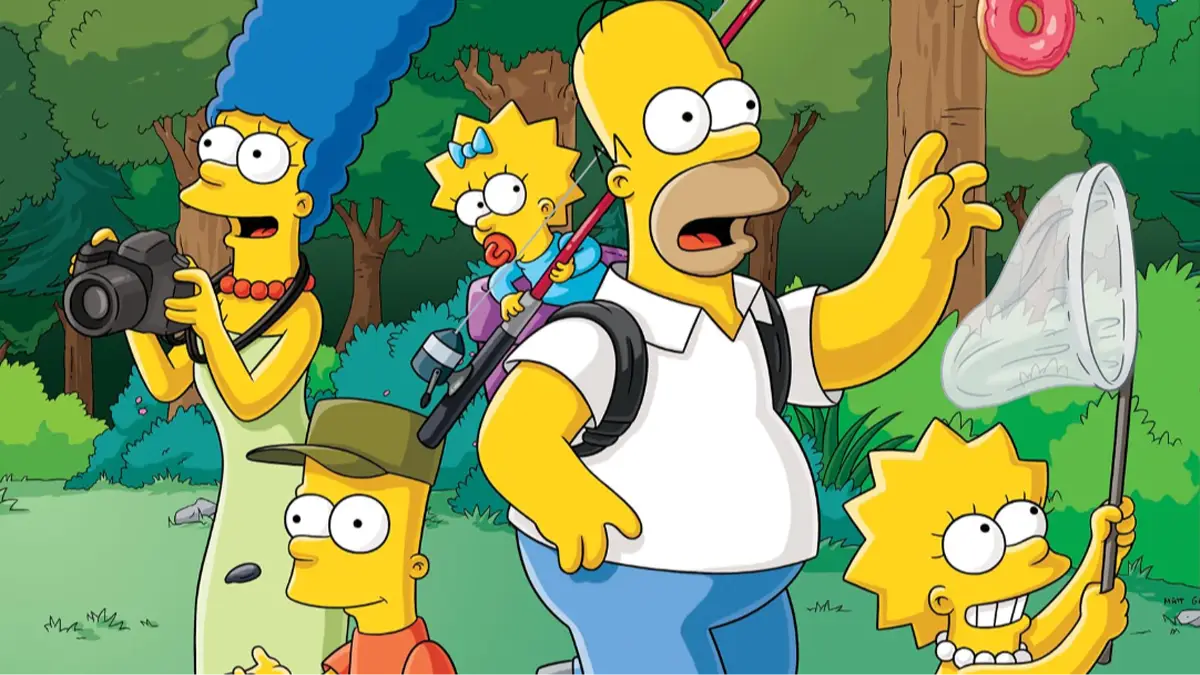
“I was working on Saturday Night Live. I was in a funk,” O’Brien explained to Groening. “I loved that job and I love everyone there, but I thought, ‘I need to go. I’m in a bad place in my life.'”
That admission of inner turmoil led to a drastic decision. O’Brien tendered his resignation from the high-pressure environment of Studio 8H without securing any future employment, a gamble that left him exposed in an unforgiving industry. The move came despite his genuine admiration for his colleagues at the sketch series, a tension he acknowledged openly during the exchange.
The break proved brief. Word of his availability traveled fast through comedy circles, reaching two of The Simpsons’ writers. “I walked away from SNL with no job, and two of your writers, I think it was [Mike] Reiss and [Al] Jean, heard that Conan O’Brien might be loose and available,” he recalled.
What followed was a rapid-fire audition process that bore little resemblance to traditional Hollywood hiring. O’Brien submitted sketches he had written during his SNL tenure, material that apparently convinced the animated series’ brain trust to move with unusual speed.

“Then I was told, ‘You’ve got a job on The Simpsons, and you need to be here in four days,'” O’Brien added. “And it really saved my life.”
The transition from live-action sketch comedy to the writers’ room of an established animated hit initially intimidated the young comedian. Yet he adapted quickly, embedding himself as a core creative voice during a period now regarded as the show’s golden age. Between 1991 and 1993, he contributed to some of the most celebrated episodes in television history, including “Marge vs. The Monorail,” “Homer Goes to College,” and “New Kid on the Block.”
That run ended abruptly when NBC selected O’Brien to replace David Letterman on Late Night in 1993, a hosting gig that would define the next three decades of his professional life. The leap from anonymous writer to network television personality came with its own pressures and public scrutiny, but it never erased the memory of the precarious moment that preceded it.
More than thirty years later, O’Brien still frames that Simpsons offer as something beyond mere career salvation. The job arrived when his mental health had bottomed out, providing structure, purpose, and a creative outlet at a moment when he had deliberately stripped himself of all three. The rescue was professional, he made clear, but also deeply personal.
Groening, for his part, listened as O’Brien mapped the connection between that 1991 phone call and everything that followed. The Simpsons creator has presided over countless writers passing through Springfield, but few arrived with the backstory O’Brien carried, or departed with such velocity for an even larger platform.
The podcast exchange offered listeners a glimpse into how narrowly O’Brien’s trajectory might have diverged. Without Reiss and Jean catching wind of his availability, without the writers’ room taking a chance on an unproven sketch comedian, the late-night landscape of the 1990s and 2000s would have looked radically different.
O’Brien’s tenure at The Simpsons lasted only two years, a brief interlude by the standards of television careers. Yet its imprint on his life story, as he tells it now, dwarfs its duration. The job did not simply launch him toward NBC and nearly thirty years behind a desk. It caught him at a moment of freefall, when he had bet everything on walking away from security without knowing what came next.
The comedian has spoken before about the anxieties of his early career, but rarely with this specificity about the psychological stakes of that 1991 departure from SNL. The podcast conversation with Groening stripped away the polished origin myth, replacing it with a messier, more vulnerable account of a young writer gambling on himself and nearly losing.
O’Brien currently hosts Conan O’Brien Needs a Friend, the podcast that has become his primary creative outlet since ending his TBS show Conan in 2021.