

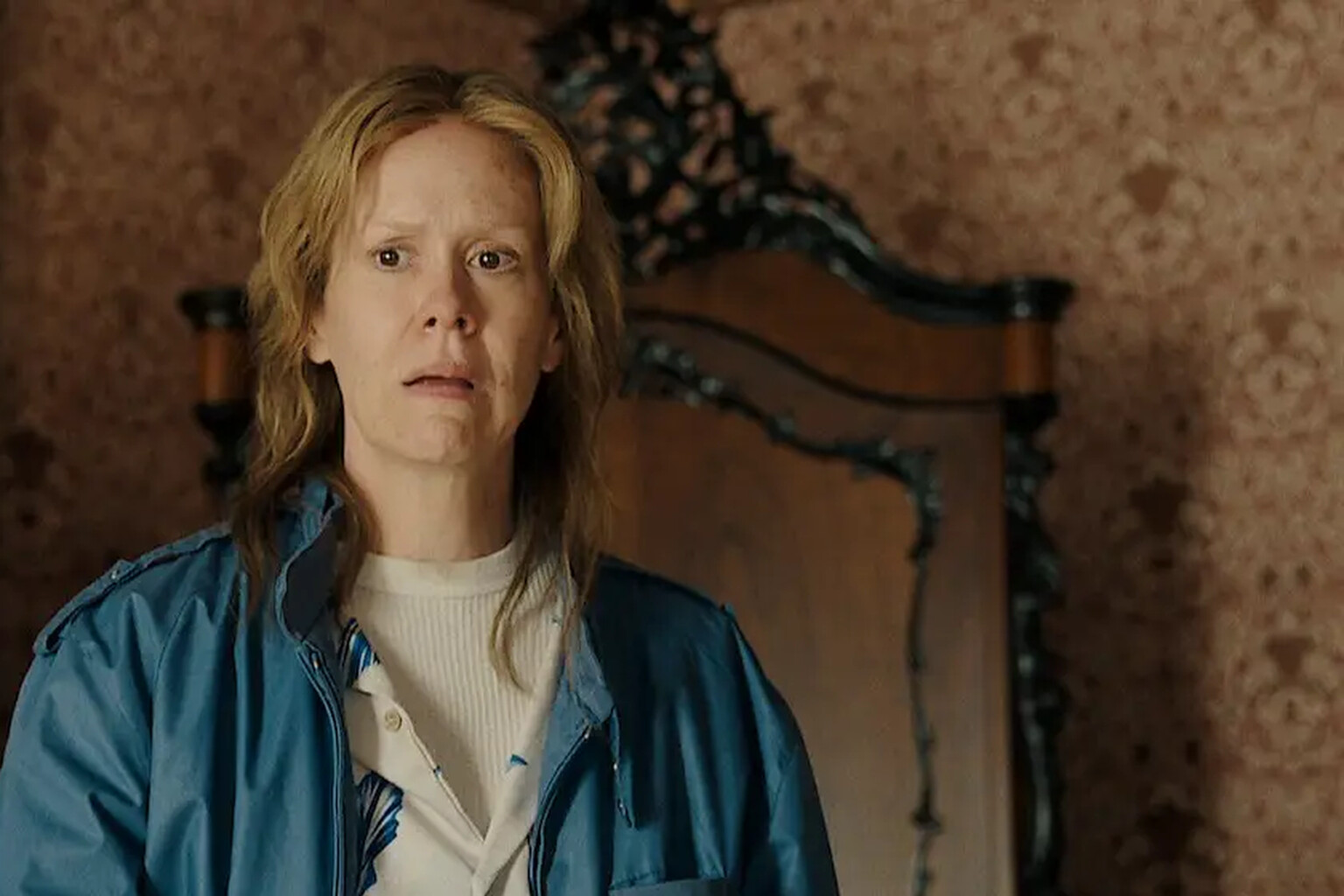
Netflix’s “Monster: The Lizzie Borden Story” closes with a jarring anachronism: Aileen Wuornos, executed in 2002, sharing screen space with a woman tried for axe murders in 1892.
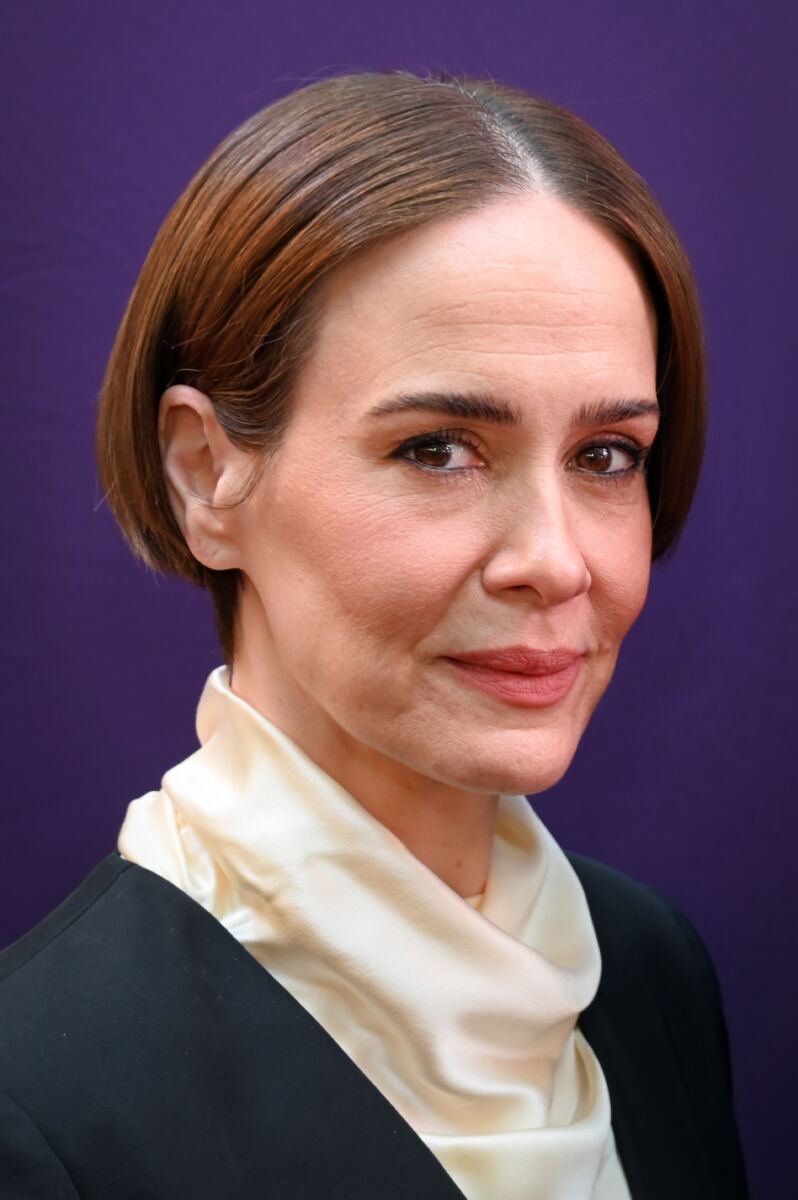
Sarah Paulson, 50, portrays the Florida serial killer in the eighth and final episode of the anthology series, which began streaming September 17. The casting lands more than a century after Wuornos’s birth and decades after her lethal injection for seven murders committed between 1989 and 1991.
Ella Beatty, who plays Borden, told Netflix the creative choice was deliberate. “The show is exploring a legacy of female rage and reaction to the set of circumstances that they are presented with,” she said. “I think there’s a connection [between Borden and Wuornos] that Ryan and Ian were interested in mapping and exploring.”
Showrunners Ryan Murphy and Ian Brennan engineered the collision despite zero documented link between the women. Wuornos appears in jailhouse interviews, courtroom testimony about alleged abuse, and finally a visitor’s room on the eve of her execution. She delivers a pointed line: “Just another woman put to death for something a man would’ve gotten away with.”
The finale stages a dream sequence where Wuornos wakes on her execution gurney to find Borden and the Borden family housekeeper waiting. “You’re going someplace safe,” Borden tells her. “All is forgiven. All is understood. At last.”
Natalie Merchant’s 1995 song “Carnival” scores both Wuornos’s execution and the closing moments. The track carries extra weight: Wuornos reportedly loved Merchant’s music and had requested it for her funeral.
Beatty framed the season’s broader mission. “Every season of Monster has been an exercise in understanding the person’s psychology,” she said. “Are they born or are they made?”
Wuornos’s actual biography offers little surface overlap with Borden’s. Born in 1956 in Michigan, she described a childhood of abandonment and beatings before running away at 15. She spent four years hitchhiking and working as a sex worker, during which she said she was raped roughly 30 times. At 20, she shot herself in the stomach in a suicide attempt and survived.
She later settled in Florida, supporting a relationship with hotel maid Tyria Moore through sex work. Beginning in 1989, she killed seven men across central Florida over 12 months. Arrested in 1991, she initially claimed self-defense before pleading no contest to three murders in 1992. In a 2000 interview, she admitted her self-defense claim was false. She was executed October 9, 2002.
Charlize Theron, 49, won a Best Actress Oscar for portraying Wuornos in the 2003 film “Monster.” In the 2025 Netflix documentary “Aileen: Queen of the Serial Killers,” Wuornos’s adoptive mother Arlene Pralle offered a starkly different characterization. “She is a very caring, compassionate, feminine human being with a heart of gold,” Pralle insisted.
The Borden case that frames the season began August 4, 1892, when Andrew and Abby Borden were found hacked to death in their Fall River, Massachusetts home. Lizzie Borden, 32, was tried and acquitted of their murders, though she remained a pariah in her community until her death in 1927. The rhyme that preserved her infamy — “Lizzie Borden took an axe” — long outlived her.
Murphy and Brennan’s anthology has previously dissected Jeffrey Dahmer and the Menendez brothers. The Wuornos coda extends their method of forcing historical figures into conversation across time, using dramatic license to argue thematic kinship where none existed chronologically.
The archival material in the finale draws from actual prison interviews, including footage in “Aileen: Queen of the Serial Killers” where Wuornos traced her trajectory through violence and survival. That documentary, also released in 2025, provides the raw testimony the series repurposes for its fictional frame.
Netflix has not announced a fourth season of “Monster” or its subject.