

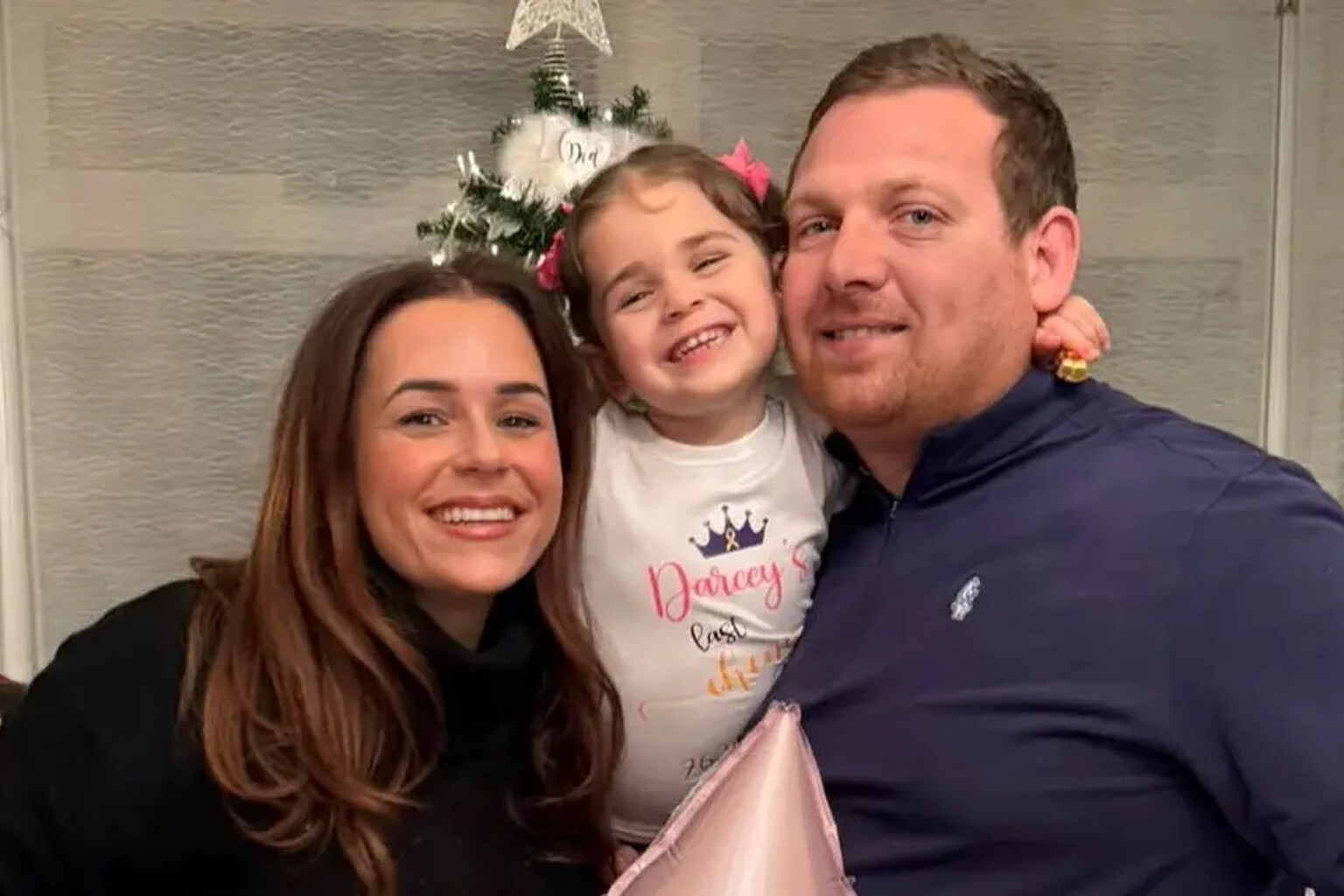
Sophie Sparks is speaking out after doctors repeatedly dismissed her daughter’s leukemia as routine daycare bugs.
Sparks, 37, of Rainham, Essex, spent six weeks pleading for answers while her 17-month-old daughter Darcey cycled through soaring temperatures, relentless coughs and infections that never seemed to clear. Medical staff at multiple walk-in centers and one emergency room visit treated the toddler for tonsillitis, prescribed throat spray and antibiotics, and assured the family that young children simply build immunity through repeated illness.
“We knew in our gut that something wasn’t right,” Sparks said. “A few weeks in, we noticed her stomach was becoming very swollen.”
The breaking point came when Darcey’s complexion turned alarmingly pale, almost yellow. A doctor who finally examined her in person sent the family straight to A&E at Queen’s Hospital in Essex. Even then, Sparks recalled, they waited four hours before staff told them Darcey appeared fine. She pushed for testing anyway.
“Once blood tests were done, the nurses face changed and told us Darcy was incredibly anaemic. We were told she needed a blood transfusion and would have to stay overnight,” Sparks said.
“At around 1am a doctor came to see us and said they’d reviewed her blood results. They didn’t know exactly what was wrong, but they believed she had leukaemia. Within a single day, our whole world had changed.”
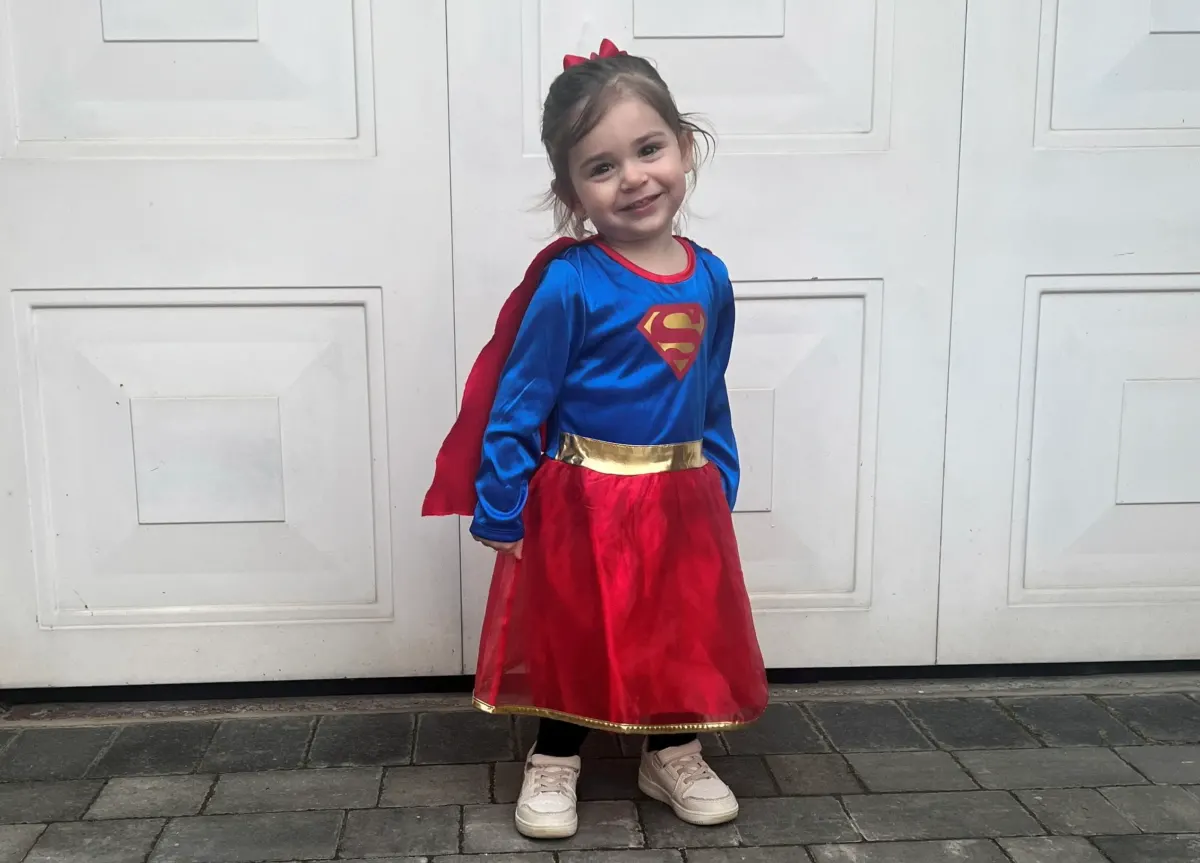
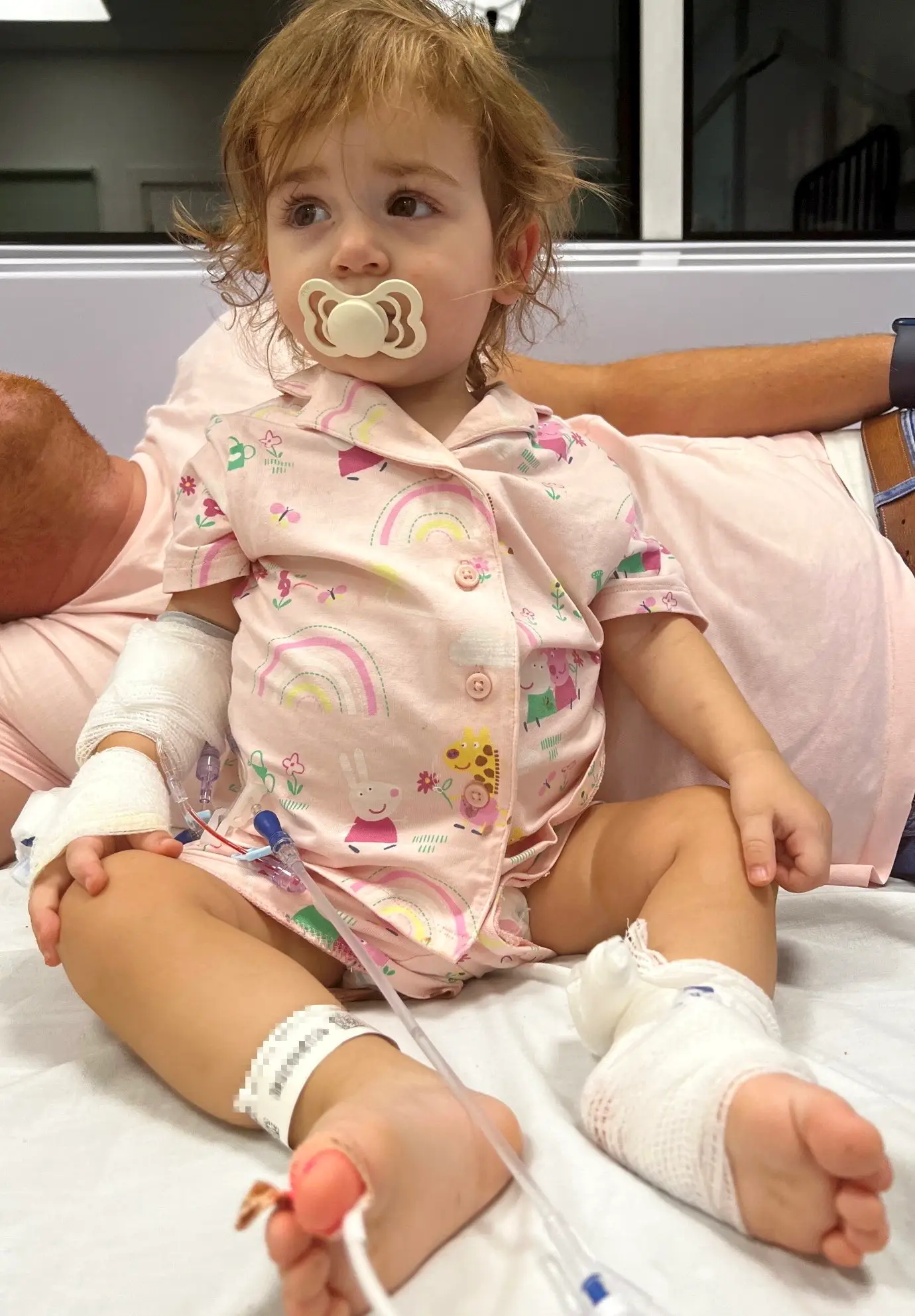
Within 48 hours, Darcey was at Great Ormond Street Hospital beginning chemotherapy for acute lymphoblastic leukemia. The November 2022 diagnosis launched two and a half years of treatment, including roughly six months of intensive chemotherapy followed by an 18-month maintenance phase during which Sparks administered daily chemotherapy at home. Darcey also had a port fitted for easier delivery of treatment, transfusions and blood tests.
The grueling regimen kept the child in and out of hospital as she battled the treatment’s severe effects. Her port was finally removed in March 2025. In December 2024, now five years old, Darcey rang the ceremonial bell marking her cancer-free status.
“Seeing her walk into reception was one of the proudest and most emotional moments of our lives, especially after everything she’d been through,” said Sparks, an aviation insurance claims manager married to Jon Sparks, 37. “When you know you could have lost your child, after all she’d been through, it was really special.”
The family had faced a cascade of dismissals before that emergency room night. Sparks detailed visits to walk-in centers three times and A&E once, never securing an appointment with their own family doctor. Each time, she said, they heard variations of the same message.
“Every time we took her to a doctor, we raised concerns about it, but we were repeatedly told it was a minor illness she probably picked up at nursery or constipation,” Sparks said. “Each time, we were told she was simply building her immune system, that she was young, and that these things were normal and we were just being overdramatic first-time parents.”
When the family sought a second opinion after Darcey failed to recover between illnesses, developed the swollen stomach and stopped eating, they were told she was probably just constipated.
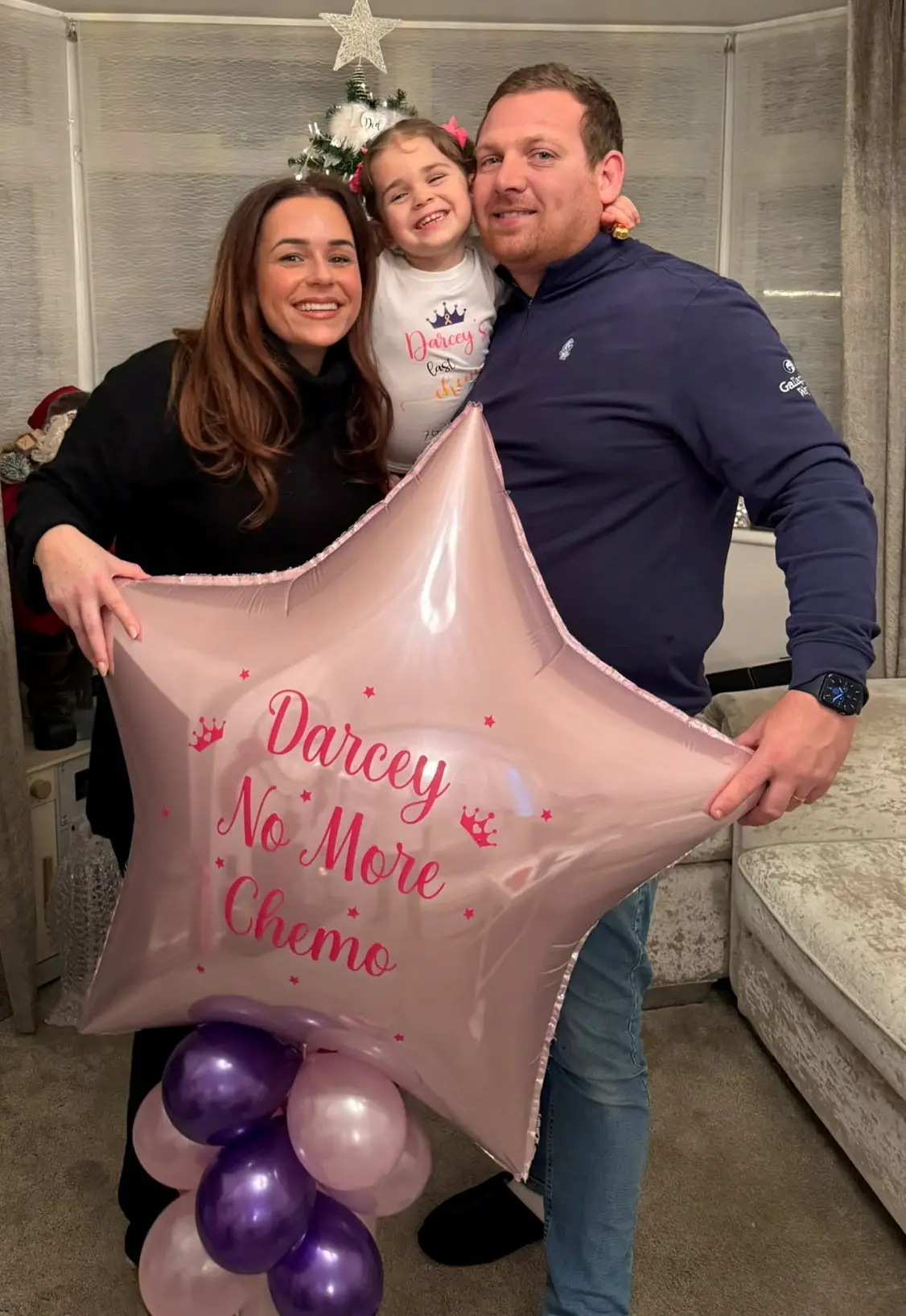
Sparks, who also has one-year-old son Harry, said she does not blame individual physicians but believes the broader system failed to connect the pattern. “Looking back, it’s hard not to question why it took six weeks to reach that diagnosis,” she said. “Doctors see lots of coughs, colds and infections, and I understand that. But they should also listen to parents.”
The cancer care itself, she emphasized, proved extraordinary. “Once we entered the NHS cancer system, the care was incredible. The teams at Queens and Great Ormond Street were absolutely outstanding and saved,” Sparks said. “Over the next two and a half years, I genuinely couldn’t fault the treatment she received.”
Darcey has started school, begun in September 2024, and is reportedly thriving as both a student and big sister. The hospital environment shaped her early worldview in unexpected ways.
“Darcy has faced every stage of this journey with extraordinary bravery. She’s grown up surrounded by adults because she spent so much time in hospital, and now she tells people she wants to be a doctor,” Sparks shared. “When she was three years old, she told nursery staff, ‘I want to be a doctor so I can make people better like they made me better.'”
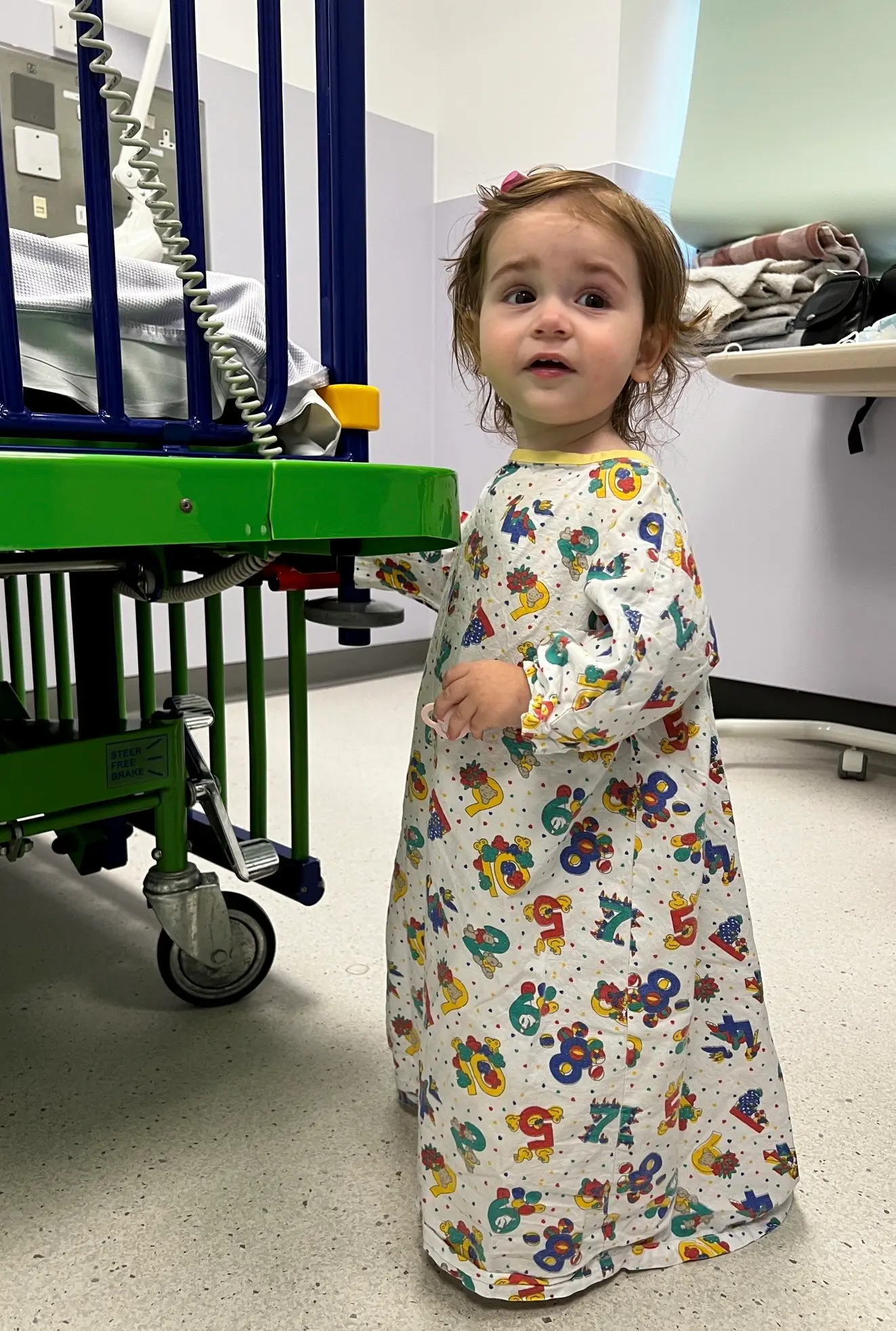
Sparks is now using their experience to press for changes in how childhood cancer is detected and treated. She highlighted the need for greater awareness, earlier diagnosis, kinder pediatric treatments, relapse prevention and reduced long-term effects from therapies designed for adult bodies.
“Chemotherapy is incredibly hard on a child’s growing body – these are adult treatments they are using. There can be long-term effects, which is why Darcy still has regular check-ups,” Sparks said.
Her core message to other parents: persistence. “The most important thing I would tell parents is to trust your instincts. You know your child better than anyone,” she said. “If they’re unusually tired, pale, developing swellings, or simply don’t seem themselves, keep pushing for answers. Childhood cancer can develop quickly, and early diagnosis saves lives.”
Darcey continues her regular follow-up appointments while settling into life as a schoolgirl and big sister.