

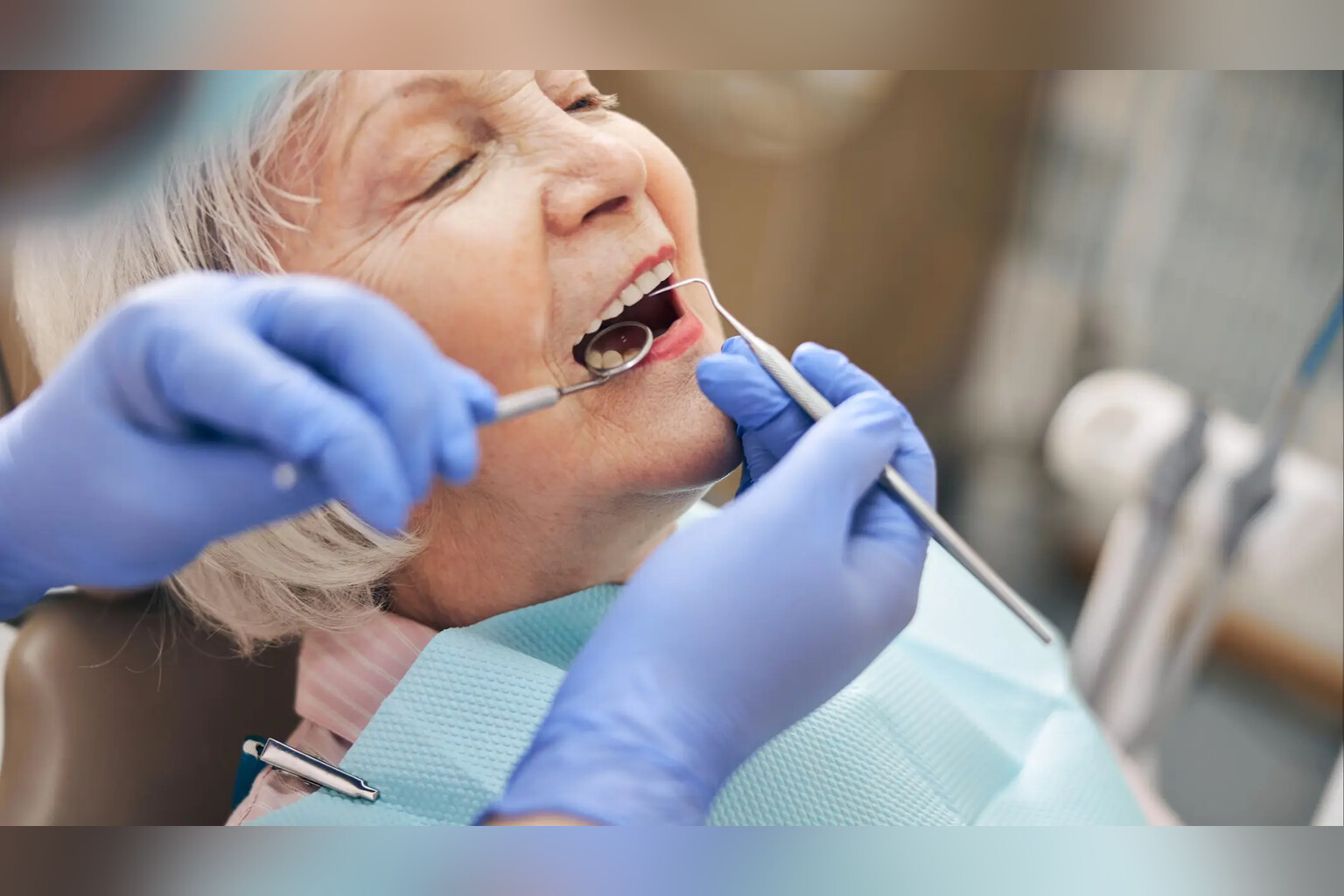
A common gum problem may raise dementia risk by more than half, according to a decade-long study of older adults in Japan.
The research, published in The Journal of Clinical Periodontology, tracked nearly 1,400 participants for almost ten years as researchers monitored both their oral and neurological health. Those who experienced gum bleeding were found to be 54% more likely to develop dementia within the following decade, with their Alzheimer’s risk climbing even higher to 61%.
Participants suffering the most severe gum recession faced a 59% increased risk of developing dementia overall. The study specifically tied periodontal inflammation markers, including probing pocket depth and bleeding on probing, to elevated rates of both Alzheimer’s disease and vascular dementia.

The study’s authors concluded with a clear public health message. “Poor periodontal status was associated with dementia in older Japanese adults,” they wrote. “These findings highlight the potential public health importance of preventing periodontitis to reduce the risk of dementia.”
Poor periodontal status refers to unhealthy gums and the tissues that support teeth. The researchers emphasized that periodontal care to improve and maintain gum health may help reduce dementia risk, noting that low toothbrushing frequency was associated with higher risk of all-cause dementia.
“Infrequent toothbrushing could promote the accumulation of subgingival plaque and bacterial burden,” the study stated, “which may contribute to systemic inflammation and increased risk of dementia.”
However, the researchers acknowledged significant limitations. The study was observational, meaning it cannot prove that poor gum health directly causes dementia. They also noted that inflammation throughout the body could contribute to both poor oral health and higher dementia risk. Additionally, the participant pool was restricted to residents of a single municipality in Japan, potentially limiting broader applicability.
Alpdogan Kantarci, a professor of dentistry at the University of Minnesota, weighed in on the broader implications for oral care. “We now think that maintaining your teeth in health may be associated with a reduced risk of more than 50 systemic conditions,” Kantarci said. “Recent evidence suggests the oral cavity can influence health in other organs, including the joints, brain and gut.” Kantarci also encouraged those without electric toothbrushes to invest in one.
Separate expert guidance suggests brushing three times daily for optimal oral health. In the United States, an estimated 6.7 million people over age 65 currently suffer from dementia, according to figures cited in the research. The Centers for Disease Control and Prevention notes that Alzheimer’s disease accounts for 60% to 80% of all dementia cases, making it the most common form.
Dementia describes a cluster of symptoms causing loss of cognitive functioning, including thinking, memory, mood and behavior, with decline severe enough to interfere with daily life and activities. The condition primarily affects those over 65 and can shorten life expectancy.

The Japanese findings add to growing evidence linking oral health to brain health, though researchers stress that more work is needed to establish whether treating gum disease can definitively lower dementia risk.