

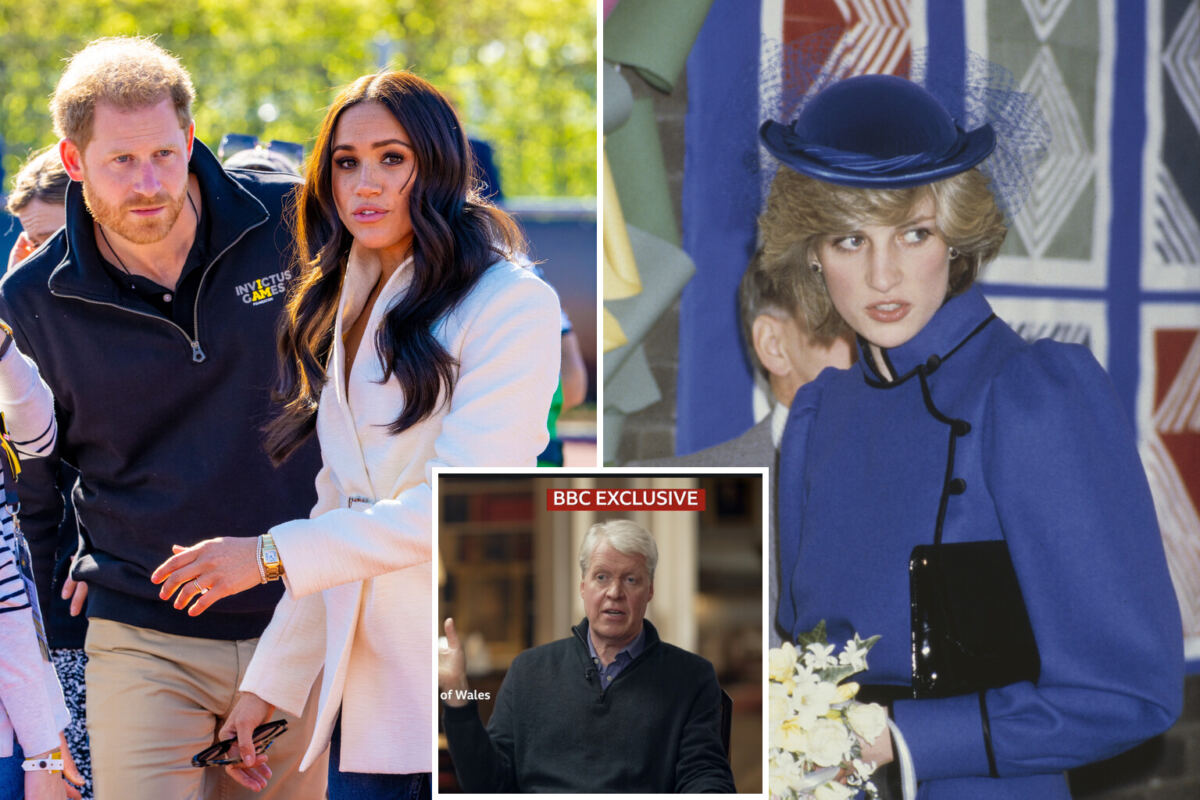
Charles Spencer is drawing a direct line between the media barrage that hounded his sister Princess Diana and the treatment Prince Harry and Meghan Markle now face.
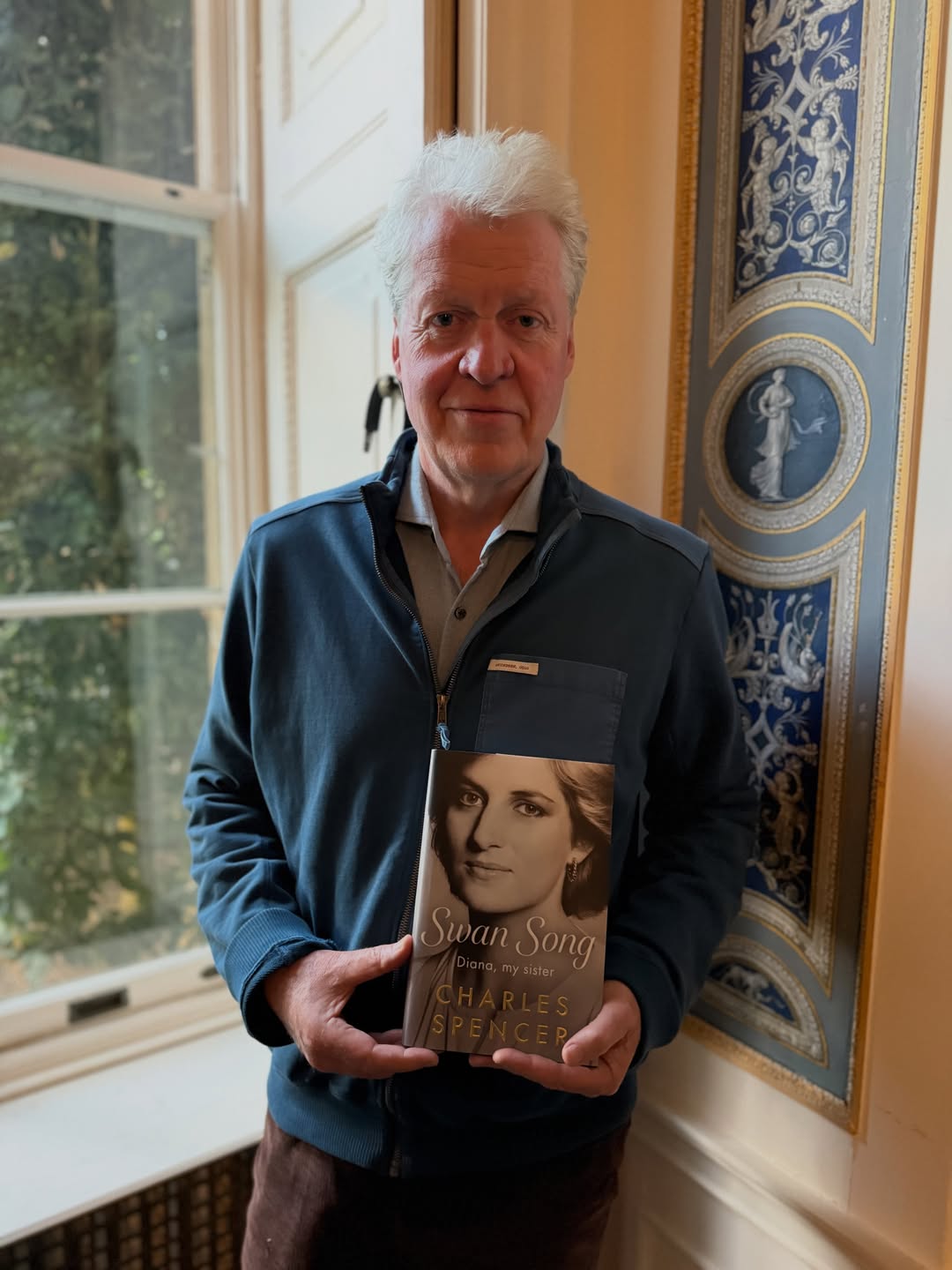
The 9th Earl Spencer, 62, sat down with the BBC on Sunday to promote his forthcoming memoir, “Swan Song: Diana, My Sister,” and used the platform to issue a stark warning about history repeating itself. “If you look at an article in a tabloid about Diana or the couple that you’re mentioning, Harry and Meghan, they can be really, really unpleasant,” he told the broadcaster. He pressed his point further: “I think it would be really beholden on people to learn from Diana’s example.”
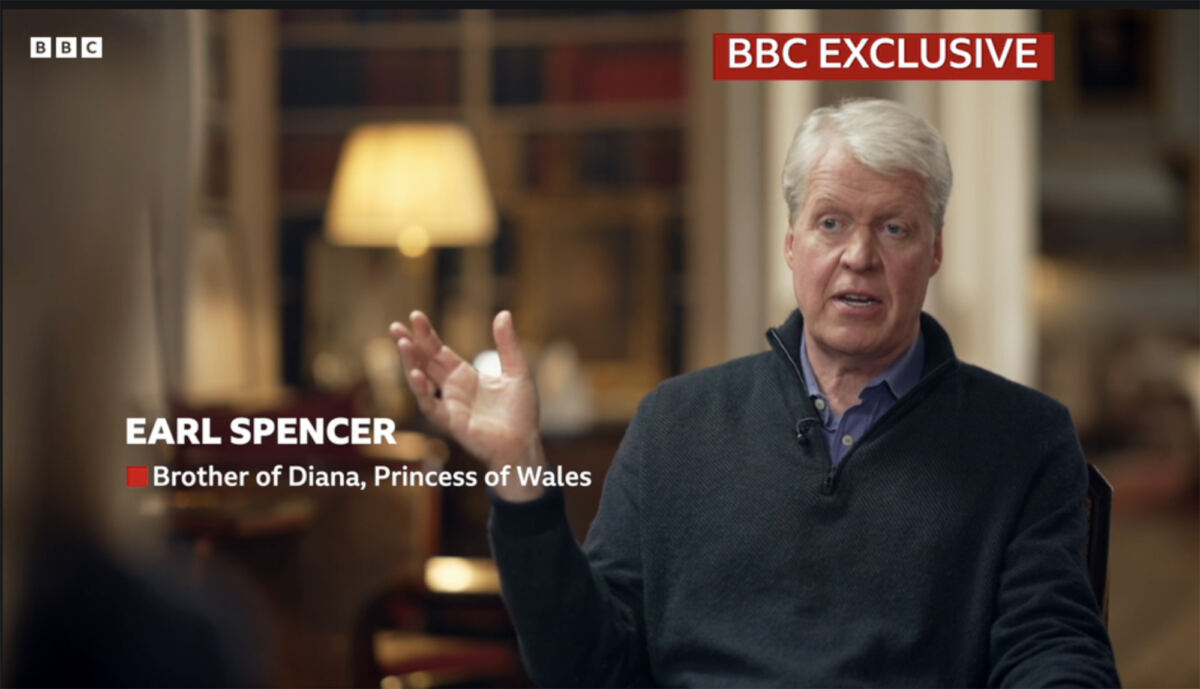
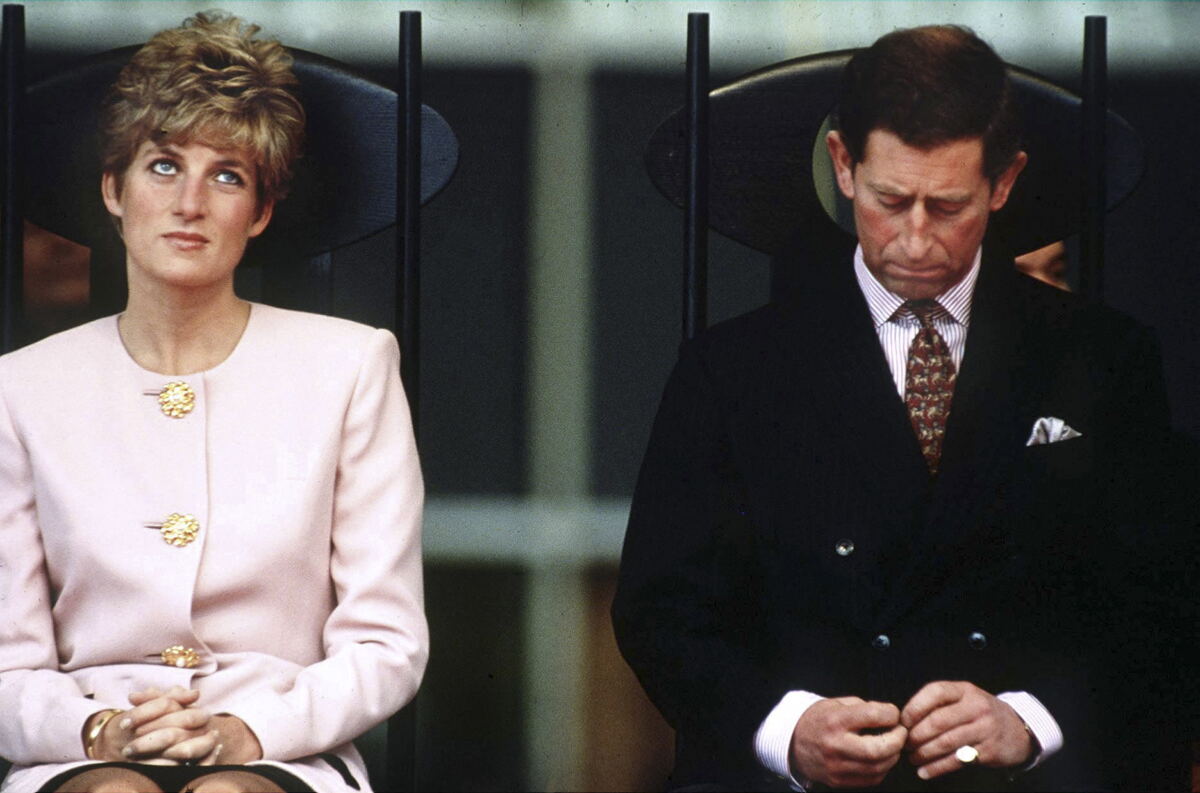
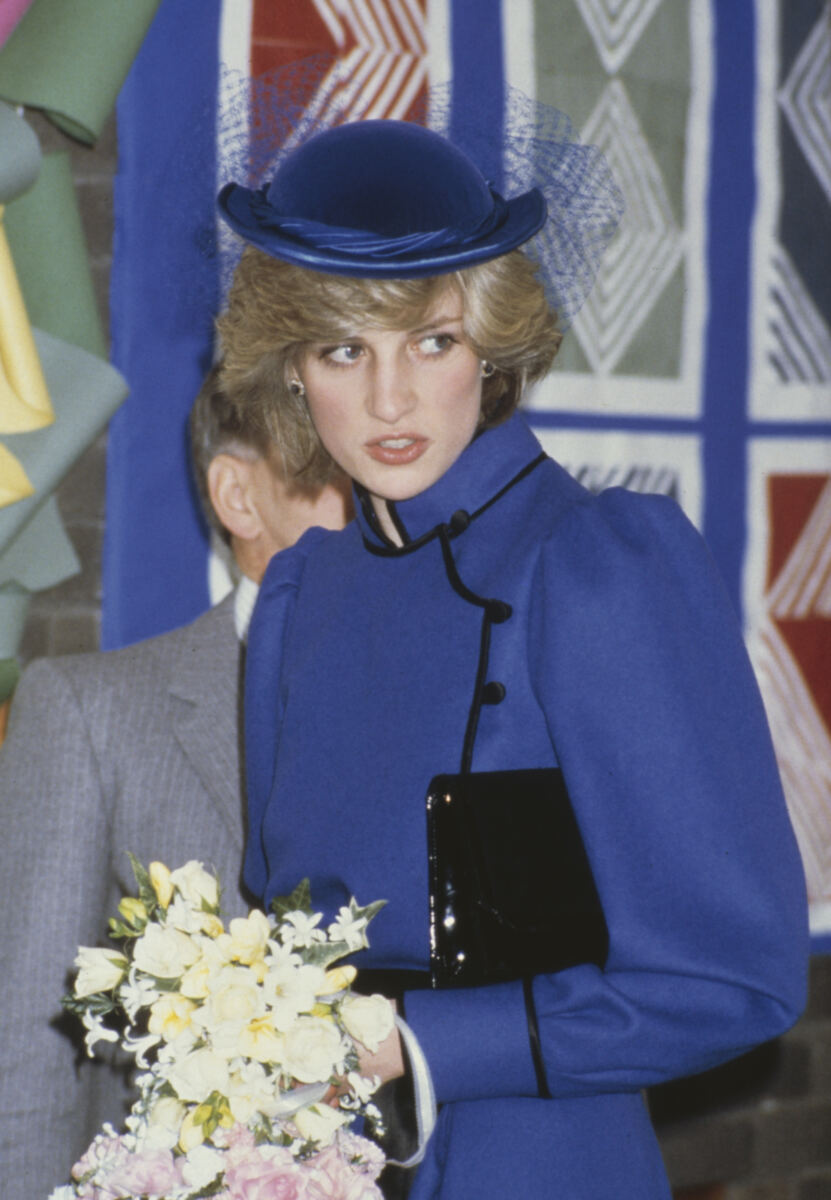
Spencer’s reference carries the weight of personal tragedy. Diana died in August 1997 at age 36, killed in a high-speed Paris car crash while photographers pursued her vehicle. He described his late sibling as “very, very sensitive to criticism” and rejected the polished public image of a woman who “had this splendid life, it was all amazing, [and] she was so privileged and so perfect in so many ways.” Instead, he recalled her being “really brought low” by her experience in the spotlight. “I think it’s a pity when I see echoes of that now,” he added.
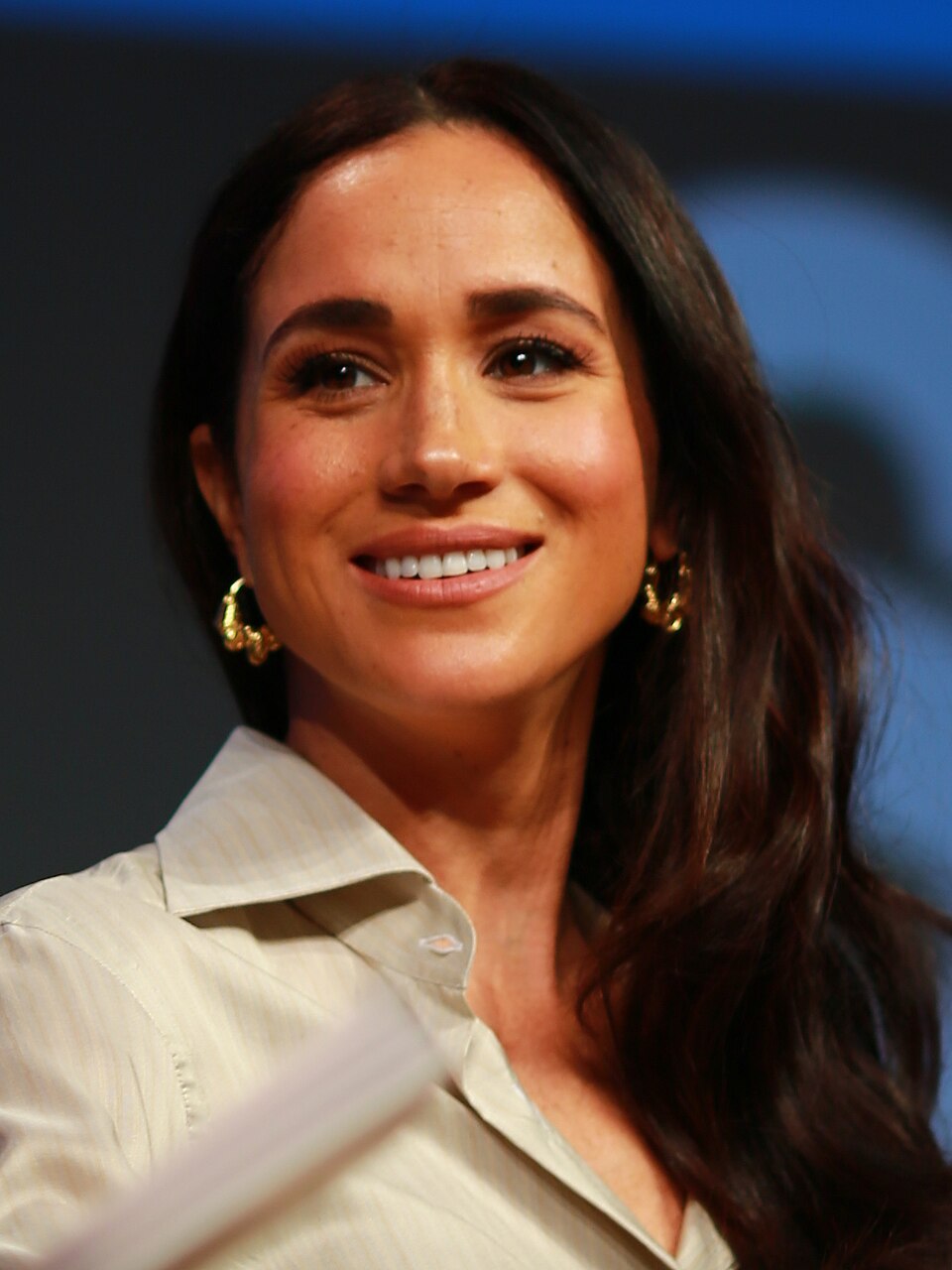
The earl was careful to note he was not positioning himself as a spokesperson for the California-based couple. “For anyone who is being destroyed in this way daily, it must be such a cancerous influence in their life,” he said, while clarifying he was not there “to speak for” Harry, 42, or Markle, 45.
Harry himself has long made similar parallels. In his 2021 AppleTV+ series “The Me You Can’t See,” the Duke of Sussex delivered an emotional assessment of the media’s pursuit of his wife. “You want to talk about history repeating itself — they’re not going to stop until [Meghan] dies,” he said in the documentary. He continued at the time: “It’s incredibly triggering to potentially lose another woman in my life, but the list is growing. And it all comes back to the same people, the same business model, the same industry.” Harry has also publicly connected the two women personally, noting that Markle “has the same compassion, she has the same empathy, she has the same confidence. She has this warmth about her.”
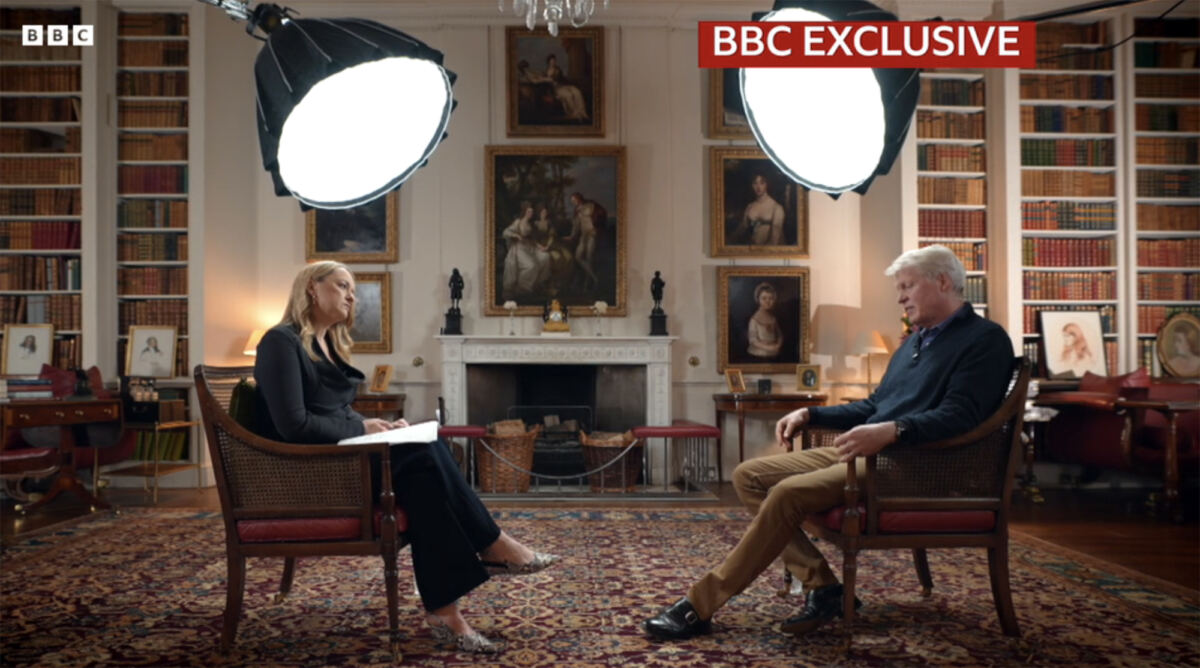
The interview arrives as explosive excerpts from Spencer’s book have dominated headlines ahead of Tuesday’s publication date. Among the most incendiary claims: Spencer alleges King Charles III, who was divorced from Diana at the time of her death, sounded “giddily elated like a lottery winner” upon learning of the fatal crash and vowed his former spouse would be “forgotten soon enough.”
The monarch, 77, responded with a pointed statement about how “the pain of fraternal grief can cloud reason, affect judgment and color memory in ways others do not recognize, even many years after such a loss.”
Spencer refused to retreat. During his BBC conversation, he fired back with emphatic specificity. “I can tell you here and now, those are exactly the words he said,” he alleged. “I was hyper alert to what he was saying and those are precisely the words that he said and I promise that to you now. Genuinely, that is what he said. I don’t hear him saying he didn’t say that.” He insisted he was “telling the truth” about the “monstrous” comments.
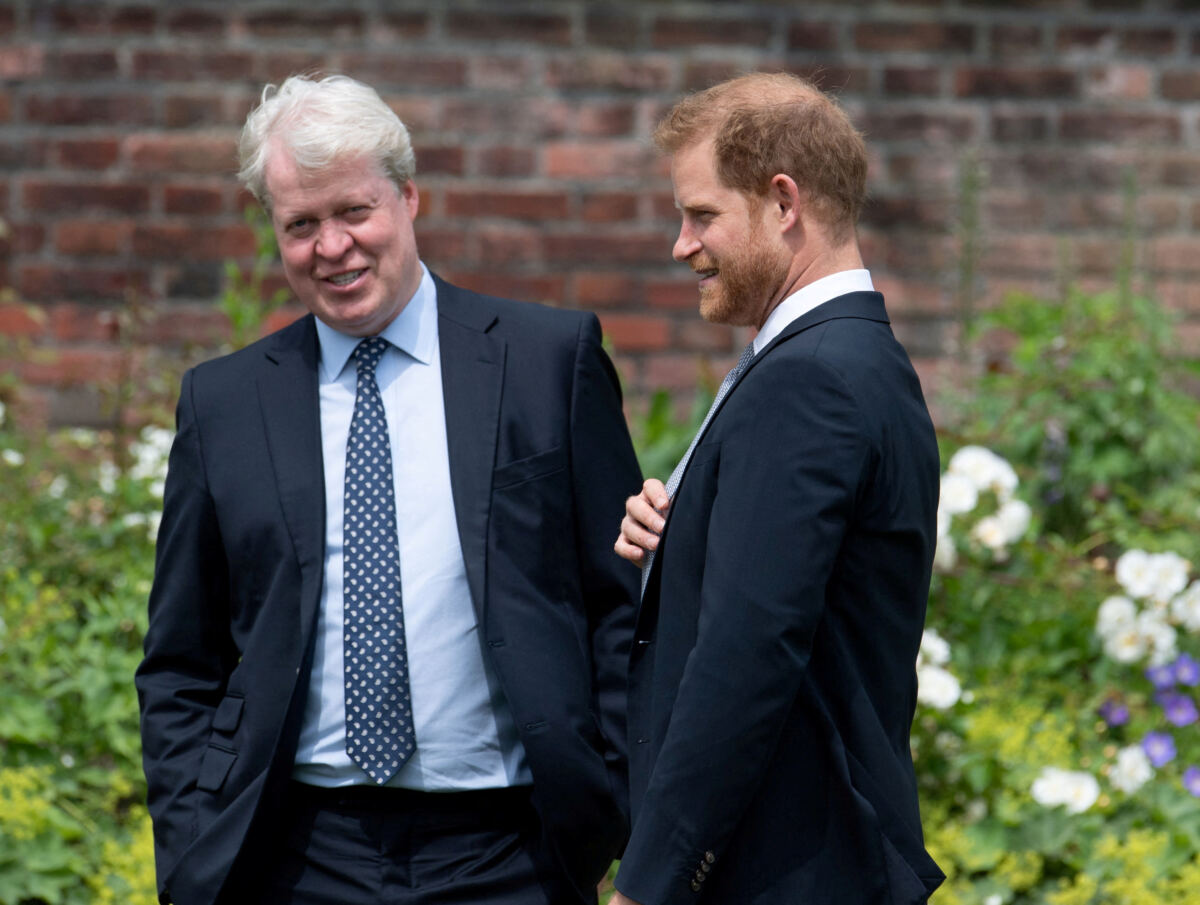
The escalating fraternal conflict between Diana’s two brothers — one by blood, one by marriage — has added another volatile dimension to an already turbulent period for the House of Windsor. Sources indicated that Harry was made aware of the bombshells coming in Spencer’s memoir and that the headline-making excerpts were not “a shock” to him.
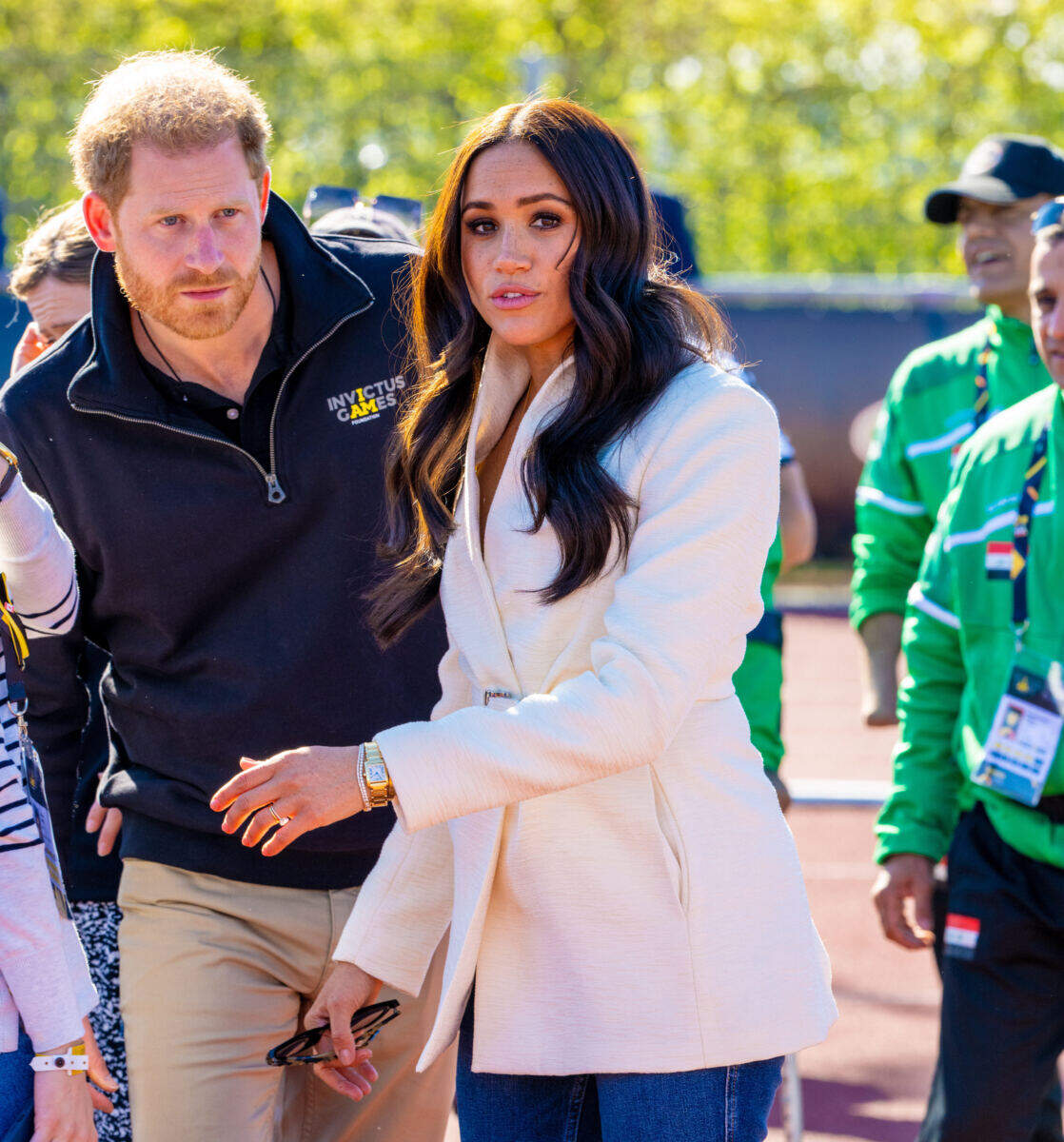
Spencer’s intervention comes as Harry and Markle navigate their complicated post-royal existence, from their 2020 United Kingdom exit to their return to England last month. The couple’s ongoing visibility — and vulnerability — in the global media ecosystem appears to have activated Spencer’s protective instincts in ways that mirror his long-stated grievances about his sister’s final years.
The publication of “Swan Song: Diana, My Sister” on Tuesday is expected to intensify scrutiny on the Spencer-royal relationship and reopen debates about institutional accountability for media harassment.