

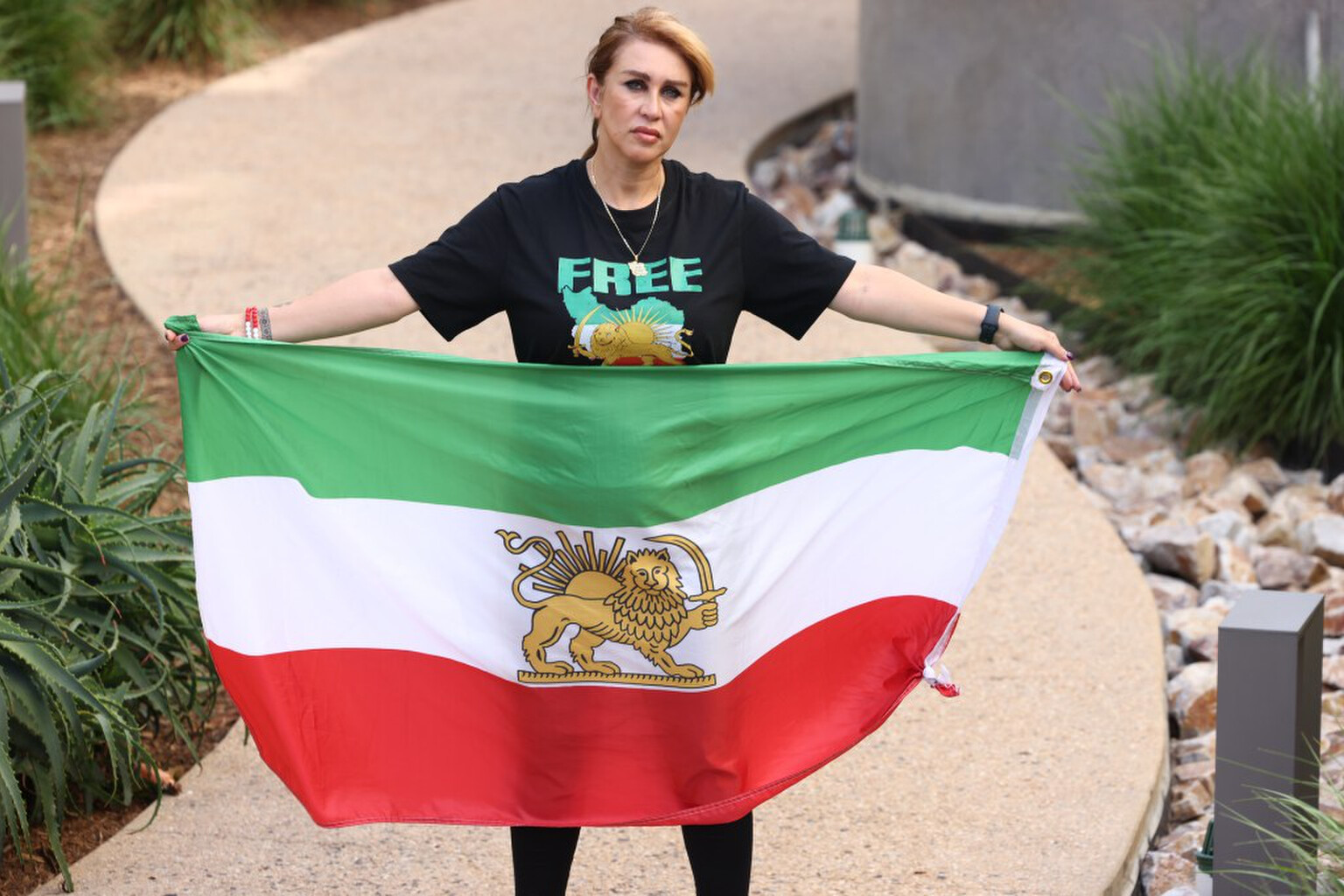
A hacked freeway sign in Los Angeles flashed a website targeting Iranian dissidents, and one woman who found herself listed says she no longer feels safe in America.
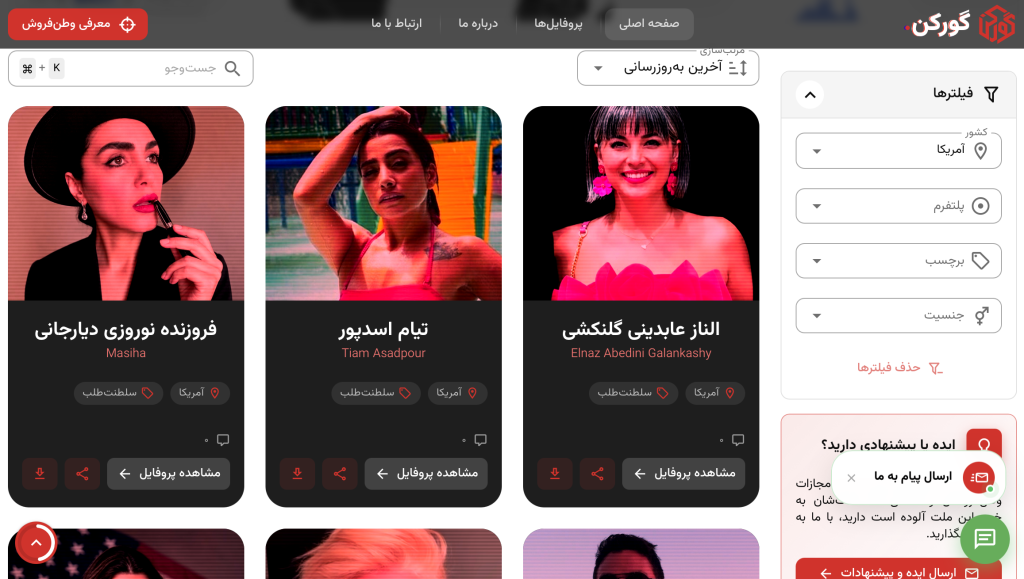
Emel Karsaz, 48, an Iranian-born regime critic, discovered her name, photograph and personal details on goorkan.info after the digital display on the 405 Freeway near Persian Square in Westwood was compromised on Sept. 8. The California Department of Transportation acknowledged the breach and said its project team was alerted Sept. 15, notifying the contractor to restore normal operations while a field investigation continues.
Karsaz filed a report with the FBI’s Los Angeles field office on Sept. 9.
“I panicked. When I went on the website my heart started beating so fast,” she told The Post. “This is America where you have free speech and lots of security. Why do I have to see this in LA?”
The site describes itself as “a collective and patriotic effort to identify, introduce, and punish traitors to the country and supporters of hostile actions against the soil and people of Iran.” It has been linked to Iran’s Islamic Revolutionary Guard Corps, an elite military force the US designated a foreign terrorist organization in 2019. “Goorkan” translates to “gravedigger” in Farsi.
Karsaz said the threats have shattered her sense of security thousands of miles from Iran.
“I feel terrible,” she said. “I live in America far away from IRGC but now I don’t feel safe anymore.”
She claimed the organization is “actively working in America – and that’s scary.”
The intimidation had already reached her before the freeway hack. Karsaz said she received menacing messages on social media, including one targeting her appearance.
“Oh, you have green eyes – just enjoy it because you might not have them the next day – you may not have any face left. Watch out – you may not have the pretty face tomorrow,” she was told.
The warning left her fearful of acid attacks on Los Angeles streets.
“I’m very cautious on the streets of LA. I walk with fear. I don’t want them to throw acid in my face,” she said.
Payam Shiravi, 59, an Iranian-born real estate broker, spotted the hacked sign at the Santa Monica Boulevard exit while driving north on the 405 on Sept. 8. He visited the website and recognized people he protests alongside.
“I couldn’t believe what I was seeing on the sign. I drove by a couple of times to make sure it was real,” he told The Post.
“It’s disturbing. People that I know, who I protest with, are on the website. It’s putting a target on these innocent people.”
Shiravi alleged IRGC operatives are already present in the US, identifiable at demonstrations by their vocabulary, attire and behavior. He further claimed undercover agents “show up to protests with long lens cameras and use facial recognition technology supplied by China.”
The website shifted tactics this week, adding a section called “The Burn List” with an ominous message suggesting its operators had compiled extensive data on targets.
“There is no need to draw a map anymore; the network has been opened from within,” its description reads. “From your everyday chats to your visa and residency status, everything is locked on our servers. Every contract, every wire transfer and every midnight call is now a document in a file that can no longer be denied.”
The freeway breach coincided with an FBI warning on Sept. 15 that Iranian state cyber actors were targeting dissidents, activists and journalists worldwide. The FBI would not confirm whether it is investigating the sign hack specifically.
Los Angeles hosts the largest Iranian community outside Iran, with approximately 141,000 Iranian Americans in LA County. Many settled in and around Westwood after the 1979 Islamic Revolution, creating a commercial district known as “Tehrangeles.”
The incident follows a March cyberattack on LA Metro that disrupted passenger-information and payment systems and stole at least 700GB of data, which Israeli researchers attributed to Iranian state-linked hackers. In June, an Iranian hacker group claimed infiltration of water systems serving several California cities.
Despite the threats, Shiravi said those listed remain unwilling to be silenced.
“They were scared but undeterred,” he said.