

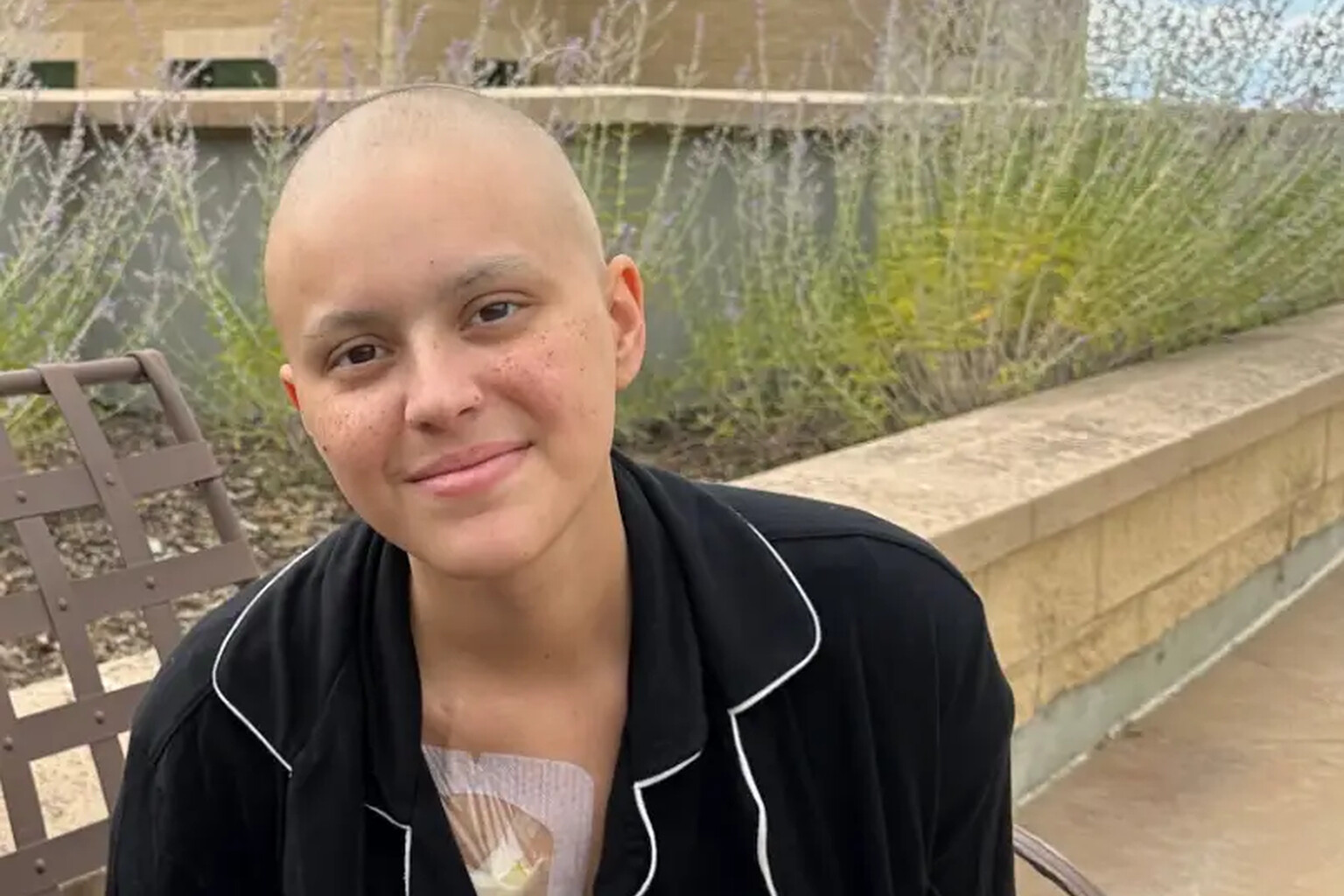
A father who lost his 23-year-old daughter to a rare cancer is now demanding answers after learning multiple children in their small Southern California community have received the same devastating diagnosis.
Brian Dalton’s daughter Lilly died in January after battling Ewing sarcoma, a cancer that typically forms in bone and soft tissue. She had just graduated from university with a history degree in 2024 when a trip to the emergency room for minor symptoms revealed a softball-sized tumor in her liver, according to a GoFundMe page established for her care. Surgeons removed the mass along with her gallbladder and three additional abdominal tumors discovered during the procedure, but residual cancer cells remained and a malignant pelvic tumor eventually emerged.
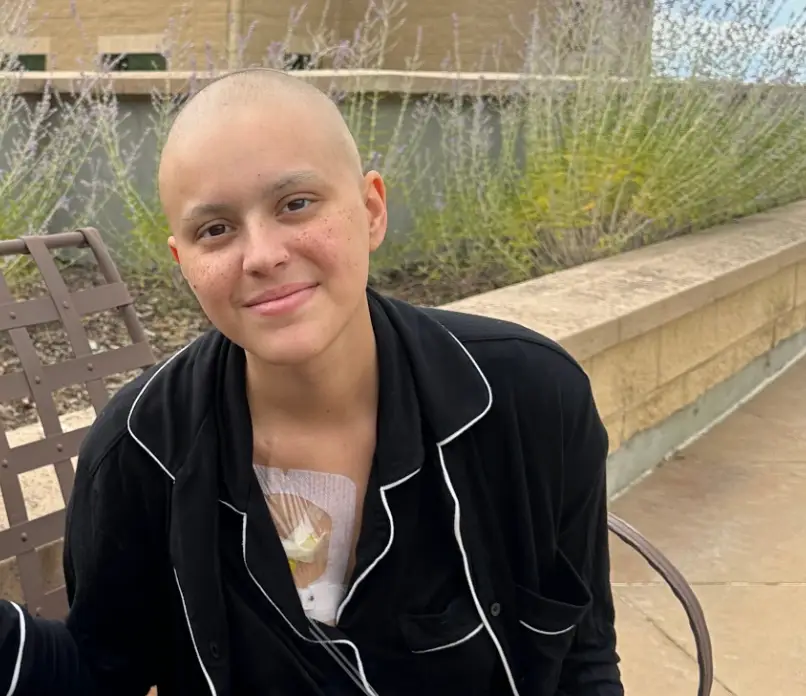
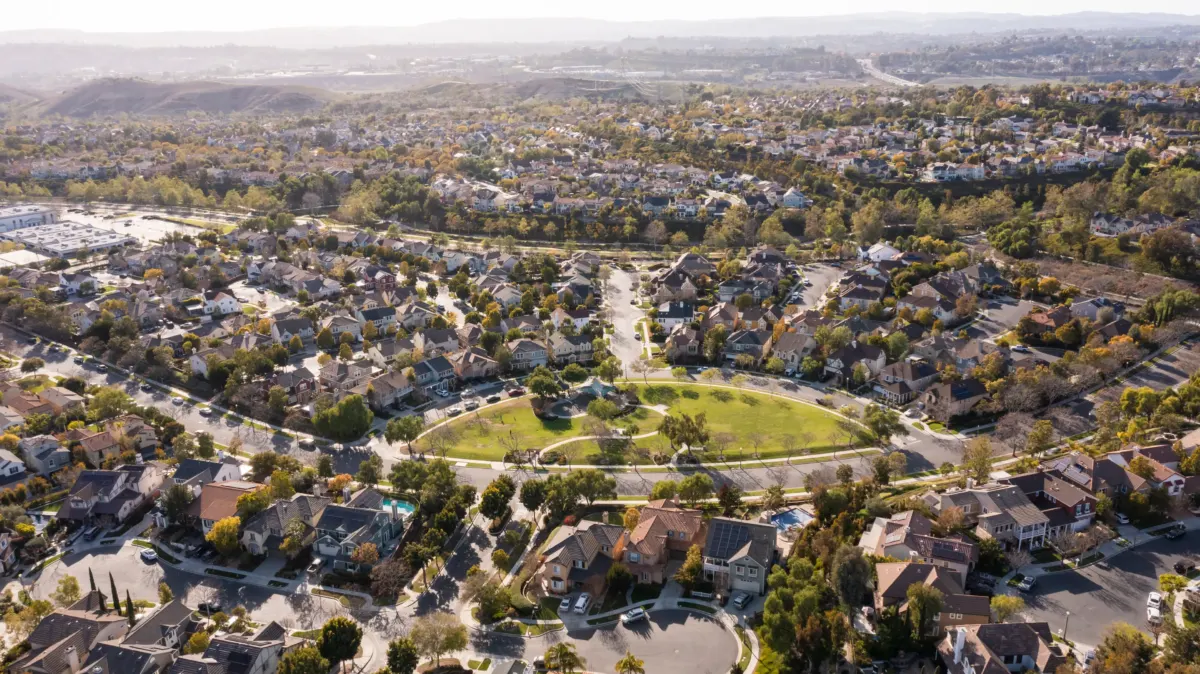
“My biggest regret is that I always thought she was going to make it,” Brian said in an interview. Months after Lilly’s death, he learned of other Ewing sarcoma cases surfacing in Ladera Ranch, an affluent Orange County suburb of roughly 26,000 residents known for its green spaces and family-friendly housing developments.
“There’s absolutely no way that this is a coincidence,” he added.
The California Department of Public Health has launched a formal review of cancer incidence data for the Ladera Ranch area amid mounting pressure from affected families. The agency currently projects the assessment will wrap up in fall 2026, though officials cautioned that timeline could shift depending on the review’s complexity and any new information requiring evaluation. CalEPA and its affiliated boards have not flagged any immediate environmental hazards in the area, according to the health department’s statement.
Dr. Janet Yoon, a pediatric oncologist and sarcoma specialist at City of Hope in Los Angeles, weighed in on the unusual concentration of cases. “Knowing that this is a very rare cancer diagnosis amplifies the concerns,” she said. “Anytime you hear of cases in a geographic location, it does raise some concerns… I can completely understand why further investigation is being done.”
The American Cancer Society characterizes Ewing sarcoma as a tumor arising from tissues that normally develop into bone and soft tissue, with most cases appearing in teenagers though younger children and adults in their 20s and 30s can also be affected. Younger patients more commonly develop bone-originating tumors, while adult cases tend toward extraskeletal forms growing outside the bone structure.
Lilly Dalton’s case represents the older end of the typical age spectrum, having been diagnosed shortly after her college graduation. Her story gained attention through the fundraising page that documented her rapid medical decline, from what began as minor symptoms to multiple surgeries and spreading malignancy.
The cluster of Ewing sarcoma diagnoses in Ladera Ranch has intensified scrutiny of potential environmental factors in a community marketed as an ideal setting for raising families. The suburb’s relatively small population makes the concentration of rare cancer cases statistically notable, though health officials have not yet identified any definitive causal link.
Brian Dalton has emerged as one of the most vocal parents pressing for accountability and transparency as the state investigation proceeds. His personal loss has transformed into public advocacy as he connects with other families navigating similar tragedies in the same zip code.