

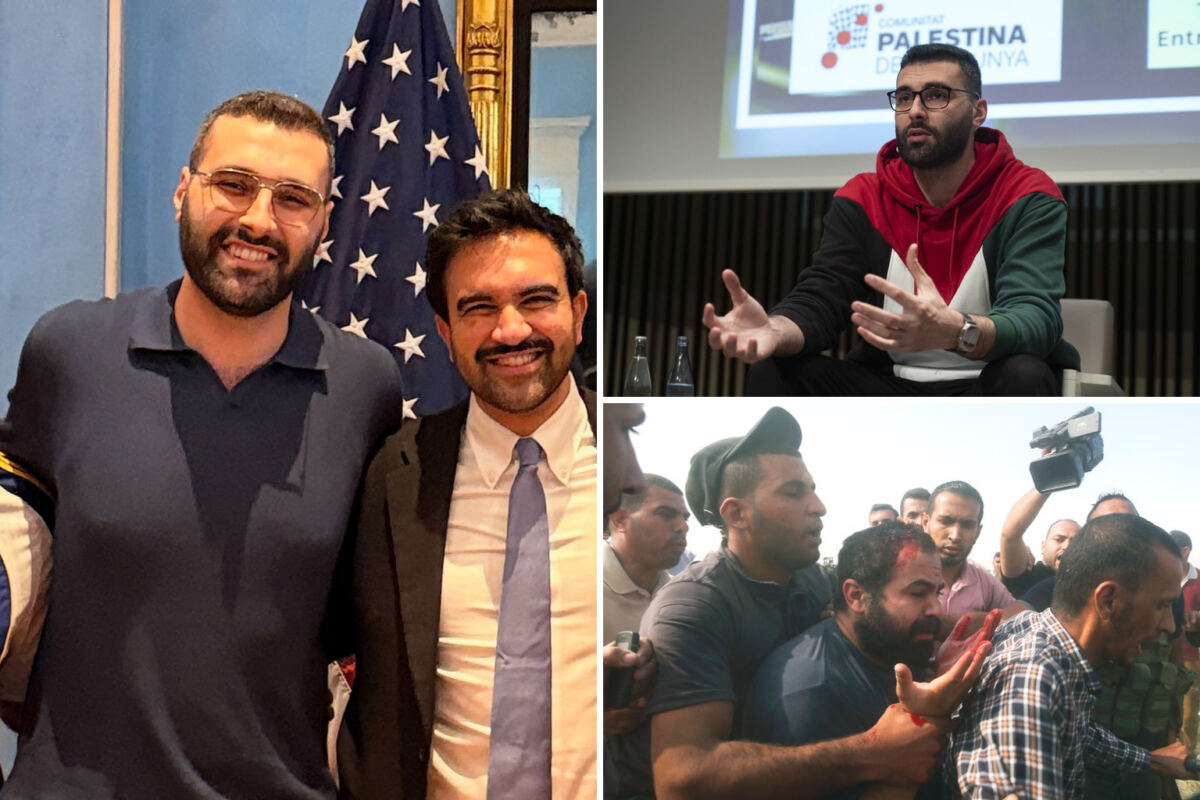
Motaz Azaiza has admitted he deliberately withheld footage of Israeli hostages being beaten by Palestinian crowds on October 7, 2023.
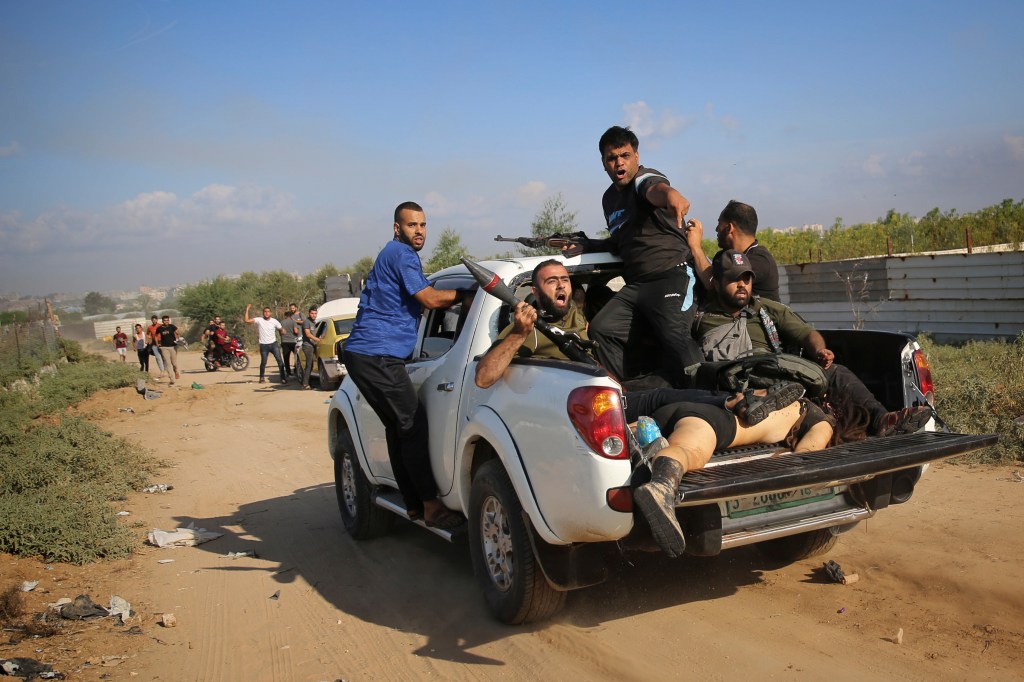
The Gaza photographer, 25, who has met with New York City Mayor Zohran Mamdani and was named to the Time100 list in 2024, told the Taqarrab podcast that he filmed the violence but chose not to publish it. Azaiza said he followed Hamas fighters as they marched captured Israelis through Gaza streets, documenting how “people got out, watched, beat them, hit them.”
“But I did not publish those videos,” he continued.
“Why? Because I did not want to ruin the lives of the people who were filmed,” the photographer explained. “I understood that Israel would use those videos to identify every person who was there and eliminate them.”
“I did not want to be responsible, even indirectly, for the deaths of those people in exchange for a few likes and views online,” he added.
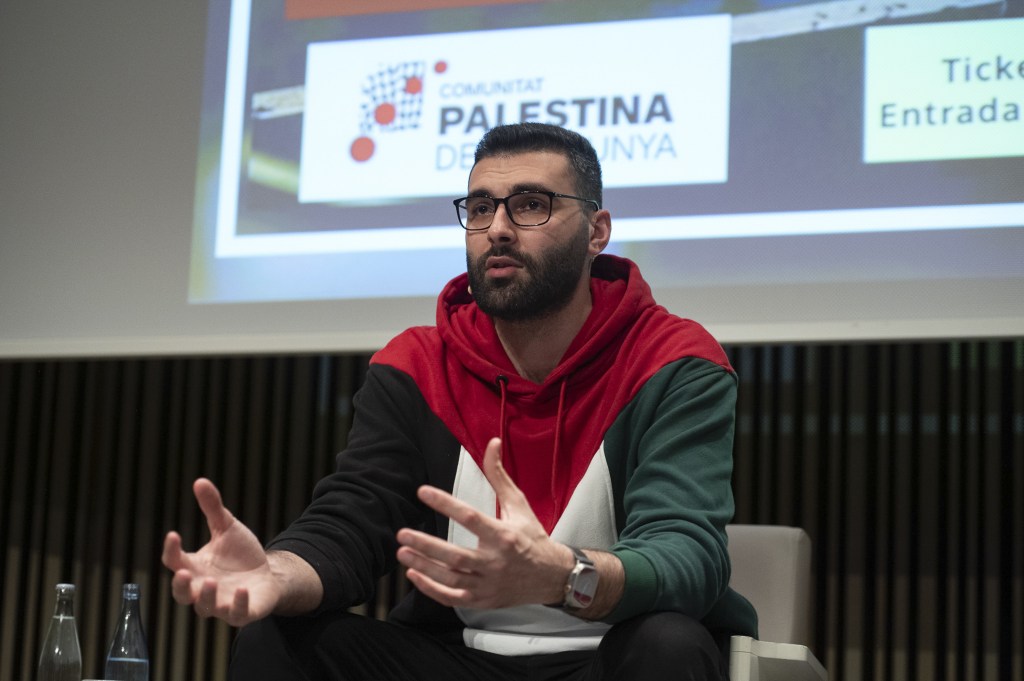
Azaiza also made the explosive claim that Hamas controls all media operations in Gaza through a single WhatsApp group called “Smart,” He said the group was run by a Hamas media director based at the Rafah Crossing, and that every journalist in the territory is part of it.
The photographer described how Gaza journalists have learned to immediately lower their cameras whenever someone criticizes Hamas. “Photographers in Gaza have become accustomed to lowering their cameras the moment someone says something bad about Hamas,” he said, “because anyone who dares to show reality is persecuted relentlessly.”
Azaiza learned this firsthand. After he published video showing a Gaza resident cursing Hamas, he was targeted by pro-Hamas media operations running through the same WhatsApp channel. The backlash forced him to flee the territory, and he now lives in Qatar.
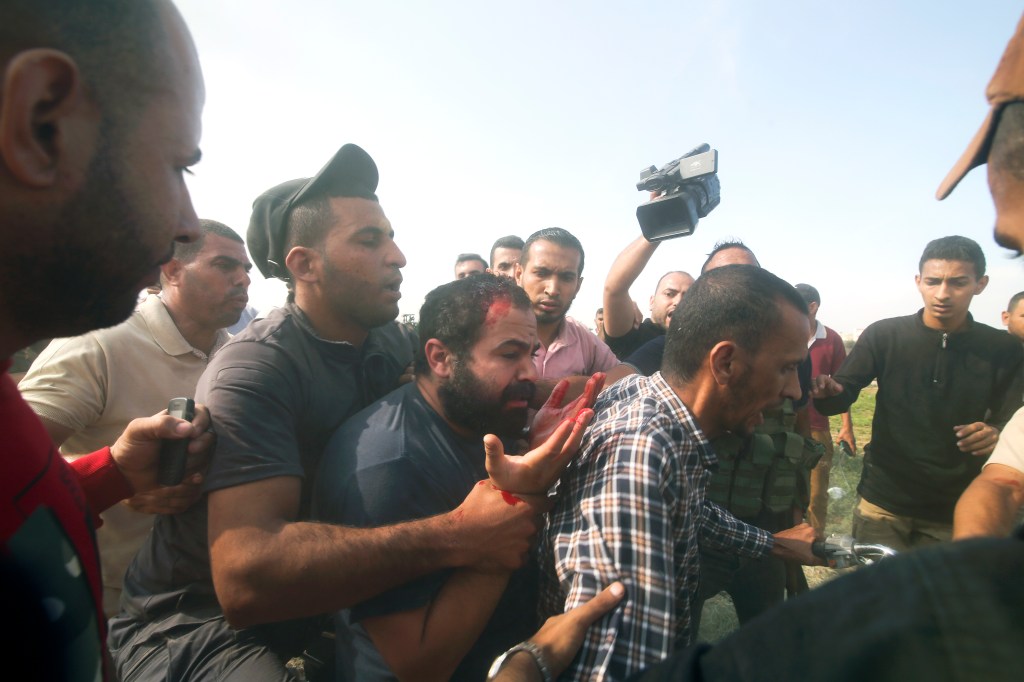
The photographer has become one of the most prominent voices documenting the Gaza war, gaining international recognition for his nearly four months of coverage showing civilian deaths and destruction. His work earned him a Nobel Peace Prize nomination and a spot among Time magazine’s 100 most influential people in 2024. He attended Mamdani’s election night watch party last November.

Despite the accolades, Azaiza has become an outspoken critic of Hamas itself. He accused the militant group of dragging Palestinians into a devastating conflict that has leveled large portions of the territory and caused an estimated 73,000 deaths.
“You brought us back to the Middle Ages,” he said of Hamas. “You caused women in Gaza to urinate into a plastic bucket. This does not bother you, but what bothers you is if someone suddenly criticizes you?”
He also condemned Hamas for cracking down on local journalists who tried to depict the true horrors in Gaza, which he said forced many like himself to escape the enclave in the early months of the war.
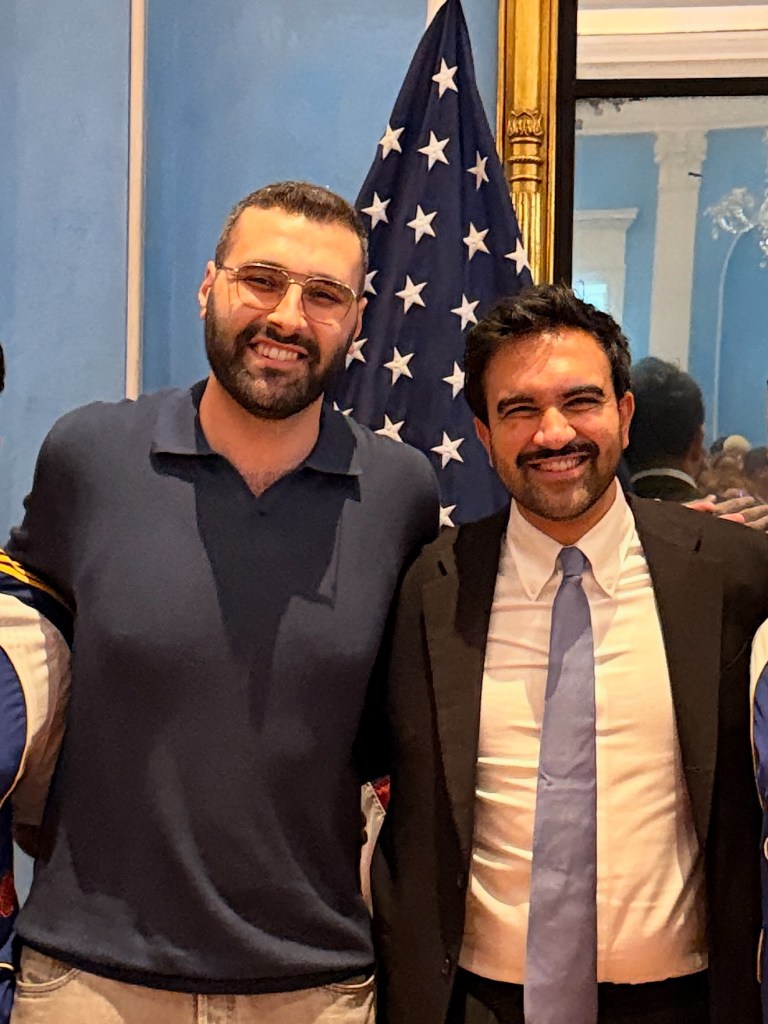
Some of the hostages who were paraded through Gaza on October 7 eventually spoke about their experiences. Itay Regev, a survivor of the Nova Music Festival massacre, said Hamas had driven him and others around Gaza streets and displayed them like human “trophies” to angry crowds.
Reports also emerged about how the body of slain hostage Shani Louk was desecrated, with crowds in Gaza cheering and spitting on her corpse.
Azaiza said he remains haunted by what he witnessed during the war. “Gaza is the most toxic place in the world. You love it, but at the same time you hate it. You love it, but it hurts you and destroys you,” he shared.
“The reality there forced things upon me that I never wanted — the price we pay to satisfy leaders who do not count us is simply unimaginable,” he added.
The October 7, 2023 attack saw Hamas fighters breach the Gaza border and storm Israeli communities, killing approximately 1,200 people and taking roughly 250 hostages back to Gaza. The assault triggered the ongoing war between Israel and Hamas, which has devastated the Palestinian territory and displaced most of its population. During the attack and its immediate aftermath, some captured Israelis were marched through Gaza streets where they were beaten and humiliated by crowds, incidents that drew international condemnation and became defining images of the violence.
Azaiza continues to speak publicly about his experiences from his new home in Qatar.