

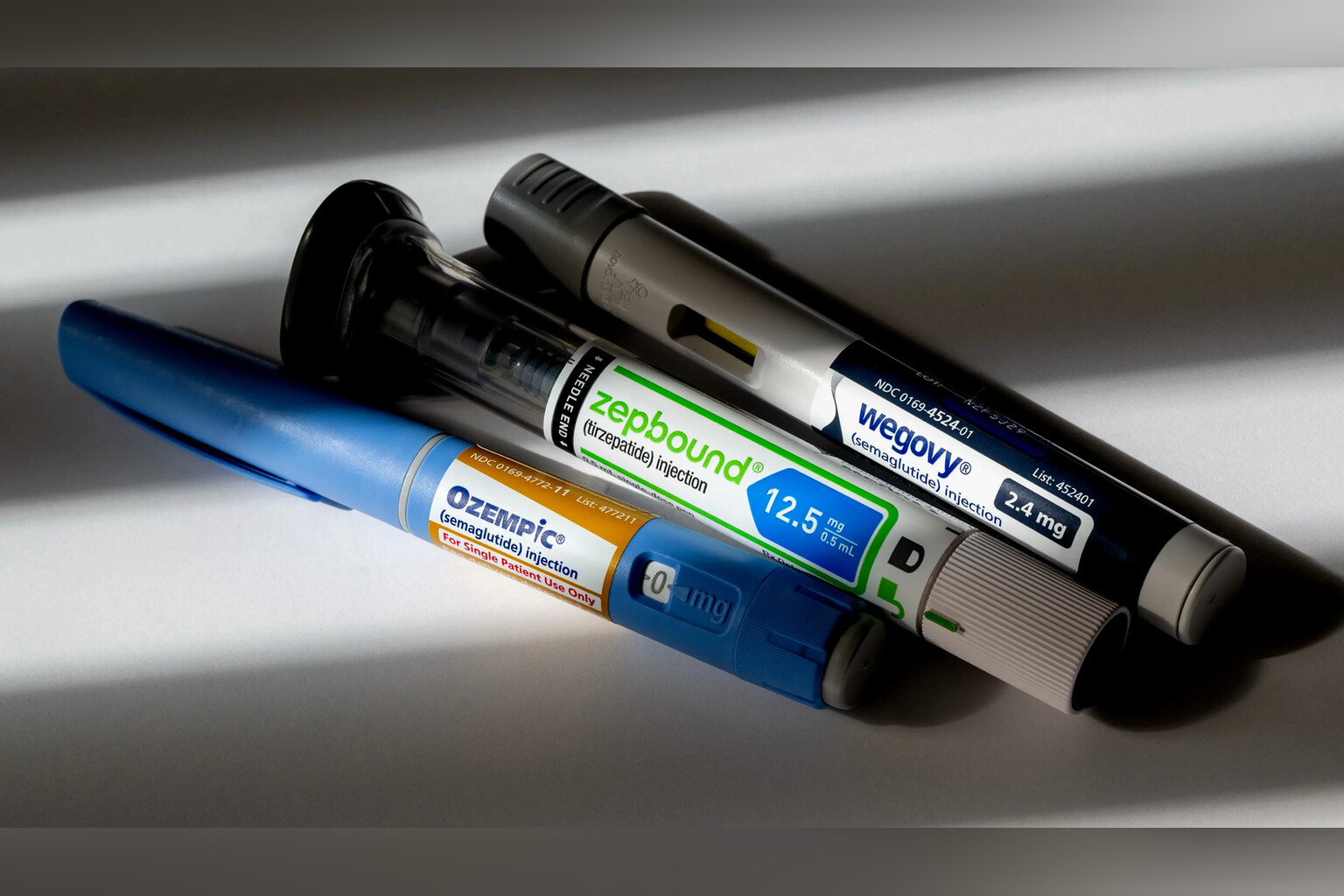
Todd Engel, 63, says Ozempic left him legally blind after he lost vision in both eyes over the course of a year.
Engel, a Maryland resident, was prescribed the diabetes medication in 2023 and woke up four months later unable to see out of one eye. He was diagnosed with non-arteritic anterior ischemic optic neuropathy, a condition that can cause permanent vision loss. Engel continued taking the drug and lost sight in his other eye a year later.
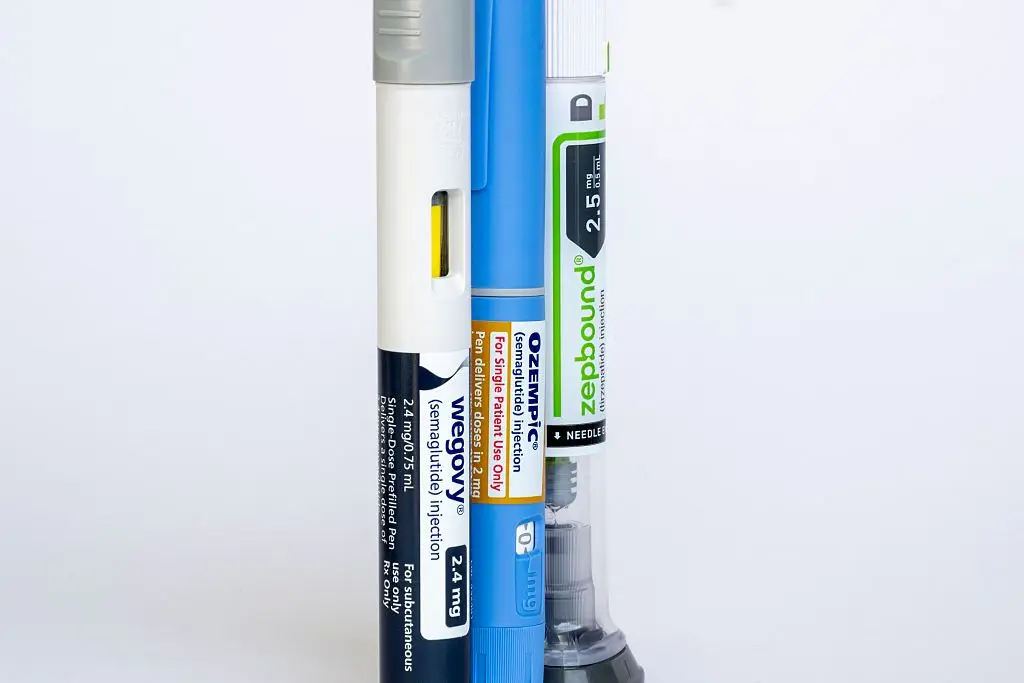
His case is among dozens of lawsuits now targeting pharmaceutical giants Eli Lilly and Novo Nordisk over GLP-1 medications including Ozempic, Wegovy, Mounjaro and Zepbound. Plaintiffs allege the weight-loss and diabetes drugs caused sudden blindness, with many complaints specifically citing NAION.
The American Academy of Ophthalmology describes NAION as “the most common cause of acute optic nerve injury in individuals over 50 years old.” The organization adds: “Despite its frequency, several aspects of this disease, including its pathogenesis and effective treatments, remain unknown or unproven.”
Research into potential links between NAION and GLP-1 drugs has produced mixed findings. A paper published last year found “a modest increase in the risk of NAION among individuals with [type 2 diabetes] associated with semaglutide use, smaller than that previously reported, and warranting further investigation into the clinical implications of this association.”
A separate 2024 study of approximately 17,000 NAION patients over six years found that around 600 had been taking semaglutide for diabetes or obesity. That study concluded there was a “higher risk of NAION for patients prescribed semaglutide.”
Chintan Dave, an associate professor of pharmacy and epidemiology at Rutgers who led a July study on the matter, estimated that three or four people in every 10,000 taking a GLP-1 drug would likely develop NAION. He suggested the risk extends beyond semaglutide specifically.
“It does not seem to be just restricted to semaglutide,” Dave said. “It could just be a [drug] class effect.”

Medical authorities have stopped short of calling for patients to abandon the medications. The American Academy of Ophthalmology and the North American Neuro-Ophthalmology Society issued a joint statement last year saying they “do not support a blanket recommendation for all patients to immediately stop taking semaglutide if they develop NAION.”
They continued: “A review of the available data has not established that semaglutide causes NAION, only a potential link between the two. The overall risk for NAION remains low, even among those on semaglutide.”
Both drugmakers are pushing back against the legal claims. A spokesperson for Novo Nordisk, which manufactures Ozempic and Wegovy, told the Boston Globe: “Novo believes the personal injury lawsuits filed in the U.S. Are without merit and are vigorously defending them.”
Eli Lilly, maker of Mounjaro and Zepbound, offered a more measured response through a spokesperson to the same publication: “Patient safety is Lilly’s top priority… We will continue to review data, including any data regarding ophthalmic issues.”
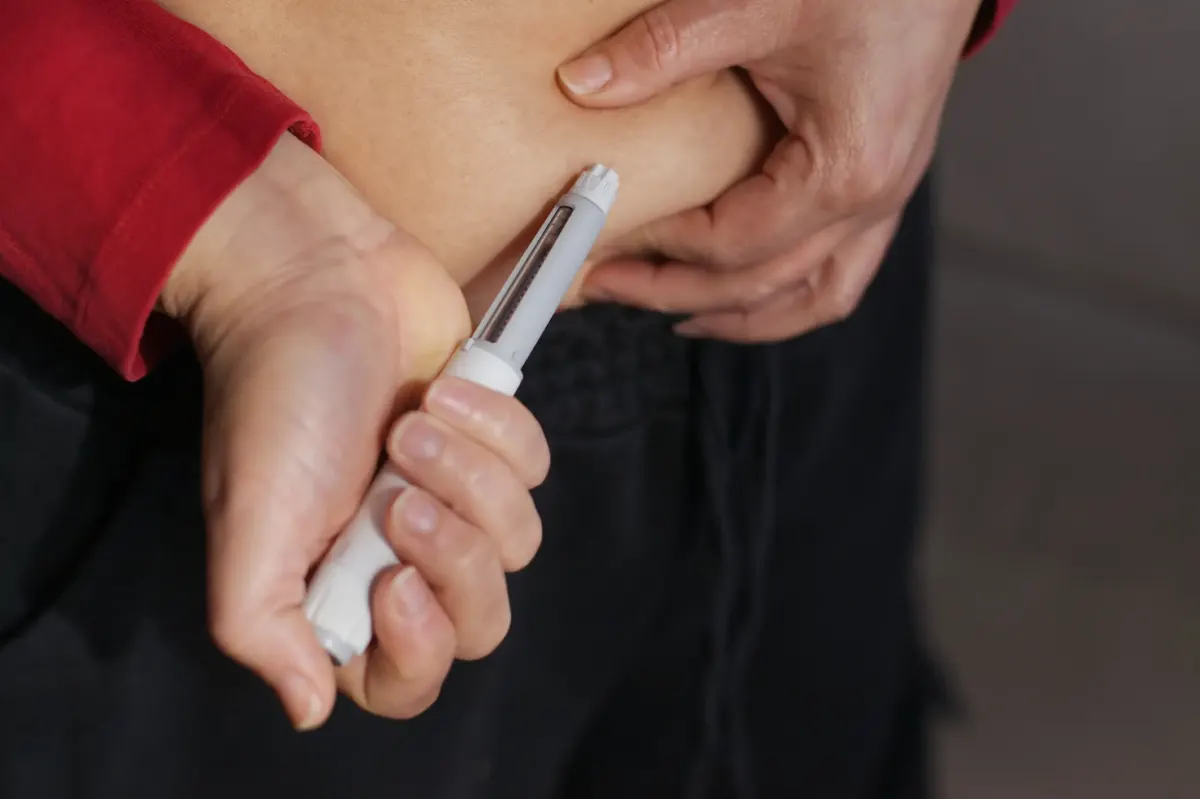
The litigation landscape around GLP-1 side effects has expanded rapidly, with patients also reporting severe gastrointestinal complications. One plaintiff described the experience by saying “my colon blew up,” according to coverage of mounting lawsuits. Federal judges have consolidated the vision loss cases, sending them to a federal judge in Pennsylvania.