

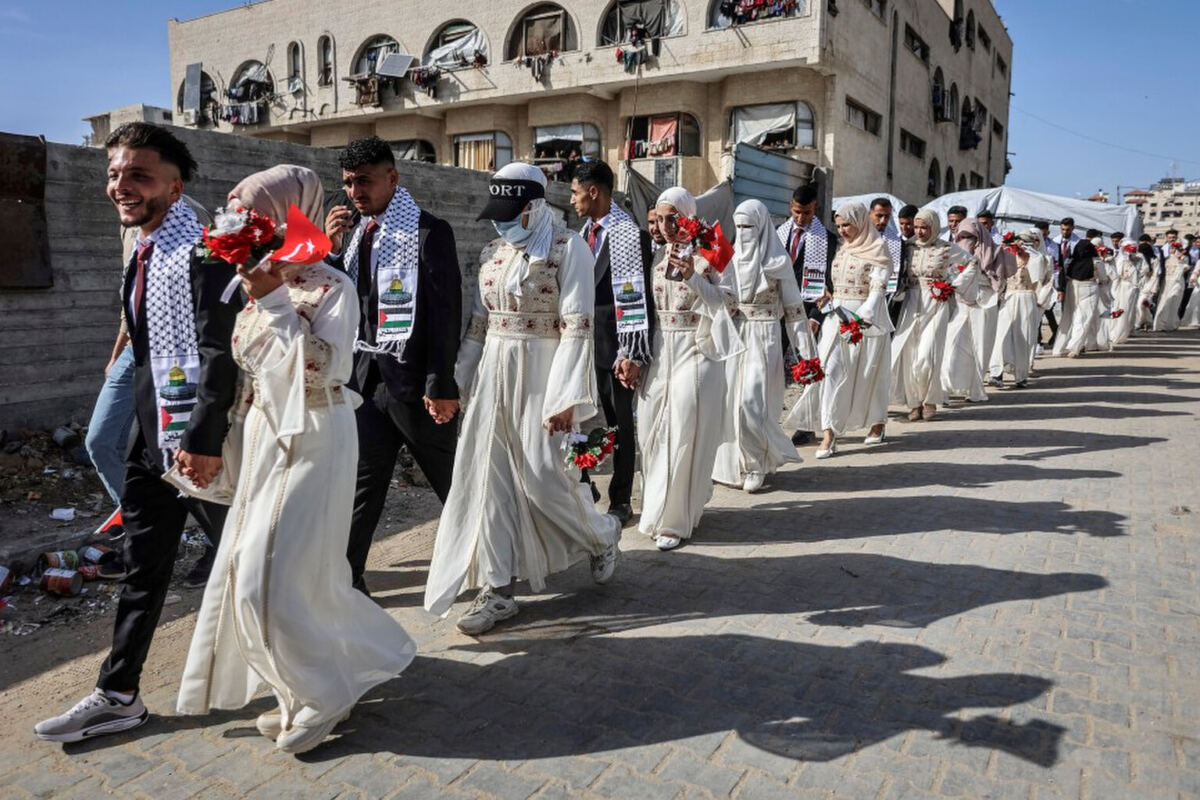
UN researchers have documented a surge in forced and early marriages across Gaza, with victims including girls traded for food and rape survivors compelled to wed their attackers.
The United Nations Population Fund (UNFPA) recorded a 123% spike in early and forced marriage incidents throughout Gaza during the first quarter of 2026, according to findings released last week. Women between ages 18 and 59 bore the brunt of gender-based violence, accounting for 68% of all reported cases in the Palestinian enclave. The data emerged from interviews with 230 women in refugee camps across Gaza City and Khan Younis, where overcrowded shelters and severe resource shortages have intensified desperation.
One woman living in a school-turned-shelter described how sexual violence gets concealed through rushed marriages. “When rape cases are discovered in schools, you find weddings and celebrations at the school the next day,” she told researchers. The witness explained that victims are often forced to marry their rapists to avoid shame and scandal within their communities.
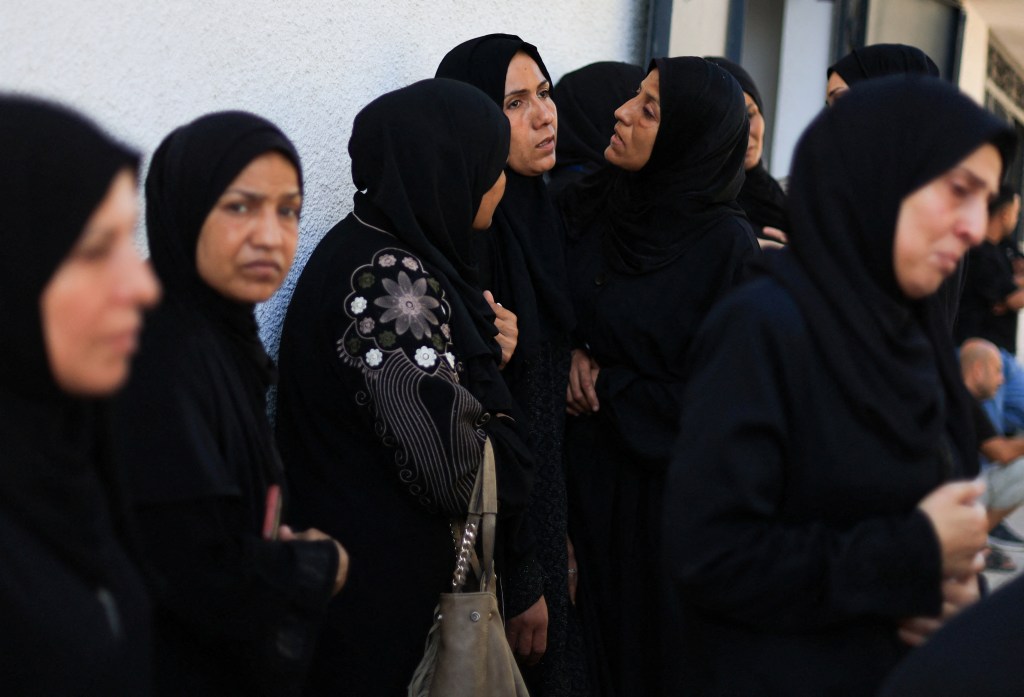
Financial desperation has driven other families to exchange daughters for basic sustenance. A witness recalled how one father married off his 14-year-old daughter in exchange for “two bags of flour so he and his [other] children could eat.” Another woman from a Gaza City camp said she attended weddings for a 14-year-old and a 15-year-old whose uncles had arranged the marriages after their parents died. “Their uncles married them off very young. Do you know why? Because their father and mother were martyred, and their uncles wanted to get rid of the responsibility and expenses,” she said.
The UNFPA report ranked the forms of abuse reported: psychological and emotional violence ranked second highest after the unspecified leading category, followed by physical violence, sexual violence, and forced and early marriage. “These trends are attributed to heightened stress felt by women and men forced to live in inadequate and overcrowded shelters and continued limited access to basic resources including food, water, basic hygiene materials and clothing,” the researchers wrote.
Some families have sought early marriages under the belief that husbands could protect girls from rapists in the overcrowded camps. The UNFPA had previously flagged that girls orphaned by the war face particular vulnerability to sexual violence. Meanwhile, widows and single mothers face heightened exploitation risks, with nearly 25% of Gaza households now headed by women—double the pre-war rate.
One Gaza City witness described how a widow seeking shelter became a target. “One widow was looking for a tent, and a [camp] representative told her, ‘I’ll give you a tent, we’ll put you in our camp, and you can come stay with me tonight,'” she recalled.
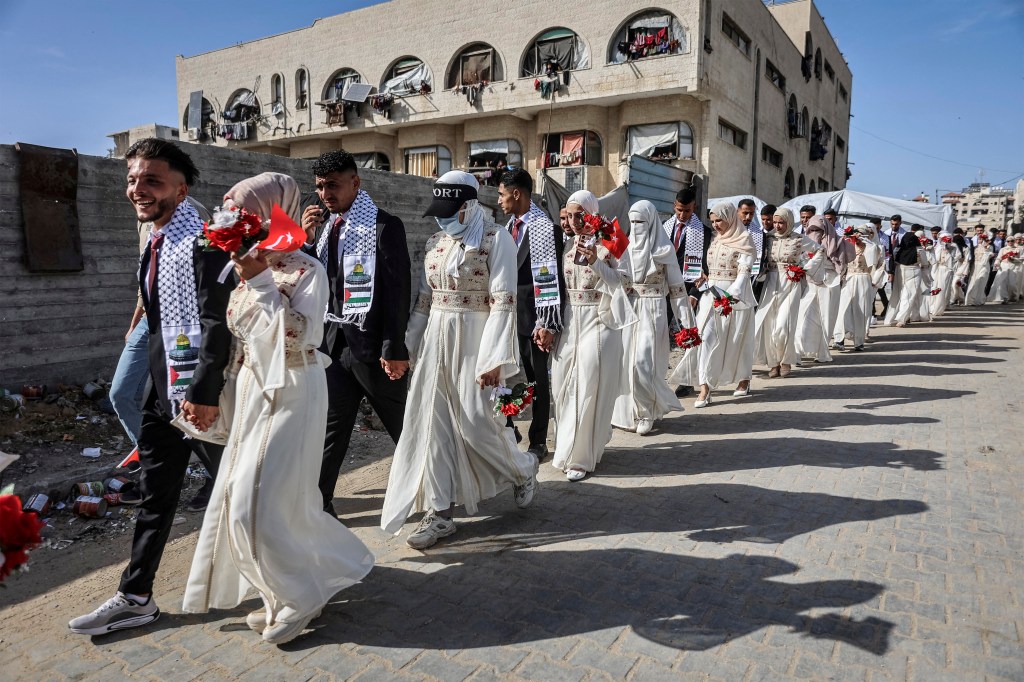
The humanitarian backdrop remains dire. Nearly all 2.1 million Palestinians in Gaza remain displaced, with Israel controlling approximately 70% of the territory as skirmishes between Hamas and Israeli forces continue. The UNFPA findings landed as the Trump administration promoted its Board of Peace initiative, which unveiled a multi-phase Gaza recovery plan Wednesday on the sidelines of the UN General Assembly in Manhattan.
The reconstruction framework comprises 66 programs targeting infrastructure, economic growth, and installation of an international security force. The first phase carries a $2.45 billion price tag over six months, with total completion estimated at $71 billion.
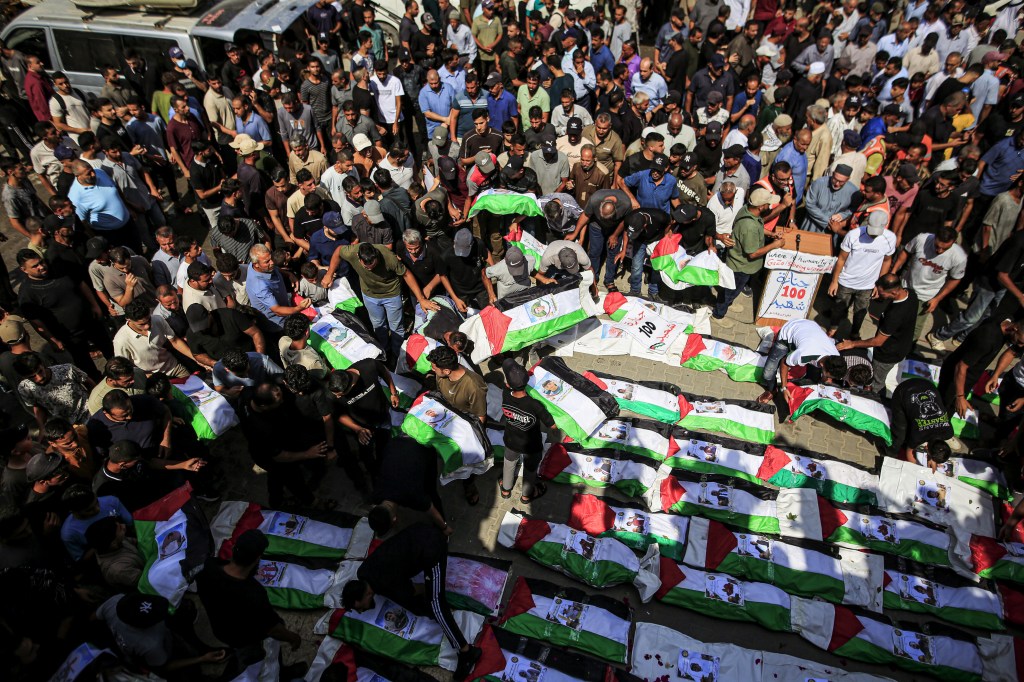
The Board of Peace announcement came the same week the UNFPA published its dual reports on gender-based violence and refugee camp conditions, linking the reconstruction push to the documented abuses. Researchers emphasized that the marriage and trafficking patterns they uncovered stem directly from the collapse of basic living conditions and protective structures for women and girls across the enclave.
The Board of Peace’s first phase is set to roll out in Gaza with infrastructure and security components.