

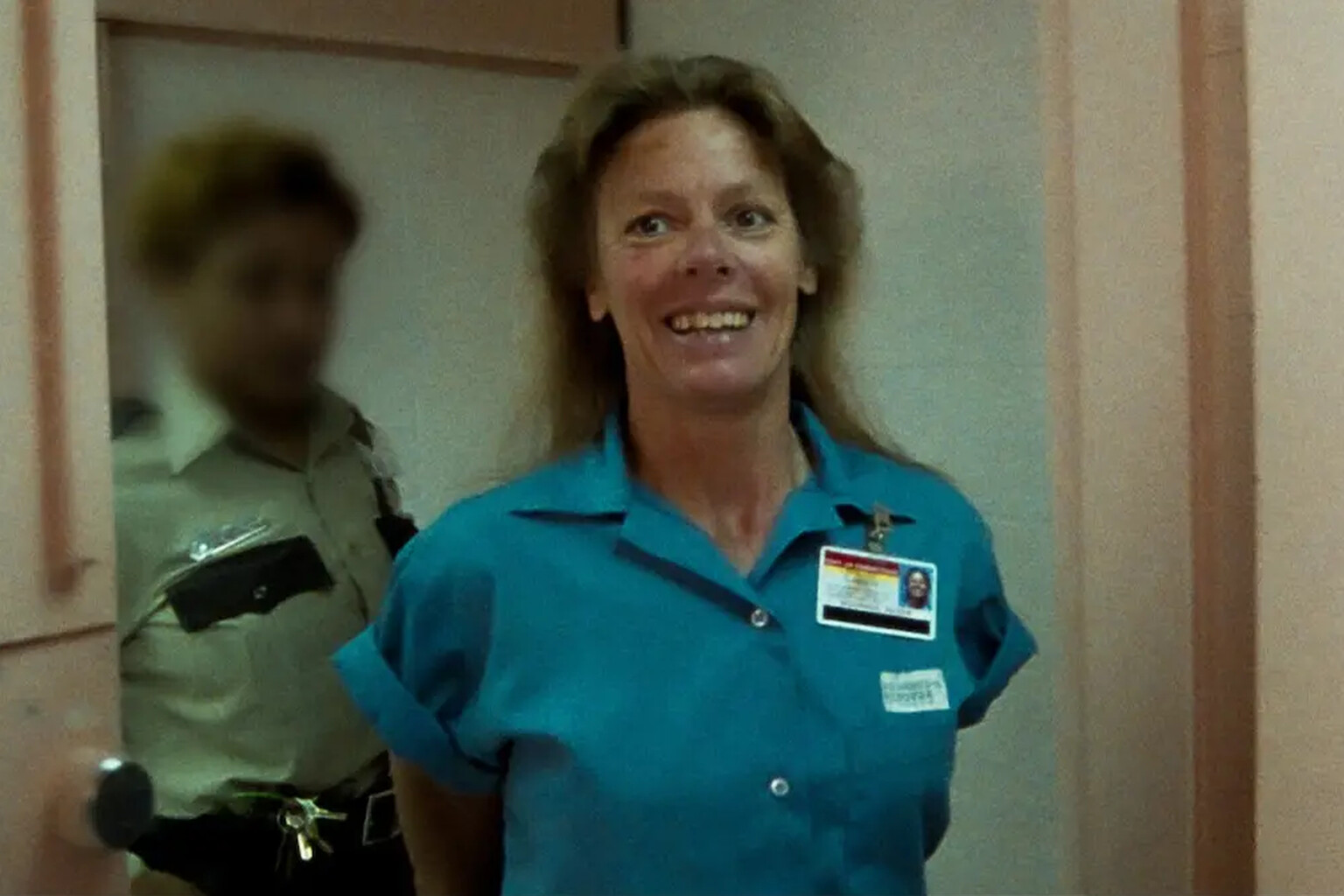
Aileen Wuornos turned down a final meal and drank only coffee hours before Florida executed her by lethal injection.
Wuornos, 46, died at 9:47 a.m. On October 9, 2002, becoming just the tenth woman executed in the United States since capital punishment was reinstated in 1976. The convicted serial killer had spent more than a decade on death row after murdering seven men along Florida highways between 1989 and 1990.
Florida Department of Corrections records show Wuornos refused the traditional last meal offered to death row inmates, a privilege typically capped at $20. “Wuornos declined the traditional last meal, which could have been anything she wanted for under $20, and instead was given a cup of coffee,” the records state. Her choice placed her among a small group of notorious killers who rejected the ritual; Ted Bundy had done the same before his 1989 execution in the same state.
Wuornos had initially pleaded self-defense, claiming her first victim, Richard Mallory, 51, had driven her to a secluded spot and violently raped her before she shot him. Mallory did carry a prior conviction for attempted sexual assault, but Wuornos later withdrew her self-defense claims entirely. She went on to murder six more men: David Spears, Charles Carskaddon, Peter Siems, Troy Burress, Charles Humphreys, and Walter Antonio.
In several killings, Wuornos stole money, belongings, and vehicles from her victims. Prosecutors alleged she committed the murders to fund a lifestyle with her girlfriend, Tyria Moore, though Moore was not charged in connection with the killings. Wuornos had turned to sex work to survive extreme poverty after a traumatic childhood, factors that later drew renewed attention to her case in documentaries and true-crime coverage.
A year before her execution, Wuornos abandoned any pretense of justification for the killings. “I killed those men, robbed them cold as ice. And I’d do it again, too,” she admitted. The statement marked a stark reversal from her earlier claims of self-defense and contributed to her unusual place in criminal history as a woman who actively sought her own execution.
Wuornos’s case gained renewed attention following the 2003 film “Monster,” in which Charlize Theron portrayed her, and continues to surface in streaming documentaries examining her life and crimes. A Florida bar where Wuornos once drank has reportedly drawn interest from true-crime tourists as fresh documentary coverage airs.
The seven men Wuornos killed were all believed to have picked her up while she was soliciting along Florida highways. Her method remained consistent: she shot each victim, then took what valuables she could carry. The spree ended with her arrest in 1991 at a biker bar in Volusia County, where she had gone after her relationship with Moore collapsed.
Wuornos spent her final years on death row at the Florida State Prison in Bradford County. Unlike many inmates who fight execution through decades of appeals, she pushed for her own sentence to be carried out. That insistence, combined with her gender and her brutal candor about the murders, has kept her case in public discussion more than two decades after her death.