

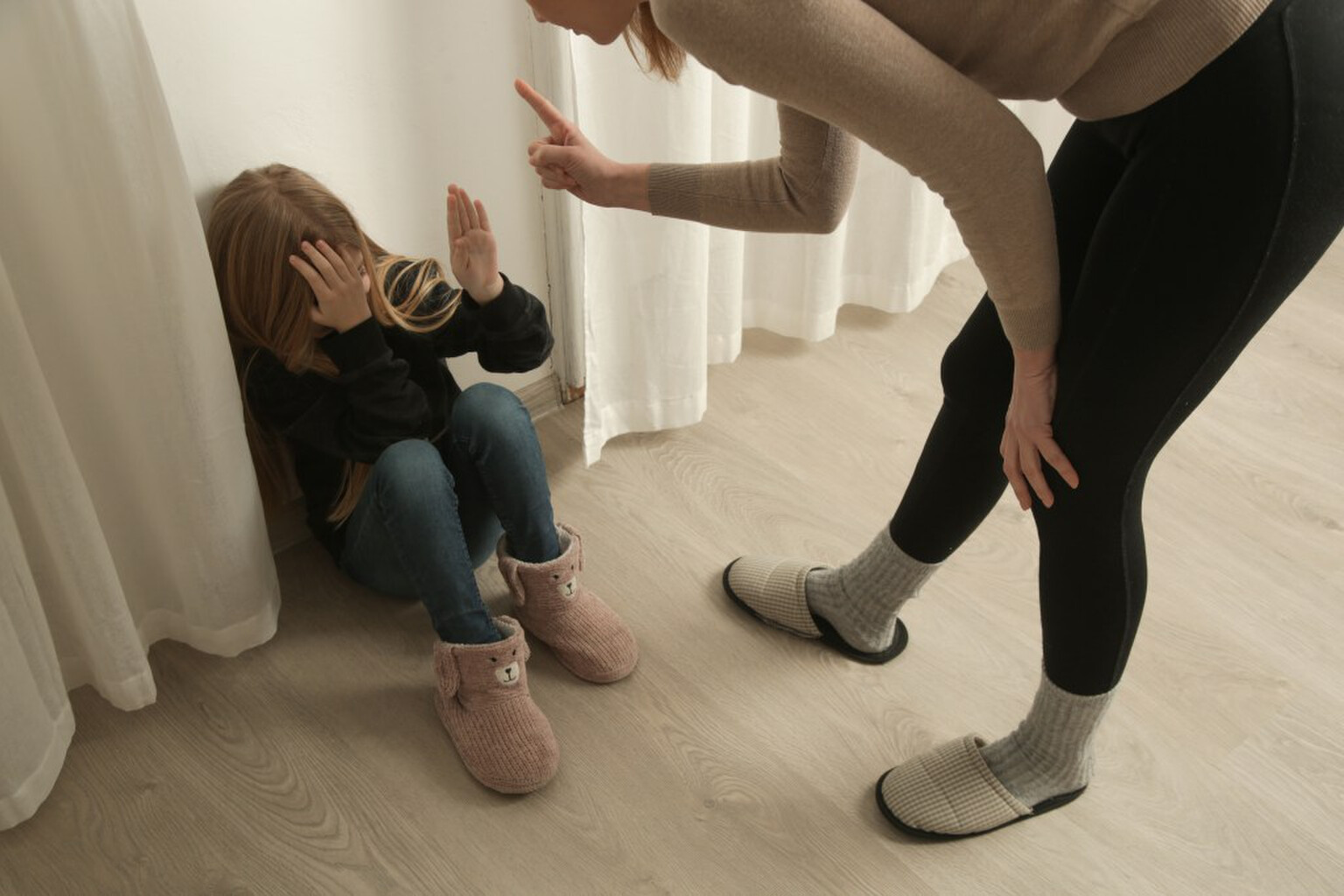
About one in five millennial and Gen Z parents admit they have spanked their children, according to research published last month in the Canadian Journal of Public Health.
The survey of roughly 4,000 adults found that 20% of parents in those younger generations said “yes” when asked whether they had ever struck their child with their hand. Gen Xers spanked at more than twice that rate, with 45% acknowledging the practice. The study also revealed that 15% of all respondents believed spanking was “necessary to raise a child properly.”
Dr. Isha Mannering, a pediatrician and parenting expert, told The Post she does not recommend physical discipline.
“While it may result in compliance in the moment, it does so through fear rather than by teaching the deeper skills children actually need, such as self-regulation or sound judgment,” she said.

Mannering warned that corporal punishment can normalize force as a reaction to frustration or conflict in children. She pointed to a 2021 study tracking spanked 3-year-olds who showed more externalizing behaviors by age 5, including destroying belongings or physically attacking others, compared with children who were not physically punished. A 2017 study also linked childhood spanking to later violence against romantic partners.
The American Academy of Pediatrics and the World Health Organization have both formally opposed spanking. The WHO defines corporal punishment as any use of physical force “intended to cause some degree of pain or discomfort, however light.” The AAP’s 2018 policy flatly abolished the practice after strongly discouraging it in a 1998 report.
“Although many children who were spanked become happy, healthy adults, current evidence suggests that spanking is not necessary and may result in long-term harm,” the academy stated.
Mannering said the medical community stands unified against physical punishment because evidence consistently undermines its effectiveness and reveals its dangers.
“Physical punishment is not more effective than non-physical discipline, and it carries greater potential for harm,” she said.

The study found a strong transmission pattern: parents who were spanked as children are significantly more likely to spank their own kids. Among surveyed parents, 55.6% reported being spanked three or more times in childhood, while 40.2% said they were spanked zero to two times.
At least 69 countries have legally abolished all corporal punishment of children, with Sweden becoming the first in 1979. As of 2024, spanking remains legal in all 50 US states.
Mannering believes younger parents can interrupt this cycle even if they were physically disciplined themselves.
“Gen Z and millennial parents have already shown a willingness to break cycles, and they can do that here as well,” she said. “Rewiring the response begins with a mindset shift — recognizing the impulse in the moment and replacing a physical reaction with calm, consistent, predictable discipline.”