

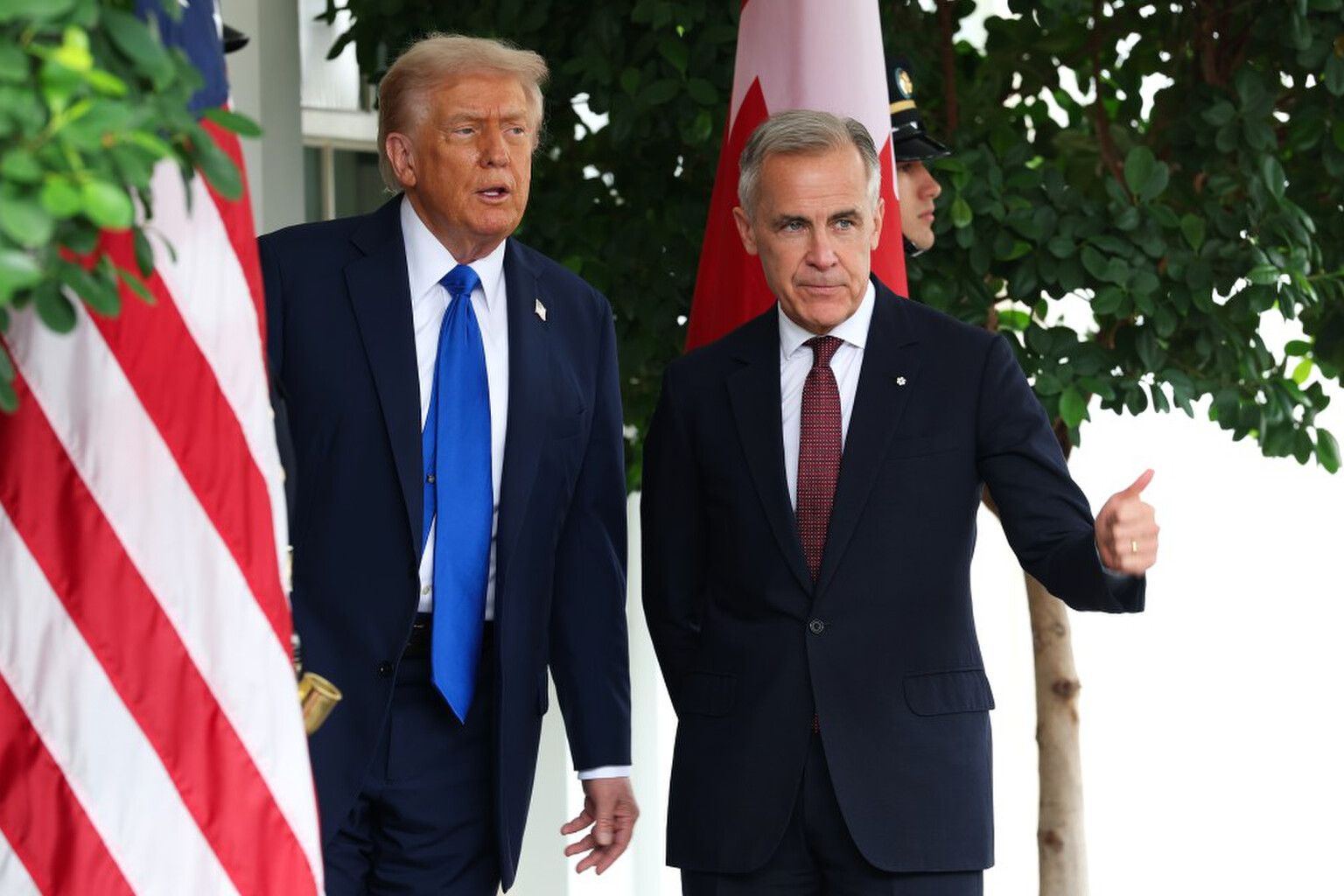
Canadian Prime Minister Mark Carney confirmed in an interview this week that his government had prepared for the possibility of the US launching an invasion of Canada amid ongoing trade tensions.
Carney, 61, made the disclosure Wednesday to the outlet while in New York City for the United Nations General Assembly. The former governor of both the Bank of Canada and the Bank of England framed the contingency planning as standard risk management rather than alarmism.
“I think you have a responsibility in these roles to look at extreme tail risk,” Carney told the newspaper. “That’s just risk management. That’s not a base case, but it would be irresponsible not to.”
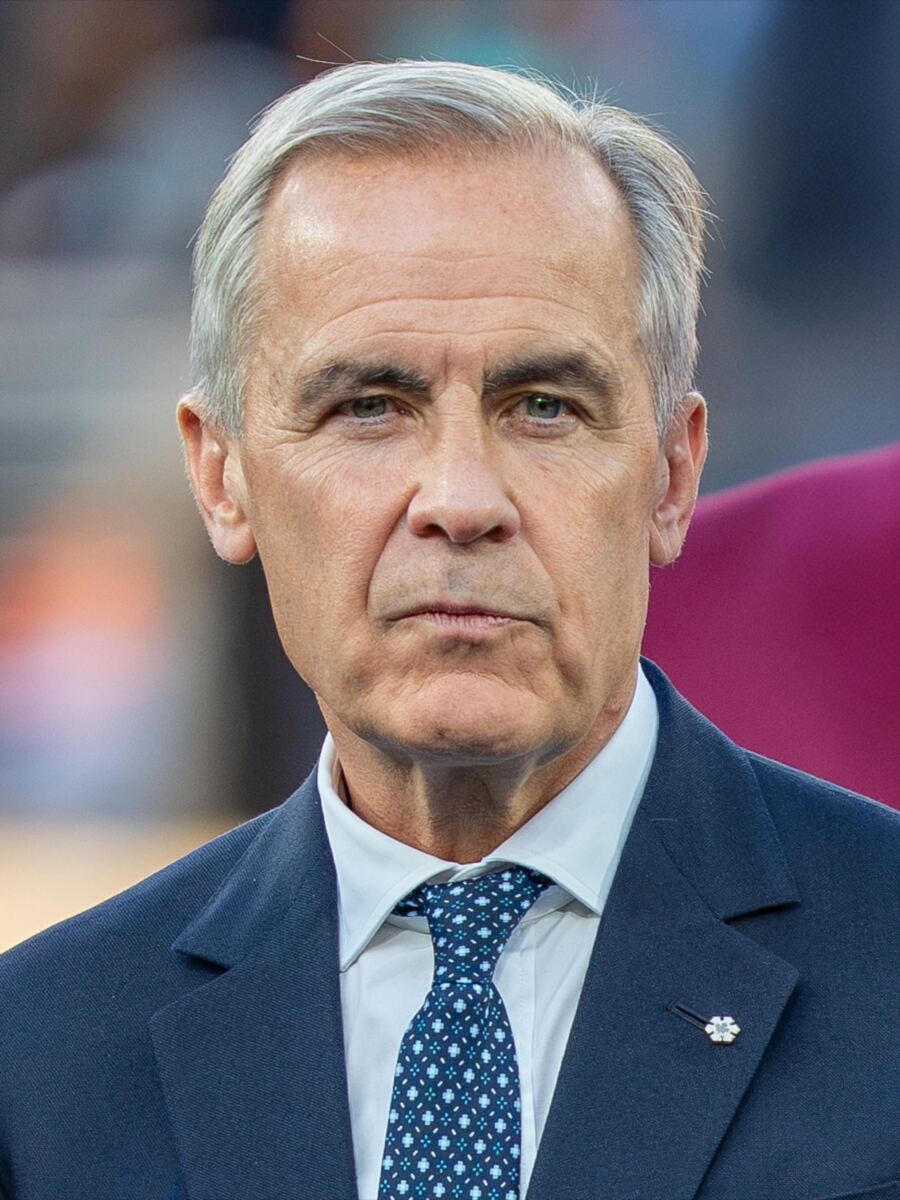
The interview came one week after European Commission President Ursula von der Leyen proposed making Canada an associate member of the 27-nation bloc. President Trump responded to that overture by suggesting it could constitute a “hostile act,” further straining cross-border relations.
Trade hostilities between Ottawa and Washington have escalated sharply in recent months. Earlier this month, Canada imposed retaliatory tariffs ranging from 15% to 50% on more than $20 billion worth of American goods. The targeted products included steel, aluminum, wool, lumber, milk, T-shirts and air conditioners.
Trump fired back with multiple measures. He barred Canadian products from federal contracts, signed an executive order renaming Lake Ontario to “Lake America,” and threatened to hike US tariffs on Canadian cars, trucks and auto parts starting Jan. 1.
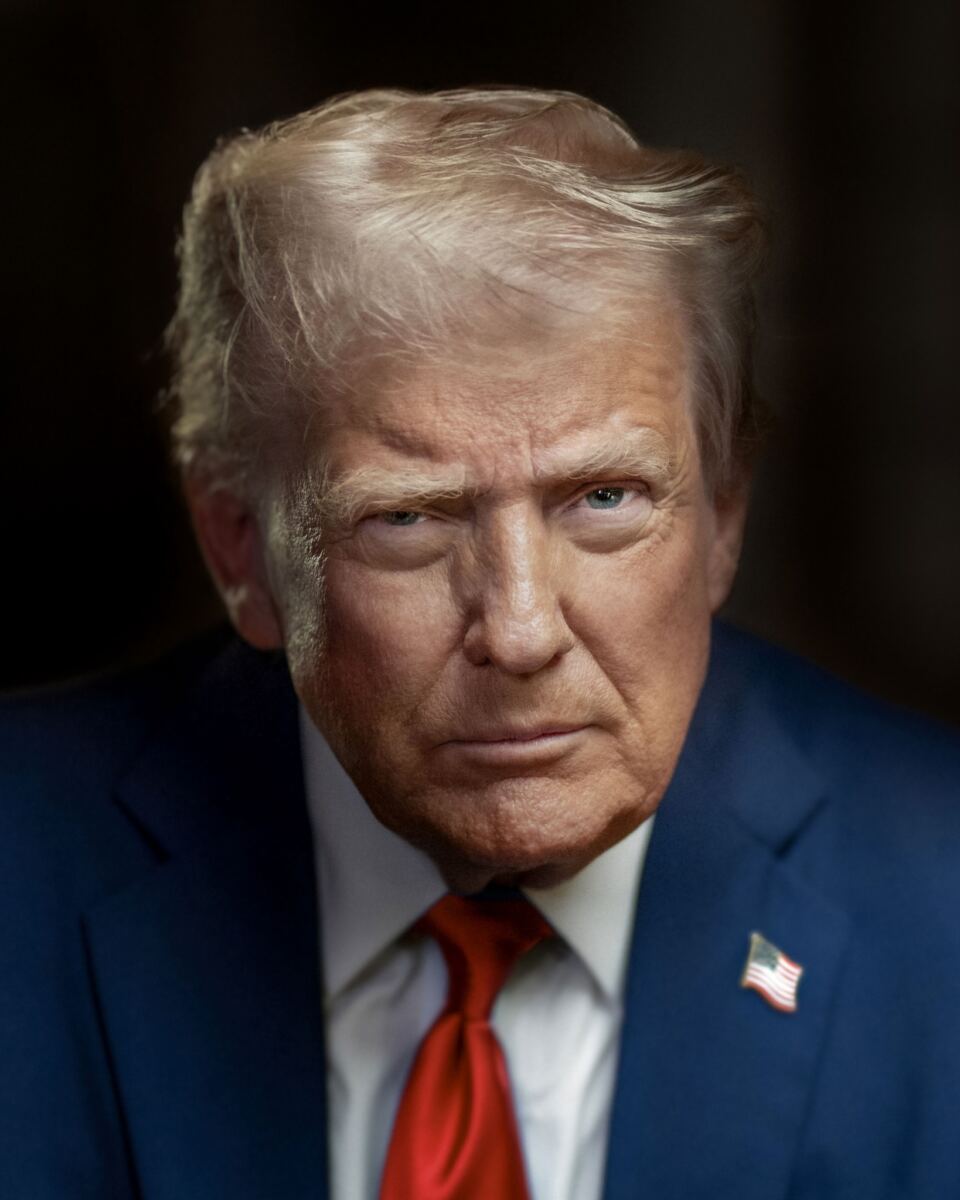
The tariff exchange built on earlier action this summer. On Aug. 22, the US had imposed 50% duties on an estimated $28 billion of Canadian goods, including beer, cheese, and electronics. Carney responded forcefully at the time, telling reporters: “We were attacked. You’re at war when you get attacked. We got attacked. That’s fine. We’ve got the reserves. We’ve got the resilience. We’ve got the plan. We’ve got the focus. We will respond.”
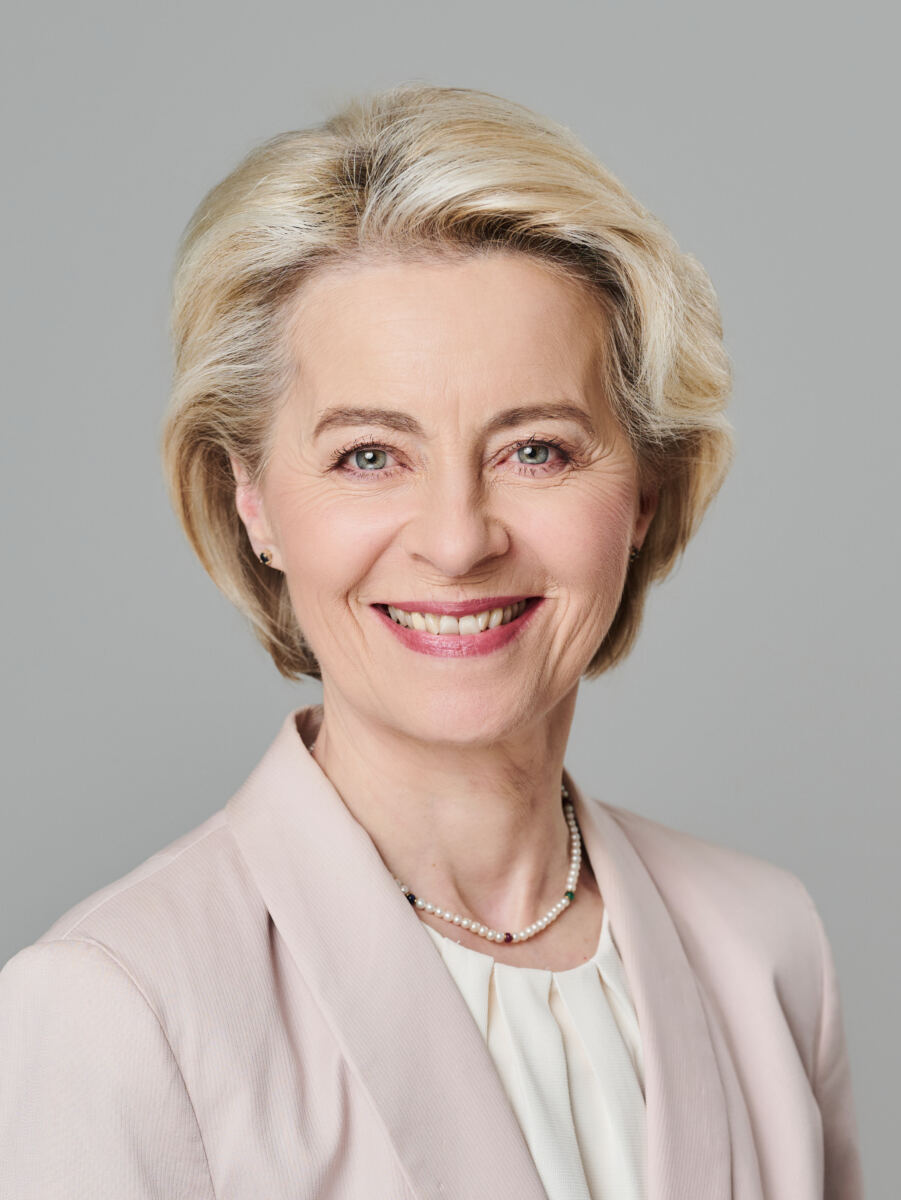
The “war” rhetoric underscored how dramatically the bilateral relationship has deteriorated. Under Carney’s predecessor, Justin Trudeau, Trump had repeatedly suggested that Canada could become the 51st state, even mocking the then-PM as “Governor.” Those taunts contributed to the fraying of ties between countries that share the world’s longest undefended border.
Carney’s invasion preparedness comments mark the latest flashpoint in a relationship once defined by close cooperation. The disclosure that Canadian officials have gamed out military scenarios, however remote, illustrates how far the two neighbors have drifted under sustained economic pressure and personal antagonism between leaders.
The European overture to Canada adds another complicated dimension. Von der Leyen’s associate membership proposal, still under discussion, would represent an unprecedented step for a North American nation and has clearly rattled the White House.
Canadian officials have not detailed what form their invasion contingency planning takes, nor has Carney specified which agencies participated in the risk assessment. The prime minister emphasized that the scenario remains an “extreme tail risk,” language suggesting it sits far outside probable outcomes.
Trump’s “hostile act” characterization of the EU-Canada talks signals that Washington views any deepening of Ottawa’s European ties as a direct challenge to American influence. The president has consistently framed trade relationships in zero-sum terms, and Canada’s multi-front economic diplomacy appears to have triggered his sharpest responses yet.
The auto tariff threat scheduled for Jan. 1 looms as the next potential escalation. Canada’s integrated automotive supply chain with Michigan and other US states makes that sector particularly vulnerable to disruption, with job losses possible on both sides of the border.
Carney’s background as a central banker has shaped his public communications, favoring measured, technical language even when discussing confrontational topics. His “extreme tail risk” formulation and emphasis on “reserves” and “resilience” reflect that training, though his August “we were attacked” remarks showed he can deploy more combative rhetoric when circumstances demand.
The prime minister is expected to continue meetings in New York through the remainder of the UN General Assembly session.