

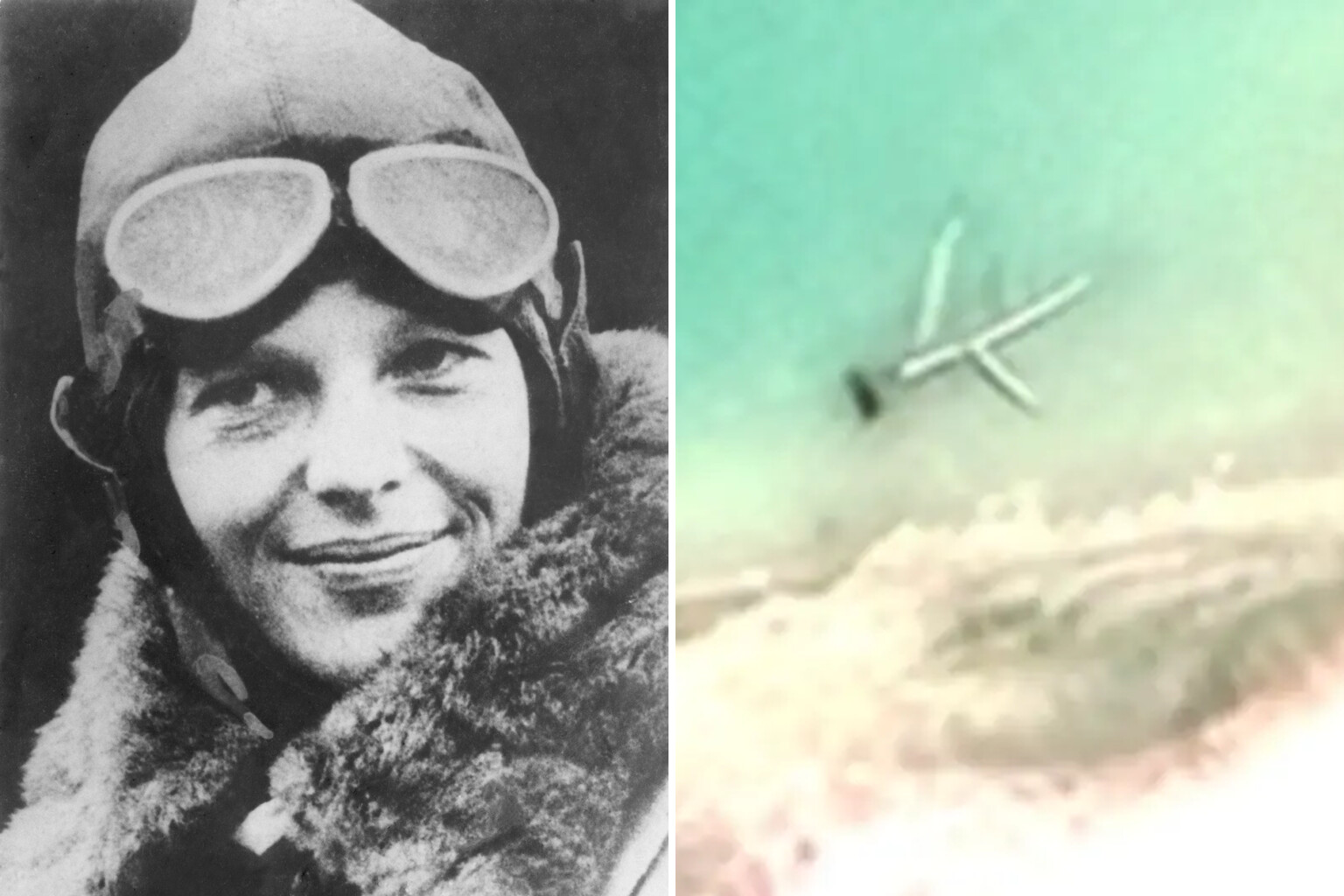
A 17-person research team is days away from launching an expedition to a remote Pacific island to investigate whether a mysterious lagoon object is Amelia Earhart’s long-lost plane.
Dr. Richard Pettigrew, executive director of the Archaeological Legacy Institute, is leading the mission to Nikumaroro, a coral atoll in the South Pacific. The team departs within days and is expected to return to Tarawa around October 22 before flying home the next day, according to Purdue University. The expedition brings together researchers from ALI, Purdue Research Foundation, and Purdue University for nearly three weeks of fieldwork.
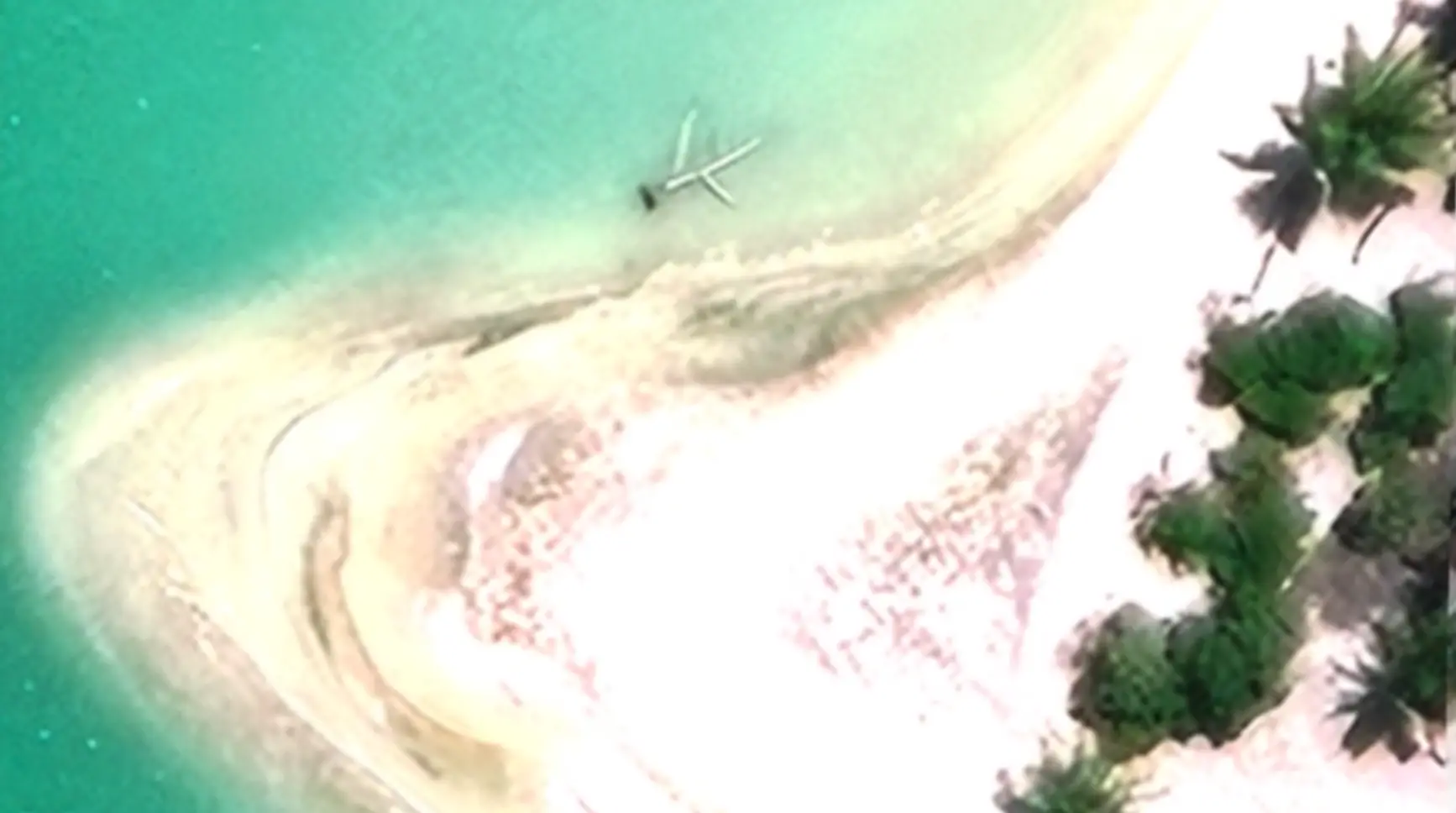
The target of their search is a visual anomaly first spotted by researcher Michael Ashmore in 2020 while examining an Apple Maps image taken in 2015, shortly after Cyclone Pam struck the region. Newer imagery has since been captured by Vantor, formerly Maxar Technologies. The object sits in Nikumaroro’s lagoon, and the team is traveling there to determine if it could be Earhart’s missing Lockheed Electra 10-E.
“With just a week to go before the launch of our expedition, my conscious focus is on the execution of our fieldwork plan,” Pettigrew said in a September 28 news release. “Inevitably, though, this comes with an array of strong feelings. I’m intensely and eternally grateful to the many individuals and organizations who have helped to make our vision real.”
Pettigrew added: “I feel truly lucky to be in a position to possibly solve one of the greatest mysteries of all time, whether or not that happens.”
The expedition was originally scheduled for last year but was postponed. In an interview conducted before the delay, Pettigrew expressed measured confidence about the satellite find.
“This case has taken a long time, but we have some new evidence,” he told the outlet. “There’s an object visible in the Nikumaroro lagoon.”
“Everything that we see indicates it’s very possible, perhaps even likely, that this is what remains of Amelia Earhart’s aircraft,” Pettigrew continued.
The team’s investigation will deploy drones, sonar, and magnetometers to examine the site. If the initial survey warrants further action, they will probe the sediment and ultimately excavate using a hydraulic dredge.
Earhart, the first woman to fly solo across the Atlantic, vanished in July 1937 while attempting to become the first person to circumnavigate the globe by air. She and her navigator, Fred Noonan, disappeared somewhere over the Pacific after their plane ran low on fuel. A 16-day search failed to locate them, and both were declared legally dead in January 1939, though speculation about their fate has persisted for generations.